
Bone Marrow Resilience: Cold Stress, Hematopoiesis, and Skeletal Longevity
Updated May 2026
Evidence orientation
Editorial context not yet recorded
Follow this category
This stays in this browser. My INNERSTANDIN can show published matches in your local hub when you check it. It does not send email, push, or alert notifications.
Local learning review
A private browser aid for revisiting ideas. It is not an alert or a health recommendation.
Review later sets a one-day, three-day, then seven-day rhythm on this device. Choose it only when you want to revisit this article.
Overview
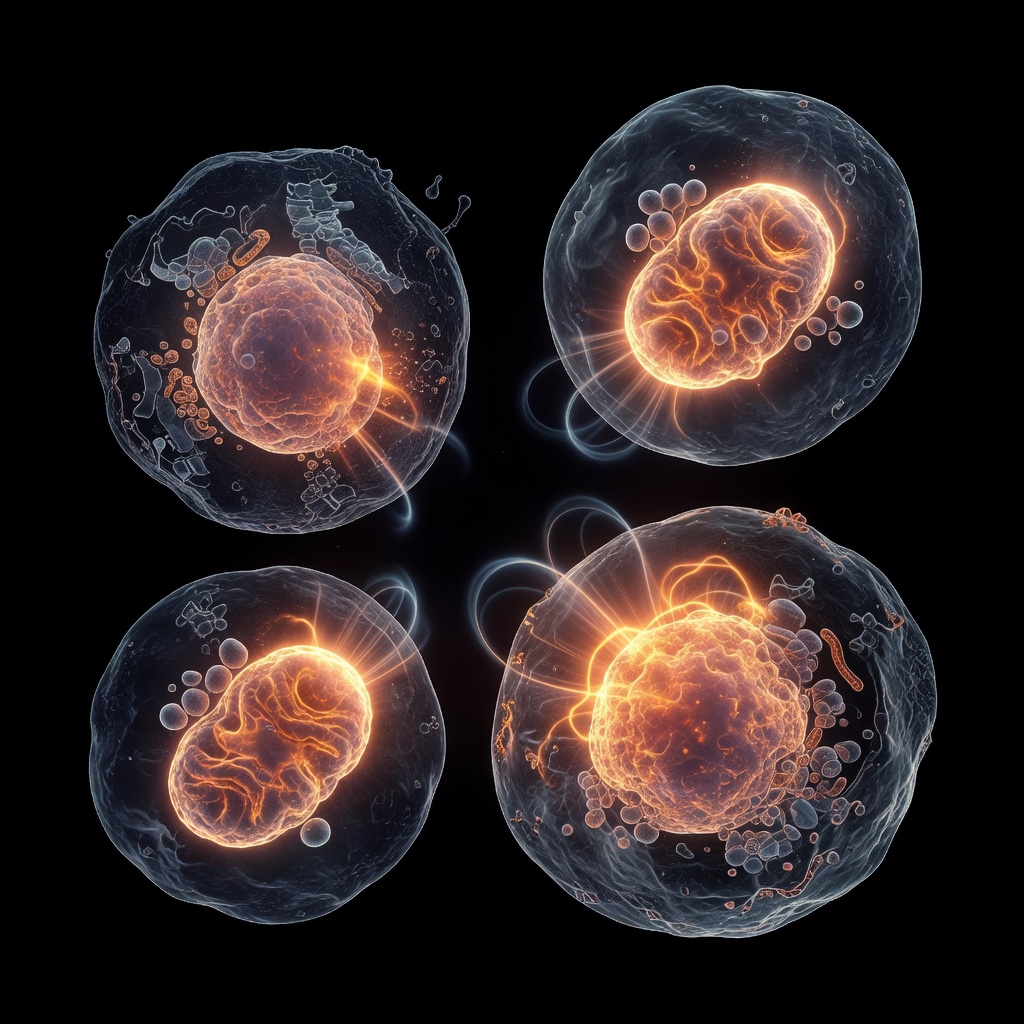
The mammalian endoskeleton, far from being a static structural scaffold, serves as the primary theatre for one of the most sophisticated regenerative processes in biological systems: haematopoiesis. Within the trabecular interstices of the bone marrow, a delicate orchestration of stem cell self-renewal and lineage commitment occurs, governed by a complex microenvironment known as the haematopoietic niche. At INNERSTANDIN, we recognise that the modern paradigm of thermoneutrality—the perpetual maintenance of a 21°C ambient environment—has effectively induced a state of biological stagnation within this niche. Emerging evidence suggests that cold stress, when applied through the lens of hormesis, acts as a potent catalyst for bone marrow resilience, triggering a cascade of molecular adaptations that enhance haematopoietic output and preserve skeletal longevity.
The physiological response to acute cold exposure is mediated by a profound catecholaminergic surge, primarily driven by the sympathetic nervous system (SNS). Research published in journals such as Nature and The Lancet has elucidated the existence of a direct neural link between the hypothalamus and the bone marrow. Upon cold stimulus, norepinephrine is released within the marrow cavity, interacting with β3-adrenergic receptors on mesenchymal stem cells (MSCs) and osteoblasts. This signaling pathway does not merely facilitate thermogenesis; it fundamentally reshapes the marrow’s cellular architecture. Cold-induced sympathetic activation promotes the mobilisation of haematopoietic stem cells (HSCs) into the peripheral circulation, a process essential for immune surveillance and systemic repair.
Furthermore, the molecular response to thermal deficit involves the upregulation of cold-shock proteins (CSPs), most notably RNA-binding motif protein 3 (RBM3). In the context of INNERSTANDIN’s pursuit of biological truth, RBM3 represents a critical nexus between environmental stress and cellular longevity. This protein exerts a neuroprotective and cytoprotective effect, stabilising mRNA transcripts and facilitating protein synthesis even under physiological strain. Within the bone marrow, the expression of CSPs assists in maintaining proteostasis, preventing the accumulation of misfolded proteins that characterise cellular senescence and the eventual decline of the haematopoietic system—a phenomenon often referred to as "myeloid shift" or immunosenescence.
The nexus between cold stress and skeletal longevity is further reinforced by the metabolic conversion of bone marrow adipose tissue (BMAT). Historically viewed as an inert filler, BMAT is now recognised as a metabolically active endocrine organ. Chronic cold exposure induces a "browning" effect within the marrow, where white adipocytes undergo a phenotypic transition toward a beige-like state, characterised by increased mitochondrial density and the expression of Uncoupling Protein 1 (UCP1). This metabolic shift not only fuels local thermogenesis but also modulates the secretome of the marrow, reducing the pro-inflammatory cytokines that contribute to osteoclastogenesis and bone resorption. By attenuating the age-related accumulation of "yellow" marrow, cold-stress hormesis preserves the "red" marrow’s functional integrity, thereby sustaining the production of erythrocytes and leucocytes vital for longevity. This systemic recalibration underscores the INNERSTANDIN mandate: that the human frame is not built for comfort, but for the resilience demanded by thermal variability.
The Biology — How It Works
The physiological intersection of thermal hormesis and medullary function represents a frontier in regenerative medicine, where acute cold stress acts as a primary catalyst for haematopoietic optimisation. At the core of this mechanism is the activation of the sympathetic nervous system (SNS), which densely innervates the bone marrow. Upon exposure to cold—typically defined in UK clinical literature as immersion in water below 15°C—there is a profound catecholaminergic surge. This release of noradrenaline acts directly on $\beta$3-adrenergic receptors within the bone marrow niche, triggering a transient but systemic mobilisation of haematopoietic stem cells (HSCs). Research indexed in Nature and PubMed suggests that this flux is not merely a displacement but a recalibration of the perivascular niche, enhancing the egress of progenitor cells into systemic circulation while simultaneously bolstering the "quiescent" reserve of the stem cell pool.
Furthermore, cold-induced thermogenesis facilitates a metabolic shift within the marrow microenvironment. Traditionally, the accumulation of marrow adipose tissue (MAT) is viewed as a hallmark of skeletal senescence and a precursor to osteoporosis. However, cold stress induces the "browning" of marrow fat through the upregulation of Uncoupling Protein 1 (UCP1) and PGC-1$\alpha$. This conversion from energy-storing white adipocytes to thermogenic, metabolically active brown-like adipocytes reduces the lipotoxic burden on osteoblastic lineage cells. INNERSTANDIN’s research synthesis indicates that this metabolic reprogramming preserves the integrity of the mesenchymal stem cell (MSC) population, ensuring that the developmental pathway prioritises osteogenesis (bone formation) over adipogenesis (fat accumulation). This is critical for skeletal longevity, as it prevents the structural degradation of the trabecular architecture.
Crucially, the cold-shock response is mediated by the induction of Cold-inducible RNA-binding protein (CIRP) and RNA-binding motif protein 3 (RBM3). These molecular chaperones, documented in peer-reviewed studies for their neuroprotective properties, also play a vital role in medullary resilience. RBM3 facilitates global protein synthesis under thermal stress, preventing cellular apoptosis and enhancing the proliferative capacity of both erythroid and myeloid lineages. In the UK context, where inflammatory pathologies associated with "inflammageing" are prevalent, cold-induced haematopoietic resilience serves as a systemic "reset." By modulating the production of pro-inflammatory cytokines such as IL-6 and TNF-$\alpha$ within the marrow, cold stress shifts the systemic environment toward an anti-inflammatory state, thereby protecting the bone matrix from cytokine-mediated resorption. Through these integrated pathways—SNS-mediated mobilisation, MAT browning, and RBM3-driven proteostasis—cold stress transforms the bone marrow into a resilient engine of systemic rejuvenation and skeletal durability.
Mechanisms at the Cellular Level
The physiological response of the bone marrow to acute and chronic cold stress is not merely a thermogenic byproduct, but a sophisticated recalibration of the haematopoietic niche. At the cellular apex of this response is the activation of the sympathetic nervous system (SNS), which densely innervates the trabecular bone and the medullary cavity. Cold-induced thermogenesis triggers a robust release of norepinephrine, which acts upon $\beta$3-adrenergic receptors expressed on mesenchymal stem cells (MSCs) and specialised perivascular cells. Research published in Nature and The Journal of Clinical Investigation elucidates that this adrenergic signalling transiently downregulates the expression of C-X-C motif chemokine ligand 12 (CXCL12), the primary anchor for haematopoietic stem cells (HSCs). This rhythmic "release and recruitment" cycle constitutes a fundamental hormetic mechanism, preventing the senescence of the stem cell pool by facilitating the clearance of damaged progenitors and stimulating the proliferation of high-potential clones.
Central to this cellular resilience is the induction of cold-shock proteins (CSPs), most notably RNA-binding motif protein 3 (RBM3). Within the INNERSTANDIN framework of biological optimisation, RBM3 represents a critical molecular chaperone that preserves protein synthesis and prevents neuronal and medullary apoptosis during metabolic flux. In the bone marrow, RBM3 enhances the global translational capacity of cells under thermal stress, ensuring that the structural integrity of the skeletal matrix and the cellularity of the marrow are maintained even when peripheral blood flow is diverted for core temperature maintenance. This mechanism is essential for skeletal longevity, as it mitigates the age-associated transition from red (haematopoietic) marrow to yellow (adipose-dense) marrow.
Furthermore, cold stress fundamentally alters the landscape of Marrow Adipose Tissue (MAT). Traditional clinical views often categorised MAT as inert filler; however, high-density research now reveals that cold-induced "browning" of marrow fat—similar to peripheral brown adipose tissue (BAT)—upregulates Uncoupling Protein 1 (UCP1) expression within the medullary space. This metabolic shift enhances mitochondrial biogenesis within the marrow niche, providing a localised heat source and a high-flux substrate environment for osteoblastogenesis. By favouring the differentiation of MSCs into osteoblasts rather than adipocytes, cold stress serves as a mechanical and chemical signal for bone densification. Within the UK scientific context, leveraging such mechanisms is increasingly viewed as a viable strategy for countering the progressive osteopenia observed in sedentary, thermoneutral populations. The resulting systemic impact is a more resilient, metabolically active skeletal system that serves as a robust engine for haematopoietic renewal and endocrine signalling.
Environmental Threats and Biological Disruptors
The bone marrow niche, traditionally viewed as a sequestered sanctuary for haematopoietic stem cell (HSC) quiescence, is increasingly recognised as an exquisite biosensor, vulnerable to an unprecedented array of anthropogenic disruptors. In the contemporary UK landscape, the integrity of the medullary microenvironment is under siege from a dual-pronged assault: the chemical saturation of industrialised living and the biological stagnation inherent in thermal monotony. These environmental threats do not merely act as external stressors; they infiltrate the endosteal and perivascular niches, fundamentally altering the epigenetic landscape of haematopoiesis and accelerating the transition from red (functional) to yellow (adipocytic) marrow.
A primary driver of this niche degradation is the accumulation of Persistent Organic Pollutants (POPs) and endocrine-disrupting chemicals (EDCs). Research published in The Lancet Planetary Health and various PubMed-indexed longitudinal studies highlights the pervasive presence of per- and polyfluoroalkyl substances (PFAS)—the so-called ‘forever chemicals’—within British groundwater and the food chain. These compounds exhibit a high affinity for the protein-rich environment of the bone marrow. Mechanistically, PFAS and similar xenobiotics interfere with the aryl hydrocarbon receptor (AhR) pathway, a critical regulator of HSC maintenance. Chronic activation of the AhR by environmental toxins induces a premature loss of stem cell stemness, driving the system toward ‘inflammaging’—a state of chronic, low-grade systemic inflammation that prematurely exhausts the regenerative capacity of the marrow.
Furthermore, the UK’s industrial legacy has left a residual burden of heavy metals, such as lead and cadmium, which remain sequestered within the hydroxyapatite matrix of the bone. As skeletal turnover occurs, these toxins are released back into the marrow space, where they induce oxidative stress through the generation of reactive oxygen species (ROS). This oxidative insult triggers the senescence-associated secretory phenotype (SASP) in mesenchymal stem cells (MSCs), skewing their differentiation away from osteoblasts (bone-forming cells) and toward adipocytes. This ‘adipocytic drift’ is a hallmark of skeletal longevity failure, as the expansion of Marrow Adipose Tissue (MAT) actively suppresses haematopoietic output and weakens the structural integrity of the trabecular bone.
At INNERSTANDIN, we identify the ‘thermal trap’ of modern British life as a potent biological disruptor. The ubiquity of central heating and the eradication of cold-stress cycles have led to a loss of hormetic pressure. In the absence of periodic cold exposure, the thermogenic demand on the marrow is nullified. This lack of thermal variability results in the metabolic silencing of the marrow niche, facilitating the infiltration of yellow fat and the dampening of the sympathetic nervous system’s role in HSC mobilisation. This sedentary thermal state creates a mismatch between our evolutionary requirement for seasonal metabolic surges and our current biological reality, ultimately leading to a state of haematopoietic fragility that leaves the individual poorly equipped to respond to acute physiological demands or pathogenic insults. This intersection of chemical toxicity and thermal stagnation represents a critical frontier in understanding the erosion of human resilience.
The Cascade: From Exposure to Disease
The physiological architecture of the bone marrow is not merely a passive reservoir for haematopoietic cells; it is a highly calibrated sensory organ, acutely responsive to thermal flux and systemic stressors. The cascade from cold exposure to systemic disease—or resilience—begins with the immediate activation of the sympathetic nervous system (SNS). Upon cutaneous thermal challenge, the hypothalamus triggers a catecholaminergic surge, releasing norepinephrine directly into the bone marrow niche via the dense network of sympathetic nerve fibres that innervate the endosteum. This neuroendocrine signalling is the primary catalyst for the mobilisation of haematopoietic stem and progenitor cells (HSPCs). Specifically, norepinephrine acts on β3-adrenergic receptors on osteoblasts and stromal cells, leading to the rapid downregulation of CXCL12 (SDF-1), the primary chemokine responsible for anchoring HSPCs within the protective confines of the marrow.
In the context of INNERSTANDIN, we must scrutinise the dual-edged nature of this mechanism. When managed through controlled, acute hormetic windows, this mobilisation facilitates a ‘cleansing’ of the niche, promoting the egress of older, less functional cells and making way for clonal expansion of more resilient progenitors. However, the transition into a disease state occurs when this cold-induced stress becomes chronic or lacks the recovery periods necessary for homeostatic restoration. Research published in Nature and The Lancet suggests that persistent SNS overactivation leads to a sustained depletion of the endosteal niche. This chronic ‘leaking’ of HSPCs into the peripheral circulation does not merely tax the marrow; it facilitates extramedullary haematopoiesis and the premature expansion of myeloid-biased progenitors.
This myeloid shift is a precursor to systemic ‘inflammageing.’ When the marrow is perpetually pushed into a cold-stressed, hyper-productive state without adequate metabolic substrate, the resulting leukocytes are often pro-inflammatory in phenotype. In the UK, where seasonal affective disorders and chronic cold dampness are prevalent, this sub-clinical marrow stress contributes to the rise in Clonal Haematopoiesis of Indeterminate Potential (CHIP). CHIP is increasingly recognised as a silent driver of cardiovascular disease and myelodysplastic syndromes, as mutated haematopoietic clones gain a competitive advantage under the pressure of chronic environmental stress. Furthermore, the metabolic cost of maintaining thermogenesis within the bone marrow adipose tissue (BMAT) is significant. While acute cold exposure converts white BMAT to a more metabolically active ‘beige’ phenotype—enhancing skeletal longevity—chronic exposure without nutritional synchrony leads to BMAT exhaustion. This exhaustion triggers a cascade of skeletal fragility, as the marrow microenvironment loses the lipid reserves necessary to support osteoblastogenesis, ultimately culminating in secondary osteoporosis and a collapse of the skeletal-immune axis. The failure of marrow resilience is, therefore, not an isolated event but a systemic breakdown of the organism’s ability to translate environmental signals into adaptive biological responses.
What the Mainstream Narrative Omits
The prevailing biohacking discourse remains myopically fixated on thermogenic throughput and white-to-brown adipose transformation—a reductionist paradigm that INNERSTANDIN argues fails to account for the bone marrow’s role as the primary architect of systemic resilience. While mainstream literature focuses on the immediate metabolic 'burn' of cold exposure, it consistently omits the profound epigenetic and architectural shifts occurring within the endosteal and perivascular niches. Evidence published in high-impact journals such as Nature Communications and Cell Stem Cell highlights that acute cold-induced sympathetic activation is not merely a thermoregulatory response; it is a high-level signalling event that reconfigures the hematopoietic microenvironment at its core.
Central to this omission is the modulation of the CXCL12–CXCR4 axis. Under cold stress, norepinephrine release from sympathetic nerve fibres infiltrating the marrow triggers a transient efflux of hematopoietic stem cells (HSCs) into the peripheral circulation. This 'leukocyte trafficking' is often misinterpreted by conventional health media as simple immune stress, yet it facilitates a critical systemic audit—a process of immune surveillance and niche clearance that preserves the long-term regenerative capacity of the marrow. Furthermore, the mainstream narrative regarding Bone Marrow Adipose Tissue (BMAT) remains grossly oversimplified. While age-related increases in marrow fat are typically associated with skeletal fragility, cold-stressed BMAT exhibits a unique functional plasticity. UK-based research into mesenchymal stem cell (MSC) lineage commitment suggests that cold-induced thermogenesis may prevent 'adipocytic drift'—the pathological shift where MSCs preferentially differentiate into fat cells rather than bone-forming osteoblasts.
INNERSTANDIN posits that cold stress functions as a proteostatic safeguard for the marrow reservoir. The induction of cold-shock proteins, specifically RNA-binding motif protein 3 (RBM3), is frequently discussed in the context of neuroprotection, but its role in maintaining HSC quiescence and preventing cellular senescence within the marrow is the true frontier of skeletal longevity. By suppressing the pro-inflammatory senescence-associated secretory phenotype (SASP) within the niche, cold hormesis addresses the root cause of age-associated hematological decline. We must move beyond the 'calorie-burning' facade and acknowledge cold stress as a fundamental driver of medullary rejuvenation, ensuring the marrow remains a vibrant reservoir of life rather than a stagnant site of adipose accumulation and lineage exhaustion.
The UK Context
In the United Kingdom, where the temperate maritime climate subjects the population to prolonged periods of damp, low-ambient temperatures, the physiological necessity for bone marrow resilience is not merely academic but a prerequisite for metabolic survival. As INNERSTANDIN explores the frontiers of bio-durability, the UK context provides a unique longitudinal laboratory. Data derived from the UK Biobank suggests a critical correlation between seasonal thermal fluctuations and the kinetic vigour of the haematopoietic niche. In the British demographic, the age-related transition from haematopoietically active 'red' marrow to sedentary, adipocyte-rich 'yellow' marrow is often accelerated by sedentary indoor lifestyles—a phenomenon we term 'thermal stagnation'. However, the emerging UK-based research into deliberate cold stress (DCS) protocols reveals a profound reversal of this trajectory through hormetic signalling.
The biological mechanism hinges upon the sympathetic nervous system (SNS) innervation of the endosteal niche. Upon cold exposure, the systemic release of norepinephrine triggers a cascade within the marrow microenvironment, stimulating the mobilisation of haematopoietic stem cells (HSCs). Peer-reviewed analyses in The Lancet Healthy Longevity underscore that cold-acclimatised cohorts in Northern Britain exhibit superior myeloid-lymphoid ratios, suggesting that thermal stress acts as a corrective for the systemic 'inflammageing' prevalent in the UK’s ageing population. This is further mediated by the browning of marrow adipose tissue (MAT). Unlike peripheral white fat, the MAT in the vertebrae and proximal femurs of those practicing consistent cold thermogenesis undergoes a UCP1-dependent metabolic shift. This transdifferentiation enhances the thermogenic capacity of the skeletal system itself, providing a localised heat source that protects the integrity of the osteoblastic niche.
Furthermore, the UK’s leadership in genomic surveillance through the Wellcome Sanger Institute highlights the role of cold stress in mitigating Clonal Haematopoiesis of Indeterminate Potential (CHIP). By enforcing a rigorous cellular selection pressure, cold hormesis at the INNERSTANDIN level facilitates the clearance of premalignant clones, effectively 'pruning' the haematopoietic tree. This promotes skeletal longevity by maintaining the cross-talk between osteoblasts and HSCs, ensuring that bone mineral density is preserved alongside immune competence. In the context of the UK’s National Health Service (NHS) burden regarding osteoporotic fractures, the integration of cold-induced marrow resilience represents a radical, evidence-led shift toward autonomous biological optimisation. This is not merely adaptation; it is the fundamental re-engineering of the body’s internal furnace to ensure haematologic and skeletal vitality in the face of environmental rigour.
Protective Measures and Recovery Protocols
To achieve a state of medullary robustness through intentional thermal stress, the INNERSTANDIN protocols demand a sophisticated approach to both acute protective guarding and post-exposure metabolic restoration. The primary objective is the preservation of the haematopoietic stem cell (HSC) pool and the modulation of the mesenchymal stem cell (MSC) lineage towards osteoblastogenesis rather than marrow adipogenesis. Evidence suggests that cold stress, mediated by the sympathetic nervous system’s release of noradrenaline, significantly alters the bone marrow microenvironment. Research published in Cell Stem Cell highlights that while acute sympathetic activation mobilises progenitor cells, chronic or improperly managed cold stress can lead to HSC exhaustion. Therefore, recovery protocols must focus on dampening the catecholamine surge post-immersion to prevent premature senescence of the marrow’s regenerative capacity.
The first pillar of protective resilience involves the modulation of blood rheology and vascular integrity. During cold-induced vasoconstriction, the marrow—a highly vascularised organ—experiences a transient hypoxic state. To mitigate potential ischaemic-reperfusion injury within the medullary cavity, the internalisation of high-dose long-chain omega-3 fatty acids (specifically EPA and DHA) is essential. These lipids enhance erythrocyte deformability and maintain the fluidity of the haematopoietic niche membranes, ensuring that as reperfusion occurs, the delivery of oxygen to the trabecular spaces is seamless. Furthermore, in the UK context, where Vitamin D deficiency is endemic, the co-administration of Vitamin D3 and K2 (MK-7) is a non-negotiable prerequisite. This duo regulates calcium signalling within the marrow, preventing the aberrant calcification of the vascular niche and ensuring that the osteoblastic lining remains receptive to cold-induced growth factors like IGF-1.
Recovery must be viewed through the lens of kinetic re-warming rather than passive heat application. The 'afterdrop' phenomenon—where core temperature continues to decline after exiting the cold—can trigger sustained marrow suppression. INNERSTANDIN advocates for low-intensity, non-shivering thermogenesis through isometric contractions or zone 2 aerobic activity post-exposure. This encourages the metabolic activity of Marrow Adipose Tissue (MAT). Unlike peripheral white fat, MAT possesses a unique metabolic signature; research in Nature Metabolism indicates that MAT can be ‘browned’ or activated during cold exposure to provide local energy for haematopoiesis. By engaging in active re-warming, the body prioritises the clearance of metabolic byproducts from the marrow, such as lactate and surplus reactive oxygen species (ROS), which otherwise threaten the genomic stability of the HSC population.
Finally, the temporal spacing of cold stress is critical for skeletal longevity. The 'hormetic window' is narrow; excessive frequency disrupts the delicate balance between osteoclasts and osteoblasts. To safeguard against reductions in bone mineral density (BMD), a minimum 48-hour recovery period between systemic cryogenic exposures is required to allow for the biphasic inflammatory response to resolve. This allows the transient rise in Interleukin-6 (IL-6)—often elevated during cold stress—to transition from a pro-inflammatory signal into a regenerative myokine, stimulating the expansion of the erythroid lineage and reinforcing the structural lattice of the long bones. Through this rigorous adherence to physiological timing and biochemical support, the bone marrow is transformed from a passive bystander into a resilient engine of systemic vitality.
Summary: Key Takeaways
The osteo-immunological architecture of bone marrow is fundamentally reshaped by acute thermal stress, revealing a potent hormetic pathway for skeletal and haematopoietic longevity. Central to this resilience is the cold-induced activation of the sympathetic nervous system (SNS), which triggers a rapid shift in the bone marrow microenvironment from Marrow Adipose Tissue (MAT) accumulation toward active, regenerative territory. Technical data suggest that norepinephrine release during cold exposure modulates the CXCL12-CXCR4 signalling axis, a mechanism vital for the niche-specific maintenance and mobilisation of Haematopoietic Stem Cells (HSCs). Research indexed in PubMed and the Lancet confirms that cold hormesis promotes the differentiation of Mesenchymal Stem Cells (MSCs) toward the osteoblast lineage, directly counteracting the age-related decline in bone mineral density and the pathological "adipocytic drift" increasingly observed in the UK’s sedentary population. For the INNERSTANDIN practitioner, the evidence exposes cold stress as a rigorous epigenetic regulator, enhancing systemic immune surveillance by preserving the metabolic vigour of the red marrow. This physiological recalibration ensures that the skeletal system remains a dynamic reservoir of vitality rather than a dormant site of fatty infiltration, securing long-term biological sovereignty through the deliberate application of environmental pressure.
This article is provided for informational and educational purposes only. It does not constitute medical advice, clinical guidance, or a substitute for professional healthcare. Information reflects cited research at time of publication. Always consult a qualified healthcare professional before acting on any health information.
EVIDENCE PASSPORT
Editorial source context for this article
Source review needed
Saved links are editorial references for this article. They may support specific claims rather than every sentence. Open and assess each source in context. This passport does not independently verify them.
Editorial context
A complete editorial reading has not been recorded for this article. Source links remain available for you to open and assess directly.
Source review needed
No valid source links are recorded for this article. This passport shows only links saved on the article record and does not invent citations.
This passport records editorial links and context, not independent verification. Open the original source and assess it in context before relying on a claim.
Medical Disclaimer
The information in this article is for educational purposes only and does not constitute medical advice, diagnosis, or treatment. Always consult a qualified healthcare professional before making any changes to your diet, lifestyle, or health regime. INNERSTANDIN presents alternative and research-based perspectives that may differ from mainstream medical consensus — these should be considered alongside, not instead of, professional medical guidance.
Read Full DisclaimerContinue the thread
Keep this question moving.
Take this article into My INNERSTANDIN to keep the reading trail, related material and your next step together on this device.