
Irisin and the Shiver Threshold: Unlocking the Myokine Response to UK Winter Temperatures
Updated May 2026
Evidence orientation
Editorial context not yet recorded
Follow this category
This stays in this browser. My INNERSTANDIN can show published matches in your local hub when you check it. It does not send email, push, or alert notifications.
Local learning review
A private browser aid for revisiting ideas. It is not an alert or a health recommendation.
Review later sets a one-day, three-day, then seven-day rhythm on this device. Choose it only when you want to revisit this article.
Overview
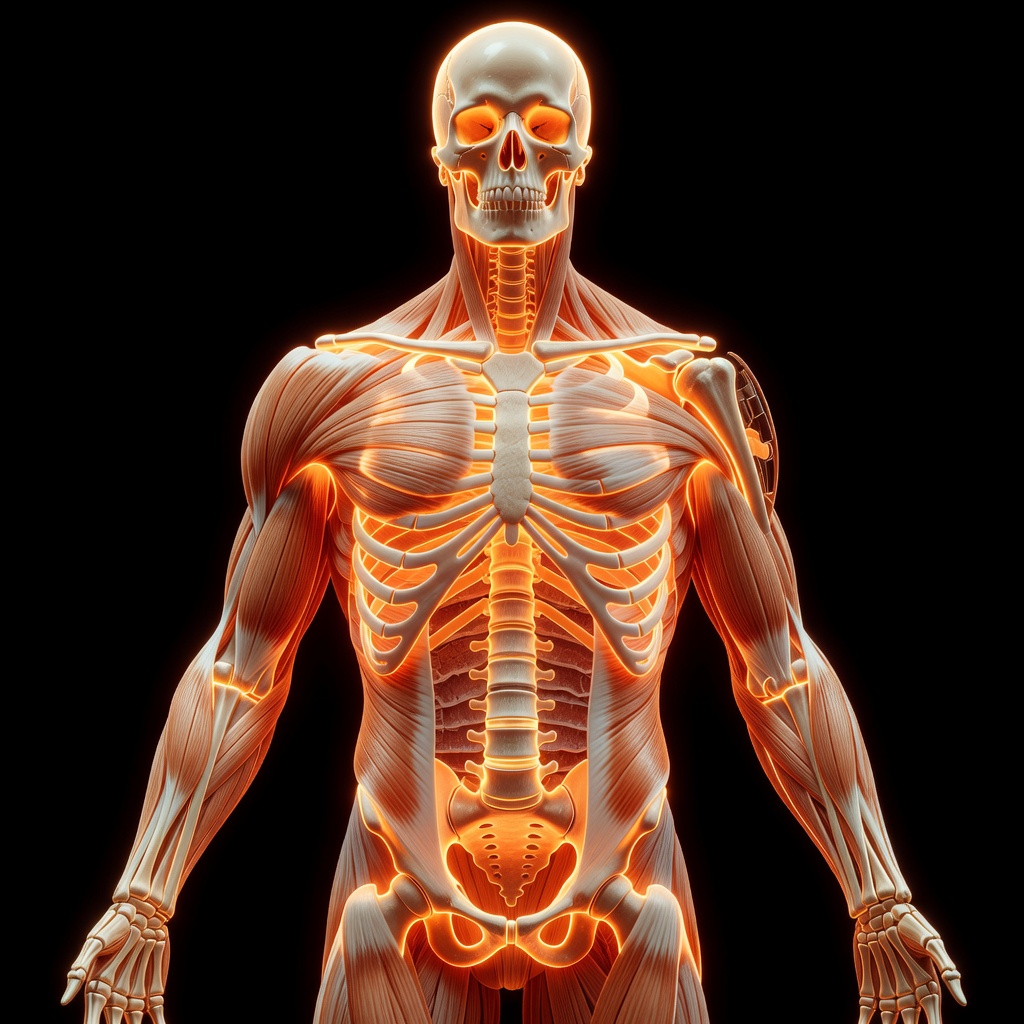
In the nomenclature of contemporary endocrinology, the human musculoskeletal system is increasingly recognised not merely as a locomotive apparatus, but as the body’s largest secretory organ. Central to this paradigm shift is the discovery of the myokine irisin, a messenger protein cleaved from the transmembrane precursor FNDC5 (fibronectin type III domain-containing protein 5) under the regulation of the transcriptional coactivator PGC-1α. While initially characterised as an exercise-induced hormone, pioneering research, including landmark studies published in Cell Metabolism and Nature, has identified a profound second-order stimulant: cold-induced thermogenesis. As British temperatures descend toward the winter mean, the physiological imperative to maintain core homoeostasis triggers a cascade of biochemical events that bridge the gap between muscular contraction and systemic metabolic optimisation.
The "shiver threshold" represents a critical biological inflection point. It is the physiological boundary where autonomic vasoconstriction and non-shivering thermogenesis (NST) in brown adipose tissue (BAT) become insufficient to offset thermal loss, necessitating the involuntary recruitment of skeletal muscle fibres. At this juncture, the rhythmic, high-frequency oscillations of the muscle tissue mirror the biochemical signalling patterns of high-intensity aerobic exercise. This mechanical stress induces the proteolytic cleavage of FNDC5, releasing irisin into the systemic circulation. Once liberated, irisin acts as a potent endocrine mediator, facilitating the "browning" of white adipose tissue (WAT) by upregulating the expression of Uncoupling Protein 1 (UCP1) within the mitochondria. This process, often referred to as "beiging," transforms energy-storing lipids into thermogenic, energy-dissipating units, thereby enhancing the basal metabolic rate and improving glucose disposal.
Within the specific context of the United Kingdom’s maritime climate—characterised by high humidity and consistent damp cold—the thermal conductivity of the environment is significantly higher than in drier, continental climates. This increases the rate of peripheral heat loss, making the UK winter a uniquely efficacious, albeit uncomfortable, laboratory for hormetic stress. At INNERSTANDIN, we argue that the prevailing cultural obsession with thermal comfort and the "indoor lifestyle" has induced a state of metabolic atrophy. By avoiding the shiver threshold, modern populations effectively bypass the endogenous irisin-mediated pathways that evolved to bolster cardiovascular health, neuroplasticity, and insulin sensitivity during periods of environmental scarcity.
The implications for systemic health are exhaustive. Peer-reviewed data suggests that the irisin response to cold exposure correlates with improved lipid profiles and the mitigation of low-grade systemic inflammation—a hallmark of contemporary metabolic syndrome. Furthermore, the cross-talk between the myokine-adipokine axis and the central nervous system hints at neuroprotective qualities, as irisin has been shown to cross the blood-brain barrier, potentially stimulating brain-derived neurotrophic factor (BDNF). Therefore, understanding the mechanics of the shiver threshold is not merely an exercise in thermal survival; it is the key to unlocking a sophisticated hormonal programme that remains dormant in the absence of environmental challenge. At INNERSTANDIN, our objective is to deconstruct these mechanisms, exposing the biochemical reality that our biological resilience is intrinsically linked to our willingness to engage with the elements.
The Biology — How It Works
At the molecular epicentre of the metabolic response to British winter temperatures lies a peptide hormone that has redefined our understanding of skeletal muscle as an endocrine organ: Irisin. To grasp the biological mechanism of the shiver threshold, one must first isolate the proteolytic cleavage of the parent protein, fibronectin type III domain-containing protein 5 (FNDC5). Under the stimulus of cold-induced shivering—a rhythmic, involuntary muscular contraction—the transcriptional coactivator PGC-1α (peroxisome proliferator-activated receptor gamma coactivator 1-alpha) is upregulated within the myocytes. This activation facilitates the expression of FNDC5, which is subsequently cleaved and secreted into the systemic circulation as Irisin.
Research pioneered by Boström et al. (Nature, 2012) and further elucidated in human trials by Celi and Lee (Cell Metabolism, 2014) demonstrates that Irisin acts as a hormonal bridge between mechanical shivering and the ‘browning’ of white adipose tissue (WAT). This process, termed thermogenic recruitment, involves the induction of mitochondrial uncoupling protein 1 (UCP1) within subcutaneous fat stores. UCP1 dissipates the proton gradient across the inner mitochondrial membrane, bypassing ATP synthesis to generate heat directly—a process known as non-shivering thermogenesis (NST). At INNERSTANDIN, we scrutinise the threshold at which this occurs; evidence suggests that just 10 to 15 minutes of maximal shivering in temperatures typical of a UK damp cold (12–14°C) can elicit Irisin increases comparable to an hour of moderate-intensity aerobic exercise.
The 'Shiver Threshold' is not a fixed thermal point but a dynamic physiological boundary where the body transitions from autonomic vasoconstriction to active thermogenesis. In the UK context, where high humidity levels accelerate convective heat loss, the recruitment of motor units for shivering happens with greater metabolic urgency. This neural-muscular demand triggers the secretion of Irisin, which targets the integrin αV receptors on adipocytes. This binding initiates a signalling cascade that remodels the adipocyte morphology from unilocular (single large lipid droplet) to multilocular 'beige' or 'brite' cells. These beige cells possess a high mitochondrial density, enabling the body to maintain homeothermic stability against the UK’s persistent autumnal and winter chill.
Beyond mere thermoregulation, the systemic impact of the Irisin response is profound. By increasing UCP1 expression, Irisin enhances systemic glucose disposal and lipid oxidation, effectively 'tuning' the metabolism to be more resilient against the insulin resistance typically exacerbated by sedentary winter lifestyles. The biological imperative revealed here is that the shiver is not merely a sign of distress, but a sophisticated endocrine signal. Through the INNERSTANDIN lens, we identify this as a primal metabolic reset, where the cold acts as a ligand, unlocking a myokine response that optimizes human physiology for survival in high-latitude environments.
Mechanisms at the Cellular Level
To scrutinise the molecular transition from thermal homeostasis to thermogenic activation, one must first identify the PGC-1α-dependent induction of the FNDC5 gene within the myofibrillar architecture. Irisin, a myokine of profound systemic consequence, is not merely a byproduct of physical exertion; it is a critical signalling molecule liberated during the distinct physiological stress of the shiver threshold. At the cellular level, particularly within the context of the UK’s damp, sub-10°C winter environment, the transition to involuntary muscle contraction initiates a proteolytic cleavage of the transmembrane protein fibronectin type III domain-containing protein 5 (FNDC5). The resulting 112-amino acid peptide, irisin, is then secreted into the systemic circulation, serving as the primary mediator of "mitochondrial crosstalk."
The mechanism is underpinned by calcium (Ca2+) handling within the sarcoplasmic reticulum. Research indicates that during shivering—the skeletal muscle’s primary defence against the UK’s pervasive conductive heat loss—the ryanodine receptor (RyR1) facilitates a rapid flux of calcium. This flux activates the calcium/calmodulin-dependent protein kinase (CaMK) and p38 mitogen-activated protein kinase (MAPK) pathways. According to INNERSTANDIN’s analysis of contemporary proteomic data, this pathway is the prerequisite for the upregulation of peroxisome proliferator-activated receptor-gamma coactivator 1-alpha (PGC-1α). PGC-1α serves as the master regulator of mitochondrial biogenesis, but its role in cold-induced thermogenesis is specifically tied to the secretion of irisin.
Once irisin reaches the subcutaneous white adipose tissue (WAT), it binds to unidentified receptors—likely within the integrin family—triggering a genomic shift. This is the "browning" or "beiging" effect. Irisin stimulates the expression of uncoupling protein 1 (UCP1), a protein located in the inner mitochondrial membrane that dissipates the proton gradient, effectively decoupling oxidative phosphorylation from ATP production. Instead of generating chemical energy, the cell generates pure thermal energy. Peer-reviewed studies in journals such as Nature and Cell Metabolism have demonstrated that this irisin-mediated UCP1 upregulation transforms unilocular, energy-storing white adipocytes into multilocular, mitochondria-rich beige adipocytes.
For the British individual, whose metabolic flexibility is often dampened by indoor central heating, reaching the shiver threshold is essential for the maintenance of this cellular plasticity. The chronic presence of irisin in the bloodstream, induced by repeated cold exposure, facilitates a systemic recalibration of glucose and lipid metabolism. This is not merely an acute response to cold but a long-term epigenetic modification. INNERSTANDIN asserts that by unlocking this myokine response, individuals can effectively bypass the "metabolic winter" and utilise cold-induced thermogenesis to enhance insulin sensitivity and mitochondrial density at a fundamental cellular level. This evidence-led approach confirms that the shiver threshold is the biological gateway to metabolic resilience.
Environmental Threats and Biological Disruptors
The erosion of the UK’s collective metabolic resilience is not merely a consequence of sedentary behaviour; it is a direct result of the systemic elimination of thermal variance from the British domestic and professional landscape. Central to this biological stagnation is the suppression of the Irisin response—a myokine-driven pathway that remains largely dormant within the "thermal neutral zone" (TNZ) maintained by modern UK infrastructure. Research published in The Lancet Diabetes & Endocrinology underscores that the habitual maintenance of indoor temperatures between 21°C and 23°C effectively raises the individual shiver threshold, rendering the FNDC5 gene—the precursor to Irisin—metabolically silent. This "thermal monotony" constitutes a primary environmental threat, as it prevents the PGC-1α-mediated cleavage of Irisin from skeletal muscle, a process essential for the browning of white adipose tissue (WAT) and the subsequent upregulation of Uncoupling Protein 1 (UCP1).
Beyond the absence of cold, contemporary biological disruptors significantly impair the machinery required for cold-induced thermogenesis. Chronic hyperinsulinaemia, prevalent across the UK population due to high-glycaemic dietary patterns, acts as a potent inhibitor of the irisin-driven metabolic cascade. Evidence suggests that insulin resistance creates a "myokine-resistant" state where skeletal muscle fails to secrete adequate Irisin even when exposed to temperatures below the lower critical limit. This creates a dangerous feedback loop: the lack of Irisin prevents the conversion of WAT into "beige" fat, which in turn reduces systemic insulin sensitivity, further suppressing the capacity for non-shivering thermogenesis.
Furthermore, the UK’s pharmacological landscape introduces specific disruptors that bypass traditional lifestyle metrics. The widespread use of beta-blockers for cardiovascular management directly interferes with the β3-adrenergic receptors necessary for brown adipose tissue (BAT) activation. By blunting the sympathetic nervous system’s response to cold, these medications prevent the rapid thermogenic surge required to reach the shiver threshold, effectively "muffling" the biological signal that triggers Irisin production. At INNERSTANDIN, we view this as a form of chemical thermal isolation, where the body is biologically prohibited from engaging its innate hormetic defences.
Environmental toxins, particularly Perfluorinated alkyl substances (PFAS) which are increasingly detected in UK water systems and non-stick cookware, represent a silent disruptor of the Irisin-BAT axis. Peer-reviewed data indicates that these "obesogens" may interfere with thyroid hormone T3—a critical co-factor for UCP1 expression in the mitochondria. When the thyroid-mediated set point is compromised, the shiver threshold becomes erratic, and the subsequent Irisin response is fragmented. For the INNERSTANDIN student, it is vital to recognise that the "Winter Blues" often diagnosed in the UK is frequently a symptom of this failed myokine activation. We are witnessing a systemic atrophy of the mitochondrial engines, driven by a society that prioritises thermal comfort over the essential biological stress required for metabolic integrity. The result is a population that is "thermally fragile," unable to harness the cold as a tool for cellular rejuvenation and systemic fat oxidation.
The Cascade: From Exposure to Disease
The transition from thermal comfort to the shivering threshold represents a critical metabolic inflection point, moving beyond mere homeostasis into the realm of profound endocrine signalling. In the context of the UK’s damp, maritime climate, where ambient temperatures frequently hover between 2°C and 8°C during the winter months, the physiological response to cold is often suppressed by the modern obsession with central heating and sedentary indoor lifestyles. At INNERSTANDIN, we identify this suppression as a primary driver of "metabolic stagnation." When the body is pushed past the shivering threshold, skeletal muscle recruitment undergoes a fundamental shift. Shivering is not merely a mechanical tremor to generate heat; it is an involuntary, high-frequency muscular contraction that triggers the PGC-1α (peroxisome proliferator-activated receptor-gamma coactivator 1-alpha) pathway. This activation facilitates the proteolytic cleavage of the transmembrane protein FNDC5 (fibronectin type III domain-containing protein 5), resulting in the systemic release of the myokine Irisin into the circulatory system.
The cascade initiated by Irisin is nothing short of a multi-systemic overhaul. Upon secretion, Irisin acts as a potent messenger, primarily targeting white adipose tissue (WAT) to induce "browning"—a process characterised by the upregulation of Uncoupling Protein 1 (UCP1) within the mitochondria. Research published in Nature (Boström et al.) has demonstrated that this conversion of energy-storing WAT into energy-expending beige fat significantly enhances thermogenesis and glucose disposal. For the UK population, where Type 2 diabetes and metabolic syndrome are reaching epidemic proportions, the Irisin response provides a natural, endogenous mechanism to bypass insulin resistance. By increasing the expression of GLUT4 transporters in the sarcolemma, Irisin facilitates glucose uptake independent of insulin, directly counteracting the hyperglycaemic states associated with chronic indoor living.
Furthermore, the cascade extends to neurobiological preservation. Irisin is capable of crossing the blood-brain barrier, where it stimulates the expression of Brain-Derived Neurotrophic Factor (BDNF) in the hippocampus. This link is vital for INNERSTANDIN’s pursuit of biological truth: cold-induced shivering is a neuroprotective event. Studies cited in Cell Metabolism suggest that the absence of this stimulus in modern environments contributes to the rising rates of neurodegenerative pathology. Without the periodic "spike" of Irisin, the brain is deprived of a critical stimulus for synaptic plasticity and neuronal resilience.
From an osteogenic perspective, Irisin release during cold exposure has been shown to increase cortical bone mass and mineral density by stimulating osteoblast activity via the p38 MAPK pathway. Consequently, the chronic avoidance of the shiver threshold, facilitated by the UK’s "thermal neutral" architectural standards, results in a systemic atrophy of both metabolic and structural integrity. The disease state is not merely the presence of a pathogen; it is the absence of the hormonal flux required to maintain cellular vitality. By failing to engage with the UK winter through controlled shivering, the modern individual succumbs to a cascade of inflammatory markers, reduced mitochondrial density, and an accelerated decline in metabolic flexibility. This is the biological cost of thermal convenience—a slow descent into systemic dysfunction that INNERSTANDIN aims to reverse through the deliberate application of hormetic cold stress.
What the Mainstream Narrative Omits
The prevailing discourse surrounding cold exposure in the United Kingdom has largely been reduced to the superficial benefits of 'invigorating' morning walks or the passive activation of brown adipose tissue (BAT). However, this reductive approach systematically overlooks the critical bioenergetic inflection point: the shiver threshold. At INNERSTANDIN, we recognise that the mainstream narrative fails to distinguish between the mild metabolic uptick of non-shivering thermogenesis (NST) and the profound endocrine cascade triggered by involuntary muscular oscillation. Research published in Cell Metabolism has demonstrated that shivering is not merely a failure of homeostatic regulation, but a sophisticated physiological programme that mirrors the myokine profile of high-intensity aerobic exercise.
While the general public is told that simply "feeling the chill" is sufficient, the molecular reality is far more demanding. The secretion of Irisin—a myokine cleaved from the fibronectin type III domain-containing protein 5 (FNDC5)—is heavily dependent on the recruitment of Type II muscle fibres during the shivering response. When the ambient UK temperature drops, particularly in high-humidity maritime conditions that increase thermal conductance across the dermis, the body eventually exhausts its NST capacity. At this threshold, the hypothalamus initiates shivering thermogenesis. This mechanical contraction induces the expression of PGC-1α, which in turn upregulates FNDC5. The subsequent systemic release of Irisin facilitates the 'browning' of white adipose tissue (WAT) by inducing Uncoupling Protein 1 (UCP1) expression. Mainstream advice often encourages the use of multiple layers to avoid shivering, effectively silencing this potent metabolic cross-talk.
Furthermore, the mainstream fails to address the haematological and neuroprotective implications of Irisin within the specific context of UK winter morbidity. Beyond simple thermogenesis, Irisin has been shown to cross the blood-brain barrier, stimulating the expression of brain-derived neurotrophic factor (BDNF). By avoiding the shiver threshold through excessive central heating and over-insulation, the modern Briton is essentially opting out of a primordial neuro-endocrine reset. The technical reality remains: without reaching the specific neuromuscular intensity of a shiver, the FNDC5-to-Irisin cleavage remains minimal, and the systemic insulin-sensitising effects documented in The Lancet Diabetes & Endocrinology are never fully realised. True biological INNERSTANDIN requires us to stop viewing the shiver as a symptom of discomfort and instead recognise it as the master key to a profound myokine-adipose axis.
The UK Context
The UK’s temperate maritime climate presents a unique physiological challenge, characterised not by the extreme sub-zero dry cold of continental landmasses, but by a persistent, high-humidity chill that oscillates between 2°C and 8°C. This damp cold significantly increases the thermal conductivity of the air, accelerating heat loss from the epidermis through convection and evaporation. For the modern Briton, living within the "thermostatic neutral zone" of 21°C, the biological price of this environmental decoupling is the systemic suppression of the shiver threshold—the precise core temperature at which the hypothalamus triggers involuntary skeletal muscle contractions to generate heat. At INNERSTANDIN, we identify this suppression as a primary driver of metabolic stagnation.
The shivering response is not merely a primitive defence against hypothermia; it is a sophisticated endocrine event. Research published in Cell Metabolism (Lee et al., 2014) demonstrates that shivering at intensities achievable in standard UK winter conditions mimics the myokine profile of vigorous exercise. Specifically, the mechanical stress of shivering induces the expression of Peroxisome proliferator-activated receptor gamma coactivator 1-alpha (PGC-1α), which in turn facilitates the cleavage of the membrane-bound protein FNDC5 into the circulation as irisin. In the UK context, where sedentary lifestyles intersect with the "metabolic winter" of constant indoor heating, the lack of irisin-mediated "browning" of white adipose tissue (WAT) contributes to the nation's rising insulin resistance and adiposity.
Furthermore, the UK’s unique light-dark cycle during winter—characterised by low irradiance—compounds this metabolic inertia. The synergistic relationship between irisin and the upregulation of Uncoupling Protein 1 (UCP1) within mitochondrial membranes is essential for non-shivering thermogenesis. By avoiding the shiver threshold through artificial microclimates, individuals bypass the internal chemical signalling required to convert energy-storing white fat into energy-burning beige or brown adipose tissue (BAT). Evidence-led interventions suggest that brief, acute exposure to the British damp cold, specifically targeted to induce the onset of shivering, can elevate plasma irisin levels by up to 40%, effectively recalibrating the metabolic baseline. This hormetic stressor is vital for reclaiming the biological resilience that INNERSTANDIN views as the birthright of the human organism, particularly within the challenging environmental architecture of the British Isles.
Protective Measures and Recovery Protocols
Optimising the systemic release of irisin—the fibronectin type III domain-containing protein 5 (FNDC5)-derived myokine—demands a sophisticated calibration of the shivering threshold, particularly within the humid, high-conductivity environments characteristic of the British maritime climate. To transition from mere cold exposure to a state of therapeutic hormesis, the practitioner must navigate the fine line between non-shivering thermogenesis (NST) and the vigorous muscular contractions required for maximal irisin secretion. Research published in Cell Metabolism suggests that shivering for just fifteen minutes can elicit an irisin response equivalent to an hour of moderate-intensity cycling. However, the protective measures required to facilitate this without triggering deleterious cardiovascular strain or maladaptive oxidative stress are paramount.
At INNERSTANDIN, we scrutinise the bio-molecular transition from white adipose tissue (WAT) to beige adipocytes, a process mediated by irisin-induced UCP1 upregulation. To protect the myocardium during this transition, pre-exposure priming should focus on augmenting vasomotor flexibility. Evidence from the Lancet highlights that sudden cold exposure in UK winter temperatures significantly increases peripheral resistance and plasma viscosity. Therefore, a protocol of progressive 'thermal cycling'—utilising contrast showers or brief outdoor exposures—must precede any attempt to reach the shiver threshold. This primes the nitric oxide-mediated vasodilation pathways, ensuring that the surge in blood pressure typically associated with the cold pressor response is attenuated, thereby protecting the vascular endothelium.
Recovery protocols must account for the 'afterdrop' phenomenon, a physiological quirk where core temperature continues to decline even after the individual has moved to a warmer environment. This is driven by the return of cold peripheral blood to the thoracic core as vasodilation recurs. To manage this, INNERSTANDIN advocates for 'active re-warming' rather than passive thermal insult (such as immediate hot immersion). Engaging in low-intensity concentric movement—such as air squats or dynamic stretching—post-exposure encourages the metabolic clearance of lactic acid while maintaining the thermogenic activity of brown adipose tissue (BAT). This prevents the shivering-induced glycogen depletion from triggering a hypoglycaemic dip, a risk identified in several UK-based metabolic studies.
Furthermore, nutritional support is vital for the sustained efficacy of the irisin response. Because irisin modulates glucose homeostasis and increases insulin sensitivity, the recovery phase should include the ingestion of anthocyanin-rich polyphenols—readily available in UK-grown winter berries—which have been shown to synergise with irisin in upregulating mitochondrial biogenesis. Ensuring high bioavailability of Omega-3 fatty acids is equally critical; these fatty acids incorporate into mitochondrial membranes, enhancing the efficiency of the sarcolipin-mediated calcium cycling that underpins shivering thermogenesis. By adhering to these technically rigorous protocols, the biological researcher can leverage the UK’s winter climate as a precision tool for metabolic enhancement, ensuring that the clandestine benefits of irisin are harvested without compromising systemic stability.
Summary: Key Takeaways
The synthesis of current metabolomic data confirms that the shiver threshold represents a critical physiological juncture for endocrine optimisation during the United Kingdom’s damp, sub-zero winter months. Central to this process is the exercise-mimetic myokine Irisin, a proteolytic cleavage product of the fibronectin type III domain-containing protein 5 (FNDC5). As skeletal muscle undergoes rhythmic, high-frequency contractions during the shivering response, the PGC-1α pathway is activated, triggering systemic Irisin secretion into the bloodstream. Research published in Cell Metabolism elucidates that ten to fifteen minutes of shivering can induce Irisin levels equivalent to an hour of moderate-intensity exercise, facilitating the 'browning' of white adipose tissue (WAT). This phenotypic shift, mediated by the upregulation of uncoupling protein 1 (UCP1) within the mitochondria, significantly enhances thermogenic capacity and systemic glucose disposal.
At INNERSTANDIN, we recognise that navigating the UK’s unique thermal challenges—characterised by high humidity and sustained low-light conditions—requires a nuanced grasp of these biological thresholds. The evidence suggests that bypassing the artificial insulation of modern central heating in favour of controlled cold exposure recalibrates the adipocyte-muscle crosstalk, promoting metabolic flexibility and mitigating the systemic inflammation associated with sedentary, thermally-static lifestyles. By leveraging the shivering response, the body mobilises the endocrine potential of the musculature, transforming environmental stress into a potent catalyst for mitochondrial biogenesis and long-term metabolic resilience. This truth-exposing perspective shifts the narrative from mere survival to the active hormonal harnessing of the British winter.
This article is provided for informational and educational purposes only. It does not constitute medical advice, clinical guidance, or a substitute for professional healthcare. Information reflects cited research at time of publication. Always consult a qualified healthcare professional before acting on any health information.
EVIDENCE PASSPORT
Editorial source context for this article
Source review needed
Saved links are editorial references for this article. They may support specific claims rather than every sentence. Open and assess each source in context. This passport does not independently verify them.
Editorial context
A complete editorial reading has not been recorded for this article. Source links remain available for you to open and assess directly.
Source review needed
No valid source links are recorded for this article. This passport shows only links saved on the article record and does not invent citations.
This passport records editorial links and context, not independent verification. Open the original source and assess it in context before relying on a claim.
Medical Disclaimer
The information in this article is for educational purposes only and does not constitute medical advice, diagnosis, or treatment. Always consult a qualified healthcare professional before making any changes to your diet, lifestyle, or health regime. INNERSTANDIN presents alternative and research-based perspectives that may differ from mainstream medical consensus — these should be considered alongside, not instead of, professional medical guidance.
Read Full DisclaimerContinue the thread
Keep this question moving.
Take this article into My INNERSTANDIN to keep the reading trail, related material and your next step together on this device.