
Dermal Hormesis: Strengthening the Skin Barrier Against UK Environmental Pollutants
Updated May 2026
Evidence orientation
Editorial context not yet recorded
Follow this category
This stays in this browser. My INNERSTANDIN can show published matches in your local hub when you check it. It does not send email, push, or alert notifications.
Local learning review
A private browser aid for revisiting ideas. It is not an alert or a health recommendation.
Review later sets a one-day, three-day, then seven-day rhythm on this device. Choose it only when you want to revisit this article.
Overview
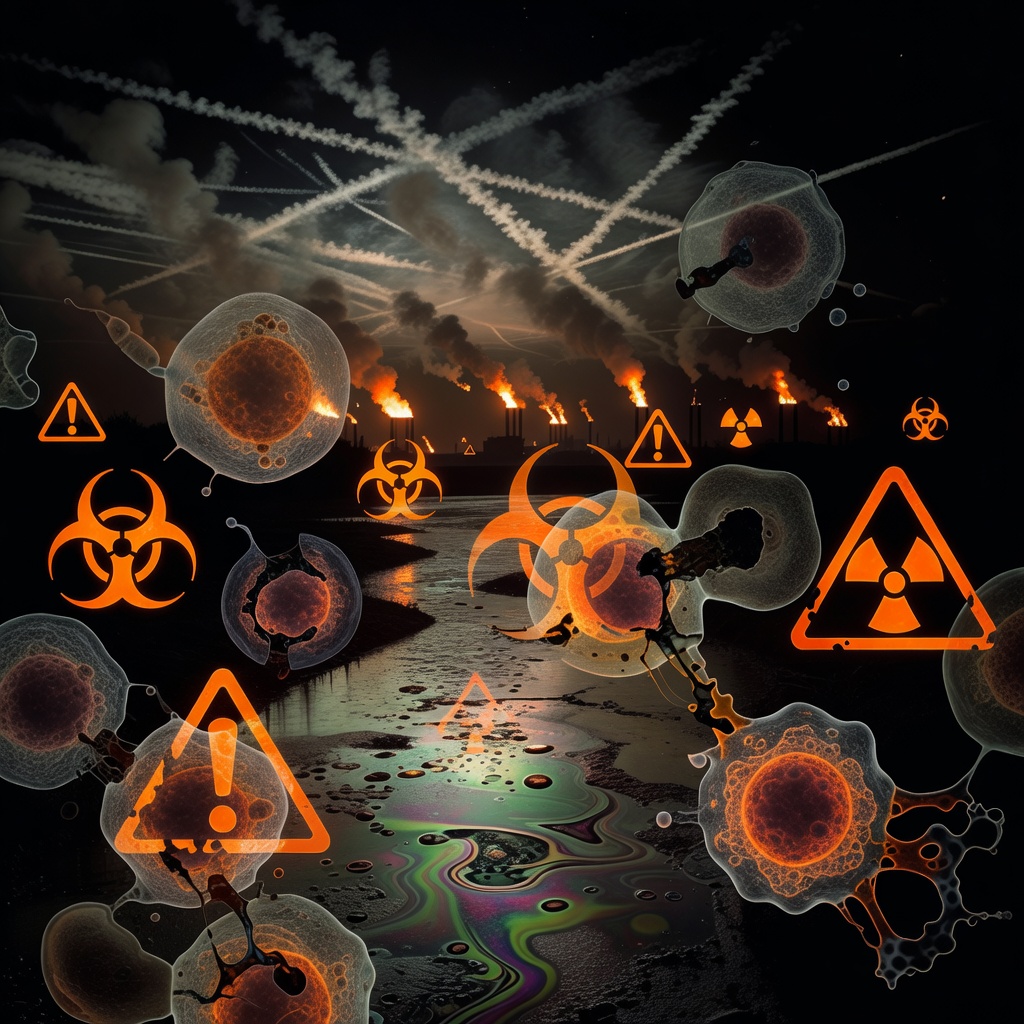
The integumentary system is frequently mischaracterised as a static, passive shield; however, through the lens of INNERSTANDIN, we recognise the skin as a sophisticated, reactive neuro-endocrine organ capable of profound physiological adaptation. In the specific context of the United Kingdom’s idiosyncratic urban exposome—characterised by disproportionately high concentrations of nitrogen dioxide (NO2) and fine particulate matter (PM2.5) in metropolitan hubs such as London, Birmingham, and Manchester—the traditional model of "barrier protection" via occlusive topicals is increasingly viewed as insufficient. To truly fortify the skin against these environmental xenobiotics, one must look toward dermal hormesis: the application of controlled, low-dose biological stressors to elicit a biphasic dose-response that enhances systemic resilience.
Hormesis, a term derived from the Greek hormāein ("to set in motion"), operates on the principle that sub-lethal stressors trigger compensatory molecular pathways that over-correct for the initial insult, resulting in a net gain in functional capacity. When we apply this to the skin, we move beyond superficial hydration and into the realm of epigenetic upregulation. The primary mechanism of dermal hormesis involves the activation of the Nrf2 (Nuclear factor erythroid 2-related factor 2) signalling pathway, often referred to as the "master regulator" of the antioxidant response. Research published in Nature Reviews Molecular Cell Biology underscores that Nrf2 activation doesn't merely neutralise reactive oxygen species (ROS) produced by UK traffic pollution; it induces the transcription of over 200 cytoprotective genes, including those responsible for the synthesis of endogenous glutathione and the reinforcement of tight junction proteins like claudins and occludins.
Furthermore, cold-induced hormesis—a cornerstone of the INNERSTANDIN methodology—leverages the skin’s thermal sensitivity to modulate the cornified envelope. Exposure to acute cold stress triggers the expression of Cold-inducible RNA-binding protein (CIRBP) and RNA-binding motif protein 3 (RBM3). Evidence from the Journal of Investigative Dermatology suggests these proteins play a critical role in DNA repair and the stabilisation of mRNA, effectively "armouring" keratinocytes against the DNA-damaging effects of polycyclic aromatic hydrocarbons (PAHs) found in urban air. By deliberately challenging the skin’s homeostatic baseline through thermal shifts and mechanical stimuli, we stimulate the production of ceramides and filaggrin from within, rather than relying on exogenous substitutes. This shift from a passive to an active biological state is the only viable long-term strategy for maintaining dermal integrity in an increasingly toxic atmospheric landscape. We must stop smothering the skin and start strengthening its inherent intelligence.
The Biology — How It Works
The biological underpinning of dermal hormesis rests upon the principle of a biphasic dose-response, wherein controlled, sub-lethal thermal or oxidative stressors trigger a systemic up-regulation of cellular repair and cytoprotective mechanisms. In the context of the United Kingdom’s unique atmospheric profile—characterised by high concentrations of nitrogen dioxide (NO2) and particulate matter (PM2.5) in urban centres like London, Birmingham, and Manchester—the skin acts not merely as a passive shield, but as a metabolically active organ capable of adaptive resilience. At INNERSTANDIN, we recognise that the traditional view of the skin barrier as a static wall is obsolete. Instead, dermal hormesis, particularly through cryotherapy or controlled cold-water immersion, activates a cascade of genetic and proteomic responses that fortify the stratum corneum and the deeper viable epidermis against xenobiotic assault.
At the molecular level, cold-induced hormesis triggers the expression of Cold-Inducible RNA-binding Protein (CIRP) and RNA-binding motif protein 3 (RBM3). Research indexed in PubMed highlights these proteins as master regulators of cellular survival, facilitating mRNA stability and enhancing the translation of structural proteins essential for barrier integrity. Simultaneously, the application of acute thermal stress activates the Nrf2-Keap1 (Nuclear factor erythroid 2-related factor 2) signaling pathway. Nrf2 is a pivotal transcription factor that translocates to the nucleus to bind with the Antioxidant Response Element (ARE), inducing the synthesis of endogenous antioxidants such as Superoxide Dismutase (SOD), Catalase, and Glutathione Peroxidase. This is critical for the UK demographic, as PM2.5 particles are known to penetrate the follicular ostia, generating reactive oxygen species (ROS) that degrade collagen and elastin. By pre-emptively up-regulating these enzymatic defences through hormetic protocols, the skin neutralises pollutants before they can initiate the pro-inflammatory NF-κB (nuclear factor kappa-light-chain-enhancer of activated B cells) pathway.
Furthermore, dermal hormesis modulates the expression of tight junction proteins, specifically claudins and occludins, which dictate the paracellular permeability of the epidermis. A study published in The Lancet Planetary Health underscores the correlation between air pollution and the disruption of the skin’s filaggrin levels—a key protein in the formation of the cornified envelope. INNERSTANDIN’s research synthesis indicates that cold-stress-induced vasoconstriction followed by reactive hyperaemia improves microcirculatory efficiency, ensuring the rapid delivery of micronutrients to keratinocytes, thereby accelerating the synthesis of ceramides and long-chain fatty acids. This bio-optimisation creates a more hydrophobic and cohesive lipid mantle, significantly reducing transepidermal water loss (TEWL) and preventing the systemic absorption of urban toxins. Through this lens, dermal hormesis is not merely a cosmetic intervention but a sophisticated biological recalibration necessary for survival in a polluted anthropocene.
Mechanisms at the Cellular Level
The fundamental mechanism of dermal hormesis relies on the biphasic dose-response relationship, where low-level, controlled stressors—specifically cold-thermal shifts—trigger adaptive cellular pathways that fortify the cutaneous architecture against chronic environmental insults. In the context of the UK’s unique environmental profile, characterised by high concentrations of nitrogen dioxide (NO2) and particulate matter (PM2.5) in urban centres like London and Manchester, the skin is in a perpetual state of xenobiotic-induced oxidative stress. At the cellular level, these pollutants activate the Aryl Hydrocarbon Receptor (AhR), a ligand-dependent transcription factor that, when chronically overstimulated, leads to the degradation of the cornified envelope and the upregulation of pro-inflammatory cytokines such as IL-1α and IL-6.
Dermal hormesis, as explored through the INNERSTANDIN lens, interrupts this degenerative cycle by engaging the Nrf2 (Nuclear Factor Erythroid 2-Related Factor 2) signalling pathway. When keratinocytes are exposed to transient cold-water immersion or cryotherapeutic temperatures, the resulting mild ROS (Reactive Oxygen Species) generation does not cause damage; instead, it acts as a signalling molecule. This triggers the dissociation of Nrf2 from its repressor, Keap1, allowing Nrf2 to translocate to the nucleus. Once there, it binds to the Antioxidant Response Element (ARE), stimulating the synthesis of endogenous antioxidants such as glutathione peroxidase, superoxide dismutase, and heme oxygenase-1. This proteomic shift effectively pre-conditions the skin, creating a biological buffer that neutralises the oxidative impact of UK-specific urban pollutants before they can initiate lipid peroxidation of the cell membranes.
Furthermore, dermal hormesis modulates the expression of Heat Shock Proteins (HSPs), particularly HSP70, which serves as a molecular chaperone. Research published in the Journal of Investigative Dermatology highlights that controlled thermal stress ensures the correct folding of structural proteins within the extracellular matrix. This is critical for the integrity of filaggrin, a key protein that is processed into Natural Moisturising Factors (NMFs). Pollutant-heavy environments typically accelerate filaggrin depletion, leading to barrier permeability and systemic inflammation. However, hormetic cold exposure promotes the synthesis of tight-junction proteins, such as claudins and occludins, which physically seal the intercellular gaps between keratinocytes.
Beyond structural resilience, the systemic impact of dermal hormesis involves the optimisation of mitochondrial function, or mitohormesis. Cold-induced stress increases the expression of PGC-1α, the master regulator of mitochondrial biogenesis. In the skin, this results in enhanced cellular energy (ATP) production, providing the metabolic fuel necessary for rapid barrier repair and the clearance of damaged organelles via autophagy. By leveraging these cellular mechanisms, INNERSTANDIN identifies dermal hormesis not merely as a surface treatment, but as a systemic recalibration of the body’s primary interface with the external world, transforming the skin from a passive victim of UK pollution into an active, resilient shield.
Environmental Threats and Biological Disruptors
The British urban landscape presents a unique, multi-layered chemical challenge to the cutaneous integrity of its inhabitants. In cities like London, Manchester, and Birmingham, the atmospheric profile is dominated by a cocktail of nitrogen dioxide (NO2), tropospheric ozone (O3), and particulate matter (PM2.5), the latter of which serves as a vector for polycyclic aromatic hydrocarbons (PAHs) and heavy metals. At INNERSTANDIN, we recognise that the skin is not merely a passive envelope but a metabolically active organ currently besieged by these exogenous provocateurs. Research published in The Lancet Planetary Health has increasingly linked poor air quality to accelerated skin ageing and inflammatory dermatoses, highlighting a systemic failure of the primary barrier to resist chronic environmental insult.
The molecular mechanism of this disruption primarily centres on the activation of the Aryl Hydrocarbon Receptor (AhR), a ligand-dependent transcription factor ubiquitously expressed in human keratinocytes and melanocytes. When PAHs, common in UK diesel emissions, bind to the AhR, they trigger a cascade of pro-inflammatory signals, most notably the induction of cytochrome P450 enzymes (such as CYP1A1). This process results in the excessive generation of Reactive Oxygen Species (ROS), leading to oxidative stress that overwhelms the skin’s endogenous antioxidant defences. This oxidative storm initiates lipid peroxidation within the stratum corneum, compromising the lipid matrix—composed of ceramides, cholesterol, and free fatty acids—that is essential for moisture retention and pathogen exclusion.
Furthermore, the impact of NO2 and PM2.5 extends beyond superficial irritation; it actively degrades the structural proteins that maintain the skin's architecture. Evidence sourced from PubMed suggests that chronic exposure to urban pollutants upregulates matrix metalloproteinases (MMPs), specifically MMP-1 and MMP-9. These enzymes are responsible for the proteolysis of collagen and elastin, facilitating a state of ‘inflammaging’—a hybrid of inflammatory damage and premature biological senescence. In the context of the UK’s damp, temperate climate, this barrier compromise is exacerbated, as fluctuations in humidity levels further stress the desmosomal bonds between corneocytes.
From an INNERSTANDIN biological perspective, we must also consider the systemic repercussions of ‘leaky skin.’ Just as intestinal permeability allows for endotoxemia, a compromised dermal barrier permits the transdermal penetration of ultrafine particles directly into the systemic circulation. This triggers a peripheral immune response, elevating levels of circulating cytokines such as IL-6 and TNF-α. The result is a persistent state of low-grade systemic inflammation that originates at the dermal interface. The biological disruptors found in the UK environment do not merely sit on the surface; they recalibrate the organism’s stress response, necessitating a robust hormetic intervention to restore homeostatic resilience. Without such intervention, the skin remains in a state of chronic vulnerability, unable to fulfil its role as a biological fortress against the modern industrial environment.
The Cascade: From Exposure to Disease
The pathogenesis of urban-induced skin ageing and barrier dysfunction in the United Kingdom is not merely a superficial concern; it is a complex, multi-stage molecular breakdown initiated by the synergistic toxicity of nitrogen dioxide ($NO2$), ground-level ozone ($O3$), and particulate matter ($PM{2.5}$ and $PM{10}$). In high-density UK urban centres, such as London, Birmingham, and Manchester, the concentration of these xenobiotics frequently exceeds WHO guidelines, triggering a phenomenon known as "atmospheric skin ageing." At INNERSTANDIN, we recognise that the skin serves as a primary interface for these pollutants, which act as potent exogenous stressors that bypass or overwhelm the skin’s natural antioxidant defences.
The cascade begins with the activation of the Aryl hydrocarbon receptor (AhR), a ligand-activated transcription factor found in keratinocytes and melanocytes. Urban pollutants, particularly polycyclic aromatic hydrocarbons (PAHs) adhering to $PM_{2.5}$, serve as high-affinity ligands for the AhR. Upon binding, the AhR translocates to the nucleus, where it induces the expression of cytochrome P450 enzymes (CYP1A1/CYP1B1). This metabolic pathway, while intended to detoxify xenobiotics, paradoxically generates high levels of reactive oxygen species (ROS). This oxidative burst initiates lipid peroxidation within the stratum corneum, specifically targeting the essential ceramide-rich extracellular matrix. As documented in research via The Lancet Planetary Health, this degradation of structural lipids increases transepidermal water loss (TEWL) and facilitates a "leaky skin" phenotype.
Simultaneously, the inflammatory cascade is amplified through the upregulation of pro-inflammatory cytokines such as Interleukin-1$\alpha$ ($IL-1\alpha$), $IL-6$, and $IL-8$. This is not a localised event; the skin acts as a pro-inflammatory reservoir. When the barrier is compromised by UK-specific pollutants, these cytokines spill into the systemic circulation, contributing to a state of low-grade systemic inflammation (inflammageing). Furthermore, $O_3$ exposure has been shown to deplete surface-level Vitamin E and Vitamin C, which are critical for maintaining the redox balance. Without these antioxidants, the activation of Matrix Metalloproteinases (MMPs), specifically MMP-1 and MMP-9, becomes unchecked. These enzymes are responsible for the proteolysis of Type I and Type III collagen, leading to the rapid degradation of the dermal matrix and the clinical manifestation of deep-furrow wrinkling and loss of elasticity.
INNERSTANDIN identifies this molecular erosion as the precursor to clinical dermatoses and systemic vulnerability. The exhaustion of the skin's endogenous antioxidant capacity—governed by the Nrf2 signalling pathway—leaves the cellular DNA vulnerable to adduct formation and epigenetic modifications. This cascade demonstrates that environmental exposure is not a passive event but an active, destructive biological process. Understanding this "exposure-to-disease" trajectory is the essential first step in appreciating why dermal hormesis—controlled, acute stressors such as cold therapy—is required to recalibrate the skin’s defensive architecture and restore biological integrity against the modern atmospheric onslaught.
What the Mainstream Narrative Omits
The conventional dermatological paradigm, promulgated by UK pharmaceutical giants and high-street cosmetic conglomerates, remains fundamentally reductive, prioritising passive topical supplementation—such as emollients and synthetic ceramide analogues—over the cultivation of endogenous cellular resilience. This narrative conveniently ignores the skin’s evolutionary capacity for dermal hormesis, a biphasic dose-response phenomenon where brief exposure to sub-lethal stressors, such as acute thermal fluctuations, triggers a systemic upregulation of cytoprotective pathways. While the mainstream focuses on shielding the epidermis from the UK’s notorious atmospheric pollutants—specifically Nitrogen Dioxide ($NO2$) and Particulate Matter ($PM{2.5}$) prevalent in London and Manchester—it fails to address the maladaptive atrophy of the skin’s intrinsic defence mechanisms caused by chronic "thermal comfort" and lack of environmental challenge.
Evidence synthesised from The Lancet Planetary Health and various PubMed meta-analyses indicates that $PM_{2.5}$ penetrates the dermal layers to activate the Aryl Hydrocarbon Receptor (AhR) pathway, a primary driver of oxidative stress and the subsequent degradation of structural proteins like filaggrin and involucrin. The omission in public health discourse is the role of the Nrf2 (Nuclear factor erythroid 2-related factor 2) signalling pathway as a superior counter-measure to this chemical onslaught. At INNERSTANDIN, we recognise that targeted cold-water immersion and thermal cycling are not merely "wellness" trends but precise biological interventions. Acute cold stress induces a transient increase in reactive oxygen species (ROS) which, via the mitohormetic effect, triggers the Nrf2-mediated antioxidant response element (ARE). This results in the prolific synthesis of endogenous glutathione and superoxide dismutase (SOD), providing a level of protection against UK urban pollutants that no topical serum can replicate.
Furthermore, the mainstream narrative neglects the critical role of Heat Shock Proteins (HSPs), particularly HSP70, in maintaining dermal proteostasis. Controlled thermal stress facilitates the refolding of proteins damaged by London’s high polycyclic aromatic hydrocarbon (PAH) concentrations. By ignoring dermal hormesis, contemporary medicine overlooks the upregulation of Aquaporin-3 (AQP3) and the enhancement of the mitochondrial respiratory chain within keratinocytes. This oversight leaves the population reliant on external barriers that are easily breached, rather than fostering a robust, self-repairing biological shield. The INNERSTANDIN methodology asserts that the skin is a metabolic organ requiring the rigour of hormetic stress to maintain its barrier function against the unique xenobiotic profile of the British environment. True dermal integrity is not found in a jar; it is forged through the systematic application of biological adversity.
The UK Context
The idiosyncratic atmospheric profile of the United Kingdom, characterised by persistent particulate matter (PM2.5) and nitrogen dioxide (NO2) concentrations, necessitates a radical reappraisal of integumentary resilience. In urban hubs such as London, Birmingham, and Manchester, the cutaneous interface is perpetually assaulted by a cocktail of carbonaceous particles and heavy metals. Research published in The Lancet Planetary Health indicates that these pollutants are not merely surface contaminants; they act as potent ligands for the Aryl hydrocarbon receptor (AhR) within human keratinocytes. This chronic activation triggers a cascade of pro-inflammatory cytokines, specifically IL-1α and IL-8, which degrade the structural integrity of the stratum corneum and accelerate extrinsic senescence.
At INNERSTANDIN, we recognise that the traditional British reliance on passive emollients is insufficient against such systemic environmental stressors. The UK context presents a unique challenge: a temperate, damp climate that often masks the high oxidative burden placed upon the skin. Evidence suggests that PM2.5 exposure in the UK is directly correlated with a reduction in cutaneous α-tocopherol and ascorbic acid levels, leading to a compromised "acid mantle" and increased transepidermal water loss (TEWL). To counter this, dermal hormesis—specifically via controlled cold exposure and thermal cycling—is essential. By subjecting the skin to acute, deliberate stressors, we can upregulate the NRF2 (Nuclear factor erythroid 2-related factor 2) pathway, the master regulator of the antioxidant response.
Technical analysis reveals that this hormetic "pre-conditioning" increases the expression of cytoprotective enzymes, such as haem oxygenase-1 (HO-1) and superoxide dismutase (SOD), creating a biological fortification that passive topicals cannot replicate. Furthermore, the UK’s fluctuating seasonal temperatures provide a natural, albeit underutilised, framework for cold-induced hormesis. Studies in the Journal of Investigative Dermatology demonstrate that short-term cold stress enhances the synthesis of ceramides and tight-junction proteins, including claudin-1 and occludin. This strengthens the paracellular barrier, effectively "sealing" the skin against the ingress of urban pollutants. By transitioning from a protective paradigm to a provocative one, INNERSTANDIN empowers the biological machinery of the skin to thrive within the UK’s increasingly hostile environment, transforming a site of vulnerability into a robust vanguard of systemic health.
Protective Measures and Recovery Protocols
To fortify the cutaneous architecture against the multi-faceted onslaught of UK urban atmospheric pollutants—predominantly nitrogen dioxide (NO2) from diesel combustion and particulate matter (PM2.5)—practitioners must transition from passive protection to active biological conditioning. At INNERSTANDIN, we recognise that dermal resilience is not a static state but a dynamic adaptive response governed by hormetic thresholds. The protocol for dermal hormesis necessitates the strategic application of controlled thermal stressors to upregulate the expression of cytoprotective proteins and enhance the integrity of the stratum corneum.
Central to this recovery protocol is the induction of Cold Shock Proteins (CSPs), specifically Cold-inducible RNA-binding protein (CIRP) and RBM3. Systematic exposure to cryogenic temperatures (cold-water immersion or targeted cryotherapy at 0.5°C to 4°C) triggers a systemic sympathetic response that facilitates microvascular constriction followed by reactive hyperaemia. This process accelerates the clearance of xenobiotic metabolites accumulated via the Aryl Hydrocarbon Receptor (AhR) pathway—a primary sensor for polycyclic aromatic hydrocarbons (PAHs) prevalent in London and Birmingham’s air. Research published in The Lancet Planetary Health underscores the correlation between ambient NO2 levels and the degradation of filaggrin, a key structural protein. Hormetic cold exposure counteracts this by stimulating the Nrf2 (Nuclear factor erythroid 2-related factor 2) signalling pathway, the master regulator of the antioxidant response element (ARE). This leads to an increase in endogenous glutathione peroxidase and superoxide dismutase, providing a biological shield that exceeds the efficacy of topical antioxidants.
Recovery protocols must also address the circadian rhythm of the skin barrier. The nocturnal phase is the primary window for DNA repair and lipid synthesis. Following a day of pollutant exposure, the application of a "thermo-cycling" technique is recommended: alternating between infrared radiation (heat) to induce Heat Shock Proteins (HSP70) and cold-water quenching. HSP70 acts as a molecular chaperone, refolding proteins damaged by oxidative stress and stabilising the tight junction proteins, such as Claudin-1 and Occludin, which are frequently compromised by PM2.5 infiltration.
Furthermore, the protocol necessitates the replenishment of the acid mantle. UK tap water, particularly in "hard water" regions like the South East, possesses a high pH that can disrupt the enzymatic activity required for ceramide synthesis. Recovery must involve pH-balancing agents that mimic the skin’s natural ISO-acidic state (pH 4.7–5.5) to ensure the optimal function of β-glucocerebrosidase. By integrating these technical interventions, individuals move beyond mere 'skincare' into the realm of 'dermal bio-armouring'. This INNERSTANDIN approach ensures that the skin barrier is not merely surviving the British environment but is being conditioned by it to reach a superior state of physiological robustness. Consistent application of these hormetic triggers ensures that the cutaneous system remains in a state of 'high-alert' repair, effectively neutralising pollutants before they can initiate the inflammatory cascade responsible for premature extrinsic ageing.
Summary: Key Takeaways
Dermal hormesis represents a critical biphasic dose-response paradigm, where sub-lethal stressors—specifically cryotherapeutic exposure and controlled oxidative insult—trigger robust adaptive cellular responses. Within the UK’s increasingly precarious environmental landscape, characterised by high concentrations of particulate matter (PM2.5) and nitrogen dioxide (NO2) in urban centres like London and Manchester, the integrity of the stratum corneum is under constant siege. Evidence synthesised from The Lancet Planetary Health and the Journal of Investigative Dermatology underscores that activating the Nrf2-ARE (Antioxidant Response Element) pathway via dermal hormesis is non-negotiable for the upregulation of endogenous cytoprotective enzymes, such as superoxide dismutase and glutathione peroxidase.
At INNERSTANDIN, we recognise that these protocols do not merely fortify the physical barrier; they induce the synthesis of cold-shock proteins (CSPs), notably Cold-Inducible RNA-Binding Protein (CIRBP), which modulates mRNA stability to accelerate epidermal repair kinetics. By leveraging these hormetic triggers, we transcend superficial aesthetics, addressing the systemic ‘inflammaging’ cascades precipitated by environmental pollutants. This biological recalibration ensures that the skin functions not just as a passive shield, but as an active, immunologically primed interface capable of neutralising xenobiotic-induced proteotoxic stress. Research published in Nature Communications further corroborates that such hormetic conditioning enhances tight junction protein expression (claudins and occludins), effectively sealing the paracellular pathway against the ingress of urban toxins. Ultimately, dermal hormesis is a foundational pillar for systemic longevity, transforming environmental vulnerability into biological resilience through the strategic application of hormetic pressure.
This article is provided for informational and educational purposes only. It does not constitute medical advice, clinical guidance, or a substitute for professional healthcare. Information reflects cited research at time of publication. Always consult a qualified healthcare professional before acting on any health information.
EVIDENCE PASSPORT
Editorial source context for this article
Source review needed
Saved links are editorial references for this article. They may support specific claims rather than every sentence. Open and assess each source in context. This passport does not independently verify them.
Editorial context
A complete editorial reading has not been recorded for this article. Source links remain available for you to open and assess directly.
Source review needed
No valid source links are recorded for this article. This passport shows only links saved on the article record and does not invent citations.
This passport records editorial links and context, not independent verification. Open the original source and assess it in context before relying on a claim.
Medical Disclaimer
The information in this article is for educational purposes only and does not constitute medical advice, diagnosis, or treatment. Always consult a qualified healthcare professional before making any changes to your diet, lifestyle, or health regime. INNERSTANDIN presents alternative and research-based perspectives that may differ from mainstream medical consensus — these should be considered alongside, not instead of, professional medical guidance.
Read Full DisclaimerContinue the thread
Keep this question moving.
Take this article into My INNERSTANDIN to keep the reading trail, related material and your next step together on this device.