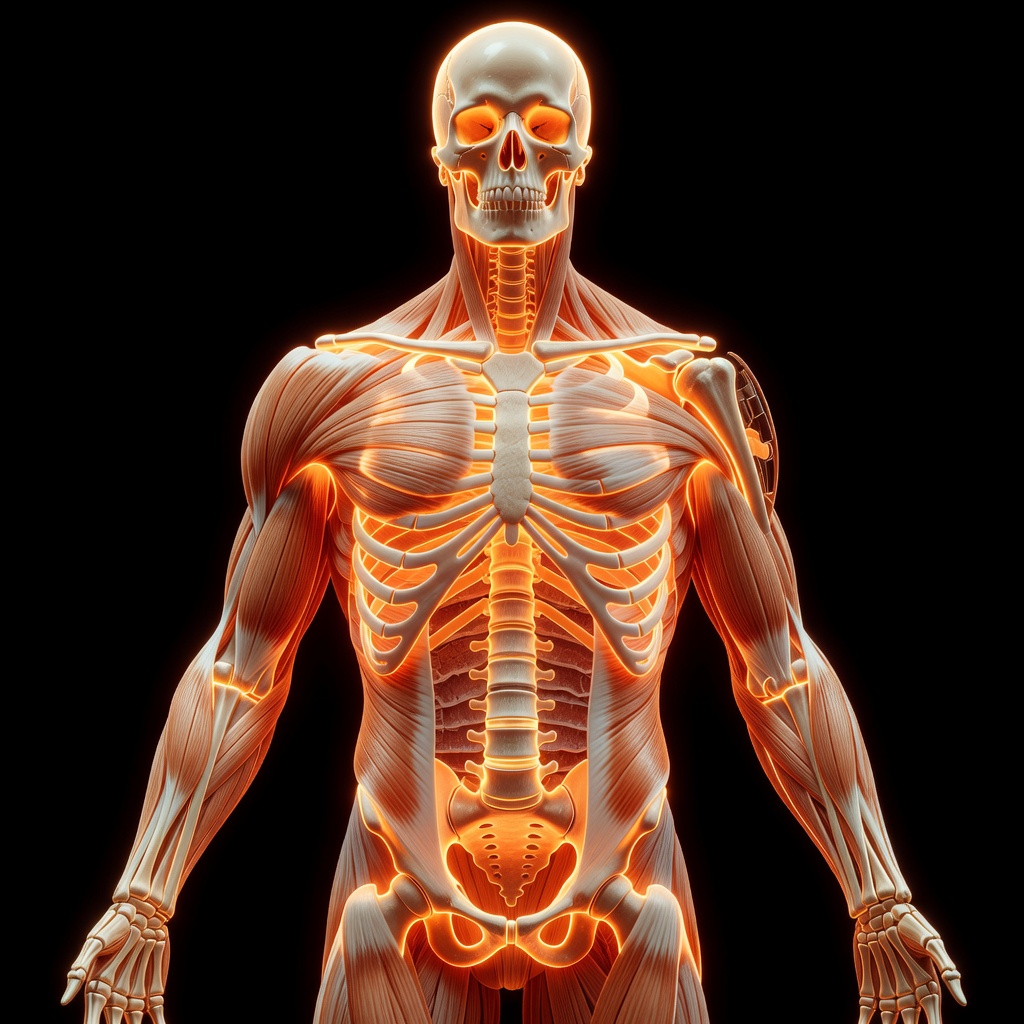
Ceruloplasmin and Ferroxidase Activity: The Bioavailability Crisis of Postpartum Copper-Iron Dysregulation
An in-depth exploration of the biochemical relationship between copper, iron, and ceruloplasmin in the postpartum period, explaining why functional iron deficiency often persists despite supplementation.
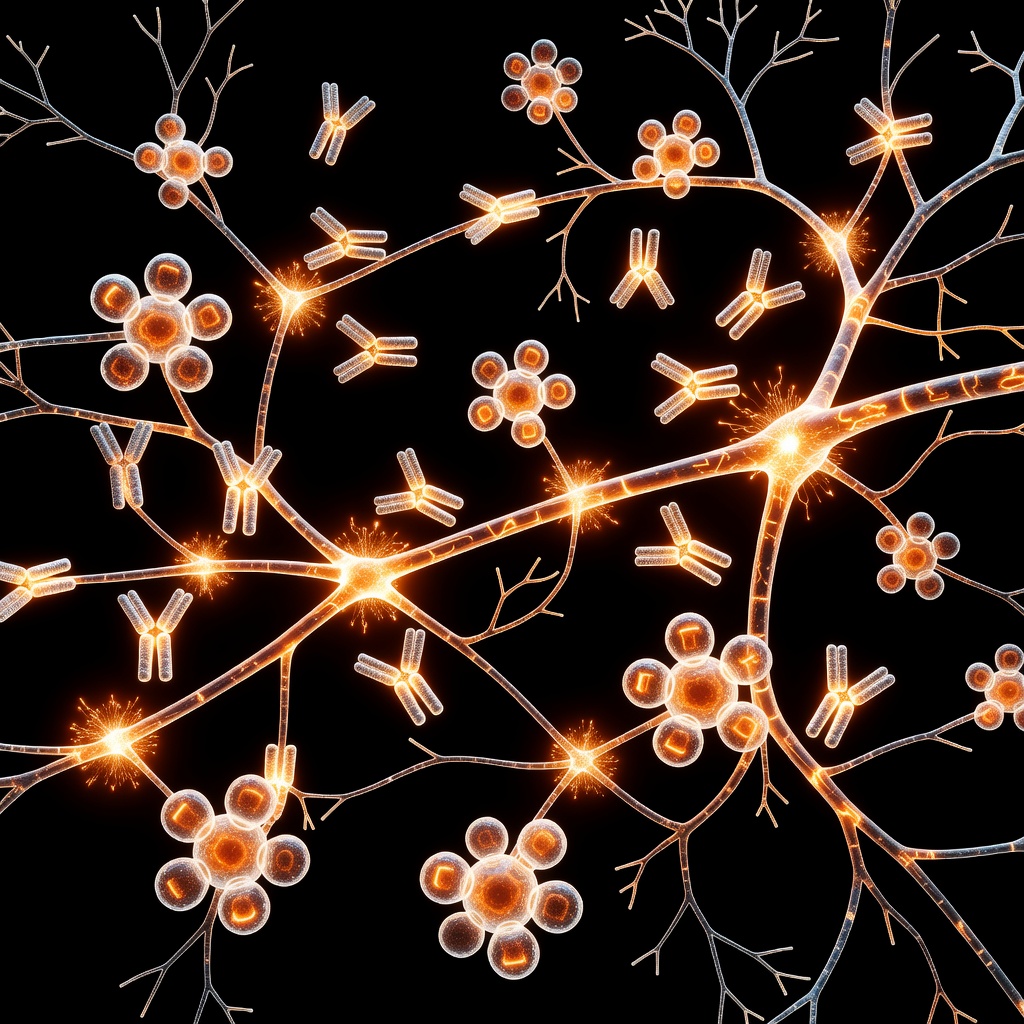
# Ceruloplasmin and Ferroxidase Activity: The Bioavailability Crisis of Postpartum Copper-Iron Dysregulation\n\n## Introduction: The Postpartum Exhaustion Mystery\n\nPostpartum fatigue is frequently dismissed as an inevitable byproduct of sleep deprivation and the demands of newborn care. However, for many mothers, this exhaustion persists long after a rhythm has been established, often accompanied by brain fog, hair loss, and mood instability. When these mothers seek medical advice, they are almost universally screened for iron deficiency. If their ferritin is low, they are prescribed high-dose synthetic iron supplements. Yet, a significant portion of these women find that their symptoms do not improve, or even worsen, despite rising blood iron levels. \n\nAt INNERSTANDING, we believe in looking at the root-cause architecture of the body.
The missing link in the postpartum recovery conversation is not a lack of minerals, but a crisis of mineral bioavailability. Specifically, the breakdown of the copper-iron metabolic bridge, governed by the enzyme ceruloplasmin and its ferroxidase activity, is at the heart of the postpartum depletion epidemic.\n\n## The Ceruloplasmin Connection: Copper’s Vital Role\n\nCopper is often unfairly maligned in wellness circles as a 'toxic' metal. In reality, copper is one of the most critical elements for energy production. However, copper cannot perform its duties as a lone agent; it must be 'chaperoned' or bound to specific proteins to be functional and safe. The most important of these is ceruloplasmin.\n\nCeruloplasmin is a multi-copper ferroxidase enzyme produced primarily in the liver and, to a lesser extent, in the brain and lungs.
It carries approximately 95% of the copper in the plasma. Far from being a mere transport vehicle, ceruloplasmin is a master metabolic regulator. Its primary role is to serve as a catalyst for iron metabolism. Without adequate, functional ceruloplasmin, the body cannot manage iron effectively, regardless of how much iron is consumed through diet or supplements.\n\n## Ferroxidase Activity: The Key to Iron Mobilisation\n\nTo understand the postpartum crisis, one must understand 'ferroxidase activity.' Iron exists in two primary states in the body: ferrous (Fe2+) and ferric (Fe3+). Ferrous iron is the form found in the cells and tissues, but it is highly reactive and can cause significant oxidative damage if left unchecked.
To be safely transported through the bloodstream to the bone marrow for the production of red blood cells, iron must be converted into its ferric (Fe3+) state so it can bind to transferrin, the iron transport protein.\n\nThis conversion—from ferrous to ferric—is performed by the ferroxidase activity of ceruloplasmin. If ceruloplasmin levels are low, or if the ceruloplasmin is 'apo' (meaning it lacks the copper atoms needed to be functional), this conversion cannot happen. The result is a physiological 'traffic jam': iron becomes stuck in the tissues (liver, spleen, and bone marrow) and cannot reach the blood. This creates a deceptive clinical picture: the mother appears 'anemic' on a blood test, but her tissues are actually overloaded with iron. This is not an iron deficiency; it is an iron recycling failure.\n\n## The Postpartum Bioavailability Crisis\n\nDuring pregnancy, the female body undergoes a massive physiological shift.
Estrogen levels skyrocket, which naturally causes copper levels to rise to support fetal vascular development and collagen synthesis. After birth, as estrogen plummets, the body must 'clear' or redistribute this copper. This transition requires a robust liver and healthy adrenal glands.\n\nHowever, the modern postpartum experience is often defined by high stress, nutritional depletion, and environmental toxins. If the mother's adrenals are exhausted or her liver is sluggish, she cannot produce enough ceruloplasmin to bind the liberated copper. This leads to two simultaneous problems: \n\n1. Unbound Copper Toxicity: Copper that is not bound to ceruloplasmin becomes 'biounavailable' and pro-oxidative, leading to the 'copper dump' symptoms of anxiety, racing thoughts, and skin issues. \n2. Functional Iron Deficiency: Because there is no functional ceruloplasmin to provide ferroxidase activity, iron cannot be mobilized.
Albedextrin – Specialist Cyclodextrin Complex
Albedextrin is a high-grade cyclodextrin complex designed to support systemic clarity and cellular efficiency when integrated into a structured nutritional protocol. This specialist formula offers a targeted approach to managing internal balance for those committed to deep-level health maintenance.
Vetting Notes
Pending
The mother feels the crushing weight of anemia (low energy, shortness of breath) while her internal organs suffer from the oxidative stress of sequestered iron.\n\n## The Problem with Traditional Iron Supplementation\n\nWhen a postpartum mother in this state is given synthetic iron (such as ferrous sulfate), it often acts like pouring petrol on a fire. Because the ferroxidase 'bridge' is broken, the body cannot use this supplemental iron. Instead, the iron accumulates in the gut, feeding pathogenic bacteria and causing constipation, or it enters the tissues and reacts with the 'unbound' copper to create hydroxyl radicals—the most damaging form of oxidative stress known to biology. This is why many mothers feel significantly worse on iron supplements, experiencing increased fatigue and 'brain fog.'\n\n## Root Causes: Why Ceruloplasmin Fails\n\nTo restore postpartum vitality, we must address why ceruloplasmin activity is low in the first place. Several factors are usually at play:\n\n* Vitamin A (Retinol) Deficiency: Retinol is the 'spark plug' for ceruloplasmin.
Without adequate preformed Vitamin A (found in animal fats like liver, butter, and egg yolks), the liver cannot load copper into the ceruloplasmin protein. Many mothers are told to rely on beta-carotene from plants, which is poorly converted to true Retinol.\n* Adrenal Burnout: The adrenal glands produce the signals that tell the liver to synthesize ceruloplasmin. Chronic postpartum stress and lack of sleep keep the body in a 'fight or flight' state, which suppresses ceruloplasmin production.\n* Ascorbic Acid Excess: High doses of synthetic Vitamin C (ascorbic acid) can actually decouple copper from ceruloplasmin, reducing ferroxidase activity. At INNERSTANDING, we advocate for whole-food Vitamin C complexes which contain the enzyme tyrosinase (a copper-based enzyme).\n* Mineral Antagonism: High-dose zinc supplementation (common in 'immune-boosting' protocols) can block copper absorption, further depleting the raw materials needed for ceruloplasmin.\n\n## Restoring Mineral Harmony\n\nMoving from a state of depletion to one of 'innerstanding' requires a shift in strategy. Instead of chasing isolated mineral markers, we must support the system of iron recirculation. \n\nFirst, prioritize bioavailable copper and retinol.
This includes traditional nourishing foods such as organic beef liver (the most concentrated source of both), wild-caught shellfish, and grass-fed butter. These foods provide the co-factors necessary to 'turn on' the ferroxidase activity.\n\nSecond, support the adrenal-liver axis. This involves managing the 'internal' stress of blood sugar dysregulation. Frequent, mineral-rich meals (including the 'Adrenal Cocktail' of potassium, sodium, and whole-food Vitamin C) can signal to the body that it is safe to resume normal metabolic functions, including the production of transport proteins.\n\nFinally, move away from synthetic isolates. Replace synthetic iron and ascorbic acid with whole-food alternatives that the body recognizes.
This allows the body to restore the delicate copper-iron balance naturally, without the risk of oxidative damage.\n\n## Conclusion: Reclaiming Postpartum Vitality\n\nThe postpartum 'bioavailability crisis' is a call to look beyond the surface of standard blood panels. True recovery is not found in a bottle of iron pills, but in the restoration of the body’s complex enzymatic systems. By understanding the role of ceruloplasmin and ferroxidase activity, we can empower mothers to move past the cycle of depletion and reclaim their health, energy, and vibrancy through root-cause nourishment.", "tags": ["Postpartum Health", "Copper Toxicity", "Iron Dysregulation", "Ceruloplasmin", "Nutritional Depletion", "Metabolic Health", "Retinol", "Bioavailability"], "reading_time": 8}
This article is provided for informational and educational purposes only. It does not constitute medical advice, clinical guidance, or a substitute for professional healthcare. Information reflects cited research at time of publication. Always consult a qualified healthcare professional before acting on any health information.
RESEARCH FOUNDATIONS
Biological Credibility Archive
Citations provided for educational reference. Verify via PubMed or institutional databases.
Medical Disclaimer
The information in this article is for educational purposes only and does not constitute medical advice, diagnosis, or treatment. Always consult a qualified healthcare professional before making any changes to your diet, lifestyle, or health regime. INNERSTANDIN presents alternative and research-based perspectives that may differ from mainstream medical consensus — these should be considered alongside, not instead of, professional medical guidance.
Read Full DisclaimerReady to learn more?
Continue your journey through our classified biological research.
DISCUSSION ROOM
Members of THE COLLECTIVE discussing "Ceruloplasmin and Ferroxidase Activity: The Bioavailability Crisis of Postpartum Copper-Iron Dysregulation"
SILENT CHANNEL
Be the first to discuss this article. Your insight could help others understand these biological concepts deeper.
THE ARSENAL
Based on Postpartum Health & Nutritional Depletion — products curated by our research team for educational relevance and biological support.
Magnesium Blend – The Most Important Mineral
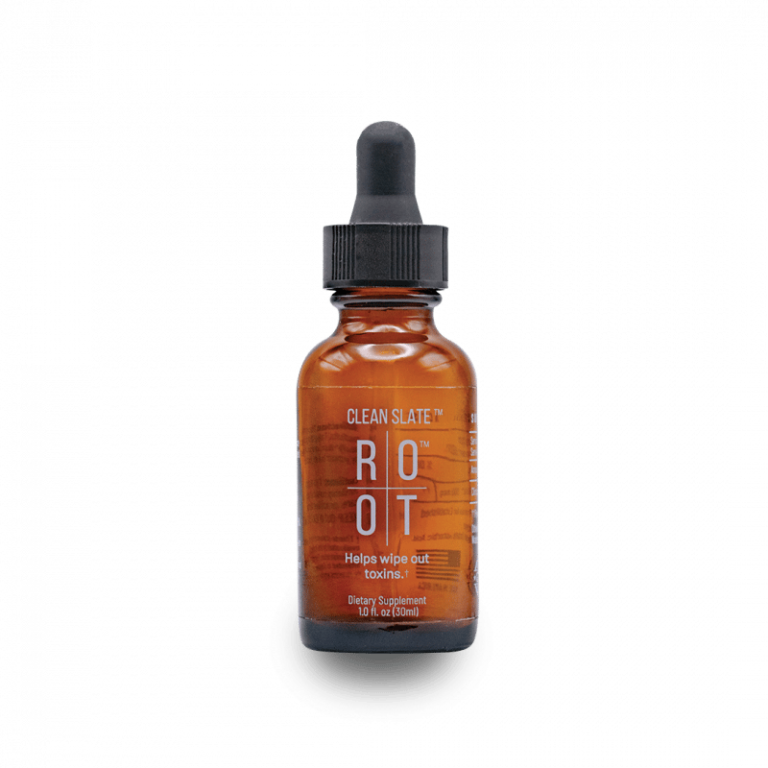
Clean Slate – Detoxes thousands of chemicals,heavy metals, pesticides, allergens, mold spores and fungus
Albedextrin – Specialist Cyclodextrin Complex
INNERSTANDING may earn a commission on purchases made through these links. All products are selected based on rigorous educational relevance to our biological research.
RABBIT HOLE
Follow the biological thread deeper