The Cortisol-Prolactin Axis: How Chronic Postpartum Stress Accelerates Maternal Mitochondrial Dysfunction
This article explores the biochemical interplay between stress hormones and cellular energy production, detailing how the disruption of the Cortisol-Prolactin axis leads to mitochondrial failure and long-term postpartum depletion.
# The Cortisol-Prolactin Axis: How Chronic Postpartum Stress Accelerates Maternal Mitochondrial Dysfunction ## The Postpartum Metabolic Marathon The transition into motherhood is a monumental physiological event, often likened to a metabolic marathon that lasts far beyond the day of delivery. In the United Kingdom, where postnatal care is often limited to a few brief check-ups, the long-term biochemical health of the mother can be overlooked. At the heart of maternal health lies a complex interplay between the endocrine and energy-producing systems of the body. Specifically, the relationship between cortisol (the stress hormone) and prolactin (the hormone of lactation and maternal bonding) creates a hormonal axis that dictates cellular energy production. When this axis is disrupted by chronic stress, the result is a precipitous decline in mitochondrial function, leading to what is commonly known as postpartum depletion. ## Defining the Cortisol-Prolactin Axis Prolactin is primarily known for its role in milk production, but in the context of evolutionary biology, it is a metabolic governor.
It modulates immune function, reduces the systemic stress response, and facilitates the transport of nutrients into cells. Under normal circumstances, prolactin helps the mother remain calm and metabolically efficient. Cortisol, produced by the adrenal glands via the Hypothalamic-Pituitary-Adrenal (HPA) axis, is the body's primary response to perceived threats. In the postpartum environment—characterized by sleep deprivation, physical healing, and emotional adjustments—cortisol levels are naturally elevated. However, when this elevation becomes chronic, it begins to antagonize prolactin.
High cortisol levels inhibit the release and the receptor sensitivity of prolactin, effectively breaking the 'calm' system of the mother and shifting her into a state of perpetual high-alert. This shift has devastating consequences for the mitochondria. ## Mitochondrial Dysfunction: The Cellular Engine Failure Mitochondria are the organelles responsible for producing Adenosine Triphosphate (ATP), the energy currency of the cell. They are also the primary sensors of the cellular environment. Chronic hypercortisolemia acts as a signal of environmental danger to the mitochondria. In response, mitochondria shift from energy production to a 'cell danger response.' This shift reduces the efficiency of the Electron Transport Chain (ETC), leading to a decrease in ATP output and an increase in the production of Reactive Oxygen Species (ROS).
For the postpartum mother, this means that even when she does find time to rest, her cells are unable to generate the energy required for repair. This mitochondrial 'stalling' is a primary driver of the deep-seated fatigue and cognitive impairment often labeled as 'baby brain.' Furthermore, because mitochondria are inherited maternally and are highly concentrated in the brain and heart, this dysfunction can manifest as both emotional volatility and physical exhaustion. ## The Vicious Cycle of Nutritional Depletion The operation of the Cortisol-Prolactin axis and the maintenance of mitochondrial health are nutrient-intensive processes. To produce cortisol, the adrenal glands require significant amounts of Vitamin C, Vitamin B5 (pantothenic acid), and Magnesium. Simultaneously, the mitochondria require a suite of cofactors to process oxygen and nutrients into energy, including Coenzyme Q10 (CoQ10), B-vitamins (particularly Riboflavin and Niacin), Zinc, and Selenium. Chronic stress creates a 'biological drain' on these resources.
As the mother's body prioritizes the stress response, it siphons these nutrients away from other vital functions. This creates a vicious cycle: stress depletes the nutrients needed for mitochondrial function, and failing mitochondria make the body more sensitive to stress. In the UK, common dietary gaps in Omega-3 fatty acids and Vitamin D3 further exacerbate this state, as these nutrients are essential for dampening systemic inflammation and supporting hormonal signaling. ## Beyond the Surface: Long-Term Health Implications If the Cortisol-Prolactin axis is not restored, the long-term implications for maternal health are significant. Mitochondrial dysfunction is a precursor to a variety of chronic conditions. The inability to regulate the stress response effectively can lead to thyroid dysregulation, as the HPA axis and the Hypothalamic-Pituitary-Thyroid (HPT) axis are closely linked.
Additionally, the oxidative stress generated by 'leaky' mitochondria can trigger low-grade systemic inflammation, which is a known risk factor for autoimmune conditions and postpartum mood disorders. Addressing the root cause requires a move away from the 'wait and see' approach to maternal health. It requires an active restoration of the mother's biochemical reserves. ## Integrative Strategies for Restoration To heal the Cortisol-Prolactin axis, we must address both the hormonal signaling and the cellular machinery. First, nervous system regulation is paramount. Practices that increase vagal tone can help lower the cortisol floor, allowing prolactin to regain its metabolic influence.
Second, targeted nutritional therapy is essential. This involves the use of high-quality, bioavailable magnesium (such as magnesium glycinate) to support both the adrenals and the mitochondria. Supplementing with a methylated B-complex can provide the necessary cofactors for the Krebs cycle, while antioxidants like CoQ10 and Glutathione precursors can help neutralize the ROS damaging mitochondrial membranes. Finally, the use of adaptogenic herbs like Ashwagandha or Reishi can provide a 'buffer' for the HPA axis, helping the body to navigate the demands of motherhood without triggering a full-scale metabolic shutdown. ## Conclusion The health of a mother is the foundation of the health of her family. By recognizing the critical role of the Cortisol-Prolactin Axis and the impact of chronic stress on mitochondrial function, we can provide more effective, root-cause support for women in the postpartum period.
It is time to shift the conversation from simply 'getting through' the fourth trimester to actively nourishing the maternal body at a cellular level.
This article is provided for informational and educational purposes only. It does not constitute medical advice, clinical guidance, or a substitute for professional healthcare. Information reflects cited research at time of publication. Always consult a qualified healthcare professional before acting on any health information.
RESEARCH FOUNDATIONS
Biological Credibility Archive
Citations provided for educational reference. Verify via PubMed or institutional databases.
Medical Disclaimer
The information in this article is for educational purposes only and does not constitute medical advice, diagnosis, or treatment. Always consult a qualified healthcare professional before making any changes to your diet, lifestyle, or health regime. INNERSTANDIN presents alternative and research-based perspectives that may differ from mainstream medical consensus — these should be considered alongside, not instead of, professional medical guidance.
Read Full DisclaimerReady to learn more?
Continue your journey through our classified biological research.
THE ARSENAL
Based on Postpartum Health & Nutritional Depletion — products curated by our research team for educational relevance and biological support.

Fulvic Minerals – Natural Rare Earth Minerals. The essential trace elements missing from modern processed foods.
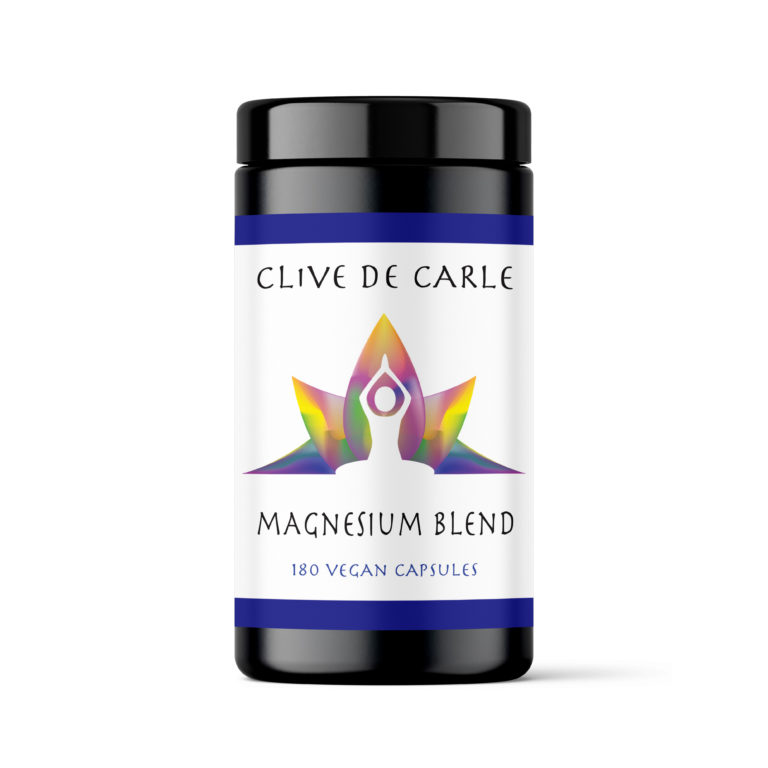
Magnesium Blend – The Most Important Mineral

Clean Slate – Detoxes thousands of chemicals,heavy metals, pesticides, allergens, mold spores and fungus
INNERSTANDING may earn a commission on purchases made through these links. All products are selected based on rigorous educational relevance to our biological research.
RABBIT HOLE
Follow the biological thread deeper