
The Cholesterol Conversion Paradox: Restoring the CYP7A1 Pathway
Published April 2026
While mainstream medicine focuses on blocking cholesterol production through statins, the most biological way to manage cholesterol is to ensure its efficient conversion into bile acids via the CYP7A1 enzyme. This article explores the rate-limiting steps of bile synthesis and the nutritional co-factors required for its success. We analyze why 'high cholesterol' is often a symptom of sluggish biliary output rather than overproduction.
Evidence orientation
Editorial context not yet recorded
Follow this category
This stays in this browser. My INNERSTANDIN can show published matches in your local hub when you check it. It does not send email, push, or alert notifications.
Local learning review
A private browser aid for revisiting ideas. It is not an alert or a health recommendation.
Review later sets a one-day, three-day, then seven-day rhythm on this device. Choose it only when you want to revisit this article.
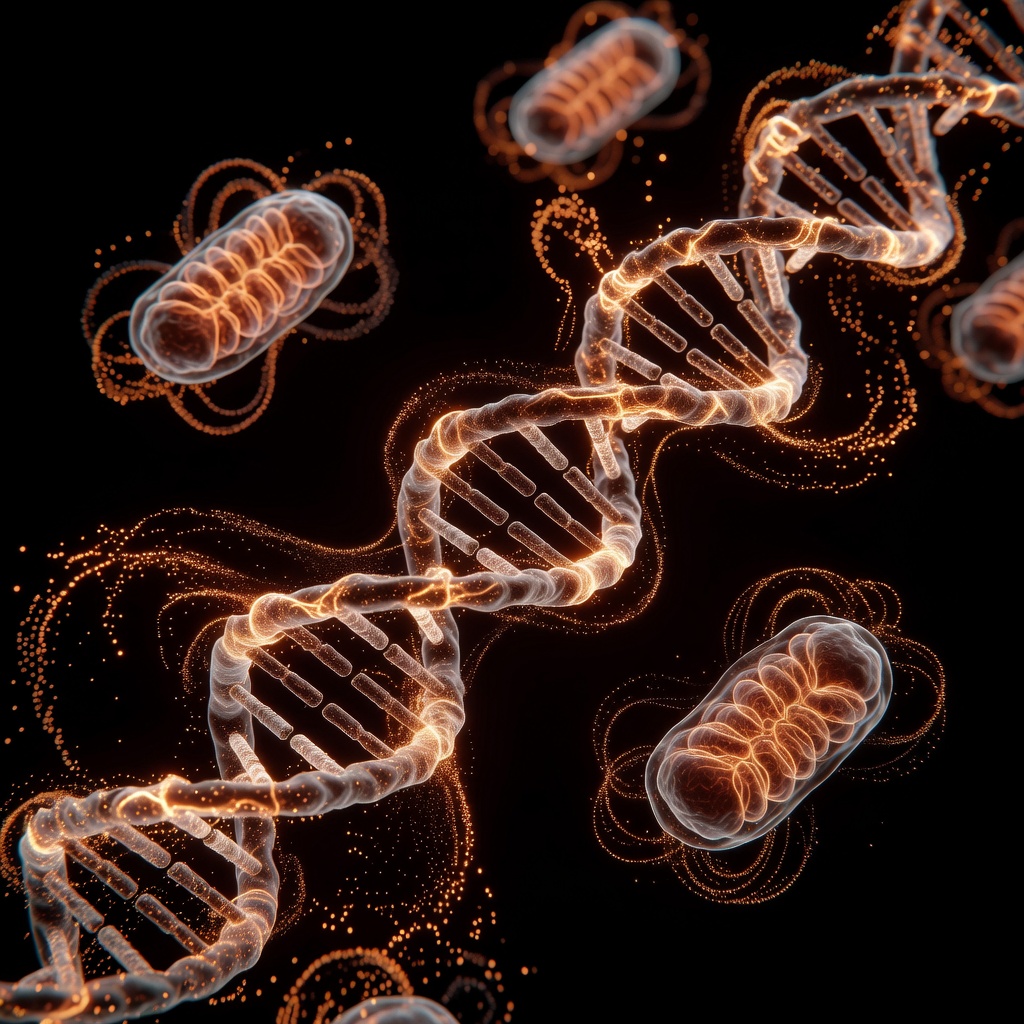
The pharmaceutical industry has built an empire on the premise that the liver's production of cholesterol must be inhibited at all costs. Yet, cholesterol is the essential precursor to vitamin D, steroid hormones, and, most crucially, bile acids. In fact, the synthesis of bile acids is the only significant pathway the human body has for eliminating excess cholesterol. This process is governed by the enzyme cholesterol 7-alpha-hydroxylase, or CYP7A1. This enzyme is the rate-limiting step in the 'neutral pathway' of bile acid synthesis, converting cholesterol into 7-alpha-hydroxycholesterol.
When the CYP7A1 pathway is functioning optimally, the body naturally regulates its cholesterol levels by 'flushing' the excess into the digestive tract as bile. However, when this pathway is sluggish, cholesterol backs up in the liver and the bloodstream. This is the 'Cholesterol Conversion Paradox': high serum cholesterol is often not a result of eating too much fat or the liver 'malfunctioning' by making too much, but rather a failure of the liver to convert that cholesterol into bile. Several factors inhibit CYP7A1, including high levels of insulin (hyperinsulinemia), inflammation, and the feedback inhibition from a 'congested' enterohepatic cycle where too much bile is being reabsorbed. Conversely, certain nutrients are vital co-factors for this conversion.
Vitamin C is a well-documented requirement for the 7-alpha-hydroxylation of cholesterol; studies in animals have shown that vitamin C deficiency leads to a rapid accumulation of cholesterol in the liver and a decrease in bile acid production. Similarly, taurine is required for the conjugation of bile acids, making them soluble and ready for excretion. Without enough taurine, the bile becomes 'thick' and prone to stagnation, which further signals the liver to downregulate CYP7A1. Mainstream lipid panels provide a snapshot of the blood but tell us nothing about this conversion efficiency. To truly manage cardiovascular risk, we must look at the 'biliary flow' and the nutritional status of the liver.
Practical strategies for restoring the CYP7A1 pathway include optimizing vitamin C and taurine levels, reducing the insulin load through a low-glycemic diet, and utilizing bitter herbs that stimulate the 'choleretic' effect—the actual production of bile. By focusing on the conversion of cholesterol into its functional byproduct, we work with the body's biology instead of against its fundamental biochemistry.
This article is provided for informational and educational purposes only. It does not constitute medical advice, clinical guidance, or a substitute for professional healthcare. Information reflects cited research at time of publication. Always consult a qualified healthcare professional before acting on any health information.
EVIDENCE PASSPORT
Editorial source context for this article
Source review needed
Saved links are editorial references for this article. They may support specific claims rather than every sentence. Open and assess each source in context. This passport does not independently verify them.
Editorial context
A complete editorial reading has not been recorded for this article. Source links remain available for you to open and assess directly.
Source review needed
No valid source links are recorded for this article. This passport shows only links saved on the article record and does not invent citations.
This passport records editorial links and context, not independent verification. Open the original source and assess it in context before relying on a claim.
Medical Disclaimer
The information in this article is for educational purposes only and does not constitute medical advice, diagnosis, or treatment. Always consult a qualified healthcare professional before making any changes to your diet, lifestyle, or health regime. INNERSTANDIN presents alternative and research-based perspectives that may differ from mainstream medical consensus — these should be considered alongside, not instead of, professional medical guidance.
Read Full DisclaimerContinue the thread
Keep this question moving.
Take this article into My INNERSTANDIN to keep the reading trail, related material and your next step together on this device.
Explore this in the Body Map
See where this hits your biology. Interactive anatomy, threats, and protective protocols.
Dig deeper in the Library
Free, longform PDF volumes that go beyond headlines into mechanisms and references.