
Circadian Biology and the Mast Cell: Why Sleep Disruption Exacerbate Histamine Release Patterns
Updated April 2026
Evidence orientation
Editorial context not yet recorded
Follow this category
This stays in this browser. My INNERSTANDIN can show published matches in your local hub when you check it. It does not send email, push, or alert notifications.
Local learning review
A private browser aid for revisiting ideas. It is not an alert or a health recommendation.
Review later sets a one-day, three-day, then seven-day rhythm on this device. Choose it only when you want to revisit this article.
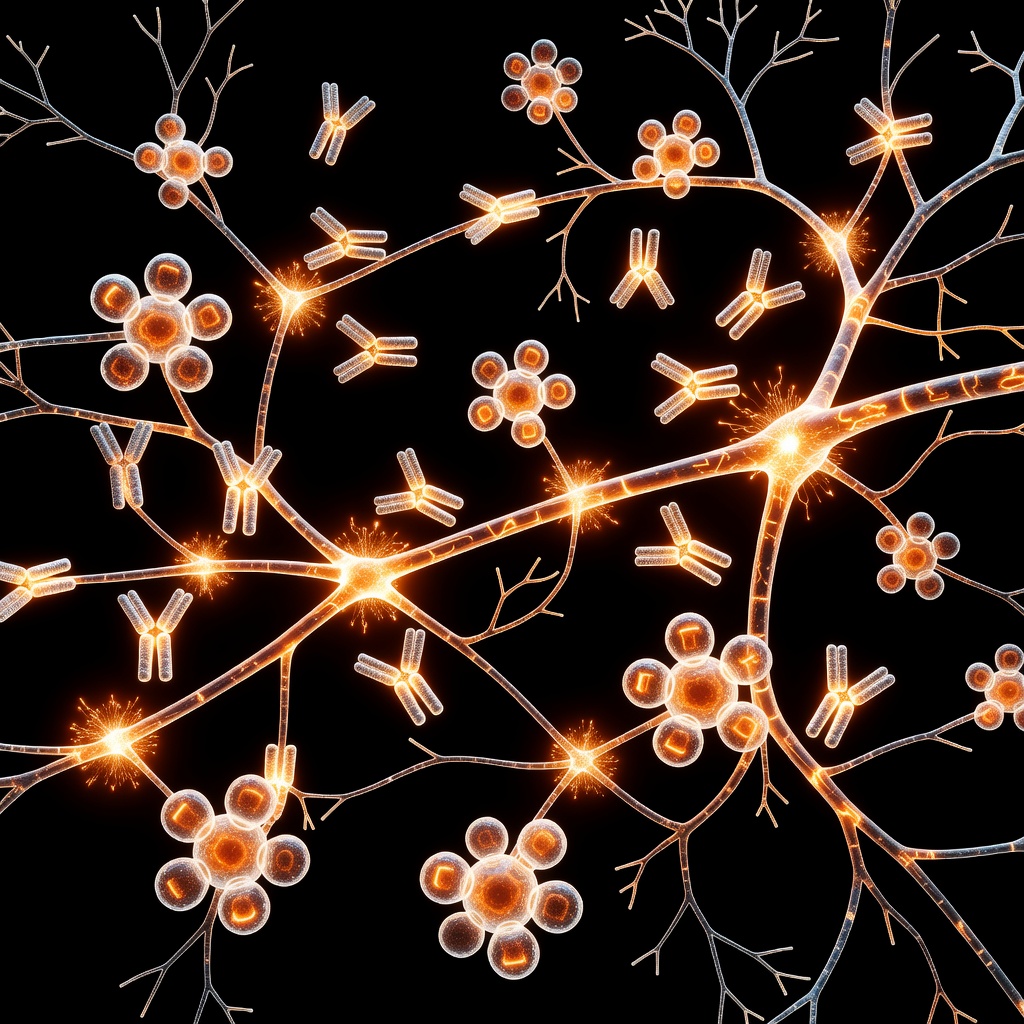
The modern world is increasingly out of step with the biological imperatives that have governed human health for millennia. For those grappling with Histamine Intolerance (HIT) and Mast Cell Activation Syndrome (MCAS), this "temporal friction" is more than an inconvenience; it is a fundamental driver of systemic inflammation. While much of the discourse surrounding histamine focuses on low-histamine diets and enzymatic support, a critical variable remains overlooked: the circadian rhythm.
In this INNERSTANDING deep dive, we expose the intricate relationship between our internal biological clocks and the mast cell, revealing why sleep disruption is not just a symptom of histamine issues, but a primary cause of their exacerbation.
The Master Clock and the Sentinel Cell
To understand why timing matters, we must first define the players. Every cell in the human body contains a "molecular clock," coordinated by the Suprachiasmatic Nucleus (SCN) in the brain—our "Master Clock." This system ensures that physiological processes occur at the optimal time of day.
Mast cells are the sentinels of the innate immune system. Stationed at the interfaces between our internal environment and the outside world (the skin, gut, and lungs), they are primed to release a cocktail of inflammatory mediators, most notably histamine, in response to perceived threats.
The revelation of modern Circadian Biology is that mast cells are not chaotic actors. They are highly rhythmic.
Key Fact: Research has confirmed that mast cells possess intrinsic CLOCK genes (Circadian Locomotor Output Cycles Kaput). This means their sensitivity to triggers and their capacity to release histamine fluctuate according to a 24-hour cycle.
Biological Mechanisms: The Histamine-Sleep Loop
The relationship between sleep and histamine is bidirectional and governed by a delicate feedback loop. When this loop is broken, a "histamine storm" is often the result.
1. The Biphasic Nature of Histamine
In the brain, histamine is a vital neurotransmitter responsible for wakefulness, alertness, and cognitive function. Under normal conditions, histamine levels should rise sharply in the morning to "wake up" the brain and drop to their lowest levels at night to allow for deep, restorative sleep.
However, in individuals with Mast Cell Activation, this rhythm is often inverted or flattened. If mast cells degranulate (release their contents) late at night due to circadian disruption, the resulting spike in brain histamine prevents the transition into REM and deep sleep stages.
2. CLOCK Genes and Degranulation Thresholds
The "threshold" at which a mast cell decides to release its cargo is not static. Studies indicate that PER2 (Period 2) and Bmal1—two core circadian proteins—directly regulate mast cell stability.
- During the biological day: The mast cell is generally more stable.
- During the biological night: The mast cell becomes more "twitchy" or reactive.
If you are awake when you should be sleeping, or if you are exposed to "daytime" stimuli (like blue light) at 11:00 PM, you effectively lower the mast cell’s firing threshold. This leads to nocturnal degranulation, causing night sweats, racing heart, and insomnia.
3. The Role of Cortisol and Melatonin
Cortisol is a natural mast cell stabiliser. It peaks in the morning (the Cortisol Awakening Response) and tapers off in the evening. Melatonin, the hormone of darkness, also has immunomodulatory effects that help keep mast cells in check. Sleep disruption—whether from shift work, blue light, or late-night stress—flattens the cortisol curve and suppresses melatonin. Without these hormonal "brakes," mast cells are left unregulated, leading to excessive histamine release.
The UK Context: A Rhythmic Crisis
In the United Kingdom, the challenges of circadian health are particularly acute. Our geographical position and modern infrastructure create a perfect storm for mast cell dysfunction.
The High-Latitude Dilemma
In the UK, the dramatic seasonal shift in daylight hours (from 16 hours in summer to barely 7 in winter) makes it difficult for the SCN to remain synchronised. During the dark British winters, the lack of high-intensity morning sunlight leads to "circadian drift," where the body’s internal timing desynchronises from the solar day. For those with MCAS, this drift manifests as seasonal flares of "allergic" symptoms that are actually rhythmic failures.
The "Light-Polluted" Isles
The UK is one of the most light-polluted regions in Europe. From the orange glow of old sodium streetlights to the harsh blue-white of modern LEDs in London, Manchester, and Birmingham, British citizens are rarely in true darkness.
Key Fact: The NHS reports that nearly 1 in 3 people in the UK suffer from poor sleep. For the histamine-sensitive population, this statistic is a precursor to chronic illness, as light pollution directly inhibits the Diamine Oxidase (DAO) enzyme's rhythmic efficiency.
Environmental Factors Driving Disruption
If we are to "innerstand" this condition, we must look at the exogenous factors that hijack our circadian biology and agitate our mast cells.
- Blue Light Exposure: Artificial Light At Night (ALAN) from smartphones and tablets mimics the sun's midday spectrum. This signals the SCN to suppress melatonin and stimulates the release of histamine to maintain alertness, precisely when the body needs to be clearing it.
- Electromagnetic Fields (EMFs): Emerging research suggests that mast cells are sensitive to non-ionising radiation. Exposure to high-intensity Wi-Fi and cellular signals, particularly at night, can trigger calcium channel signalling in mast cells, leading to "leaky" membranes and histamine leakage.
- Meal Timing (The Second Clock): The gut has its own circadian rhythm. Eating high-histamine foods (like aged cheeses or wine) late at night is a double blow. The gut’s ability to produce DAO fluctuates; it is less efficient at night, meaning late-night histamine loads are more likely to enter systemic circulation.
- Temperature Dysregulation: The body must drop its core temperature to initiate sleep. Histamine is a vasodilator and a thermogenic agent. A histamine spike at night raises body temperature, causing the "itchy and hot" sensation that prevents sleep, further disrupting the circadian cycle.
Protective Strategies: Re-aligning the Sentinel
To manage Histamine Intolerance, we must look beyond the plate and start looking at the sky and the clock. Here are authoritative strategies to stabilise mast cells through circadian hygiene.
1. Anchor the Morning
The most powerful way to stabilise mast cells is to "set" the master clock early.
- Seek 10–30 minutes of natural sunlight within an hour of waking. Even on a cloudy British morning, the lux levels are significantly higher than indoor lighting.
- This triggers the timely release of cortisol, which acts as a systemic anti-inflammatory for the day ahead.
2. Implement a "Digital Sundown"
To prevent nocturnal histamine release:
- Use Amber-tinted blue light blocking glasses after sunset.
- Switch to red or warm-orange bulbs in the bedroom. Red light does not suppress melatonin or trigger the wakefulness-promoting histamine neurons in the hypothalamus.
3. Chrono-Nutrition
Stop eating at least 3 hours before bed. If you must eat, ensure it is a low-histamine, low-protein snack. Protein requires more metabolic heat to process and can increase the likelihood of late-night histamine spikes. Supporting the gut-circadian axis ensures that the DAO enzyme is available when needed.
4. Thermal Signalling
Take a warm bath or shower 90 minutes before bed. The subsequent rapid cooling of the body as you exit the water signals the SCN that it is time for sleep, helping to suppress the "wake-active" histamine system.
5. Strategic Supplementation
- Magnesium: Acts as a natural calcium channel blocker, helping to stabilise the mast cell membrane.
- Vitamin C: A natural antihistamine that is best taken in divided doses, with a final dose in the early evening to help clear the day’s histamine load before sleep.
Key Takeaways: The INNERSTANDING Perspective
- Mast cells are rhythmic: They are governed by internal CLOCK genes that determine their reactivity and histamine release patterns.
- Histamine is a wakefulness agent: Excess histamine in the brain is a primary cause of "wired but tired" insomnia.
- Sleep disruption is a trigger: A lack of sleep lowers the degranulation threshold, making you more reactive to food, smells, and stress the following day.
- Environment is medicine: In the UK context, managing light exposure and seasonal shifts is as critical as any dietary intervention.
- Holistic timing: Recovery from Histamine Intolerance requires an "innerstanding" of not just what you are reacting to, but when your body is most vulnerable.
By respecting the ancient laws of Circadian Biology, those suffering from mast cell disorders can move from a state of constant reactivity to one of rhythmic harmony. True healing occurs when we stop fighting our biology and start synchronising with it.
This article is provided for informational and educational purposes only. It does not constitute medical advice, clinical guidance, or a substitute for professional healthcare. Information reflects cited research at time of publication. Always consult a qualified healthcare professional before acting on any health information.
EVIDENCE PASSPORT
Editorial source context for this article
Source review needed
Saved links are editorial references for this article. They may support specific claims rather than every sentence. Open and assess each source in context. This passport does not independently verify them.
Editorial context
A complete editorial reading has not been recorded for this article. Source links remain available for you to open and assess directly.
Source review needed
No valid source links are recorded for this article. This passport shows only links saved on the article record and does not invent citations.
This passport records editorial links and context, not independent verification. Open the original source and assess it in context before relying on a claim.
Medical Disclaimer
The information in this article is for educational purposes only and does not constitute medical advice, diagnosis, or treatment. Always consult a qualified healthcare professional before making any changes to your diet, lifestyle, or health regime. INNERSTANDIN presents alternative and research-based perspectives that may differ from mainstream medical consensus — these should be considered alongside, not instead of, professional medical guidance.
Read Full DisclaimerContinue the thread
Keep this question moving.
Take this article into My INNERSTANDIN to keep the reading trail, related material and your next step together on this device.