The Circadian Heart: Why Blue Light Exposure is a Silent Killer of HRV
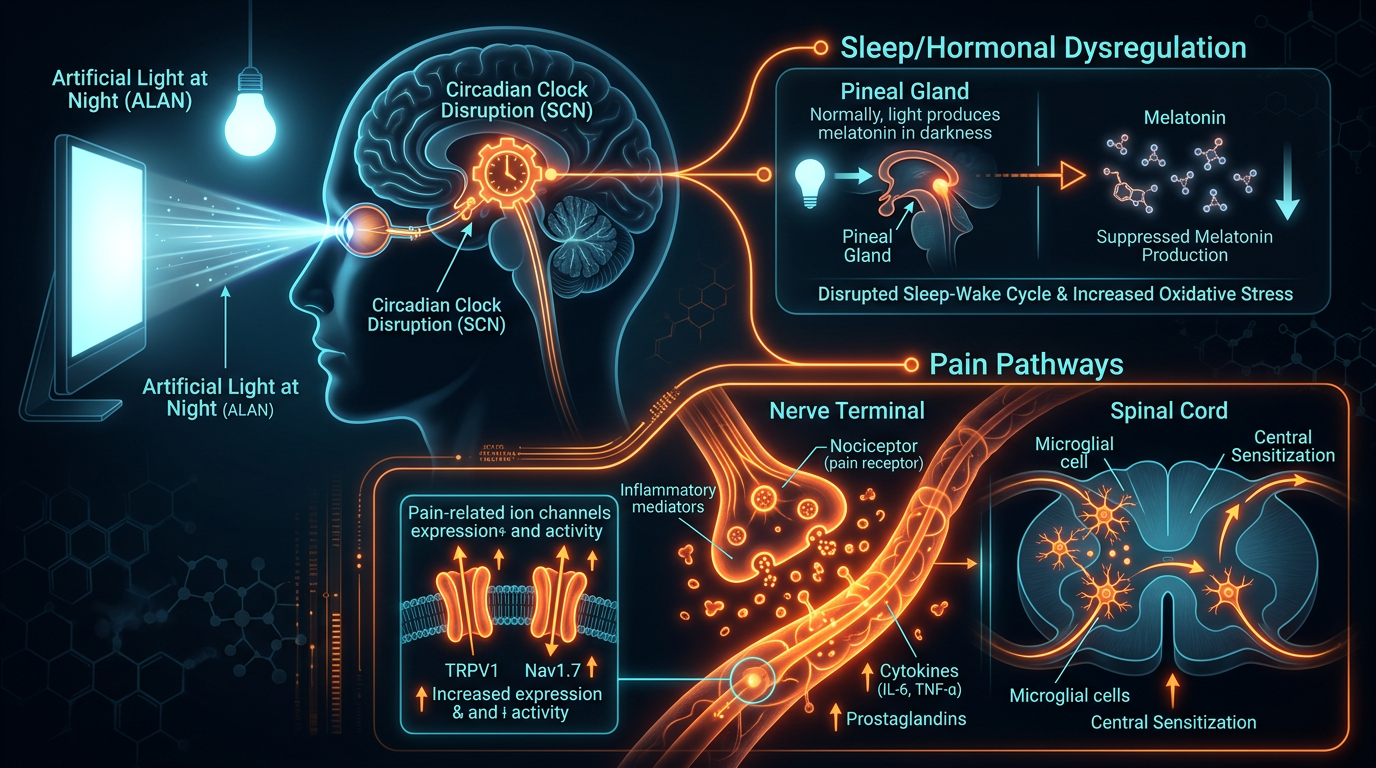
The heart operates on a precise temporal schedule governed by the suprachiasmatic nucleus (SCN), yet modern light environments are disrupting this ancient rhythm. This article explores the biological mechanism by which nocturnal blue light exposure suppresses melatonin and prevents the physiological 'vagal dip' necessary for overnight recovery. We analyze the research connecting disrupted circadian rhythms to decreased HRV and increased cardiovascular risk, offering a blueprint for light hygiene that protects the autonomic nervous system.
Every cell in the human body has a clock, and the heart is no exception. The cardiac circadian rhythm is a tightly regulated system that ensures the heart is prepared for the high demands of the day and the restorative processes of the night. Central to this is the relationship between the suprachiasmatic nucleus (SCN) in the brain and the autonomic nervous system. Under natural conditions, as the sun sets, the absence of blue light triggers the pineal gland to release melatonin. Melatonin is not just a sleep hormone; it is a master regulator of the parasympathetic nervous system.
During sleep, we should observe a significant rise in HRV and a corresponding drop in heart rate—a phenomenon known as the 'vagal dip.' However, the modern world is saturated with 450nm blue light from LED screens and overhead lighting. This light exposure at night inhibits melatonin production and tricks the SCN into maintaining a daytime sympathetic state. The heart, therefore, never truly enters a state of deep recovery. This is why many people wake up feeling unrefreshed despite 'sleeping' for eight hours; their HRV remained low throughout the night, indicating poor autonomic repair. Conventional medicine rarely asks patients about their light environment, yet light is a primary biological signal.
Research has shown that even low-level light exposure during sleep can decrease HRV and increase insulin resistance the following morning. Environmental factors like the 'blue light hazard' are compounded by the lack of morning sunlight, which is necessary to 'set' the circadian clock. To protect the heart's variability, we must implement rigorous light hygiene. Practical takeaways include wearing high-quality blue-blocking glasses after sunset, ensuring the bedroom is in total darkness, and seeking at least twenty minutes of natural sunlight upon waking. By aligning our light exposure with the solar cycle, we allow the heart to regain its natural rhythmic diversity and ensure that nocturnal recovery actually takes place at a cellular level.
This article is provided for informational and educational purposes only. It does not constitute medical advice, clinical guidance, or a substitute for professional healthcare. Information reflects cited research at time of publication. Always consult a qualified healthcare professional before acting on any health information.
RESEARCH FOUNDATIONS
Biological Credibility Archive
Citations provided for educational reference. Verify via PubMed or institutional databases.
Medical Disclaimer
The information in this article is for educational purposes only and does not constitute medical advice, diagnosis, or treatment. Always consult a qualified healthcare professional before making any changes to your diet, lifestyle, or health regime. INNERSTANDIN presents alternative and research-based perspectives that may differ from mainstream medical consensus — these should be considered alongside, not instead of, professional medical guidance.
Read Full DisclaimerReady to learn more?
Continue your journey through our classified biological research.
DISCUSSION ROOM
Members of THE COLLECTIVE discussing "The Circadian Heart: Why Blue Light Exposure is a Silent Killer of HRV"
SILENT CHANNEL
Be the first to discuss this article. Your insight could help others understand these biological concepts deeper.
THE ARSENAL
Based on Heart Rate Variability — products curated by our research team for educational relevance and biological support.
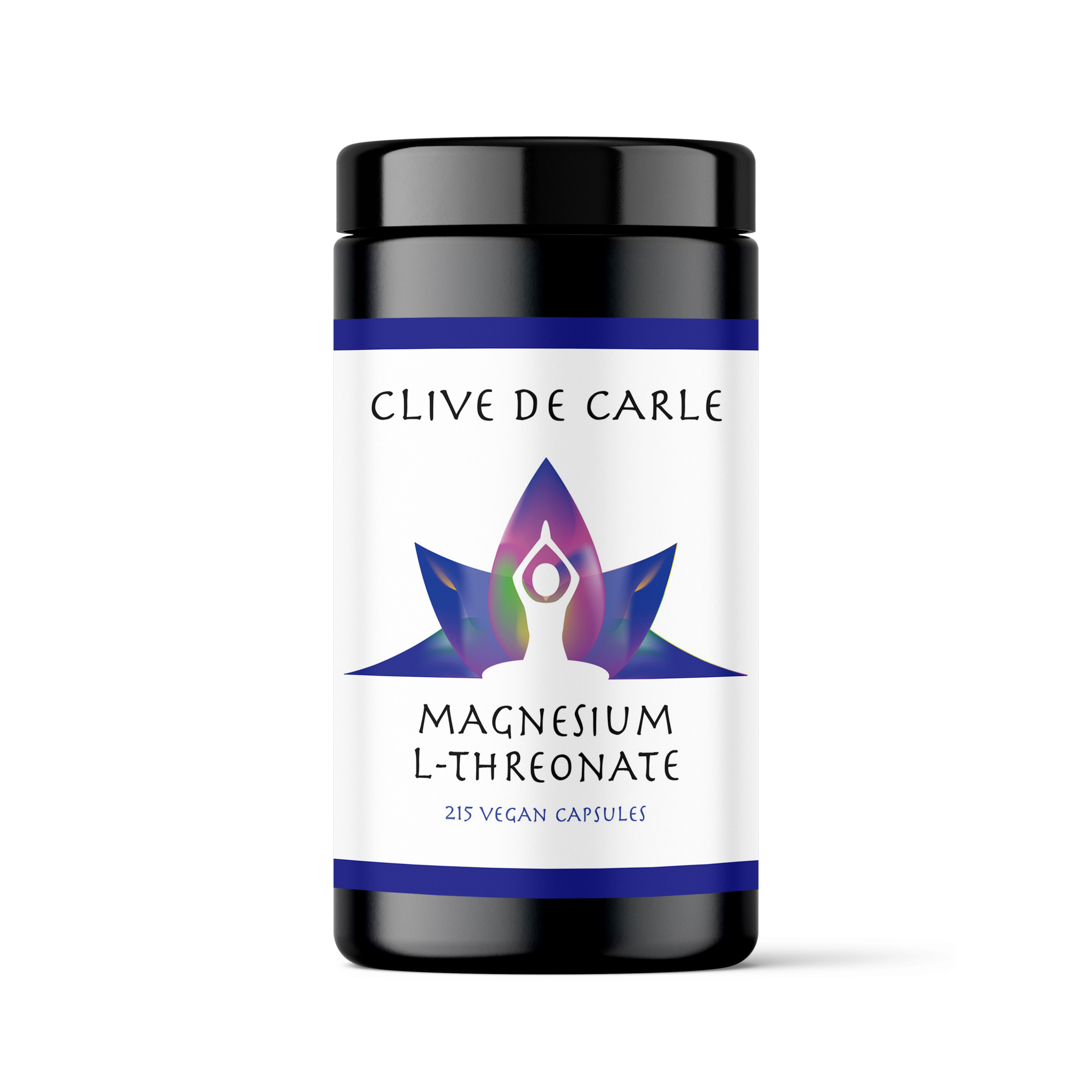
Magnesium L-Threonate
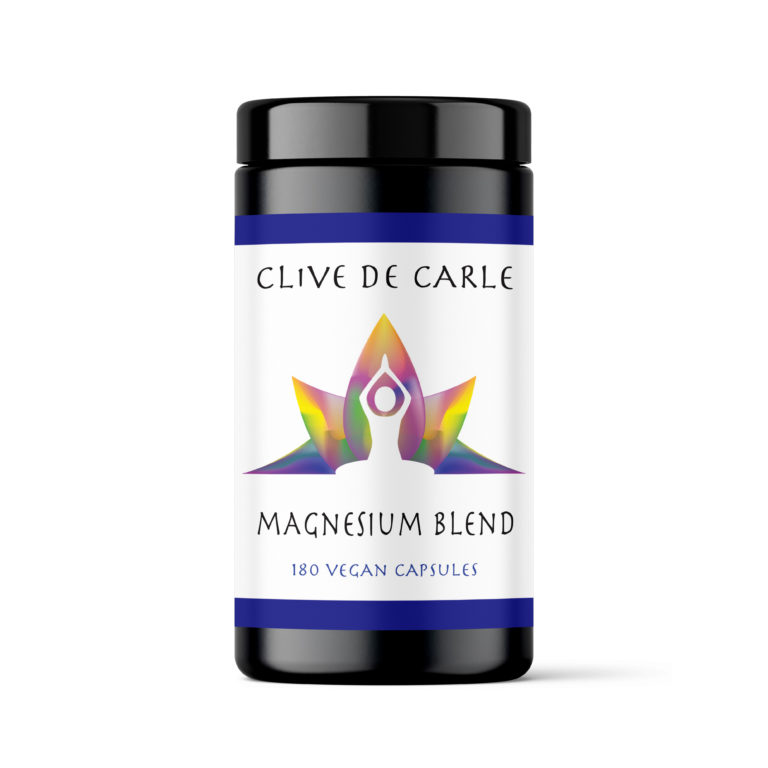
Magnesium Blend – The Most Important Mineral
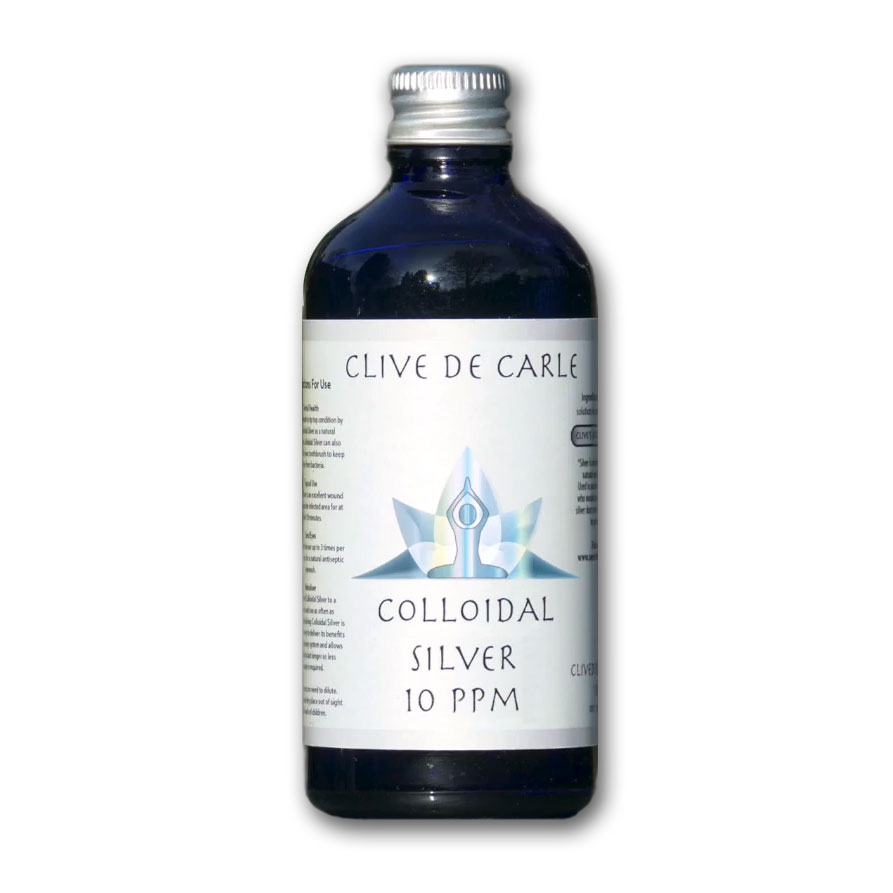
Colloidal Silver: 10ppm – Precision Particle Technology
INNERSTANDING may earn a commission on purchases made through these links. All products are selected based on rigorous educational relevance to our biological research.
RABBIT HOLE
Follow the biological thread deeper