
Cold Stress and Photobiomodulation: The Synergistic Approach to Winter Vitality
Published April 2026
Biology evolved under the dual pressure of cold temperatures and shifting light cycles, yet modern environments decouple these signals. Emerging research suggests that near-infrared light works synergistically with cold exposure to activate brown adipose tissue and enhance mitochondrial uncoupling. This article explains how combining thermal and light therapies can resolve the metabolic hibernation associated with S.A.D.
Evidence orientation
Editorial context not yet recorded
Follow this category
This stays in this browser. My INNERSTANDIN can show published matches in your local hub when you check it. It does not send email, push, or alert notifications.
Local learning review
A private browser aid for revisiting ideas. It is not an alert or a health recommendation.
Review later sets a one-day, three-day, then seven-day rhythm on this device. Choose it only when you want to revisit this article.
In nature, the reduction in light during winter is always accompanied by a reduction in temperature. Our biology is programmed to respond to these co-occurring signals. However, in the modern world, we live in a 'thermal neutral' zone, maintained at a constant 21 degrees Celsius, while simultaneously being deprived of natural light. This decoupling of environmental signals confuses our metabolic programming, leading to a state of 'biological hibernation' often mislabeled as S.A.D. The investigative health perspective looks at how cold stress and light—specifically near-infrared (NIR) light—work together to maintain metabolic flexibility.
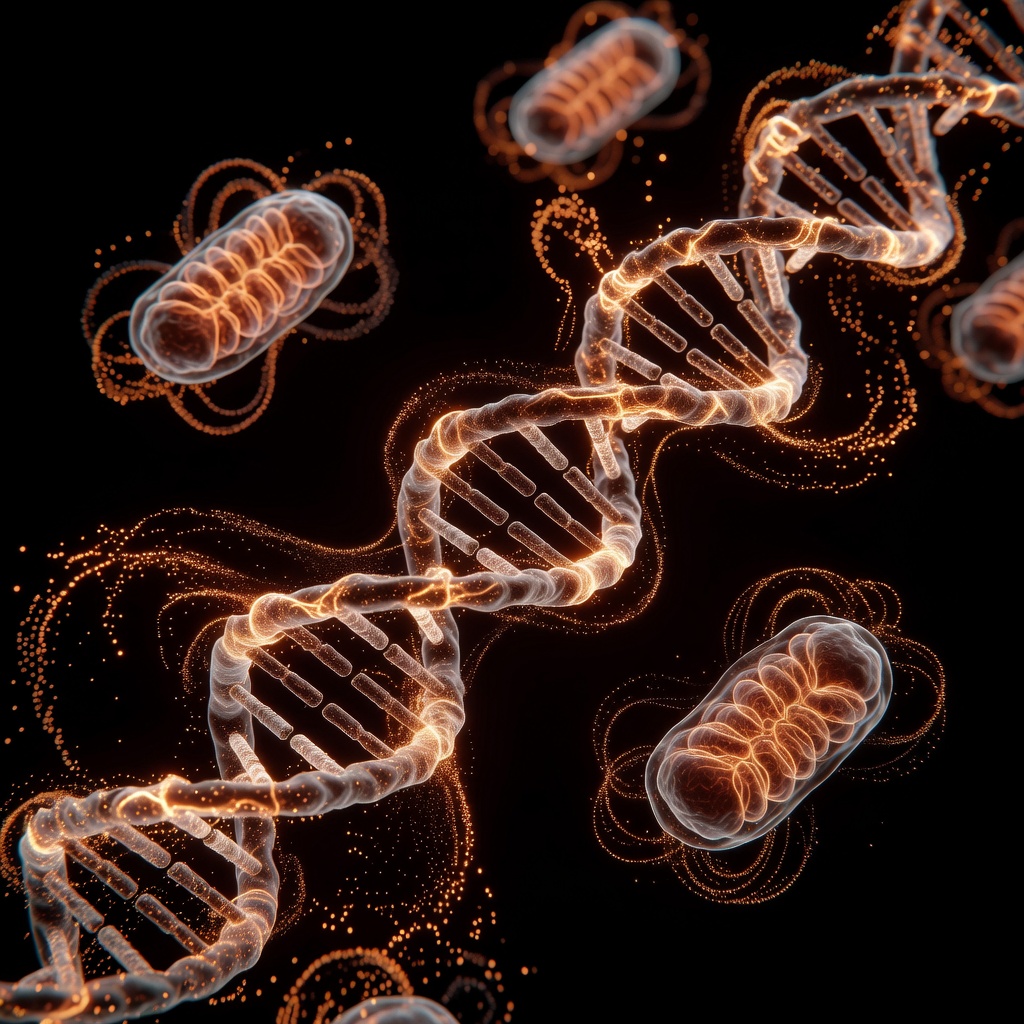
One of the key players in this process is Brown Adipose Tissue (BAT). Unlike white fat, BAT contains a high density of mitochondria and expresses Uncoupling Protein 1 (UCP1), which allows it to burn fat to generate heat (thermogenesis). Recent studies have shown that NIR light can actually stimulate the activity of BAT and promote the 'browning' of white adipose tissue. When we combine cold exposure (such as cold showers or outdoor activity) with photobiomodulation (red and NIR light therapy), we create a powerful synergistic effect. The cold triggers the demand for heat, and the NIR light provides the mitochondrial support (via cytochrome c oxidase) to meet that demand efficiently.
This combination prevents the metabolic slowdown that leads to winter weight gain, lethargy, and low mood. Conventional medicine rarely considers temperature as a variable in treating S.A.D., yet the history of human health is full of 'wintering' practices that involve both light and thermal stress—from Nordic saunas to winter swimming. These practices reset the autonomic nervous system and boost the production of norepinephrine, a neurotransmitter that is often low in those suffering from seasonal depression. By re-introducing these 'hormetic' stressors, we can jumpstart our metabolism and clear the mental fog of winter. The practical takeaway is to stop hiding from the winter environment and instead learn to use it as a tool.
Morning light exposure combined with brief cold stimulus can recalibrate the body’s internal thermostat and energy production mechanisms. This holistic view moves us away from the idea of 'surviving' the winter and toward a strategy of using the season's unique pressures to build greater biological resilience. S.A.D. is not a deficiency of a drug; it is a deficiency of the environmental challenges that our genes expect during the colder months.
This article is provided for informational and educational purposes only. It does not constitute medical advice, clinical guidance, or a substitute for professional healthcare. Information reflects cited research at time of publication. Always consult a qualified healthcare professional before acting on any health information.
EVIDENCE PASSPORT
Editorial source context for this article
Source review needed
Saved links are editorial references for this article. They may support specific claims rather than every sentence. Open and assess each source in context. This passport does not independently verify them.
Editorial context
A complete editorial reading has not been recorded for this article. Source links remain available for you to open and assess directly.
Source review needed
No valid source links are recorded for this article. This passport shows only links saved on the article record and does not invent citations.
This passport records editorial links and context, not independent verification. Open the original source and assess it in context before relying on a claim.
Medical Disclaimer
The information in this article is for educational purposes only and does not constitute medical advice, diagnosis, or treatment. Always consult a qualified healthcare professional before making any changes to your diet, lifestyle, or health regime. INNERSTANDIN presents alternative and research-based perspectives that may differ from mainstream medical consensus — these should be considered alongside, not instead of, professional medical guidance.
Read Full DisclaimerContinue the thread
Keep this question moving.
Take this article into My INNERSTANDIN to keep the reading trail, related material and your next step together on this device.
Explore this in the Body Map
See where this hits your biology. Interactive anatomy, threats, and protective protocols.
Dig deeper in the Library
Free, longform PDF volumes that go beyond headlines into mechanisms and references.