
Dioxins and the Peritoneal Terrain: The Toxicological Drivers of Endometriosis
Published April 2026
Exploring the intersection of toxicology and immunology, this piece examines the role of Dioxins and Polychlorinated Biphenyls (PCBs) in the development of endometriosis. We detail how these toxins activate the Aryl Hydrocarbon Receptor (AhR), leading to immune suppression and enhanced lesion survival. This article provides a critical look at how our modern environment compromises the body's ability to clear ectopic tissue.
Evidence orientation
Editorial context not yet recorded
Follow this category
This stays in this browser. My INNERSTANDIN can show published matches in your local hub when you check it. It does not send email, push, or alert notifications.
Local learning review
A private browser aid for revisiting ideas. It is not an alert or a health recommendation.
Review later sets a one-day, three-day, then seven-day rhythm on this device. Choose it only when you want to revisit this article.
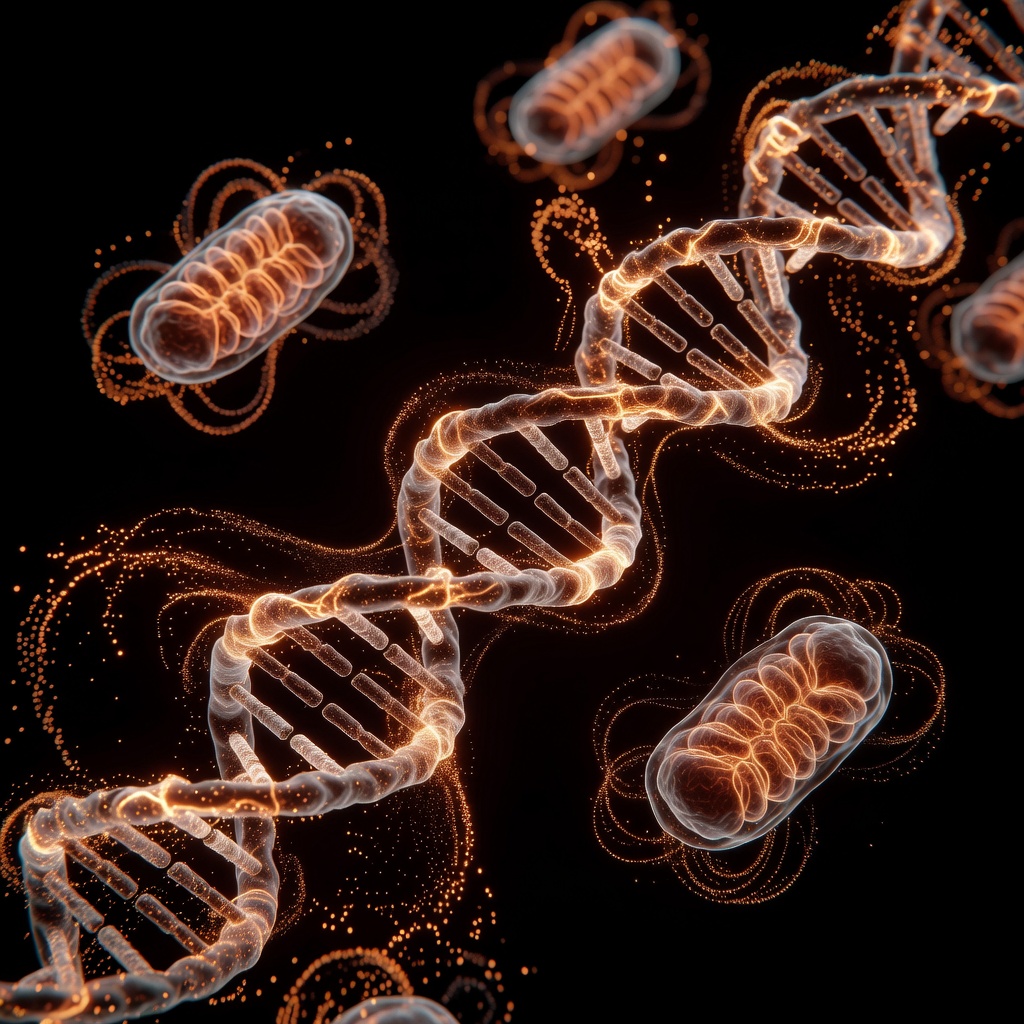
In the investigate search for the cause of endometriosis, we cannot ignore the role of the environment. The 'Toxicological Driver' of the disease centers on a group of persistent organic pollutants (POPs), most notably Dioxins and Polychlorinated Biphenyls (PCBs). These chemicals are ubiquitous in the modern world, accumulating in the food chain—particularly in animal fats. The biological mechanism through which they influence endometriosis is the activation of the Aryl Hydrocarbon Receptor (AhR). The AhR is a ligand-activated transcription factor that plays a crucial role in the body's response to environmental toxins, but it also regulates immune cell differentiation.
When dioxins bind to the AhR, they trigger a series of events that favor the survival and growth of endometriotic tissue. Firstly, AhR activation leads to the suppression of Natural Killer (NK) cell activity. In a healthy person, NK cells patrol the peritoneal cavity and clear away any stray endometrial cells that have migrated there. However, in the presence of high dioxin levels, these 'cellular scavengers' are inhibited, allowing the ectopic cells to survive, adhere, and grow. Secondly, AhR activation enhances the expression of enzymes that promote the invasion of these cells into the underlying tissue.
This was most famously demonstrated in the 'Seveso Study,' which followed women exposed to high levels of TCDD (a potent dioxin) after an industrial accident in Italy; these women showed a significantly higher risk of developing endometriosis. Conventional medicine in the UK rarely screens for toxic load or considers the 'total body burden' of these chemicals, yet for many, this is the underlying reason their immune system is failing to clear the lesions. Environmental factors are the 'soil' in which the disease grows. Practical takeaways for those seeking the full picture involve a rigorous 'detox' of the personal environment. This includes choosing organic, pasture-raised animal products to minimize dioxin intake, as these toxins concentrate in fat.
Furthermore, supporting the 'Antioxidant Response Element' (ARE) through the consumption of polyphenols can help counteract the oxidative damage caused by AhR over-activation. Utilizing Infrared Saunas may also assist in the mobilization of fat-soluble toxins from the tissues. By addressing the peritoneal terrain and reducing the toxic burden on the immune system, we can restore the body's natural ability to maintain tissue boundaries and prevent the progression of endometriosis.
This article is provided for informational and educational purposes only. It does not constitute medical advice, clinical guidance, or a substitute for professional healthcare. Information reflects cited research at time of publication. Always consult a qualified healthcare professional before acting on any health information.
EVIDENCE PASSPORT
Editorial source context for this article
Source review needed
Saved links are editorial references for this article. They may support specific claims rather than every sentence. Open and assess each source in context. This passport does not independently verify them.
Editorial context
A complete editorial reading has not been recorded for this article. Source links remain available for you to open and assess directly.
Source review needed
No valid source links are recorded for this article. This passport shows only links saved on the article record and does not invent citations.
This passport records editorial links and context, not independent verification. Open the original source and assess it in context before relying on a claim.
Medical Disclaimer
The information in this article is for educational purposes only and does not constitute medical advice, diagnosis, or treatment. Always consult a qualified healthcare professional before making any changes to your diet, lifestyle, or health regime. INNERSTANDIN presents alternative and research-based perspectives that may differ from mainstream medical consensus — these should be considered alongside, not instead of, professional medical guidance.
Read Full DisclaimerContinue the thread
Keep this question moving.
Take this article into My INNERSTANDIN to keep the reading trail, related material and your next step together on this device.
Explore this in the Body Map
See where this hits your biology. Interactive anatomy, threats, and protective protocols.
Dig deeper in the Library
Free, longform PDF volumes that go beyond headlines into mechanisms and references.