
Phytoncides: The Volatile Organic Compounds Mainstream Oncology Overlooks
Published April 2026
While conventional oncology prioritizes pharmaceutical interventions, the biological impact of forest aerosols—phytoncides—on human Natural Killer (NK) cell activity remains largely ignored. These volatile organic compounds, such as alpha-pinene and limonene, significantly increase the expression of anti-cancer proteins like perforin and granzymes. This article explores how environmental exposure to forest air functions as a potent immunomodulatory therapy.
Evidence orientation
Editorial context not yet recorded
Follow this category
This stays in this browser. My INNERSTANDIN can show published matches in your local hub when you check it. It does not send email, push, or alert notifications.
Local learning review
A private browser aid for revisiting ideas. It is not an alert or a health recommendation.
Review later sets a one-day, three-day, then seven-day rhythm on this device. Choose it only when you want to revisit this article.
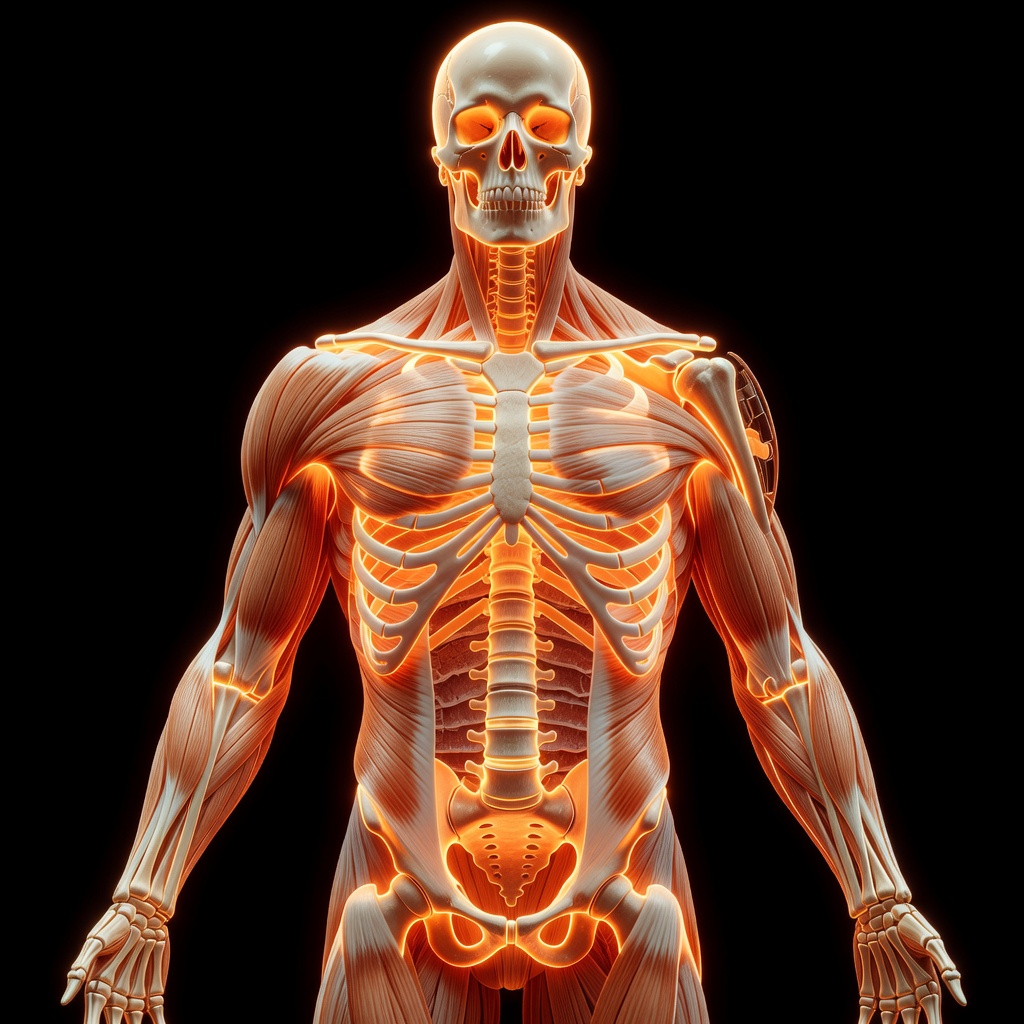
The biological conversation between plants and humans extends far beyond oxygen and carbon dioxide exchange. For decades, researchers in Japan have pioneered the study of 'Shinrin-yoku' or forest bathing, but the underlying mechanisms are rooted in hard biochemistry rather than mere relaxation. Phytoncides are antimicrobial allelochemic volatile organic compounds derived from plants, primarily conifers like pine, cedar, and spruce. When humans inhale these aerosols, they trigger a profound cascade within the innate immune system. The primary mechanism involves the upregulation of Natural Killer (NK) cells, which are responsible for identifying and destroying virally infected cells and tumor cells.
Mainstream medicine often overlooks the environmental triggers of immune surveillance, focusing instead on synthetic immune-check inhibitors. However, data from the Nippon Medical School indicates that a two-night stay in a forest environment can increase NK cell activity by over 50%, with effects lasting for more than 30 days post-exposure. This is not a psychological placebo; it is a result of increased intracellular levels of perforin, granzyme A, and granulysin. These proteins are the biological 'weapons' NK cells use to puncture the membranes of target cells. Furthermore, phytoncides have been shown to decrease the levels of stress hormones like cortisol and adrenaline, which are known to suppress immune function.
The standard NHS or Western medical guideline for recovery rarely mentions air quality or specific botanical environments, yet the research suggests that the chemical composition of forest air is a vital component of human health. To integrate this into a modern lifestyle, one must look beyond simple walks in a park. Targeted exposure involves being in proximity to high-density coniferous forests during the peak of the growing season when phytoncide emission is at its zenith. This investigative approach to nature medicine reveals that our immune systems are not closed loops; they are open systems that require specific botanical inputs to function at peak efficiency. Practical takeaways include identifying 'high-phytoncide' zones, understanding the seasonal peaks of terpene release, and utilizing specific breathing techniques to maximize the absorption of these volatile compounds.
By recognizing the forest as a chemical laboratory, we can move from vague notions of 'the outdoors' to a precise application of environmental immunology.
This article is provided for informational and educational purposes only. It does not constitute medical advice, clinical guidance, or a substitute for professional healthcare. Information reflects cited research at time of publication. Always consult a qualified healthcare professional before acting on any health information.
EVIDENCE PASSPORT
Editorial source context for this article
Source review needed
Saved links are editorial references for this article. They may support specific claims rather than every sentence. Open and assess each source in context. This passport does not independently verify them.
Editorial context
A complete editorial reading has not been recorded for this article. Source links remain available for you to open and assess directly.
Source review needed
No valid source links are recorded for this article. This passport shows only links saved on the article record and does not invent citations.
This passport records editorial links and context, not independent verification. Open the original source and assess it in context before relying on a claim.
Medical Disclaimer
The information in this article is for educational purposes only and does not constitute medical advice, diagnosis, or treatment. Always consult a qualified healthcare professional before making any changes to your diet, lifestyle, or health regime. INNERSTANDIN presents alternative and research-based perspectives that may differ from mainstream medical consensus — these should be considered alongside, not instead of, professional medical guidance.
Read Full DisclaimerContinue the thread
Keep this question moving.
Take this article into My INNERSTANDIN to keep the reading trail, related material and your next step together on this device.
Explore this in the Body Map
See where this hits your biology. Interactive anatomy, threats, and protective protocols.
Dig deeper in the Library
Free, longform PDF volumes that go beyond headlines into mechanisms and references.