
Terpenes and the Forest Floor: Shinrin-Yoku vs Urbanization
Updated May 2026
Ancient forest immersion is validated by modern research on tree-emitted phytoncides and NK cell activity. We discuss the biological necessity of green spaces in the UK's concrete jungles.
Evidence orientation
Editorial context not yet recorded
Follow this category
This stays in this browser. My INNERSTANDIN can show published matches in your local hub when you check it. It does not send email, push, or alert notifications.
Local learning review
A private browser aid for revisiting ideas. It is not an alert or a health recommendation.
Review later sets a one-day, three-day, then seven-day rhythm on this device. Choose it only when you want to revisit this article.
Overview
In the modern epoch, the human species is currently engaged in the largest unplanned biological experiment in history: the wholesale migration from the ancestral forest to the sterile, synthetic environments of the high-density city. For over six million years, the hominid lineage evolved in intimate contact with the volatile organic compounds (VOCs) emitted by terrestrial flora. Today, the average Briton spends upwards of 90% of their life indoors, encapsulated in air-conditioned sarcophagi that are biologically inert, if not outright toxic.
At INNERSTANDING, we view this shift not merely as a change in lifestyle, but as a fundamental evolutionary mismatch. The practice of Shinrin-yoku, or "forest bathing," developed in Japan during the 1980s, was initially perceived by the West as a quaint, aesthetic pursuit. However, rigorous biological research has now validated what ancient wisdom always knew: the forest floor is a complex chemical laboratory that communicates directly with the human immune system.
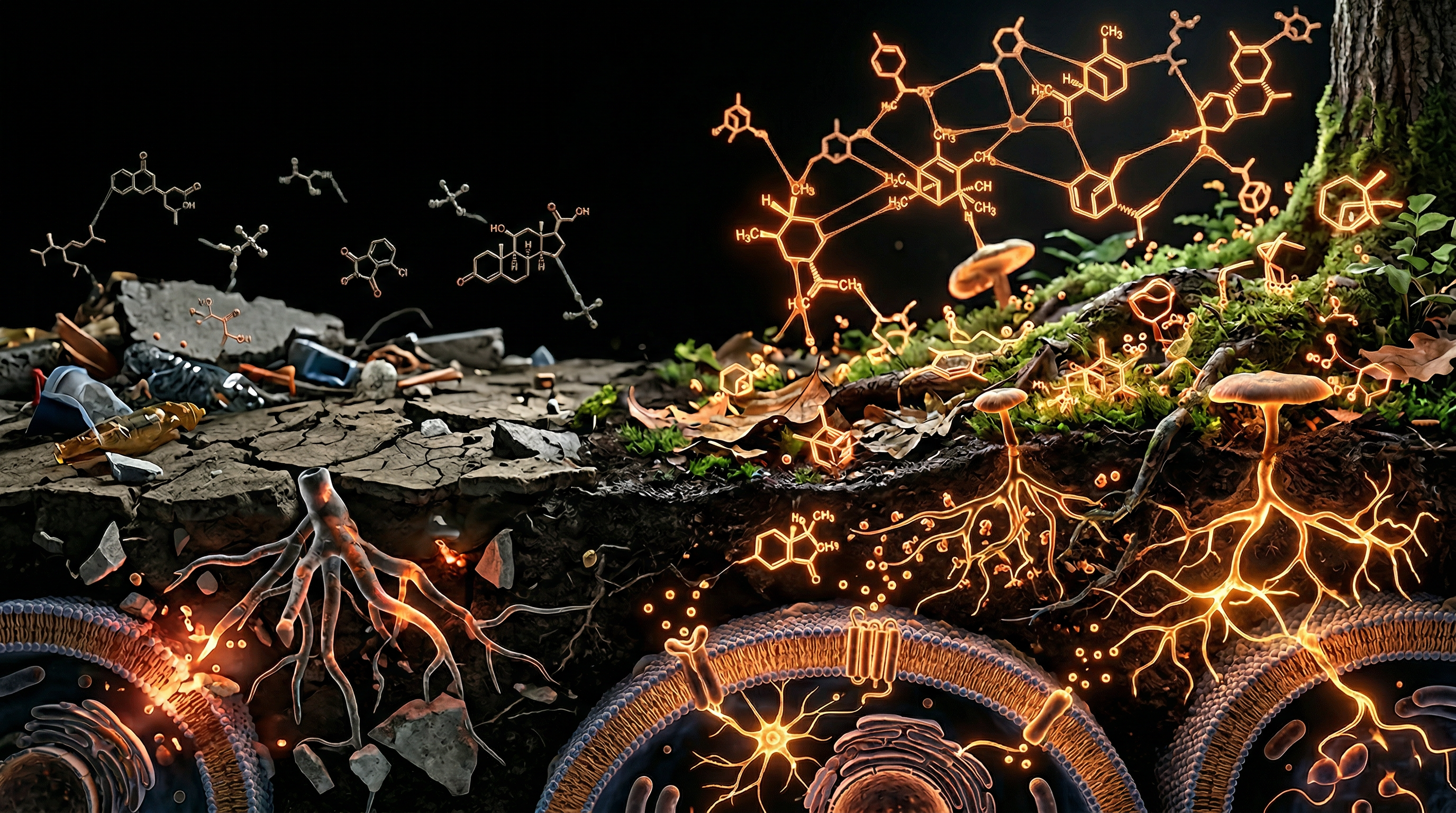
The "Forest Floor" is not just a location; it is an atmospheric pharmacy. When we enter an old-growth woodland, we are inhaling a potent cocktail of phytoncides—antimicrobial volatile organic compounds derived from plants. These molecules, primarily terpenes, are the primary mechanism through which trees defend themselves against pathogens. When humans inhale these substances, we "eavesdrop" on this ancient plant-defence system, triggering a cascade of profound physiological changes that cannot be replicated by any pharmaceutical intervention currently on the market.
This article explores the deep-seated biological necessity of forest immersion, the cellular mechanisms by which terpenes fortify our resilience, and the devastating impact of the "Concrete Jungle" on the British population's health. We are witnessing a systemic "terpene deficiency" that correlates directly with the rise of autoimmune disorders, chronic inflammation, and psychological collapse.
"The disconnection from the forest is not merely a loss of scenery; it is a severing of the biochemical umbilical cord that maintains human homoeostasis."
The Biology — How It Works
To understand the impact of the forest on human health, one must first understand the concept of phytoncides. The term was coined in 1928 by Dr Boris P. Tokin, a Russian biologist who discovered that certain plants emit highly active substances that prevent them from rotting or being eaten by insects. In the context of the forest, these are predominantly terpenes.
The Chemistry of the Canopy
Terpenes are a large and diverse class of organic compounds, produced by a variety of plants, particularly conifers. They are what give a pine forest its distinctive, sharp scent. The most prevalent terpenes found in forest air include:
- Alpha-Pinene: Known for its bronchodilatory effects and its ability to inhibit acetylcholinesterase, aiding memory and focus.
- Beta-Pinene: Possesses potent antidepressant and antioxidant properties.
- D-Limonene: Found in the resin of many trees, it has been shown to modulate the immune response and reduce anxiety.
- Camphene: A minor component with significant antioxidant potential.
- Myrcene: Acts as a sedative and muscle relaxant.
The Olfactory-Systemic Interface
When we walk through a forest, these molecules enter our bodies via two primary pathways: the respiratory system and the olfactory system. Upon inhalation, terpene molecules pass through the thin membranes of the alveoli in the lungs directly into the bloodstream.
Simultaneously, they stimulate the olfactory bulb, which has a direct connection to the limbic system—the emotional centre of the brain. This bypasses the rational, "thinking" brain (the neocortex), which is often overstimulated in urban environments, and provides an immediate signal to the autonomic nervous system to shift from a sympathetic (fight-or-flight) state to a parasympathetic (rest-and-digest) state.
The Microbiome of the Air
Furthermore, the forest floor is teeming with beneficial bacteria, such as Mycobacterium vaccae. Research indicates that inhaling or coming into contact with these soil-based organisms stimulates the production of serotonin in the brain. The forest is not just a space; it is a living, breathing aerosolised soup of biological primers that calibrate our internal systems.
Mechanisms at the Cellular Level
The most profound evidence for the efficacy of Shinrin-yoku lies in its impact on Natural Killer (NK) cells. These are a type of white blood cell (lymphocyte) that play a critical role in the innate immune system. Unlike other immune cells, NK cells do not need to be "primed" by previous exposure to a pathogen; they are the body’s first line of defence against virally infected cells and tumour formation.
NK Cell Activity and Protein Expression
Groundbreaking studies led by Dr Qing Li of the Nippon Medical School have demonstrated that a three-day, two-night trip to a forest increases NK cell activity by approximately 50% and the number of NK cells by 40%. More importantly, this effect is not transient; the elevated immune function persists for up to 30 days after returning to an urban environment.
The mechanism behind this is the increased expression of intracellular anti-cancer proteins:
- Perforin: A protein that creates pores in the membranes of target cells (pathogens or tumours).
- Granzymes (A and B): Proteases that enter the target cell through the perforin pores and induce apoptosis (programmed cell death).
- Granulysin: An antimicrobial peptide that destroys the cell walls of bacteria and parasites.
Key Fact: Exposure to $\alpha$-pinene and 1,8-cineole (eucalyptol) significantly increases the intracellular levels of these "assassin" proteins, effectively upgrading the body's internal security system.
The Cortisol-Cytokine Axis
The presence of terpenes in the bloodstream inhibits the production of cortisol and adrenaline. In the urban environment, these stress hormones are chronically elevated, leading to a state of systemic inflammation. By lowering cortisol, forest bathing reduces the production of pro-inflammatory cytokines such as IL-6 and TNF-$\alpha$. This is crucial because chronic inflammation is now recognised as the "silent killer" behind heart disease, diabetes, and neurodegeneration.
Adiponectin Modulation
Recent research has also suggested that forest immersion increases levels of adiponectin, a protein hormone secreted by fat cells. Adiponectin is inversely correlated with body fat percentage and plays a vital role in regulating glucose levels and fatty acid breakdown. It also possesses anti-inflammatory and anti-atherogenic properties. Thus, the forest floor literally helps regulate our metabolism at a genetic level.
Environmental Threats and Biological Disruptors
The transition to the "Modern Paradigm" has not simply removed us from the forest; it has submerged us in a biologically hostile environment. The urban landscape is characterized by a "chemical and energetic smog" that actively degrades human biology.
The Terpene Void
In a city like London or Birmingham, the air is devoid of the complex terpenes found in the forest. Instead, the atmosphere is saturated with:
- PM2.5 and PM10: Particulate matter from diesel engines and brake dust that penetrates deep into the lung tissue, causing oxidative stress.
- Nitrogen Dioxide (NO2): A potent respiratory irritant that drives systemic inflammation.
- Synthetic VOCs: Outgassing from carpets, paints, and "air fresheners" which, unlike plant-derived terpenes, are often endocrine disruptors.
The Acoustic and Visual Assault
Our biology is tuned to the fractal patterns of nature (Self-similar patterns found in fern fronds, branching trees, and clouds). These patterns, when processed by the visual cortex, trigger a relaxation response. Urban architecture, dominated by hard angles and grey surfaces, requires more cognitive effort to process, leading to "directed attention fatigue."
The "Death of the Soil"
Urbanization seals the earth in concrete and asphalt, cutting off the exchange of gases between the soil and the atmosphere. This "sealing" prevents the release of soil-based microbes and negative ions (which are abundant near moving water and in forests). Negative ions are known to increase the flow of oxygen to the brain, resulting in higher alertness and decreased drowsiness. The city is, effectively, an ionic desert.
The Cascade: From Exposure to Disease
What happens to a biological organism designed for the forest when it is confined to a grey box? A predictable cascade of systemic failure ensues. This is the Pathology of Urbanization.
Step 1: Autonomic Dysregulation
Without the constant input of calming phytoncides and fractal visuals, the sympathetic nervous system becomes the default state. The "Vagal Tone"—the ability of the Vagus nerve to return the body to a state of calm—is weakened.
Step 2: Chronic Hyper-cortisolemia
The body remains in a state of high-alert. Cortisol levels stay elevated, which suppresses the immune system’s "surveillance" mode. NK cell activity plummets. This creates a "window of opportunity" for latent viruses to reactivate and for aberrant cells to multiply undetected.
Step 3: The Inflammatory Tsunami
Chronic stress and the inhalation of urban pollutants trigger the NLRP3 inflammasome—a protein complex that initiates a highly inflammatory form of cell death. This leads to:
- Endothelial Dysfunction: The lining of the blood vessels becomes stiff and inflamed (the precursor to hypertension and stroke).
- Insulin Resistance: High cortisol levels cause the liver to dump glucose into the bloodstream, eventually leading to Type 2 Diabetes.
- Neuroinflammation: The brain's resident immune cells (microglia) become overactive, contributing to depression, "brain fog," and eventually Alzheimer’s.
Callout Statistics: Residents in high-urbanization areas of the UK show a 40% higher risk of mood disorders and a 20% higher risk of anxiety disorders compared to those living near green spaces.
What the Mainstream Narrative Omits
The mainstream medical and pharmaceutical establishment is largely silent on the biological necessity of forest immersion. At INNERSTANDING, we believe this is not an accident, but a result of institutional inertia and the monetization of sickness.
The Non-Patentability of Nature
The primary reason forest bathing is not "prescribed" by every GP in the country is that you cannot patent the air in a pine forest. There is no profit margin in a patient walking through a woodland. The pharmaceutical model relies on isolating specific molecules, synthesizing them, and selling them back to the public. However, the synergy of the forest—the "entourage effect" of thousands of different terpenes and microbes—cannot be bottled.
The Indoor Generation Agenda
There is a profound push toward "Smart Cities" and a digitized existence. These environments are designed for data extraction and consumerism, not biological vitality. By framing health as something that only comes from a pharmacy or a high-tech gadget, the narrative successfully detaches the individual from their own innate, evolutionary power.
Suppression of the "Biophilia Hypothesis"
The mainstream narrative treats parks as "amenities" or "leisure spaces" rather than essential health infrastructure. By categorizing nature as a "nice-to-have" rather than a "must-have," urban planners justify the destruction of the Green Belt for short-term economic gain, ignoring the long-term biological cost to the NHS.
The UK Context
The United Kingdom presents a unique and troubling case study in the loss of forest connectivity. Since the Industrial Revolution, the British landscape has been radically transformed.
The Erosion of the Green Belt
Despite the existence of Green Belt policies, the UK’s ancient woodlands have been fragmented. What remains is often "managed" in a way that prioritizes timber production over ecological complexity. A monoculture spruce plantation does not possess the same terpene profile or microbial diversity as an ancient oak or beech forest.
The Post-Industrial Scarring
In northern cities like Manchester, Sheffield, and Glasgow, the legacy of industrialization has left a "nature deficit" that spans generations. Many communities in these areas have zero access to high-quality "Blue" or "Green" spaces. This correlates perfectly with the "North-South Health Divide," where life expectancy is significantly lower in de-industrialized urban centres.
The NHS and Social Prescribing: A Half-Measure?
While the NHS has begun to explore "social prescribing"—where doctors prescribe gardening or walking groups—it is often underfunded and treated as a secondary "wellness" option rather than a primary biological intervention. The UK’s "Right to Roam" is also one of the most restrictive in Europe, with 92% of the land in England being off-limits to the public. We are legally barred from our own biological habitat.
Protective Measures and Recovery Protocols
Given that total abandonment of the city is impossible for most, we must adopt a strategy of Biological Guerilla Warfare. We must find ways to "biohack" our urban environments using the principles of the forest floor.
1. The Atmospheric Restoration Protocol
If you cannot go to the forest, you must bring the forest's chemical signature to you.
- Nebulising Pure Essential Oils: Use a high-quality, cold-air nebuliser (not a heat-based one, which denatures the molecules) to diffuse $\alpha$-pinene, Hinoki, and Scotch Pine essential oils. This provides a direct, albeit simplified, dose of phytoncides.
- Air Purification: Use HEPA filters combined with activated carbon and PCO (Photocatalytic Oxidation) technology to remove the urban "antigens" (PM2.5 and synthetic VOCs) from your living space.
2. Strategic Forest Immersion (The 3-Day Rule)
Research shows that the immune-boosting effects of the forest peak after three days.
- Aim for one "Deep Immersion" per month: A minimum of 4 hours spent in an old-growth forest, moving slowly and engaging all five senses.
- Leave the technology behind. The electromagnetic frequencies (EMF) of mobile phones can interfere with the body's subtle bio-electric state, which the forest seeks to recalibrate.
3. Dietary Polyphenols and Terpenes
Support your internal biochemistry by consuming plants that share terpene profiles with the forest.
- Herbal Teas: Pine needle tea (rich in shikimic acid and vitamin C) and rosemary tea (high in cineole).
- Culinary Herbs: Thyme, oregano, and basil are rich in carvacrol and limonene.
4. Grounding (Earthing)
Whenever possible, make direct skin contact with the forest floor. The earth has a negative electrical charge. When you touch the ground, you absorb free electrons, which act as potent antioxidants, neutralizing the "positive charge" (oxidative stress) built up from urban living and electronic device usage.
5. Demanding "Green Infrastructure"
As citizens, we must shift the narrative. We must demand that urban planning includes "Miyawaki Forests" (tiny, dense urban forests) and that the Green Belt is treated as a sacred biological resource. Access to terpenes is a human right.
Summary: Key Takeaways
The transition from the forest floor to the concrete jungle is not merely a cultural shift; it is a biological catastrophe. The "Ancient Medicine" of Shinrin-yoku is not a luxury—it is a physiological necessity.
- Terpenes are Bio-active: Molecules like $\alpha$-pinene and limonene are not just "smells"; they are chemical signals that modulate human immune function and gene expression.
- NK Cells are the Key: Forest immersion significantly boosts Natural Killer cell activity, providing a potent defence against cancer and viral infection that lasts for up to a month.
- The City is a Stress-Trap: Urban environments drive chronic cortisol elevation and systemic inflammation, leading to the modern epidemic of lifestyle diseases.
- The Mainstream Omission: The lack of "Forest Medicine" in standard healthcare is a result of the non-patentable nature of the forest and a bias toward pharmaceutical interventions.
- The UK Situation is Dire: With limited "Right to Roam" and high urbanization, the British population is in a state of chronic terpene deficiency.
- Active Recovery is Essential: Through essential oil diffusion, strategic immersion, and dietary support, we can begin to mitigate the damage of the modern paradigm.
We must stop viewing ourselves as separate from the forest. We are the forest, evolved to breathe its air and walk its soil. To return to the trees is not to go back in time, but to reclaim our biological future.
"References & Further Reading:"
- Li, Q. (2018). Shinrin-Yoku: The Art and Science of Forest Bathing.
- Tokin, B. P. (1928). Phytoncides: The antimicrobial agents of plants.
- Wilson, E. O. (1984). Biophilia.
- Miyazaki, Y. (2018). Shinrin-yoku: The Japanese Way of Forest Bathing for Health and Relaxation.
This article is provided for informational and educational purposes only. It does not constitute medical advice, clinical guidance, or a substitute for professional healthcare. Information reflects cited research at time of publication. Always consult a qualified healthcare professional before acting on any health information.
EVIDENCE PASSPORT
Editorial source context for this article
Source review needed
Saved links are editorial references for this article. They may support specific claims rather than every sentence. Open and assess each source in context. This passport does not independently verify them.
Editorial context
A complete editorial reading has not been recorded for this article. Source links remain available for you to open and assess directly.
Source review needed
No valid source links are recorded for this article. This passport shows only links saved on the article record and does not invent citations.
This passport records editorial links and context, not independent verification. Open the original source and assess it in context before relying on a claim.
Medical Disclaimer
The information in this article is for educational purposes only and does not constitute medical advice, diagnosis, or treatment. Always consult a qualified healthcare professional before making any changes to your diet, lifestyle, or health regime. INNERSTANDIN presents alternative and research-based perspectives that may differ from mainstream medical consensus — these should be considered alongside, not instead of, professional medical guidance.
Read Full DisclaimerContinue the thread
Keep this question moving.
Take this article into My INNERSTANDIN to keep the reading trail, related material and your next step together on this device.
Explore this in the Body Map
See where this hits your biology. Interactive anatomy, threats, and protective protocols.
Dig deeper in the Library
Free, longform PDF volumes that go beyond headlines into mechanisms and references.