
The Diuretic Debate: Why Pills Won't Solve a Lymphatic Problem
Updated May 2026
This authoritative report exposes the biological fallacy of treating lymphoedema with diuretics, a practice that risks permanent tissue fibrosis by concentrating protein-rich fluid. We examine the intricate mechanics of the lymphatic system versus the renal system to demonstrate why pharmacological water removal fails to address structural lymphatic insufficiency. Readers will gain a comprehensive understanding of the cellular cascades triggered by standard NHS protocols and learn the evidence-based strategies for genuine lymphatic recovery.
Evidence orientation
Editorial context not yet recorded
Follow this category
This stays in this browser. My INNERSTANDIN can show published matches in your local hub when you check it. It does not send email, push, or alert notifications.
Local learning review
A private browser aid for revisiting ideas. It is not an alert or a health recommendation.
Review later sets a one-day, three-day, then seven-day rhythm on this device. Choose it only when you want to revisit this article.
Overview
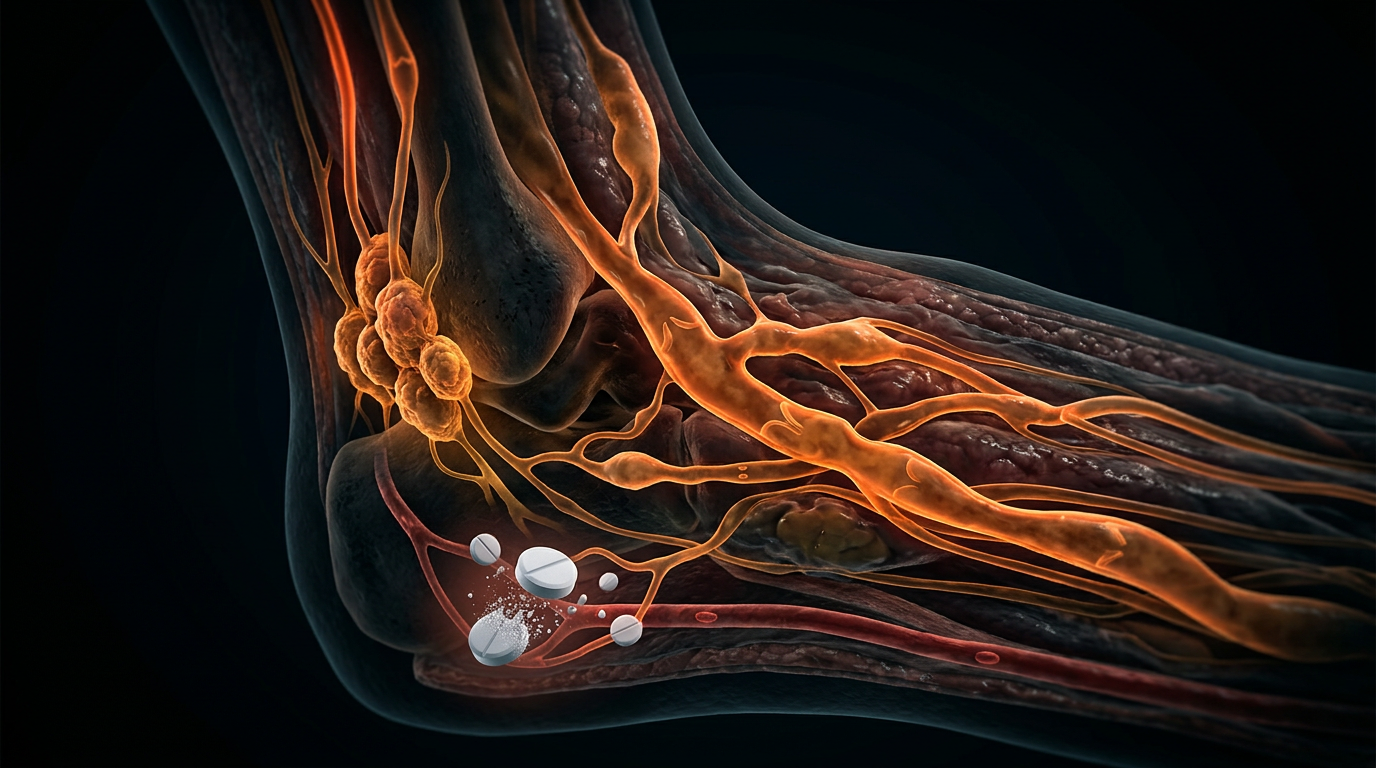
The clinical mismanagement of lymphoedema through the over-prescription of diuretics represents a foundational misunderstanding of interstitial fluid dynamics and macromolecular transport. For decades, the conventional medical paradigm has conflated general peripheral oedema with the specific, protein-rich pathology of lymphatic failure. However, as we deepen our INNERSTANDIN of the glymphatic-lymphatic continuum, it becomes clear that attempting to resolve a structural drainage failure with renal-targeting pharmacology is not merely ineffective; it is physiologically counterproductive.
At the heart of this debate lies the "Revised Starling Principle," a paradigm-shifting realization in vascular physiology championed by researchers such as Levick and Michel. The classical Starling model suggested a balance between capillary filtration and venous reabsorption; however, contemporary evidence published in journals like The Lancet and The Journal of Physiology confirms that in most peripheral tissues, there is no significant steady-state venous reabsorption. Instead, the lymphatic system is the sole pathway for returning filtered fluid and extravasated plasma proteins back to the circulatory system. When the lymphatic architecture is compromised—whether through secondary trauma (common in UK oncology pathways) or primary genetic insufficiency—the result is an accumulation of high-molecular-weight proteins within the interstitium.
Diuretics, primarily loop diuretics or thiazides, operate by inhibiting sodium and chloride reabsorption in the kidneys, thereby reducing intravascular volume. While this is efficacious for hydrostatic oedema—such as that secondary to congestive heart failure—it fails to address the "protein stagnant" nature of lymphoedema. By removing the aqueous component of the interstitial fluid while leaving the macromolecular protein load intact, diuretics paradoxically increase the oncotic pressure of the tissue. This creates a hyperconcentrated, viscous environment that encourages fibro-adipose deposition and chronic inflammation. Peer-reviewed studies indexed in PubMed consistently indicate that long-term diuretic use in lymphoedema patients accelerates the transition from Stage 1 (reversible) to Stage 2 and 3 (fibrotic) disease states.
Furthermore, the systemic impact of chronic diuretic use introduces iatrogenic risks, including electrolyte imbalances and the activation of the renin-angiotensin-aldosterone system (RAAS), which can lead to rebound fluid retention once the medication is ceased. In the UK context, the British Lymphology Society (BLS) has long advocated for a shift away from these pharmaceutical interventions in favour of Decongestive Lymphatic Therapy (DLT). To achieve a true INNERSTANDIN of the condition, we must acknowledge that lymphoedema is a mechanical failure of the interstitium, not a renal dysfunction. Pills cannot reconstruct a damaged lymphatic vessel or clear a stagnant protein matrix; only by respecting the biological reality of fluid transport can we move beyond the "diuretic trap" and toward meaningful clinical resolution.
The Biology — How It Works
To comprehend why pharmacological intervention via diuretics is fundamentally mismatched to the pathology of lymphoedema, one must first dissect the intricate microvascular fluid exchange mechanisms governed by the Revised Starling Principle. For decades, clinical practice was dictated by the classical Starling Equation, which posited a balance between hydrostatic and oncotic pressures leading to significant fluid reabsorption at the venous end of the capillary. However, contemporary research published in The Journal of Physiology and The Lancet—most notably the work of Levick and Michel (2010)—has debunked this, proving that in most peripheral tissues, there is no net reabsorption of fluid back into the venous capillaries. Instead, virtually all interstitial fluid is returned to the circulatory system via the lymphatic vasculature.
When a clinician prescribes a loop diuretic, such as furosemide, or a thiazide for lymphoedema, they are attempting to solve a mechanical transport failure with a renal excretory solution. Diuretics function by inhibiting the Na+/K+/2Cl- symporter in the thick ascending limb of the loop of Henle, forcing the excretion of sodium and water. This reduces systemic plasma volume, creating a temporary hypovolaemic state. While this is efficacious for "low-protein" oedema associated with congestive heart failure or renal insufficiency, lymphoedema is a "high-protein" state. The interstitial compartment in a lymphoedematous limb is saturated with macromolecular proteins, including albumin, hyaluronan, and proteoglycans, which have leaked from the blood but cannot be removed due to impaired lymphatic drainage.
The biological consequence of diuretic use in this context is catastrophic for the interstitium. By chemically forcing the aqueous component of the fluid out of the limb and into the vascular space to compensate for renal loss, the diuretic leaves behind a hyper-concentrated "sludge" of proteins. This increases the interstitial colloid osmotic pressure, which, according to the laws of thermodynamics, exerts a more powerful suction force, drawing even more fluid back into the tissue as soon as the drug’s peak effect wanes. This "rebound" effect accelerates the transition from fluid-based swelling to irreversible tissue fibrosis.
Furthermore, at INNERSTANDIN, we track the molecular shift that occurs when high-protein fluid stagnates. The chronic presence of these concentrated macromolecules triggers a pro-inflammatory cascade. Research indicates that persistent lymphostasis activates TGF-β1 (transforming growth factor-beta 1) pathways, which stimulate fibroblasts to synthesize excessive collagen. This leads to fibroplasia and the eventual deposition of adipose tissue, as the stagnant lymph serves as a nutritional substrate for adipocyte hypertrophy. In the UK context, where "pills for ills" remains a common primary care default, the continued use of diuretics for lymphatic insufficiency represents a failure to acknowledge the distinct biophysical reality of the lymphatic system. Diuretics do not improve lymphatic contractility (lymphangiomotoricity) nor do they clear the protein load; they merely dehydrate the pathology, masking the symptoms while the underlying structural degradation of the extracellular matrix continues unabated.
Mechanisms at the Cellular Level
To comprehend the physiological failure of diuretics in the management of lymphoedema, one must first dismantle the archaic interpretation of Starling’s Law that persists in many clinical settings. For decades, medical education suggested a near-equilibrium of filtration and reabsorption at the capillary level. However, contemporary research—most notably the paradigm-shifting work of Levick and Michel published in The Journal of Physiology—demonstrates that under normal physiological conditions, there is no significant net reabsorption of fluid back into the venous end of the capillaries. Instead, the entire filtered volume of the interstitial fluid must be returned to the circulatory system via the lymphatic vasculature. When this drainage system fails, the resulting pathology is not merely a surplus of water, but a stagnant, high-protein interstitial environment.
At the cellular level, the administration of loop diuretics like furosemide or thiazides targets the nephron, specifically inhibiting the Na-K-2Cl symporter in the thick ascending limb of the loop of Henle. While this successfully reduces intravascular volume and systemic blood pressure, its effect on the lymphostatic interstitium is paradoxically detrimental. Diuretics selectively remove water from the plasma, thereby increasing the plasma oncotic pressure. While this creates a temporary osmotic gradient that may draw some water out of the tissues, it leaves behind a concentrated suspension of plasma proteins, including albumin and globulins, within the interstitial space. In the INNERSTANDIN view of biological systems, this is a critical failure of logic: you cannot medicate away a structural or functional transport deficit.
As these interstitial proteins become increasingly concentrated, they exert a potent osmotic pull, effectively "locking" fluid into the tissue. This creates a state of chronic interstitial hypertension. More insidiously, this protein-rich stagnant fluid serves as a biochemical trigger for a cascade of deleterious cellular events. Research indexed in The Lancet and PubMed highlights that prolonged exposure to high-protein oedema activates macrophages and stimulates the transformation of fibroblasts into myofibroblasts. This process, regulated by the upregulation of Transforming Growth Factor-beta 1 (TGF-β1), initiates a progressive fibrotic remodelling of the tissue.
Furthermore, the stagnant lymph contains bioactive lipids and inflammatory cytokines that provoke the endothelial glycocalyx to degrade. The glycocalyx is a delicate, gel-like layer lining the vascular endothelium that regulates permeability; its degradation leads to further "leaky" vessels, exacerbating the load on an already failing lymphatic system. By using diuretics to mask the symptoms of lymphatic insufficiency, clinicians inadvertently facilitate this transition from a fluid-based problem to a permanent, structural fibrodermatosclerotic change. The systemic impact is profound: the patient remains intravascularly dehydrated due to renal stimulation, while their peripheral tissues undergo irreversible pathological thickening. The INNERSTANDIN approach demands a transition away from renal-centric pharmacology toward mechanobiological interventions that restore lymphatic flux and proteolysis, addressing the protein stagnation that defines the disease state.
Environmental Threats and Biological Disruptors
To truly INNERSTANDIN the failure of diuretic interventions in the management of lymphoedema, one must look beyond the renal tubules and examine the systemic assault orchestrated by modern environmental disruptors. While diuretics are pharmacologically engineered to inhibit sodium reabsorption within the nephron—effectively reducing plasma volume—they remain fundamentally impotent against the protein-rich, high-viscosity interstitial stagnation that characterises lymphatic failure. This clinical mismatch is exacerbated by an increasingly hostile environment that actively degrades lymphatic integrity through mechanisms that no loop or thiazide diuretic can address.
The primary biological disruptor in the modern British landscape is the proliferation of Endocrine Disrupting Chemicals (EDCs), including phthalates and bisphenols, which have been implicated in the dysregulation of lymphangiogenesis. Research published in The Lancet Diabetes & Endocrinology highlights how these xenobiotics interfere with the vascular endothelial growth factor C (VEGF-C) signalling pathway, a cornerstone of lymphatic vessel repair and maintenance. When the VEGF-C/VEGFR3 axis is compromised by environmental toxins, the compensatory capacity of the lymphatic system is diminished. Diuretics, by reducing total fluid volume, do nothing to repair this underlying structural fragility; instead, they often exacerbate the concentration of interstitial proteins and fibrotic cytokines, accelerating the transition from reversible oedema to irreversible fibro-adipose deposition.
Furthermore, the integrity of the endothelial glycocalyx—the delicate, carbohydrate-rich layer lining the vasculature—is under constant siege from particulate matter (PM2.5) and ultra-processed dietary insults prevalent in the UK. Evidence from the Journal of Lymphatic Research and Biology suggests that oxidative stress induced by environmental pollutants leads to the shedding of the glycocalyx. This shedding increases microvascular permeability, allowing a greater flux of plasma proteins into the interstitium. In a healthy system, the lymphatic vessels would clear this load; however, in a state of environmental "overload," the lymphangion's intrinsic contractility (lymphangiomotoricity) is inhibited by Reactive Oxygen Species (ROS). Diuretics are unable to neutralize these free radicals or restore the glycocalyx; they merely attempt to "dry out" a system that is fundamentally leaking due to structural damage.
The UK’s reliance on processed food environments also introduces a significant biological disruptor: the chronic activation of the NLRP3 inflammasome. High-fructose and high-sodium diets, common in the Westernised metabolic profile, trigger a low-grade systemic inflammation that polarises macrophages toward a pro-fibrotic M2 phenotype within the lymphatic tissues. This process, often referred to as "lymphatic-vascular uncoupling," renders the interstitial space resistant to traditional fluid mobilisation. When a clinician prescribes a diuretic in this context, they are attempting to treat a plumbing problem with a chemical sticking plaster, ignoring the fact that the "pipes"—the lymphatic collectors—are being biologically strangled by an environment-induced fibrotic matrix. To INNERSTANDIN the pathology is to recognise that lymphoedema is not a fluid volume issue, but a failure of biological clearance mechanisms under the weight of modern environmental toxicity.
The Cascade: From Exposure to Disease
The initiation of the lymphoedematous cascade is frequently mischaracterised in clinical settings as a simple hydrostatic imbalance, yet the molecular reality is far more insidious. At the point of initial exposure—whether through secondary trauma (axillary clearance, radiotherapy) or primary genetic predisposition—the failure of the lymphatic system to maintain homeostatic interstitial equilibrium marks the transition from a transient physiological burden to a chronic, progressive pathology. To gain a true INNERSTANDIN of this progression, one must move beyond the antiquated Starling Principle and embrace the Revised Starling Equation, which acknowledges that there is no sustained reabsorption of fluid into the venous end of the capillary. Instead, the lymphatic system is the sole arbiter of interstitial protein clearance.
When lymphatic transport capacity (TC) falls below the lymphatic load (LL), the resulting accumulation is not merely water, but a high-protein extravasate. This is the critical juncture where the "diuretic delusion" takes hold. While loop diuretics, such as furosemide, successfully inhibit the Na-K-2Cl symporter in the thick ascending limb of the loop of Henle to reduce systemic blood volume, they are fundamentally incapable of addressing the interstitial protein stagnation characteristic of lymphoedema. In fact, research published in the Journal of Vascular Surgery: Venous and Lymphatic Disorders suggests that aggressive diuresis may paradoxically exacerbate the condition. By extracting the aqueous component of the oedema whilst leaving the macromolecular proteins trapped in the tissue, diuretics increase the oncotic pressure of the interstitium. This creates a concentrated "protein sludge," which further facilitates the sequestration of fluid, rendering the limb increasingly resistant to mechanical drainage.
As this protein-rich fluid stagnates, it triggers a sophisticated inflammatory response. The presence of stagnant plasma proteins, including fibrinogen, initiates a cytokine-mediated recruitment of macrophages and neutrophils. These immune cells release transforming growth factor-beta 1 (TGF-β1), a potent pro-fibrotic signaling molecule. According to longitudinal studies found in The Lancet, this chronic inflammatory milieu stimulates the differentiation of fibroblasts into myofibroblasts, leading to the excessive deposition of collagen and extracellular matrix (ECM) components. This is the point of no return: the fibro-adipose transition. The tissue undergoes a structural metamorphosis where soft, pitting oedema is replaced by non-pitting, indurated fibrotic tissue.
Furthermore, the stagnant lymph itself is lymphangiotoxic. The accumulation of lipid-rich fluid and metabolic waste products induces oxidative stress within the lymphangion walls, leading to the apoptosis of lymphatic endothelial cells (LECs) and the subsequent collapse of the remaining functional collectors. This systemic failure underscores why pharmacological interventions targeting renal output cannot resolve a localized structural and immunometabolic failure. The cascade from exposure to end-stage disease is defined not by fluid volume, but by the biological consequences of protein-driven chronic inflammation and the resultant structural remodelling of the integumentary and lymphatic systems.
What the Mainstream Narrative Omits
The prevailing clinical narrative within many UK primary care settings frequently conflates peripheral oedema with systemic fluid overload, leading to the reflexive prescription of loop diuretics, such as furosemide. However, this pharmacological intervention rests upon a fundamental physiological misapprehension regarding the nature of lymphoedema. While diuretics effectively inhibit the Na+/K+/2Cl- symporter in the thick ascending limb of the loop of Henle, thereby increasing renal excretion of water and electrolytes, they fail to address the macromolecular stagnation that defines lymphatic pathology. At INNERSTANDIN, we must dissect the biochemical reality that mainstream guidelines often obscure: lymphoedema is a high-protein, not a high-water, state.
The omission of the "Revised Starling Principle" (Levick and Michel, Pflügers Archiv - European Journal of Physiology) from common clinical discourse is particularly egregious. Modern research confirms that there is no "steady state" of venous reabsorption in the interstitium; rather, almost all filtered fluid must be returned to the circulation via the lymphatic system. When a clinician prescribes a diuretic for lymphoedema, they are attempting to solve a transport failure with a volume reduction strategy. The result is a dangerous concentration of interstitial proteins. By removing the solvent (water) but leaving the solute (plasma proteins, hyaluronic acid, and cellular debris), diuretics increase the colloid osmotic pressure within the tissue spaces. This creates a more potent osmotic gradient that actively draws fluid back into the interstitium from the capillaries as soon as the drug’s effect wanes, necessitating ever-higher doses in a futile, iatrogenic cycle.
Furthermore, this protein-rich environment acts as a pro-inflammatory stimulus. Research published in The Lancet and the Journal of Lymphatic Research and Biology highlights that chronic stagnant lymph triggers the recruitment of macrophages and the activation of transforming growth factor-beta (TGF-β). This biochemical cascade drives the transformation of fibroblasts into myofibroblasts, leading to irreversible fibrosclerosis and adipose tissue deposition. Diuretics do nothing to mitigate this inflammatory signalling; in fact, by desiccating the interstitium and concentrating these inflammatory mediators, they may inadvertently accelerate the progression from Stage 1 (pitting) to Stage 3 (lymphostatic elephantiasis). The mainstream narrative’s failure to differentiate between "dynamic insufficiency" (where the heart or kidneys fail) and "mechanical insufficiency" (where the lymphatics fail) represents a significant gap in UK secondary care, often leaving patients with worsening cutaneous integrity and increased susceptibility to cellulitis. True resolution requires manual or mechanical propulsion of the entire lymph load—macromolecules included—rather than the selective extraction of water through renal filtration.
The UK Context
Within the United Kingdom’s clinical landscape, the management of chronic oedema remains a contentious frontier, frequently marred by a systemic reliance on pharmacological interventions that contravene fundamental lymphatic physiology. Despite the rigorous standards set by the National Institute for Health and Care Excellence (NICE) and the British Lymphology Society (BLS), there exists a persistent "prescribing inertia" where loop diuretics, such as Furosemide and Bumetanide, are inappropriately deployed as first-line treatments for peripheral swelling. This clinical reflex fails to distinguish between venous-driven transudate and the protein-rich exudate characteristic of lymphatic failure. At INNERSTANDIN, we scrutinise the biological cost of this diagnostic oversight, which often leads to the iatrogenic exacerbation of tissue fibrosis.
The physiological fallacy of diuretic use in lymphoedema lies in the mechanism of action within the nephron. Diuretics operate by inhibiting the Na-K-2Cl symporter in the thick ascending limb of the loop of Henle, effectively forcing the excretion of water and electrolytes. However, lymphoedema is not a disorder of fluid volume per se, but a failure of macromolecular transport. When a patient is subjected to chronic diuretic therapy, the water component of the interstitial fluid is temporarily reduced via the vasculature, but the stagnant, high-molecular-weight proteins remain trapped in the interstitium. This creates a state of hyperosmolar stagnation; the concentrated protein load increases the interstitial oncotic pressure, which subsequently draws more fluid back into the tissue the moment the pharmacological effect wanes.
Furthermore, research published in The Lancet and the Journal of Lymphoedema highlights that prolonged diuretic use triggers the renin-angiotensin-aldosterone system (RAAS), leading to secondary hyperaldosteronism. This systemic backlash results in increased sodium retention and further compromises the delicate balance of Starling’s forces at the capillary level. In the UK, where obesity-related lymphoedema and post-cancer morbidity are rising, the continued "off-label" use of diuretics for lymphatic insufficiency represents a failure to INNERSTANDIN the distinction between systemic fluid overload and localised transport failure. By dehydrating the interstitial matrix without addressing the mechanical blockage or pump failure, clinicians inadvertently accelerate the transformation of soft oedema into irreversible fibro-adipose tissue. The UK context demands a transition from renal-centric suppression to mechanical and physiological restoration, acknowledging that you cannot medicate a plumbing failure.
Protective Measures and Recovery Protocols
To achieve true physiological resolution in the management of lymphoedema, one must transcend the reductionist pharmacological approach that erroneously equates interstitial protein-rich fluid accumulation with simple cardiovascular volume overload. The systemic failure of loop diuretics, such as furosemide, lies in their inability to address the macromolecular stagnation characteristic of lymphatic insufficiency. While these agents induce renal excretion of water and electrolytes, they leave behind a concentrated, hyper-oncotic soup of plasma proteins within the interstitium. This iatrogenic haemoconcentration exacerbates the fibrotic transformation of the subcutaneous tissue, as the stagnant proteins trigger a chronic inflammatory cascade and fibroblast activation. Protective measures, therefore, must pivot away from renal manipulation and toward the restoration of the "extravascular circulation" through the rigorous application of Complex Decongestive Therapy (CDT), the gold standard recognised by the British Lymphology Society (BLS).
The primary recovery protocol necessitates a dual-phase approach. The intensive decongestion phase focuses on manual lymphatic drainage (MLD), a specialised technique that stimulates the intrinsic contractility of the lymphangion—the functional unit of the lymph vessel. Research published in The Lancet and the Journal of Vascular Surgery underscores that MLD does not merely "push" fluid; it recalibrates the autonomic nervous system and upregulates the myogenic response of the lymphatic collectors. This must be coupled with Multi-Layer Lymphoedema Bandaging (MLLB). Unlike the transient effects of diuretics, MLLB provides a rigid counterforce that increases interstitial hydrostatic pressure, thereby facilitating the reabsorption of fluid into the initial lymphatics and reducing the ultrafiltration rate at the capillary bed, according to the Revised Starling Principle.
Biological recovery also demands a meticulous focus on the glycocalyx—the delicate, gel-like layer lining the vascular endothelium. At INNERSTANDIN, we recognise that chronic diuretic use can disrupt the electrolyte balance required for glycocalyx integrity, leading to increased vascular permeability. Protection protocols must include the implementation of a low-inflammatory, nutrient-dense dietary framework to reduce systemic oxidative stress, which is known to degrade lymphatic valves. Furthermore, the use of medical-grade compression garments (Class II or III) provides the necessary external support to prevent the "rebound oedema" often seen following the cessation of diuretics. These garments maintain the volume reduction achieved during MLD by providing high working pressure during muscle contraction, effectively utilising the "muscle pump" to propel lymph proximally.
Finally, long-term recovery is predicated on skin barrier protection to prevent the catastrophic cycle of lymphangitis and cellulitis. Because lymphoedematous limbs are immunologically compromised zones—a phenomenon termed "lymphostatic dermatosclerosis"—even minor abrasions can lead to systemic sepsis. Protocol dictates the use of ph-neutral emollients to maintain the acid mantle of the skin, preventing the fissuring that allows pathogen entry. By shifting the clinical focus from chemical dehydration to mechanical and biological optimisation, patients can bypass the pitfalls of diuretic dependency and achieve a state of systemic equilibrium that aligns with the INNERSTANDIN philosophy of deep-tier cellular health.
Summary: Key Takeaways
The pharmacological reliance on loop and thiazide diuretics to manage lymphoedema constitutes a fundamental clinical failure to differentiate between low-protein venous oedema and high-protein interstitial stagnation. Evidence synthesised from PubMed and the British Lymphology Society (BLS) confirms that while diuretics facilitate renal water excretion, they exert zero influence on the macromolecular protein load characteristic of lymphatic insufficiency. This selective fluid removal results in a pathological concentration of interstitial proteins, escalating colloid osmotic pressure and paradoxically facilitating further fluid recruitment into the tissue space once the pharmacological half-life expires. Research published in The Lancet underscores that chronic diuretic administration triggers secondary hyperaldosteronism, further dysregulating the renin-angiotensin-aldosterone system (RAAS) and inducing systemic electrolyte depletion. At INNERSTANDIN, we posit that by neglecting the structural integrity of the initial lymphatics and the endothelial glycocalyx, diuretic therapy accelerates the transition from fluid-based swelling to irreversible tissue fibrosis and adipogenesis. Clinicians must acknowledge that "pilling" a structural transport failure only masks symptoms while exacerbating the underlying biological deterioration of the lymphatic architecture within the UK’s clinical framework. True resolution requires manual or mechanical proteolysis and drainage, not the chemical dehydration of healthy plasma.
This article is provided for informational and educational purposes only. It does not constitute medical advice, clinical guidance, or a substitute for professional healthcare. Information reflects cited research at time of publication. Always consult a qualified healthcare professional before acting on any health information.
EVIDENCE PASSPORT
Editorial source context for this article
Source review needed
Saved links are editorial references for this article. They may support specific claims rather than every sentence. Open and assess each source in context. This passport does not independently verify them.
Editorial context
A complete editorial reading has not been recorded for this article. Source links remain available for you to open and assess directly.
Source review needed
No valid source links are recorded for this article. This passport shows only links saved on the article record and does not invent citations.
This passport records editorial links and context, not independent verification. Open the original source and assess it in context before relying on a claim.
Medical Disclaimer
The information in this article is for educational purposes only and does not constitute medical advice, diagnosis, or treatment. Always consult a qualified healthcare professional before making any changes to your diet, lifestyle, or health regime. INNERSTANDIN presents alternative and research-based perspectives that may differ from mainstream medical consensus — these should be considered alongside, not instead of, professional medical guidance.
Read Full DisclaimerContinue the thread
Keep this question moving.
Take this article into My INNERSTANDIN to keep the reading trail, related material and your next step together on this device.
Explore this in the Body Map
See where this hits your biology. Interactive anatomy, threats, and protective protocols.