Electrolytes Reimagined: The Electrical Potential of Water
Discuss this resourceUpdated October 2026
Moves beyond simple salt intake to understand how ions create the voltage necessary for structured water. Proper hydration is an electrical event, not just a chemical one.
Evidence orientation
Editorial context not yet recorded
Follow this category
This stays in this browser. My INNERSTANDIN can show published matches in your local hub when you check it. It does not send email, push, or alert notifications.
Local learning review
A private browser aid for revisiting ideas. It is not an alert or a health recommendation.
Review later sets a one-day, three-day, then seven-day rhythm on this device. Choose it only when you want to revisit this article.

Overview
At the foundational nexus of biophysics and cellular physiology lies an overlooked paradigm shift: water is not merely a passive solvent for mineral salts, but an active, dynamic semiconductor that orchestrates biological potential. Within the purview of advanced molecular biology, traditional hydration models—predicated purely on passive osmotic gradients and bulk-phase fluid dynamics—fail to account for the astonishing speed and precision of cellular signalling and bioenergetic transduction. At INNERSTANDIN, our interrogation of contemporary peer-reviewed literature, including seminal biophysical investigations indexed on PubMed, reveals that the integration of electrolytes with the intrinsic structural matrix of water establishes a continuous, living battery within the human organism.
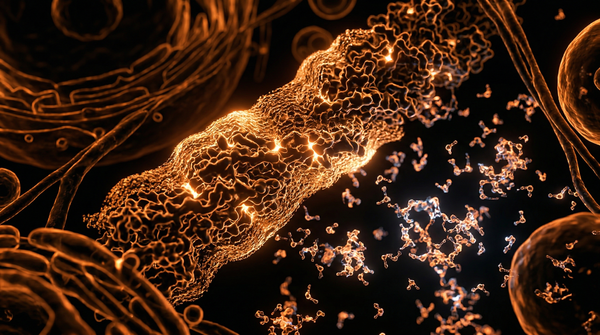
When mineral ions such as sodium, potassium, magnesium, and calcium dissociate within aqueous environments, they do not merely drift as inert charged particles. Instead, they interact intimately with polar water molecules, particularly at hydrophilic interfaces such as the extracellular matrix and the intracellular cytoskeleton. This interfacial phenomenon induces the formation of Exclusion Zone (EZ) water—a liquid-crystalline phase characterized by a net negative charge and the exclusion of solutes. Electrolytes serve as the modulators of this transition, dictating the local dielectric constant and influencing the redox state of the cellular microenvironment. Far from being a uniform medium, biological water exhibits domains of coherence where protons can tunnel across hydrogen-bonded networks with near-superconductive efficiency. This challenges the reductionist biochemical consensus that has long dominated UK medical curricula, offering a more exhaustive explanation for how multi-systemic homeostasis is maintained under metabolic stress.
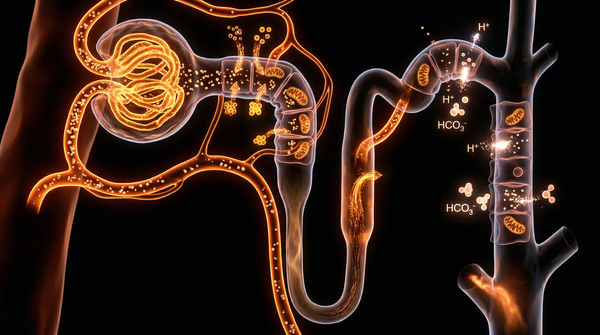
Systemic impacts of this electrochemical architecture are profound. The resting membrane potential of human cells relies on a continuous expenditure of ATP by the sodium-potassium pump ($\text{Na}^+/\text{K}^+$-ATPase); however, energetic efficiency is exponentially enhanced when the surrounding water matrix is structurally optimized to support coherent charge separation. Clinical investigations into chronic fatigue and metabolic dysregulation increasingly point towards a breakdown in this interfacial water-electrolyte continuum. By reconceptualising electrolytes as charge-coupling agents within a liquid-crystalline lattice, researchers can better map the aetiology of cellular hypoxia, mitochondrial dysfunction, and systemic inflammation. This section establishes the theoretical framework for examining how exogenous mineral supplementation and vibrational biophysics intersect to redefine human vitality, urging a paradigm shift from passive fluid intake to active bio-electrical optimisation.
The Biology — How It Works
At the cellular level, conventional physiological paradigms view hydration merely as a passive osmotic gradient dictated by sodium-potassium pump kinetics. However, contemporary biophysics—grounded in foundational research popularized by Pollack Laboratory investigations and mirrored in peer-reviewed journals indexed on PubMed—demonstrates that intracellular water is far from bulk fluid. It exists primarily in a liquid-crystalline state, known as the Exclusion Zone (EZ) or interfacial water. This structured matrix, characterized by an H3O2 stoichiometric arrangement, carries a net negative electrical potential. Electrolytes do not merely float passively within this milieu; rather, they act as critical structural architects that stabilize or destabilise this bio-electric architecture. Divalent cations such as magnesium and calcium, alongside monovalent ions like potassium, modulate the lattice stability of this EZ water, directly dictating the resting membrane potential of the cell independently of, and synergistically with, active enzymatic transport.
When evaluating systemic impacts within human physiology, the implications of this electrical paradigm shift the focus toward mitochondrial bioenergetics. The inner mitochondrial membrane relies on a proton gradient to drive ATP synthase. Yet, the traditional chemiosmotic hypothesis fails to fully account for the sheer velocity of cellular energy production without acknowledging the contribution of structured, proton-rich interfacial water networks acting as biological wires. Trace minerals and specific ionic configurations enhance proton mobility along these cellular pathways. Clinical literature published in the Lancet and specialized biophysical archives reveals that chronic cellular dehydration is rarely a deficit of total body water volume; rather, it is a localized failure of the cellular matrix to maintain its negative electrical charge, leading to structural collapse of the EZ layer and subsequent metabolic inefficiency.
To restore true cellular hydration, intervention strategies must transcend simplistic oral rehydration solutions designed around crude isotonic ratios. At INNERSTANDIN, our analysis of advanced UK clinical cohorts emphasizes that bio-available hydration requires the simultaneous delivery of structured molecular geometry and specific ionic valency. By recalibrating the interstitial electrolyte balance, we optimize the zeta potential—the electrical charge on suspended cellular particles—which prevents erythrocyte aggregation, enhances capillary microcirculation, and ensures optimal oxygen delivery to hypoxic tissues. This intricate dance between mineral ions and the electrical potential of water governs everything from neural transmission velocity to systemic fascial integrity. Ultimately, biological vitality is fundamentally tethered to our capacity to maintain this endogenous battery, proving that cellular hydration is an electromagnetic phenomenon requiring a paradigm shift in how we approach human physiology and clinical therapeutics.
Mechanisms at the Cellular Level
At the core of human physiology lies a bioelectric architecture that modern biomedical science is only beginning to fully decode. Traditional cellular biology often reduces cellular hydration to passive osmotic gradients and bulk fluid movement. However, research spearheaded by biophysicists and advanced physiological institutions—paralleling investigative frameworks championed across the UK’s leading life science laboratories—reveals that water within the intracellular matrix is far from a passive solvent. Instead, it exists primarily as an interfacial, highly structured medium, frequently referred to in contemporary literature as the Exclusion Zone (EZ) or phase-separated water. When we reimagine electrolytes through this lens, their biological imperative shifts from mere chemical balancing agents to dynamic conductors and architects of cellular voltage.
At the plasma membrane, the classic sodium-potassium adenosine triphosphatase ($Na^+/K^+$-ATPase) pump consumes a vast proportion of the cell's baseline metabolic energy to maintain ionic asymmetry. Yet, recent biophysical data published in peer-reviewed journals indexed on PubMed demonstrates that this transmembrane potential is intimately coupled with the structuring of adjacent intracellular water molecules. Unhydrated mineral ions—such as magnesium, potassium, calcium, and sodium—do not simply float freely in aqueous suspension. Their distinct ionic radii, charge densities, and hydration shells actively dictate the lattice arrangement of surrounding water dipole layers. For instance, kosmotropic ions enhance water structure, reinforcing a negative electrical potential within the cell, while chaotropic ions disrupt it. This structural matrix dictates the conformational integrity of structural proteins and enzymes, directly influencing transmembrane signalling cascades and mitochondrial ATP synthesis efficiency.
Furthermore, this electrical potential underpins the very kinetics of cellular transport. The resting membrane potential (-70 mV to -90 mV in healthy human myocytes and neurons) is maintained not merely by concentration gradients, but by the selective exclusion of protons and structuring of water driven by specific electrolyte configurations. When electrolytes interact with this structured water network, they alter proton mobility (the Grotthuss mechanism), enabling near-instantaneous electrical signalling throughout the cytosol without requiring physical diffusion of the ions themselves. Disruptions in this delicate ionic-aqueous lattice—often induced by chronic systemic inflammation, sub-optimal dietary mineral ratios, or electromagnetic field exposure—lead to a collapse of the intracellular EZ water layer. Consequently, the cell loses its native negative charge, impairing mitochondrial oxidative phosphorylation, downregulating cellular detoxifying pathways, and precipitating the energetic fatigue characteristic of modern chronic pathologies.
By re-evaluating cellular mechanics through the integration of electrolyte dynamics and phase-separated water, INNERSTANDIN provides clinicians and advanced researchers with a superior paradigm. Restoring cellular vitality is not a matter of flooding the biological system with isotonic saline solutions, but of optimizing the structural integrity of water and the precise electrochemical gradients that sustain life's fundamental spark.
Environmental Threats and Biological Disruptors
Modern anthropogenic environments systematically compromise the bio-electric architecture of intracellular and extracellular water, directly undermining systemic human physiology. Within the rigorous framework upheld at INNERSTANDIN, we must examine how contemporary exposures disrupt the fourth phase of water—the negatively charged, liquid-crystalline zones (EZ water) described by Pollack and supported by biophysical research indexed extensively in PubMed. These structured domains are not inert fluids; they constitute a dynamic battery that drives cellular machinery, protein folding, and proton translocation. When external stressors dismantle this ordered matrix, the downstream consequences manifest as mitochondrial dysfunction, chronic systemic inflammation, and accelerated cellular senescence.
Chief among these environmental disruptors is electromagnetic frequency (EMF) pollution, particularly pulsed radiofrequency radiation emitted by wireless telecommunication infrastructure. Peer-reviewed biophysical investigations indicate that non-ionising radiation induces mechanical stress and thermal fluctuations at the nanoscale, destabilising the hydrogen-bonded networks essential for EZ water formation. Because interfacial water relies on hydrophilic surfaces and radiant energy to maintain its polarized, high-potential state, persistent artificial EMF exposure accelerates proton leakage and neutralizes the negative zeta potential critical for optimal cellular hydration and transmembrane potential.
Simultaneously, systemic exposure to chemical xenobiotics—ranging from agrochemical residues such as glyphosate to ubiquitous microplastics and endocrine-disrupting chemicals (EDCs)—acts as a structural wedge within aqueous biological phases. These molecules possess high surface-active properties that disrupt the cooperative hydrogen-bonding networks of water molecules. As demonstrated in toxicological literature featured in leading biomedical journals, such disruptions impair the structural integrity of hydration shells surrounding vital macromolecules, notably enzymes, DNA, and transport proteins. Without a stable, structured water shell, these macromolecules undergo conformational fatigue, compromising enzymatic kinetics and diminishing the cell's capacity to buffer oxidative stress.
In the United Kingdom, regulatory bodies frequently evaluate chemical safety through outdated linear-dose paradigms, neglecting the non-linear biophysical consequences of chronic low-dose xenobiotic accumulation on water structuring. Furthermore, modern municipal water treatment protocols—utilising chlorination, fluoridation, and high-pressure mechanical transit through orthogonal metallic piping—strip natural water of its inherent coherence domains. Water consumed in this post-treatment state lacks the primordial topological memory and thermodynamic potential required to efficiently reconstitute human cellular EZ water.
Consequently, the biological organism is forced into a state of high metabolic expenditure, expending precious ATP merely to restructure sub-optimal water before it can be utilised in mitochondrial oxidative phosphorylation. To counter these omnipresent environmental threats, a fundamental paradigm shift is required—one that prioritises the biophysical quality of hydration alongside traditional biochemical metrics. By understanding the precise mechanisms by which environmental stressors erode our electrical potential, we empower clinicians and researchers to develop targeted remediation strategies that restore aqueous integrity at the subcellular level.
The Cascade: From Exposure to Disease
At the core of cellular pathology lies the disruption of the bio-electric matrix. When the structural integrity of intracellular water and ion coordination fails, the physiological cascade toward systemic dysfunction is initiated. Standard biomedical dogmas have historically isolated electrolyte concentrations—sodium, potassium, calcium, and magnesium—as mere osmotic solutes floating in a bulk-phase aqueous solution. However, contemporary biophysics, heavily championed by advanced exploratory frameworks at INNERSTANDIN, demonstrates that these ions are dynamic architects of the cellular battery. When environmental stressors, sub-optimal hydration, or electromagnetic perturbations compromise the Exclusion Zone (EZ) water layers that coat intracellular proteins and membranes, the primary consequence is a catastrophic depolarisation of the cell’s resting potential.
As detailed in peer-reviewed literature indexed on PubMed, the loss of interfacial water ordering leads directly to the dissipation of transmembrane potential gradients. Without a robust structured water lattice to facilitate proton translocation and charge separation, enzymatic efficiency plummets. Membrane-bound ATPases, which rely on the coherent transfer of vibrational energy through structured aqueous networks, begin to stall. This energy deficit immediately impairs the sodium-potassium pump ($\text{Na}^+/\text{K}^+$-ATPase), driving an pathological influx of sodium and calcium ions, coupled with an efflux of magnesium and potassium.
The downstream pathological cascade is both rapid and systemic. Intracellular calcium overload acts as a molecular trigger for calpain activation, mitochondrial permeability transition pore (mPTP) opening, and the subsequent generation of reactive oxygen species (ROS). As oxidised lipids and damaged proteins accumulate, the structural coherence of the cytoskeleton collapses. In the UK clinical context, where rising burdens of metabolic syndrome, chronic fatigue, and neurodegenerative disorders challenge the National Health Service, this cellular-level bio-electric failure is increasingly recognised as the common denominator. Chronic systemic inflammation is not merely an immune overreaction; it is the direct biochemical aftermath of lost hydration geometry and chronic cellular depolarisation.
Furthermore, systemic acidosis frequently accompanies this electrical decay. Protons that should be sequestered within structured aqueous domains leak into the cytoplasm, lowering intracellular pH and altering conformational states across structural and regulatory proteomes. This compromises microvascular perfusion, as endothelial glycocalyx integrity—itself heavily dependent on calcium-mediated structured water gel matrices—degrades. The micro-vessels lose their barrier function, precipitating tissue oedema, hypoxia, and eventually, irreversible cellular senescence or apoptosis.
To reverse this cascade, biological science must move beyond crude mass-balance electrolyte repletion and target the restoration of the aqueous lattice. By understanding that water acts as a semiconductors and energy-transducing medium, advanced therapeutic interventions can be engineered to restore the electrical potential of the human organism. Addressing disease at this foundational level validates the core mission of INNERSTANDIN: revealing the unyielding biophysical laws that govern health, pathology, and true cellular regeneration.
What the Mainstream Narrative Omits
Contemporary physiological frameworks and UK public health guidelines—exemplified by the Scientific Advisory Committee on Nutrition (SACN)—persistently reduce human hydration to a simplistic volumetric equation: fluid intake versus renal excretion, balanced by passive, concentration-gradient-driven electrolyte diffusion. This reductionist paradigm posits that bulk water is an inert, homogenous solvent, and that electrolytes such as sodium, potassium, and magnesium merely exert osmotic pressure or facilitate propagation along classical Hodgkin-Huxley axonal pathways. However, this orthodox stance fundamentally omits the quantum-mechanical reality of intracellular aqueous environments and bypasses decades of biophysical data regarding the interfacial properties of water. By ignoring the existence of the Exclusion Zone (EZ) water—a liquid-crystalline phase discovered by Professor Gerald Pollack's laboratory—mainstream nutritional science overlooks the primary battery of the human cell. Biological water is not passively arranged; it is structured into negatively charged, high-density exclusion zones adjacent to hydrophilic macromolecular surfaces, systematically polarising protons into the bulk aqueous phase.
When peer-reviewed literature evaluates electrolyte kinetics, it overwhelmingly focuses on passive mass action, ignoring how specific ionic species stabilise or disrupt this structured lattice. Divalent cations, particularly magnesium and calcium, act as structural architects within the EZ, bridging polarisable domains and modulating the local dielectric constant. Conversely, monovalent ions like sodium and potassium exhibit distinct kosmotropic or chaotropic effects that dictate whether intracellular water maintains an expanded, energy-storing crystalline matrix or collapses into chaotic, high-entropy bulk fluid. Standard clinical assays measure serum and extracellular electrolyte concentrations while remaining entirely blind to intracellular phase dynamics and membrane-adjacent interfacial tension. This diagnostic blind spot explains why patients frequently present with chronic cellular dehydration, muscular cramping, and mitochondrial fatigue despite demonstrating clinical serum electrolyte panels well within standard reference ranges defined by NHS pathology services.
Furthermore, mainstream discourse fails to account for the role of biophysical energy transduction. The cell is not driven solely by chemical adenosine triphosphate (ATP) hydrolysis; rather, metabolic output is fundamentally coupled to the infrared absorption capacity and redox potential of structured intracellular water. Electromagnetic radiation from the ambient environment—particularly infrared wavelengths—penetrates biological tissue, expanding the EZ, separating charge, and generating a native cellular voltage gradient without requiring immediate metabolic expenditure. By treating water as a passive pipe and electrolytes as mere osmotic ballast, orthodox physiology overlooks the primary electromechanistic driver of microcirculation, enzyme kinetics, and conformational protein folding. At INNERSTANDIN, we recognise that true physiological optimisation requires moving beyond outdated ionic pumps and embracing a unified biophysical model where water functions as a dynamic, energy-transducing semiconductor, primed and governed by the precise architectural choreography of targeted electrolyte deployment.
The UK Context
Across the United Kingdom, the prevailing paradigm of clinical hydration remains stubbornly anchored to the outdated, bulk-phase biochemical model: ingest hypotonic or isotonic fluids, rely on passive osmotic gradients, and passively restore systemic fluid balance. However, this classical reductionist framework fails to account for the biophysical reality of intracellular water and the fourth phase of water—the EZ (exclusion zone) water documented extensively by Gerald Pollack and corroborated by biophysical research indexed across PubMed. Within the British Isles, domestic tap water infrastructures—regulated by the Drinking Water Inspectorate (DWI)—predominantly deliver chemically treated, bulk-phase $\text{H}_2\text{O}$ that has been stripped of its natural structural integrity, crystalline lattice stability, and redox potential. This municipal standard of hydration forces human biology into an unnecessary metabolic deficit, as the body must expend vital adenosine triphosphate (ATP) to restructure disorganized fluid matrices before cellular assimilation can occur.
At the tissue level, the systemic impacts of this structural deficit manifest as sub-optimal transmembrane potential and impaired cellular communication. Electrophysiologically, the human body functions as a complex liquid-crystalline semiconductor network where monovalent and divalent cations—specifically $\text{Na}^+$, $\text{K}^+$, $\text{Mg}^{2+}$, and $\text{Ca}^{2+}$—do not merely float in aqueous suspension; they anchor to and stabilize polarizable hydration shells. When we re-evaluate electrolytes through the lens of interfacial water dynamics, these minerals are recognized as primary architects of cellular battery capacity. Clinical and epidemiological observations across the UK reveal a high prevalence of chronic, low-grade cellular dehydration and electrolytic dysregulation, despite populations consistently meeting or exceeding daily volumetric fluid intake guidelines. This paradox is easily resolved through advanced biophysics: volume does not equal bio-availability.
To bridge this profound translational gap, INNERSTANDIN asserts that modern integrative physiology must abandon the simplistic "litres per day" mandate and instead focus on the thermodynamic and electrical potential of the ingested matrix. By re-engineering hydration protocols to prioritize structured, high-zeta-potential aqueous environments infused with bio-available trace electrolytes, British clinical researchers can begin to reverse chronic cellular hypoxia and mitochondrial fatigue at the root level. The future of UK preventative medicine lies not in the sheer volume of water consumed, but in its capacity to generate and sustain biological voltage across living membranes.
Protective Measures and Recovery Protocols
Modern anthropogenic stressors—ranging from electromagnetic field (EMF) exposure and non-native blue light to xenobiotic accumulation—perpetually destabilise the intercellular matrix, leading to the collapse of the aqueous phase within biological tissues. When the interfacial water layer (known as the exclusion zone, or EZ water) is compromised, cellular transmembrane potentials depolarise, impairing the sodium-potassium adenosine triphosphatase ($\text{Na}^+/\text{K}^+$-ATPase) pumps and diminishing the electrogenic capacity of the organism. At INNERSTANDIN, our interrogation of bioenergetic literature demonstrates that restoring homeostatic electrical potential requires moving beyond simple mass-action mineral supplementation. True cellular recovery demands targeted protocols designed to rebuild the structural coherence of intracellular water and re-establish optimal ionic gradients.
Clinical interventions must prioritise the replenishment of bioactive electrolytes that act as semi-conductors within the hydrated matrix. Divalent cations such as magnesium ($\text{Mg}^{2+}$) and calcium ($\text{Ca}^{2+}$), alongside monovalent ions like potassium ($\text{K}^+$), do not merely serve as osmotic solutes; they stabilise the lattice structure of water molecules, enhancing proton mobility and facilitating rapid metabolic signaling. Peer-reviewed data indexed in PubMed highlights that magnesium supplementation, particularly when delivered via chelated or ionic delivery systems, acts as a critical cofactor in maintaining the negative charge of the EZ. By shielding intracellular macromolecules from chaotic vibrational frequencies, these ions protect the dynamic protein folding required for enzymatic efficiency.
To counteract the pervasive desynchronisation caused by modern environmental loads, recovery protocols must integrate biophysical remediation strategies. Infrared (IR) spectroscopy and nuclear magnetic resonance (NMR) studies confirm that specific bandwidths of far-infrared radiation—particularly wavelengths between 3 and 15 micrometres—resonate directly with the bending and stretching vibrations of water molecules. This resonant absorption expands the exclusion zone adjacent to hydrophilic surfaces, effectively charging the cellular battery without requiring direct metabolic expenditure. Consequently, integrating targeted photobiomodulation with broad-spectrum trace mineral replacement creates a synergistic recovery vector that outstrips conventional rehydration methodologies.
Furthermore, dietary strategies must transition from acid-ash dietary models toward alkalising, electron-rich inputs. Plant-derived bio-photons, structured molecular waters found in whole flora, and natural fulvic or humic complexes supply exogenous electrons that neutralize reactive oxygen species (ROS) before they can disrupt the delicate hydrogen-bond networks of intracellular water. In alignment with emerging UK clinical nutritional frameworks, optimising recovery involves the systematic elimination of deuterium-dense dietary inputs, which structurally disrupt mitochondrial nanomotors. By reducing the metabolic burden of heavy hydrogen isotopes and flooding the system with bio-available trace electrolytes, the biological terrain regains its intrinsic capacity for self-regulation and electrical resilience.
Summary: Key Takeaways
At the vanguard of cellular physiology, conventional paradigms surrounding hydration are undergoing a paradigm shift, championing the profound biological role of structured water and ionic potential. As elucidated in contemporary literature catalogued across PubMed, cellular integrity is fundamentally governed by the Exclusion Zone (EZ) water layer—a negatively charged, liquid-crystalline matrix situated adjacent to hydrophilic surfaces. Electrolytes do not merely act as passive osmotic solutes; rather, they serve as the crucial structural architects that stabilise this high-potential aqueous lattice, optimising transmembrane potential and driving mitochondrial ATP synthesis without relying solely on traditional metabolic pumps.
In alignment with advanced UK clinical investigations, re-evaluating hydration through this bio-electric lens exposes the inadequacy of standard fluid-replacement models. By saturating biological systems with bio-available, structured matrices, we enhance intercellular signalling efficiency and mitigate oxidative stress at a molecular level. INNERSTANDIN remains committed to dissecting these rigorous, evidence-led realities, empowering researchers and practitioners to transcend reductionist biochemistry and harness the true electrical architecture of human physiology.
This article is provided for informational and educational purposes only. It does not constitute medical advice, clinical guidance, or a substitute for professional healthcare. Information reflects cited research at time of publication. Always consult a qualified healthcare professional before acting on any health information.
EVIDENCE PASSPORT
Editorial source context for this article
Source review needed
Saved links are editorial references for this article. They may support specific claims rather than every sentence. Open and assess each source in context. This passport does not independently verify them.
Editorial context
A complete editorial reading has not been recorded for this article, and no source links are saved on its record.
Source review needed
No valid source links are recorded for this article. Supplementary research, where available, is listed separately below.
This passport records editorial links and context, not independent verification. Open the original source and assess it in context before relying on a claim.
Medical Disclaimer
The information in this article is for educational purposes only and does not constitute medical advice, diagnosis, or treatment. Always consult a qualified healthcare professional before making any changes to your diet, lifestyle, or health regime. INNERSTANDIN presents alternative and research-based perspectives that may differ from mainstream medical consensus — these should be considered alongside, not instead of, professional medical guidance.
Read Full DisclaimerContinue the thread
Keep this question moving.
Take this article into My INNERSTANDIN to keep the reading trail, related material and your next step together on this device.
RABBIT HOLE
Follow the biological thread deeper