
Endocrine Disruptors: Phthalates in Neonatal Intensive Care
Updated May 2026
Neonatal intensive care units often use medical devices containing phthalates that leach into vulnerable infants. These endocrine disruptors can interfere with male reproductive development and metabolic health.
Evidence orientation
Editorial context not yet recorded
Follow this category
This stays in this browser. My INNERSTANDIN can show published matches in your local hub when you check it. It does not send email, push, or alert notifications.
Local learning review
A private browser aid for revisiting ideas. It is not an alert or a health recommendation.
Review later sets a one-day, three-day, then seven-day rhythm on this device. Choose it only when you want to revisit this article.
Overview
The Neonatal Intensive Care Unit (NICU) is often viewed as the pinnacle of modern medical achievement—a high-tech sanctuary where the most vulnerable human beings are shielded from the harshness of the external world. However, beneath the hum of ventilators and the rhythmic beep of heart monitors lies a silent, chemical paradox. The very equipment designed to sustain life—infusion sets, endotracheal tubes, umbilical catheters, and enteral feeding bags—is frequently composed of polyvinyl chloride (PVC) softened with high concentrations of phthalates.
Phthalates, specifically Di(2-ethylhexyl) phthalate (DEHP), are endocrine-disrupting chemicals (EDCs) that do not chemically bind to the plastic matrix. Instead, they leach continuously into the fluids, medications, and air delivered directly into the neonate’s systemic circulation. For a premature infant, whose metabolic pathways are immature and whose developmental windows are precariously sensitive, this exposure is not merely a "side effect"; it is a profound biological intervention.
The scale of this issue is staggering. Research indicates that infants in the NICU can be exposed to DEHP at levels 10 to 100 times higher than the general population. While the clinical focus remains on immediate survival—respiratory stability and weight gain—the long-term "biological debt" incurred by phthalate exposure is often ignored. These chemicals interfere with the delicate hormonal signalling required for sexual differentiation, metabolic programming, and neurological development.
This article serves as an exhaustive investigation into the hidden chemical burden of neonatal care. We will explore the molecular mechanisms of phthalate toxicity, the specific threats posed by medical plastics, and the systemic failures that allow these known toxins to remain the industry standard in life-saving equipment.
The Biology — How It Works
To understand the impact of phthalates, one must first appreciate the unique physiological state of the neonate, particularly the preterm infant. In the womb, the foetus exists in a highly controlled hormonal environment. Upon birth—especially premature birth—the infant enters a period known as "mini-puberty". This is a critical developmental window during which the Hypothalamic-Pituitary-Gonadal (HPG) axis is transiently activated.
In male infants, this period is marked by a surge in testosterone and Luteinising Hormone (LH), which is essential for the development of reproductive organs and the "masculinisation" of the brain. Phthalates are primarily anti-androgenic. They do not necessarily block androgen receptors in the same way some drugs do; instead, they interfere with the production of testosterone at the source.
Fact: Neonates lack the mature hepatic enzymes (such as glucuronosyltransferases) required to effectively metabolise and excrete phthalates, leading to a significantly longer half-life of these toxins in their systems compared to adults.
When DEHP enters the body, it is rapidly hydrolysed into its primary metabolite, MEHP (Mono-2-ethylhexyl phthalate). While DEHP is relatively inert, MEHP is highly bioactive and toxic. In the neonatal system, the transition from DEHP to MEHP occurs, but the subsequent step—conjugation with glucuronic acid for excretion—is severely compromised. This leads to a systemic accumulation of MEHP, which then migrates to lipid-rich tissues, including the brain and the developing gonads.
Furthermore, the "barrier" systems of a neonate are porous. The blood-brain barrier is not yet fully formed, and the intestinal mucosa is highly permeable. This means that phthalates administered via respiratory tubing or gastric feeds have direct, unimpeded access to the infant’s most sensitive organ systems.
Mechanisms at the Cellular Level
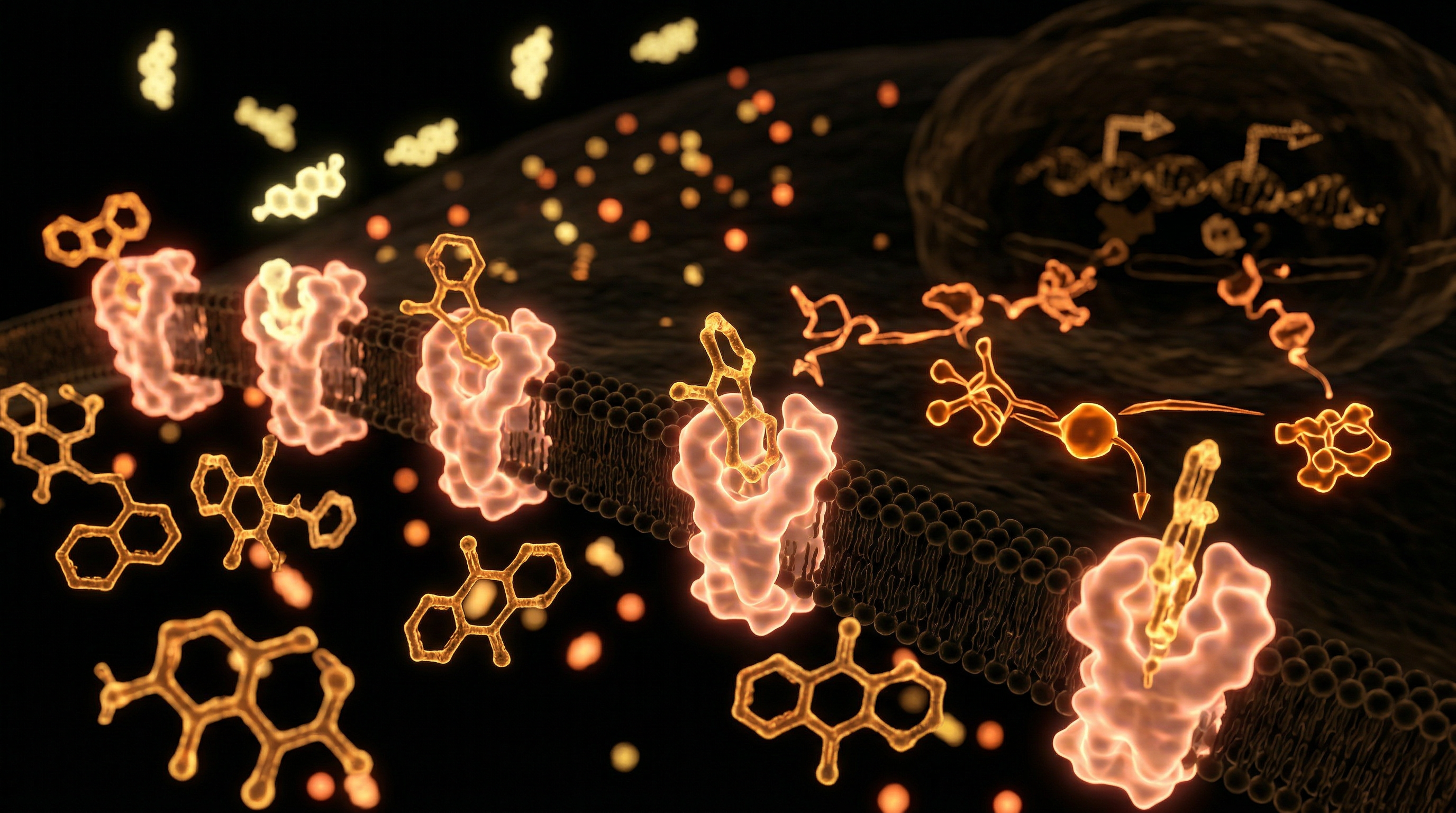
The toxicity of phthalates is not a result of "clogging" the system; it is a result of sophisticated molecular mimicry and signal disruption. The primary targets are the Leydig cells in the testes and the Peroxisome Proliferator-Activated Receptors (PPARs) throughout the body.
1. Steroidogenesis Inhibition
The most documented effect of phthalate exposure is the suppression of the StAR (Steroidogenic Acute Regulatory) protein. StAR is responsible for the rate-limiting step in steroid production: the transport of cholesterol into the mitochondria. Without this transport, the synthesis of testosterone is curtailed. In the male neonate, this leads to a "feminisation" of the reproductive tract at a cellular level, even if the outward physical signs are subtle.
2. PPAR Activation and Metabolic Programming
Phthalates are potent ligands for PPAR-alpha and PPAR-gamma. These receptors are the "master switches" for lipid metabolism and adipocyte (fat cell) differentiation. By prematurely activating these receptors, phthalates essentially "reprogramme" the infant’s metabolism.
- PPAR-alpha interference: Affects fatty acid oxidation in the liver.
- PPAR-gamma activation: Promotes the creation of more fat cells and alters insulin sensitivity.
This is a primary mechanism behind the "obesogen" theory, suggesting that NICU phthalate exposure may predispose individuals to obesity and Type 2 diabetes decades later.
3. Oxidative Stress and Mitochondrial Dysfunction
MEHP disrupts the mitochondrial membrane potential. This leads to the leakage of Reactive Oxygen Species (ROS), causing oxidative stress. In the NICU, infants are already under high oxidative stress due to supplemental oxygen therapy. Phthalates exacerbate this, leading to DNA damage and lipid peroxidation.
4. Epigenetic Alterations
Recent evidence suggests that phthalates induce DNA methylation changes. These are not mutations in the DNA sequence itself, but changes in how genes are expressed. Specifically, genes related to the HPG axis and thyroid function can be "silenced" or "over-expressed" due to early-life phthalate exposure, potentially passing these altered traits down to future generations—a phenomenon known as transgenerational epigenetic inheritance.
Environmental Threats and Biological Disruptors
The NICU environment is a minefield of plasticised PVC. Because phthalates are added to PVC to make it flexible, any piece of equipment that needs to be pliable likely contains them. Unlike other additives, phthalates are not chemically bonded to the plastic; they exist as a "liquid" within the polymer matrix, ready to migrate into any substance they touch.
Primary Sources of Exposure:
- Total Parenteral Nutrition (TPN): Lipids (fats) are often delivered via PVC tubing. Because phthalates are lipophilic (fat-loving), they migrate into the lipid emulsion with extreme efficiency.
- Endotracheal Tubes: The warm, moist environment of the respiratory tract facilitates the off-gassing and leaching of DEHP directly into the lungs.
- Blood Products: PVC bags used for blood and plasma storage are major reservoirs. DEHP actually helps stabilise red blood cell membranes, which has been used as a justification for its continued use, despite the toxic cost to the recipient.
- Umbilical Catheters: These provide a direct route for phthalates into the central venous circulation, bypassing the initial filtration of the liver.
Statistic: A study of NICU infants found that those undergoing "high-intensity" procedures (ventilation, TPN, multiple transfusions) had urinary concentrations of phthalate metabolites that were 4,000% higher than those in infants receiving "low-intensity" care.
The biological disruption is compounded by the fact that phthalates do not act in isolation. They act synergistically with other EDCs found in the NICU, such as Bisphenol A (BPA) and parabens, creating a "chemical cocktail" effect where the total toxicity is greater than the sum of its parts.
The Cascade: From Exposure to Disease
The exposure in the NICU initiates a cascade of biological events that may not manifest as overt disease for years or even decades. This is the "Long-Range Effect" of endocrine disruption.
The Phthalate Syndrome
In veterinary and clinical studies, a specific cluster of reproductive abnormalities has been termed the "Phthalate Syndrome". In males, this includes:
- Shortened Anogenital Distance (AGD): A clinical marker of reduced androgen exposure in utero and in early infancy.
- Cryptorchidism: Failure of the testes to descend.
- Hypospadias: Misplacement of the urethral opening.
- Reduced Sperm Quality: Manifesting later in adulthood as subfertility or infertility.
Neurodevelopmental Impairment
The brain is a thyroid-sensitive organ. Phthalates interfere with thyroid hormone signalling, which is critical for neuronal migration and myelination. High levels of neonatal phthalate exposure have been correlated with:
- Reduced IQ scores in later childhood.
- Increased incidence of ADHD and autistic-like behaviours.
- Impaired motor development.
The Metabolic Trap
By altering the PPAR pathways, phthalate exposure "sets" the metabolic thermostat to a state of storage rather than expenditure. Infants who spend significant time in the NICU are often observed to have "catch-up growth," but if this growth is driven by phthalate-induced adipogenesis, it results in a higher percentage of visceral fat, leading to early-onset metabolic syndrome.
What the Mainstream Narrative Omits
The mainstream medical narrative regarding phthalates in the NICU is one of "calculated necessity." The argument posited by medical device manufacturers and many hospital boards is that the life-saving benefits of PVC equipment outweigh the "theoretical" risks of chemical exposure. However, this narrative is built on several omissions.
1. The Suppression of Alternatives
The technology to produce DEHP-free medical equipment has existed for decades. Materials like polyolefins, silicone, and even phthalate-free PVC (using alternative plasticisers like TOTM or DINCH) are available. The primary reason they are not the universal standard is cost and supply chain inertia. The "necessity" is economic, not clinical.
2. The Failure of the Precautionary Principle
In European and UK law, the Precautionary Principle suggests that if an action or policy has a suspected risk of causing harm, the burden of proof that it is not harmful falls on those taking the action. In the case of phthalates, this has been inverted. Regulators have allowed continued use because "definitive" long-term human trials are ethically impossible to conduct on neonates, effectively using an entire generation of infants as an unwitting test group.
3. Regulatory Capture
The agencies responsible for setting "Safe Daily Limits" often rely on industry-funded data. Furthermore, these limits are calculated for adults. There is no such thing as a "safe limit" for an endocrine disruptor during a critical developmental window, as even picomolar concentrations (parts per trillion) can trigger significant biological changes.
4. The "Cumulative Load" Ignored
Mainstream safety assessments usually look at one chemical at a time. They ignore the reality that a NICU infant is exposed to a barrage of different phthalates and other EDCs simultaneously. This "cumulative load" is never factored into the safety profile of medical devices.
The UK Context
In the United Kingdom, the National Health Service (NHS) is one of the world's largest purchasers of medical plastics. This gives the UK a unique position—and a unique responsibility.
Post-Brexit, the UK's relationship with chemical regulation has shifted. While the EU has moved toward stricter REACH (Registration, Evaluation, Authorisation and Restriction of Chemicals) regulations, specifically targeting phthalates in medical devices, the UK has faced challenges in maintaining and enforcing these standards.
Callout: As of 2023, many UK NICUs still utilise PVC tubing containing DEHP for routine procedures, despite the Medicines and Healthcare products Regulatory Agency (MHRA) acknowledging the risks to "high-risk" groups like male neonates.
The UK's ALSPAC (Avon Longitudinal Study of Parents and Children), also known as "Children of the 90s," has provided some of the most damning evidence regarding early-life chemical exposure and later health outcomes. However, there is a visible "disconnect" between the research coming out of UK universities and the procurement policies of NHS Trusts. The drive for "efficiency" and "cost-cutting" often leads to the purchase of the cheapest plastic consumables, which are almost invariably the most heavily plasticised with DEHP.
Furthermore, British parents are rarely, if ever, informed of the chemical risks associated with NICU equipment. Informed consent covers the risks of surgery or medication, but it does not extend to the material composition of the IV bag or the ventilator circuit.
Protective Measures and Recovery Protocols
While the systemic shift away from phthalates is slow, there are measures that can be taken—both at the clinical level and by parents—to mitigate the damage and support the infant’s recovery.
Clinical Strategies:
- Procurement of DEHP-free/PVC-free Circuits: Prioritising the use of silicone or polyolefin-lined tubing for TPN and blood transfusions.
- Lipid Management: Using glass syringes for lipid administration when possible, as phthalates cannot leach into or through glass.
- Filter Systems: Implementing specialized filters that may reduce the concentration of particulate plastic and certain leached chemicals.
Recovery and Biological Support:
For infants who have already undergone NICU stays, the focus must shift to supporting the body’s detoxification and metabolic pathways.
- Nrf2 Activation: Supporting the Nrf2 pathway, which regulates the body’s antioxidant response. In older children, this can be supported through diet (e.g., sulforaphane-rich vegetables).
- Glutathione Support: Since phthalates deplete glutathione, ensuring the precursors (like NAC, under medical supervision) or a diet rich in sulfur-containing amino acids is vital for hepatic conjugation.
- Microbiome Restoration: Phthalates have been shown to disrupt the gut microbiome (dysbiosis). Probiotic intervention specifically targeting strains that assist in the breakdown of environmental toxins (like certain Lactobacillus species) can be beneficial.
- Endocrine Monitoring: For male children with a history of intensive NICU care, proactive monitoring of developmental milestones and reproductive health is essential to catch and address issues like "Phthalate Syndrome" early.
The Role of Nutrition:
Vitamin C and Vitamin E have been shown in animal models to partially mitigate the oxidative damage caused by MEHP. Ensuring that the lactating mother (if breastfeeding) has an optimal intake of these antioxidants provides a secondary layer of protection to the infant.
Summary: Key Takeaways
The presence of phthalates in the NICU is a silent crisis of modern medicine. It represents a fundamental breakdown of the "First, do no harm" principle.
- Vulnerability: Neonates are uniquely susceptible to EDCs due to immature metabolism and critical developmental windows (mini-puberty).
- The Culprit: DEHP in PVC medical devices leaches into fluids and air, providing a direct route for systemic contamination.
- Molecular Damage: Phthalates inhibit testosterone production, activate metabolic "fat switches" (PPARs), and induce epigenetic changes that may be permanent.
- Systemic Failure: The continued use of these chemicals is driven by economic inertia and regulatory inadequacy, not a lack of safer alternatives.
- The NHS Crisis: In the UK, the pressure on the NHS often prioritises low-cost procurement over the long-term biological health of infants.
- Action is Possible: Transitioning to DEHP-free materials is technologically feasible and ethically mandatory. Recovery protocols must focus on antioxidant support and microbiome health.
The goal of neonatal care must expand beyond immediate survival. We must ensure that the price of life is not a lifetime of hormonal and metabolic dysfunction. It is time to demand a medical environment that is as chemically safe as it is technologically advanced. The "INNERSTANDING" of this issue is the first step toward a radical transformation in how we protect our most precious and vulnerable citizens.
This article is provided for informational and educational purposes only. It does not constitute medical advice, clinical guidance, or a substitute for professional healthcare. Information reflects cited research at time of publication. Always consult a qualified healthcare professional before acting on any health information.
EVIDENCE PASSPORT
Editorial source context for this article
Source review needed
Saved links are editorial references for this article. They may support specific claims rather than every sentence. Open and assess each source in context. This passport does not independently verify them.
Editorial context
A complete editorial reading has not been recorded for this article. Source links remain available for you to open and assess directly.
Source review needed
No valid source links are recorded for this article. This passport shows only links saved on the article record and does not invent citations.
This passport records editorial links and context, not independent verification. Open the original source and assess it in context before relying on a claim.
Medical Disclaimer
The information in this article is for educational purposes only and does not constitute medical advice, diagnosis, or treatment. Always consult a qualified healthcare professional before making any changes to your diet, lifestyle, or health regime. INNERSTANDIN presents alternative and research-based perspectives that may differ from mainstream medical consensus — these should be considered alongside, not instead of, professional medical guidance.
Read Full DisclaimerContinue the thread
Keep this question moving.
Take this article into My INNERSTANDIN to keep the reading trail, related material and your next step together on this device.
Explore this in the Body Map
See where this hits your biology. Interactive anatomy, threats, and protective protocols.
Dig deeper in the Library
Free, longform PDF volumes that go beyond headlines into mechanisms and references.