Endoplasmic Reticulum Stress and the Unfolded Protein Response: Deciphering the Switch to Programmed Cell Death
Discuss this resourceUpdated August 2026
An in-depth analysis of how ER stress triggers the Unfolded Protein Response (UPR) and the critical threshold where protective homeostatic mechanisms shift toward apoptosis.
Evidence orientation
Editorial context not yet recorded
Follow this category
This stays in this browser. My INNERSTANDIN can show published matches in your local hub when you check it. It does not send email, push, or alert notifications.
Local learning review
A private browser aid for revisiting ideas. It is not an alert or a health recommendation.
Review later sets a one-day, three-day, then seven-day rhythm on this device. Choose it only when you want to revisit this article.
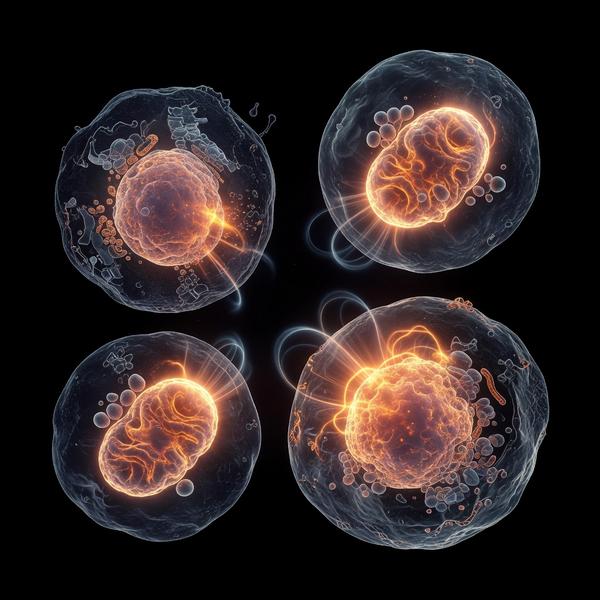
The Endoplasmic Reticulum (ER) serves as the primary site for protein synthesis, folding, and post-translational modification. When the demand for protein folding exceeds the capacity of this organelle, or when external stressors disrupt the local environment, the cell enters a state known as ER stress. This accumulation of misfolded proteins poses a lethal threat to cellular integrity.
The Unfolded Protein Response (UPR): A Double-Edged Sword
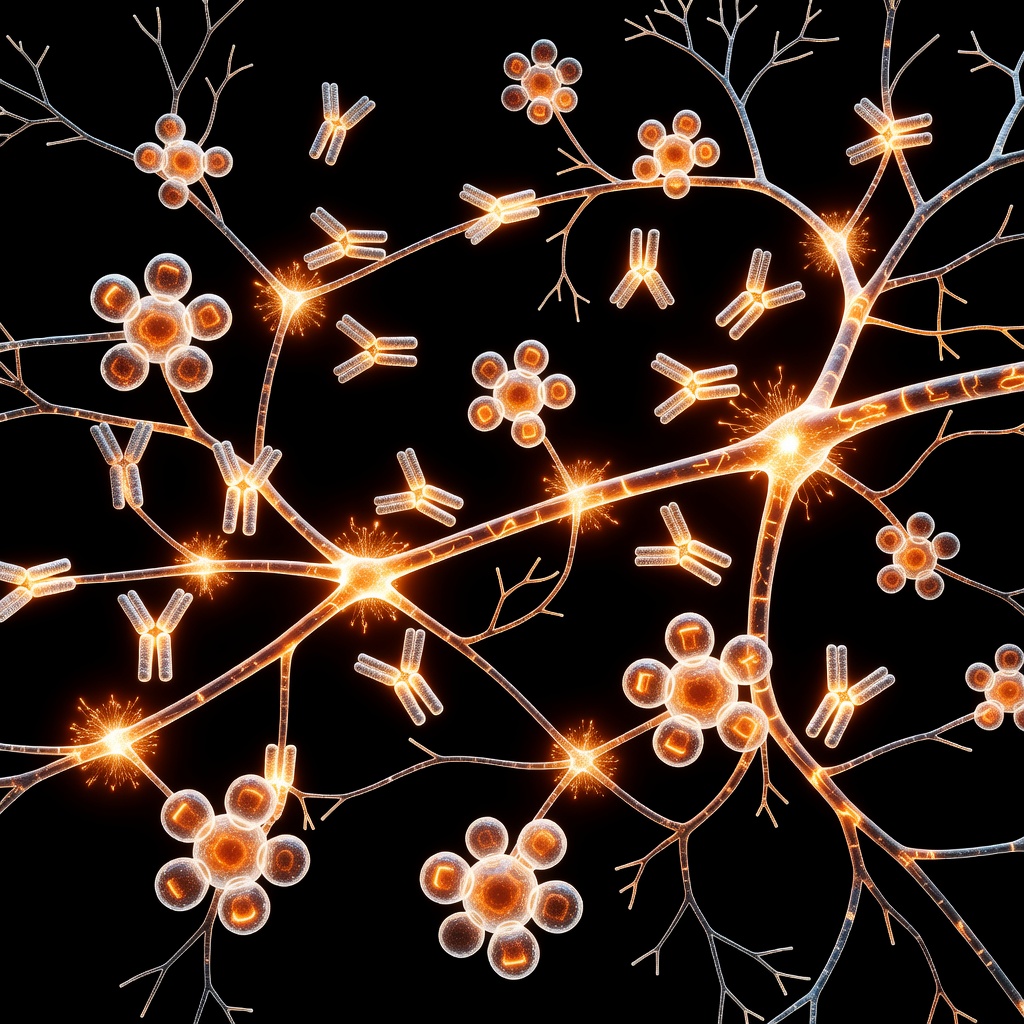
To manage this crisis, cells initiate the Unfolded Protein Response (UPR), a complex signaling network mediated by three transmembrane proteins: IRE1, PERK, and ATF6. Initially, the UPR is a cytoprotective mechanism. It aims to restore homeostasis by attenuating global protein synthesis, upregulating chaperone expression (such as BiP/GRP78), and enhancing the ER-associated degradation (ERAD) pathway to clear misfolded waste.
The Tipping Point: From Homeostasis to Apoptosis
When the root cause of the stress is chronic or overwhelming, the UPR pivots from a survival response to a terminal, pro-apoptotic signal. This switch is largely dictated by the prolonged activation of the PERK-CHOP axis. CHOP (C/EBP homologous protein) is a transcription factor that, once upregulated, suppresses anti-apoptotic proteins like BCL-2 and promotes the expression of pro-apoptotic factors. This shift effectively declares the cell 'beyond repair,' triggering the intrinsic pathway of programmed cell death.
Clinical Implications
Dysregulated ER stress is implicated in numerous pathologies, including neurodegenerative diseases (such as Alzheimer's and Parkinson's) and metabolic disorders like Type 2 Diabetes. Understanding the molecular triggers of this pathway is essential for developing therapeutic strategies to modulate protein folding capacity and prevent premature apoptosis in healthy tissue.
Conclusion: Seeking Homeostatic Balance
Deciphering the switch to programmed cell death allows us to view disease not just as cellular failure, but as an evolutionary safeguard gone awry. By addressing the root environmental and metabolic triggers of ER stress, we move closer to reclaiming cellular vitality.
This article is provided for informational and educational purposes only. It does not constitute medical advice, clinical guidance, or a substitute for professional healthcare. Information reflects cited research at time of publication. Always consult a qualified healthcare professional before acting on any health information.
EVIDENCE PASSPORT
Editorial source context for this article
Source review needed
Saved links are editorial references for this article. They may support specific claims rather than every sentence. Open and assess each source in context. This passport does not independently verify them.
Editorial context
A complete editorial reading has not been recorded for this article, and no source links are saved on its record.
Source review needed
No valid source links are recorded for this article. Supplementary research, where available, is listed separately below.
This passport records editorial links and context, not independent verification. Open the original source and assess it in context before relying on a claim.
Medical Disclaimer
The information in this article is for educational purposes only and does not constitute medical advice, diagnosis, or treatment. Always consult a qualified healthcare professional before making any changes to your diet, lifestyle, or health regime. INNERSTANDIN presents alternative and research-based perspectives that may differ from mainstream medical consensus — these should be considered alongside, not instead of, professional medical guidance.
Read Full DisclaimerContinue the thread
Keep this question moving.
Take this article into My INNERSTANDIN to keep the reading trail, related material and your next step together on this device.
RABBIT HOLE
Follow the biological thread deeper