
Environmental Arsenic Sequestration: Disrupting Sulfhydryl Enzyme Activity and Glucose Metabolism Markers
A comprehensive exploration of how environmental arsenic exposure interferes with cellular energy production and enzyme function, and how Hair Tissue Mineral Analysis (HTMA) provides a unique window into long-term sequestration and its metabolic consequences.

# Environmental Arsenic Sequestration: Disrupting Sulfhydryl Enzyme Activity and Glucose Metabolism Markers ## Introduction Arsenic is often historically documented as the 'King of Poisons,' yet in the modern industrialised world, its presence has shifted from an acute threat to a pervasive, chronic environmental toxin. For practitioners focusing on root-cause health, particularly within the framework of Hair Tissue Mineral Analysis (HTMA), arsenic represents a primary disruptor of cellular bioenergetics. Unlike acute poisoning, chronic arsenic sequestration is often subtle, masquerading as chronic fatigue, insulin resistance, or persistent neurological symptoms. Understanding how this metalloid interacts with human biochemistry—specifically its affinity for sulfhydryl groups and its interference with glucose markers—is essential for any comprehensive health intervention. ## The Biochemistry of Arsenic Sequestration The hallmark of arsenic toxicity is its chemical attraction to thiol or sulfhydryl (-SH) groups. These groups are fundamental components of numerous proteins and enzymes throughout the body.
When trivalent arsenic (Arsenite, AsIII) enters the system, it actively seeks out these sulfur-containing molecules, forming stable covalent bonds. This process is known as sequestration. By binding to these sites, arsenic effectively 'hijacks' the protein's structure, rendering it non-functional. This affinity for sulfur is why arsenic is so readily sequestered in keratinised tissues like hair, skin, and nails, making HTMA a superior diagnostic tool compared to blood tests, which only reflect very recent exposure (usually within 24 to 48 hours). In the hair, arsenic is locked into the protein matrix as it grows, providing a longitudinal record of exposure and metabolic burden. ## Disruption of the Pyruvate Dehydrogenase Complex One of the most devastating impacts of arsenic sequestration occurs within the mitochondria, specifically affecting the Pyruvate Dehydrogenase (PDH) complex.
The PDH complex is a vital gateway in cellular respiration, responsible for converting pyruvate (a product of glycolysis) into Acetyl-CoA, which then enters the Krebs cycle to produce ATP (energy). The PDH complex relies heavily on a cofactor called lipoic acid, which contains two essential sulfhydryl groups. Arsenic binds with high affinity to these thiols in lipoic acid, effectively 'locking' the enzyme. When the PDH complex is inhibited, the body cannot efficiently oxidise glucose for energy. This leads to a metabolic bottleneck where pyruvate is diverted into lactic acid production even in the presence of oxygen, a state sometimes referred to as 'chemical hypoxia.' Patients suffering from this sequestration often present with profound, unexplained fatigue and exercise intolerance, as their cellular 'engines' are physically prevented from burning fuel. ## Impact on Glucose Metabolism and Insulin Sensitivity The interference with PDH is only one aspect of arsenic’s impact on glucose metabolism.
Research indicates that arsenic exposure is a significant risk factor for the development of Type 2 Diabetes and metabolic syndrome. Arsenic disrupts the insulin signalling pathway at multiple levels. Firstly, it interferes with the translocation of GLUT4 transporters—the 'doors' that allow glucose to enter muscle and fat cells. Secondly, arsenic can mimic phosphate in the body (due to their similar chemical structures), leading to the formation of unstable 'arsenylated' compounds instead of high-energy phosphorylated ones. This 'arsenolysis' disrupts the very foundation of energy storage.
On an HTMA report, we often see arsenic sequestration alongside dysregulated ratios of Chromium and Vanadium, minerals essential for insulin sensitivity. The resulting 'arsenic-induced diabetes' is a root-cause issue that cannot be solved by dietary carbohydrate restriction alone; the toxic block must be addressed to restore normal enzyme kinetics. ## HTMA: The Window into Chronic Exposure For the educational health platform INNERSTANDING, the clinical value of HTMA lies in its ability to detect 'hidden' arsenic. In many cases, a client may show a 'low-normal' arsenic level on an initial hair test, but as their metabolic rate improves and their body begins to mobilise stored toxins, the arsenic levels may paradoxically rise on follow-up tests. This is a sign of successful detoxification of sequestered stores. Furthermore, HTMA allows us to observe the relationship between arsenic and its mineral antagonists.
Arsenic is a potent antagonist to Selenium, a mineral required for the production of glutathione peroxidase, the body's primary antioxidant enzyme for neutralising peroxides. When arsenic levels are high, selenium is often depleted as the body attempts to use it to bridge and excrete the arsenic. This depletion leaves the individual vulnerable to oxidative stress and thyroid dysfunction. ## Neurological and Dermatological Manifestations beyond Metabolism Because the central nervous system and the skin are both high in sulfur-containing proteins, they are primary sites for arsenic sequestration. Chronic exposure is linked to peripheral neuropathy—often described as a 'pins and needles' sensation—due to the disruption of axonal transport and enzyme activity in nerve cells. Dermatologically, arsenic can cause hyperpigmentation and hyperkeratosis (thickening of the skin), as it interferes with the normal maturation of keratinocytes.
These physical signs, coupled with HTMA data showing elevated arsenic or skewed sulfur-to-mineral ratios, provide a clear picture of systemic toxicity. ## Conclusion: Addressing the Root Cause Addressing environmental arsenic sequestration requires more than just avoiding contaminated water or rice. It requires a strategic nutritional approach to 'unmask' the sequestered metalloid and restore enzyme function. This involves supporting the body's methylation pathways, ensuring adequate intake of sulfur-containing amino acids (like cysteine and methionine), and replenishing the mineral antagonists—specifically Selenium and Zinc—that arsenic displaces. By using HTMA to monitor these levels, practitioners can guide clients through the process of restoring their sulfhydryl enzyme activity and reclaiming their metabolic health. Understanding that arsenic is not just a 'poison' but a 'metabolic hijacker' is the first step toward true innerstanding of environmental health.
This article is provided for informational and educational purposes only. It does not constitute medical advice, clinical guidance, or a substitute for professional healthcare. Information reflects cited research at time of publication. Always consult a qualified healthcare professional before acting on any health information.
RESEARCH FOUNDATIONS
Biological Credibility Archive
Citations provided for educational reference. Verify via PubMed or institutional databases.
Medical Disclaimer
The information in this article is for educational purposes only and does not constitute medical advice, diagnosis, or treatment. Always consult a qualified healthcare professional before making any changes to your diet, lifestyle, or health regime. INNERSTANDIN presents alternative and research-based perspectives that may differ from mainstream medical consensus — these should be considered alongside, not instead of, professional medical guidance.
Read Full DisclaimerReady to learn more?
Continue your journey through our classified biological research.
THE ARSENAL
Based on Hair Tissue Mineral Analysis (HTMA) — products curated by our research team for educational relevance and biological support.
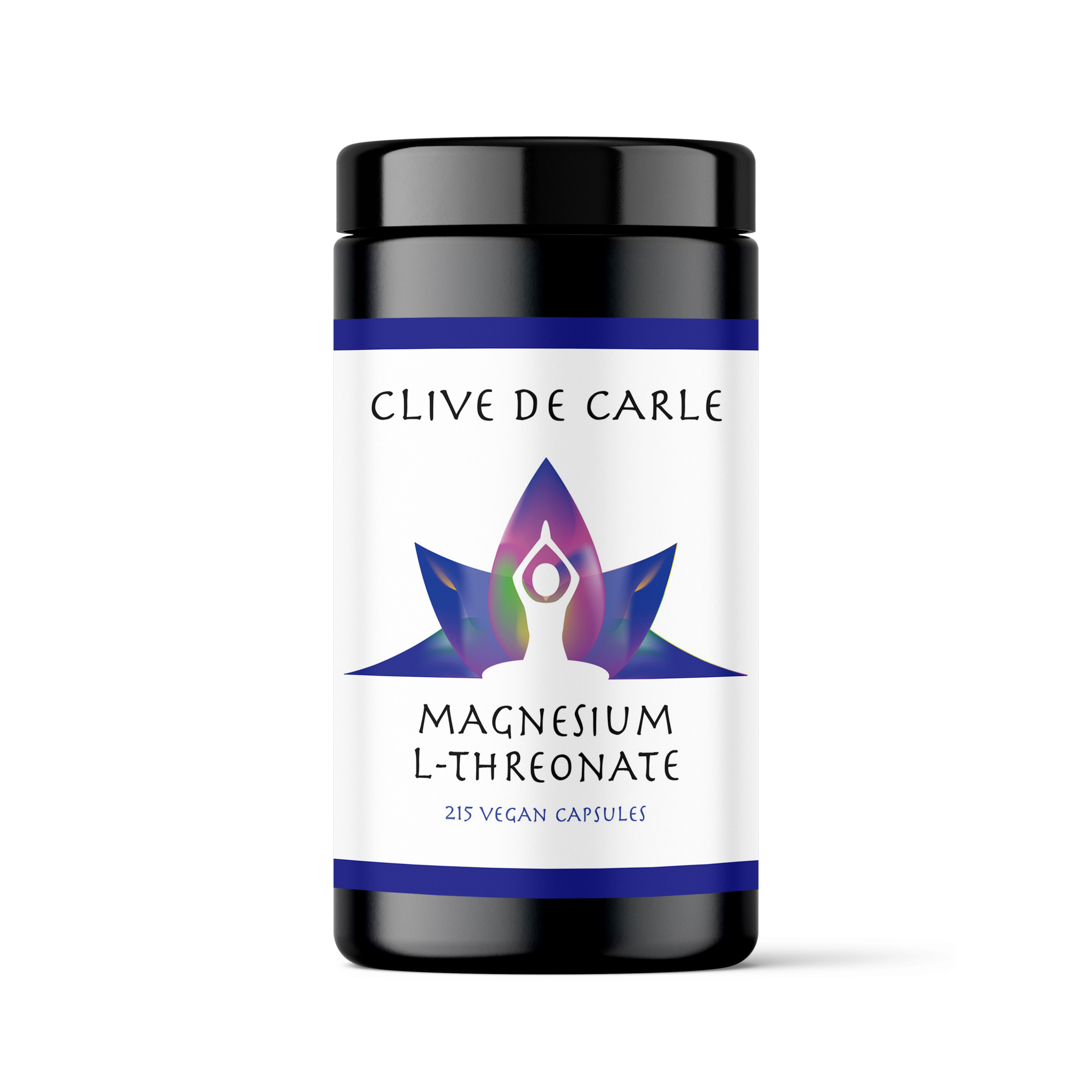
Magnesium L-Threonate

Rejuvenation Pack – Essential Vitamins and Minerals for Health Restoration
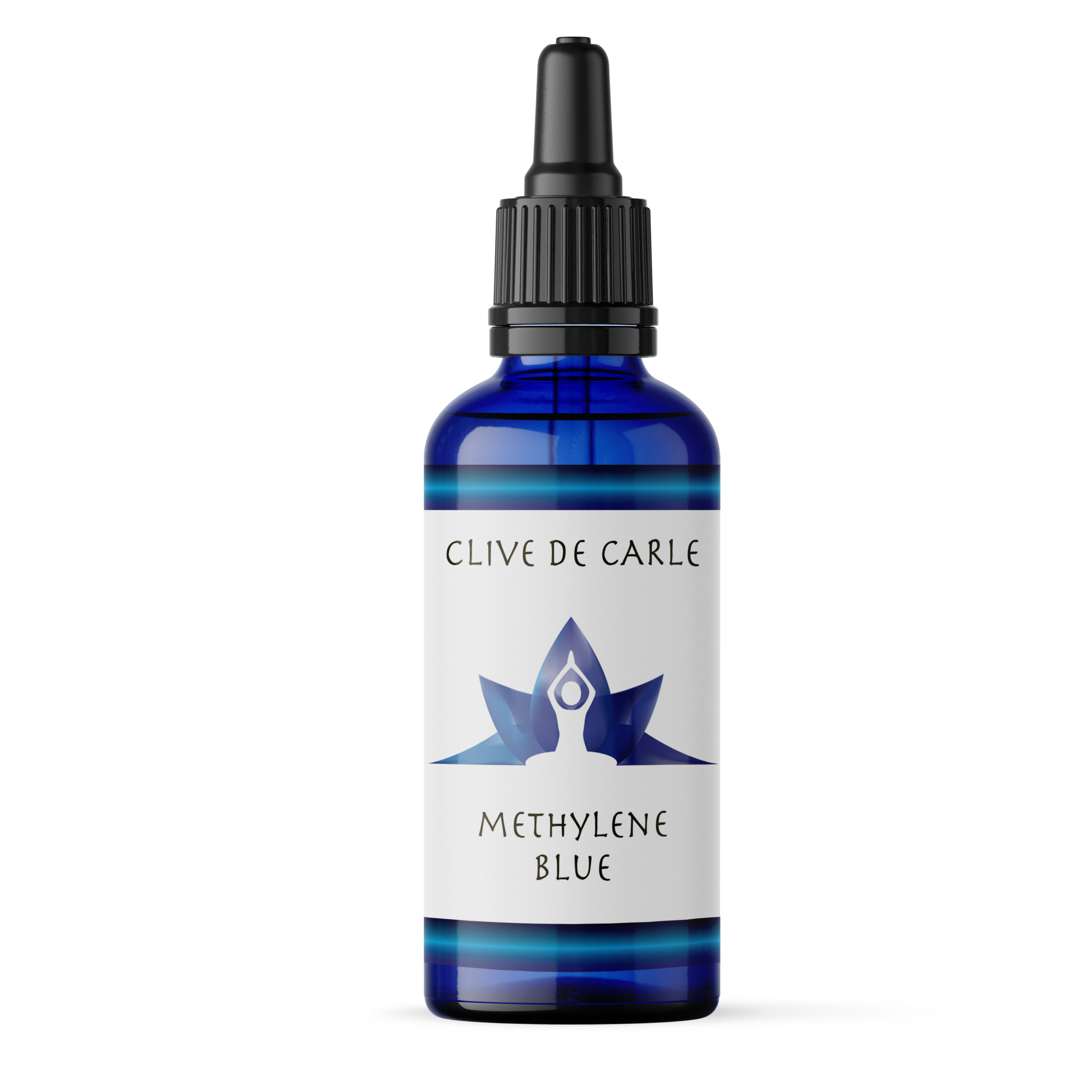
Methylene Blue – Advanced Cellular Chemistry
INNERSTANDING may earn a commission on purchases made through these links. All products are selected based on rigorous educational relevance to our biological research.
RABBIT HOLE
Follow the biological thread deeper