Zinc-Copper Antagonism: The Biological Mechanism behind Neurotransmitter Imbalance and Synaptic Dysfunction
A comprehensive examination of the biochemical interplay between Zinc and Copper, highlighting how Hair Tissue Mineral Analysis (HTMA) reveals the root causes of neurological and emotional distress through the lens of mineral antagonism.
# Zinc-Copper Antagonism: The Biological Mechanism behind Neurotransmitter Imbalance and Synaptic Dysfunction within the context of nutritional biochemistry, the relationship between zinc and copper is one of the most significant yet frequently overlooked factors in mental health and neurological stability. Often referred to as a biological seesaw, these two trace minerals operate in a strict antagonistic relationship. When this balance is disrupted—a phenomenon frequently identified through Hair Tissue Mineral Analysis (HTMA)—the result is often a cascade of neurotransmitter imbalances that manifest as anxiety, depression, ADHD-like symptoms, and cognitive decline. This article explores the deep-seated biological mechanisms that govern this mineral pair and why their ratio is the key to synaptic health. ## The Gatekeepers: Metallothionein and Intestinal Absorption the antagonism begins in the enterocytes of the small intestine. Zinc and copper compete for the same binding sites on transport proteins.
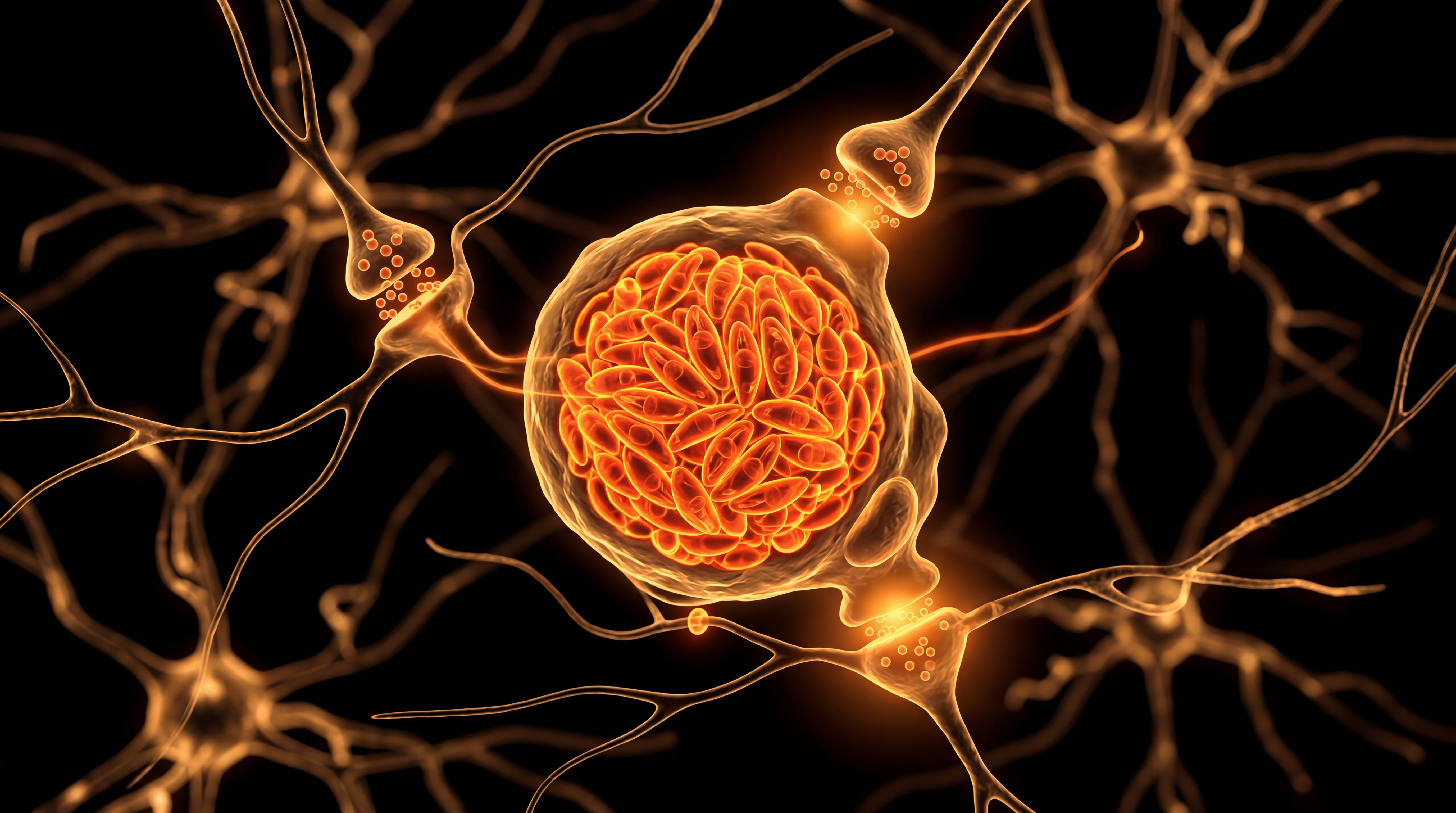
The primary regulator of this balance is a class of proteins called metallothioneins (MT). Zinc is a potent inducer of metallothionein synthesis. When zinc levels are optimal, MT binds to excess copper, preventing its absorption into the bloodstream and facilitating its excretion. However, in a state of zinc deficiency, MT levels drop, allowing copper to be absorbed unchecked. Conversely, high supplemental copper can suppress zinc absorption, creating a cycle of depletion.
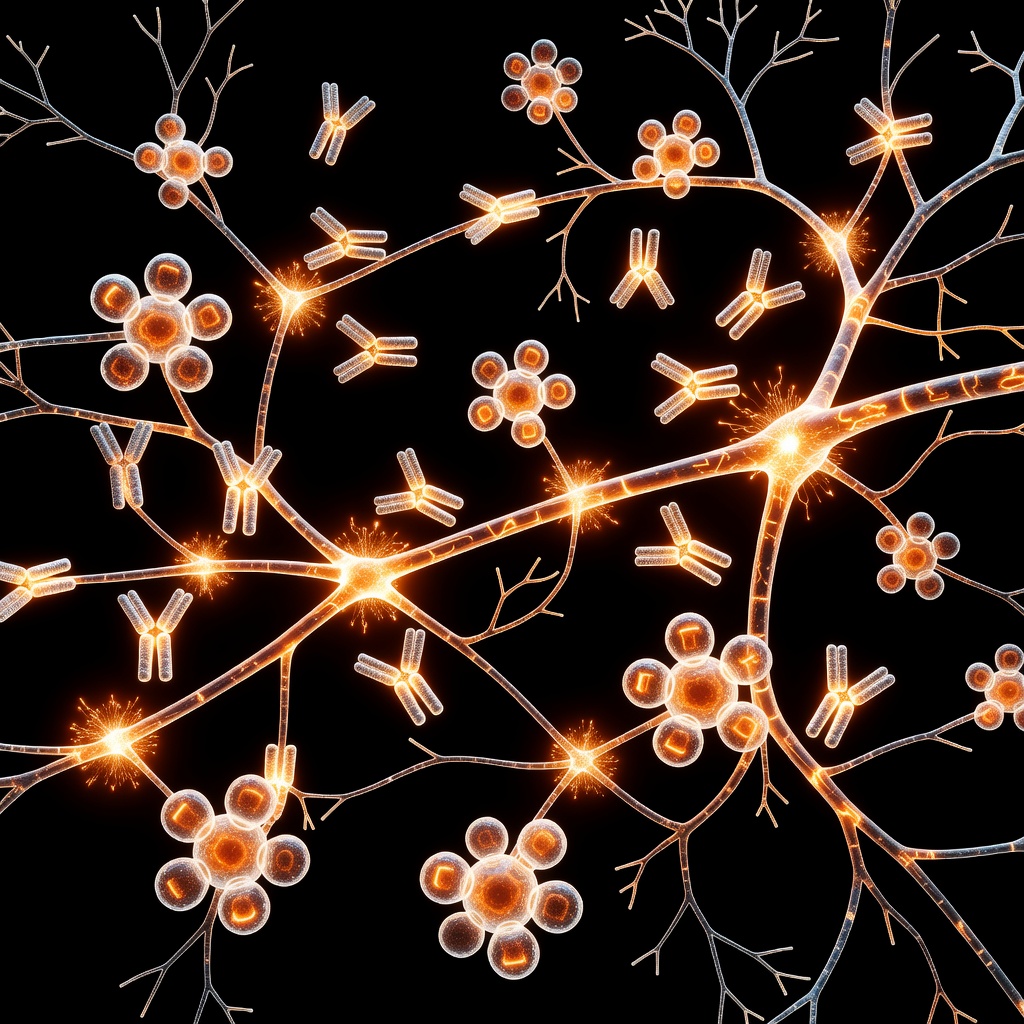
This competitive inhibition means that even a diet rich in both minerals may result in a functional deficiency of one if the ratio is skewed. In the Innerstanding framework, we look at the Zn/Cu ratio on an HTMA as a marker of this metabolic gatekeeping. ## Zinc: The Calming Modulator and GABAergic Support Zinc is highly concentrated in the brain, particularly within the synaptic vesicles of glutamatergic neurons. It acts as a sophisticated modulator of the central nervous system. Specifically, zinc is essential for the synthesis and function of Gamma-Aminobutyric Acid (GABA), the primary inhibitory (calming) neurotransmitter. Zinc acts as a co-factor for the enzyme glutamic acid decarboxylase (GAD), which converts the excitatory neurotransmitter glutamate into GABA.
When zinc is deficient relative to copper, this conversion slows down, leading to a surplus of glutamate. This 'glutamate storm' results in excitotoxicity, where neurons are overstimulated to the point of damage or death. Clinically, this manifests as a 'racing brain,' internalised tension, and an inability to relax—symptoms often misdiagnosed as purely psychological in origin. ## Copper: The Stimulator and the Catecholamine Pathway While zinc provides the 'brakes' for the nervous system, copper provides the 'accelerator.' Copper is an essential co-factor for the enzyme Dopamine Beta-Hydroxylase (DBH). This enzyme is responsible for the conversion of dopamine—our molecule of reward and focus—into norepinephrine (noradrenaline), the molecule of stress and arousal. When copper levels become excessive, or 'unbound' due to a lack of transport proteins like ceruloplasmin, the activity of DBH is pathologically increased.
This leads to a depletion of dopamine and an overproduction of norepinephrine. The resulting biochemical state is one of chronic 'fight or flight.' Low dopamine leads to a lack of motivation and anhedonia, while high norepinephrine causes hyper-vigilance, panic attacks, and sensory overstimulation. This is the classic 'tired but wired' profile often seen in copper-toxic individuals on an HTMA. ## Synaptic Dysfunction and the Estrogen Connection The impact of the zinc-copper ratio extends to the very structure of the synapse. Zinc is required for the maintenance of the blood-brain barrier and for DNA synthesis within neural cells. A shift toward copper dominance increases oxidative stress, as copper is a highly reactive transition metal.
Unbound copper can trigger the Fenton reaction, producing hydroxyl radicals that damage the lipid membranes of neurons. This oxidative stress disrupts synaptic plasticity—the brain's ability to form and reorganise connections. Furthermore, there is a profound link between copper and estrogen. Estrogen tends to raise copper levels by increasing its retention in the tissues. This is why many women experience exacerbated neurological symptoms during periods of hormonal shift, such as puberty, postpartum, or menopause, or when using copper-containing intrauterine devices (IUDs) and oral contraceptives.
The HTMA provides a unique perspective here, as blood tests often fail to show this tissue-level copper accumulation, which the body sequestered away from the vital serum to prevent immediate toxicity. ## Why HTMA is the Gold Standard for Assessment A common frustration in clinical practice is the 'normal' blood test in a patient who feels profoundly unwell. Zinc and copper are tightly regulated in the blood (serum) to maintain homeostasis. The body will pull minerals from the tissues or bone to keep blood levels within a narrow range. Consequently, serum levels are often the last to change. Hair Tissue Mineral Analysis (HTMA) acts as a metabolic 'blueprint.' Because hair is a biopsy of soft tissue, it provides a 3-month average of mineral deposition.
It reveals the Zinc-Copper ratio at the cellular level, where the actual biochemical work is done. On an HTMA, an ideal Zn/Cu ratio is approximately 8:1. When we see this ratio drop (e.g., 2:1 or 4:1), it indicates copper dominance and a likely disruption in the GABA/Glutamate and Dopamine/Norepinephrine pathways. This root-cause insight allows for targeted nutritional therapy rather than symptomatic masking. ## Restoring the Balance: A Root-Cause Approach Addressing zinc-copper antagonism is not as simple as taking a zinc supplement. Because these minerals are so interconnected, rapid supplementation can trigger a 'copper dump'—a process where the body releases stored copper into the bloodstream faster than it can be excreted, leading to a temporary worsening of symptoms.
A strategic approach involves: 1. Supporting Ceruloplasmin Production: Ensuring there is enough 'bus' (protein) to carry the copper safely. 2. Supporting Adrenal Health: The adrenal glands signal the liver to produce ceruloplasmin. 3. Antagonist Support: Using zinc, Vitamin C, and molybdenum to gently encourage copper excretion. 4. Liver and Drainage Support: Ensuring the pathways of elimination are open to handle the mineral shift.
By understanding the biological mechanism of zinc-copper antagonism, we move away from the 'chemical imbalance' theory of mental health and toward a 'biochemical discordance' model. At Innerstanding, we believe that by balancing the minerals that fuel our enzymes and neurotransmitters, we can restore the innate stability of the human nervous system.
This article is provided for informational and educational purposes only. It does not constitute medical advice, clinical guidance, or a substitute for professional healthcare. Information reflects cited research at time of publication. Always consult a qualified healthcare professional before acting on any health information.
RESEARCH FOUNDATIONS
Biological Credibility Archive
Citations provided for educational reference. Verify via PubMed or institutional databases.
Medical Disclaimer
The information in this article is for educational purposes only and does not constitute medical advice, diagnosis, or treatment. Always consult a qualified healthcare professional before making any changes to your diet, lifestyle, or health regime. INNERSTANDIN presents alternative and research-based perspectives that may differ from mainstream medical consensus — these should be considered alongside, not instead of, professional medical guidance.
Read Full DisclaimerReady to learn more?
Continue your journey through our classified biological research.
DISCUSSION ROOM
Members of THE COLLECTIVE discussing "Zinc-Copper Antagonism: The Biological Mechanism behind Neurotransmitter Imbalance and Synaptic Dysfunction"
SILENT CHANNEL
Be the first to discuss this article. Your insight could help others understand these biological concepts deeper.
THE ARSENAL
Based on Hair Tissue Mineral Analysis (HTMA) — products curated by our research team for educational relevance and biological support.
MSM Sulphur – Nature’s Forgotten Mineral
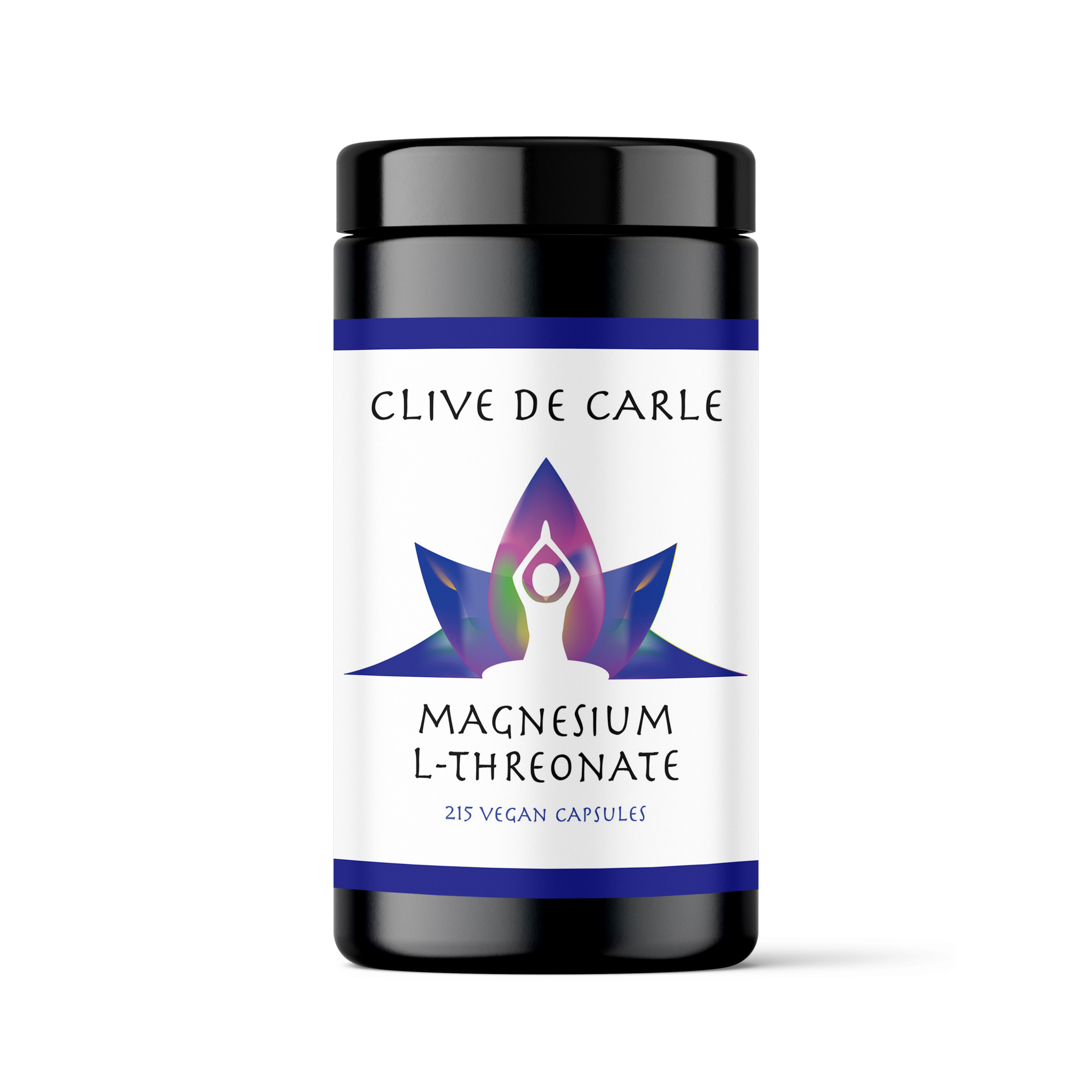
Magnesium L-Threonate
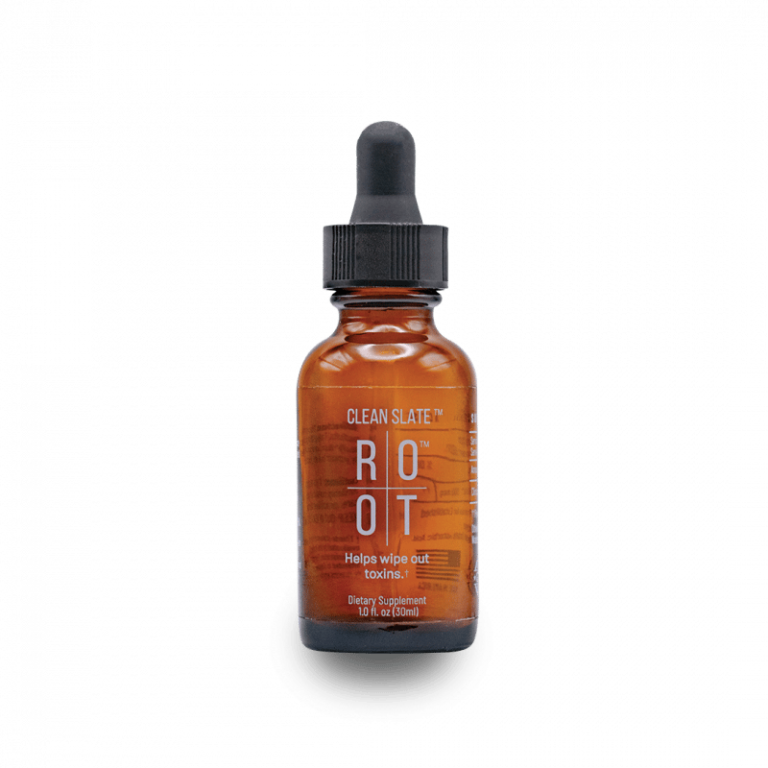
Clean Slate – Detoxes thousands of chemicals,heavy metals, pesticides, allergens, mold spores and fungus
INNERSTANDING may earn a commission on purchases made through these links. All products are selected based on rigorous educational relevance to our biological research.
RABBIT HOLE
Follow the biological thread deeper