Environmental Endocrine Disruptors and Their Role in Ileocecal Valve Myopathy
Discuss this resourceUpdated August 2026
An exploration of how synthetic chemicals acting as endocrine disruptors contribute to the structural and functional failure of the ileocecal valve, affecting gut health and systemic homeostasis.
Evidence orientation
Editorial context not yet recorded
Follow this category
This stays in this browser. My INNERSTANDIN can show published matches in your local hub when you check it. It does not send email, push, or alert notifications.
Local learning review
A private browser aid for revisiting ideas. It is not an alert or a health recommendation.
Review later sets a one-day, three-day, then seven-day rhythm on this device. Choose it only when you want to revisit this article.
The Silent Saboteurs of Gut Health
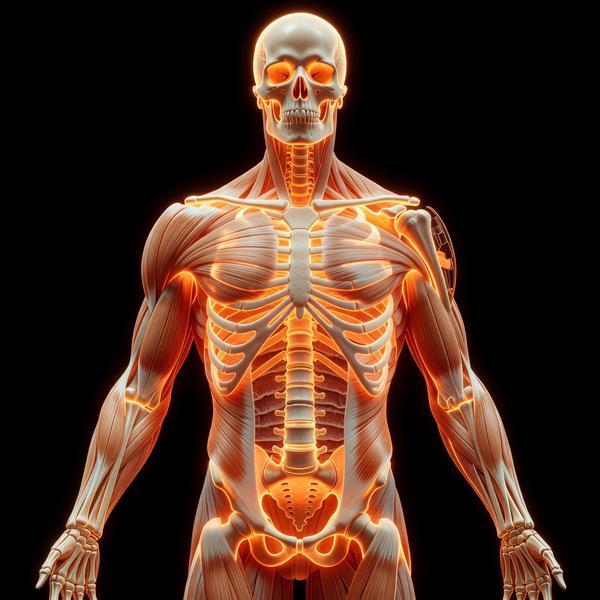
At INNERSTANDING, we focus on root-cause physiology. The ileocecal valve (ICV) is the primary gateway between the small and large intestines. When it loses its myogenic tone—a condition known as ICV myopathy—the consequences ripple throughout the body. While diet and stress are common suspects, a hidden driver is the prevalence of Environmental Endocrine Disruptors (EEDs).
Understanding Endocrine Disruptors
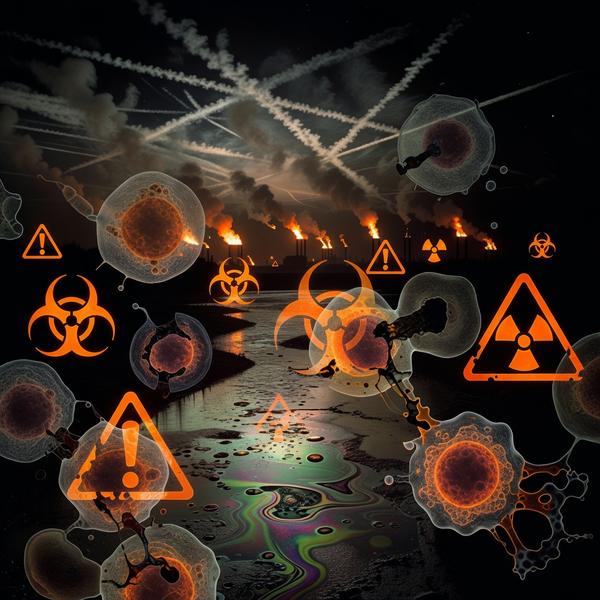
EEDs are exogenous chemicals that interfere with hormonal signaling. Common culprits include Bisphenol A (BPA), phthalates, per- and polyfluoroalkyl substances (PFAS), and certain pesticides. These compounds act as 'hormone mimics,' docking onto receptors designed for endogenous hormones. Because the gut-brain axis relies heavily on endocrine signaling to regulate peristalsis and sphincter tone, these mimics can lead to chronic dysregulation of the ICV.
The Myopathic Mechanism
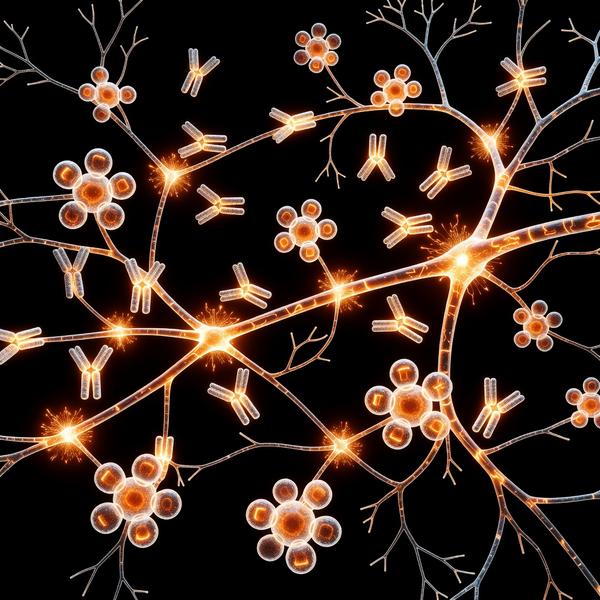
The ileocecal valve is comprised of specialized circular muscle fibers governed by both the enteric nervous system and hormonal input. Research suggests that EEDs impact the ICV through two primary pathways: hormonal receptor antagonism and oxidative stress. Many EEDs exhibit estrogenic activity, which can lead to localized inflammation in the cecal region. Chronic inflammation thickens the tissue, leading to muscular atrophy or spasm—the hallmarks of ICV myopathy. When the ICV is chemically stressed, it may fail to close properly, leading to Small Intestinal Bacterial Overgrowth (SIBO) as colonic bacteria reflux into the nutrient-rich small intestine.
The Root-Cause Connection
In our clinical framework, we view ICV myopathy not as an isolated muscle weakness but as a symptom of chemical overload. When the body's detoxification pathways (the liver and gall bladder) are overwhelmed by EEDs, the bile composition changes. Since bile flow is essential for lubricating the digestive tract and maintaining muscle health, altered bile chemistry can directly weaken the structural integrity of the valve. Furthermore, EEDs disrupt the thyroid-gut axis, where sub-clinical hypothyroidism often accompanies ICV weakness due to slowed gut transit times.
Mitigating the Impact
To restore ICV health, one must reduce the 'total toxic load.' This involves adopting an anti-inflammatory diet, filtering water to remove PFAS, and minimizing the use of plastics. Supporting phase I and II liver detoxification through cruciferous vegetables and bitter herbs can help the body clear these endocrine disruptors, allowing the ICV to regain its myogenic tone and normal functional status.
This article is provided for informational and educational purposes only. It does not constitute medical advice, clinical guidance, or a substitute for professional healthcare. Information reflects cited research at time of publication. Always consult a qualified healthcare professional before acting on any health information.
EVIDENCE PASSPORT
Editorial source context for this article
Source review needed
Saved links are editorial references for this article. They may support specific claims rather than every sentence. Open and assess each source in context. This passport does not independently verify them.
Editorial context
A complete editorial reading has not been recorded for this article, and no source links are saved on its record.
Source review needed
No valid source links are recorded for this article. Supplementary research, where available, is listed separately below.
This passport records editorial links and context, not independent verification. Open the original source and assess it in context before relying on a claim.
Medical Disclaimer
The information in this article is for educational purposes only and does not constitute medical advice, diagnosis, or treatment. Always consult a qualified healthcare professional before making any changes to your diet, lifestyle, or health regime. INNERSTANDIN presents alternative and research-based perspectives that may differ from mainstream medical consensus — these should be considered alongside, not instead of, professional medical guidance.
Read Full DisclaimerContinue the thread
Keep this question moving.
Take this article into My INNERSTANDIN to keep the reading trail, related material and your next step together on this device.
Explore this in the Body Map
Explore related body structures and their educational pages in the interactive Body Map.
Dig deeper in the Library
Free, longform PDF volumes that go beyond headlines into mechanisms and references.
RABBIT HOLE
Follow the biological thread deeper