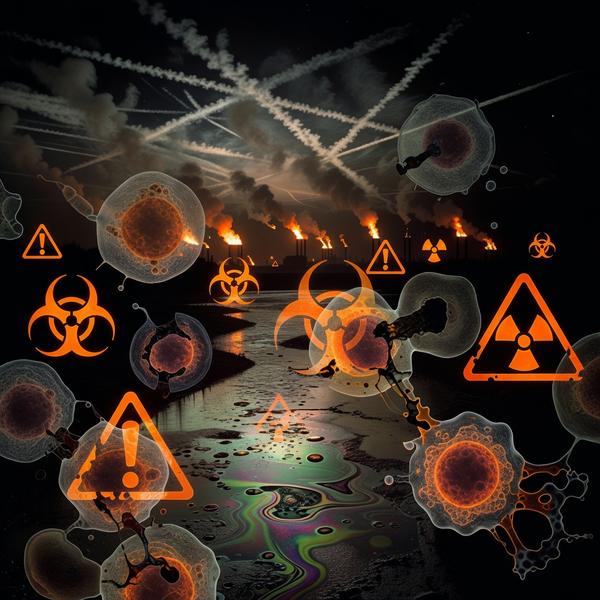
Environmental Heavy Metal Toxicity as a Primary Trigger for Caspase-Dependent Apoptotic Pathways
Discuss this resourceUpdated August 2026
An in-depth exploration of how environmental pollutants like mercury, lead, and cadmium induce mitochondrial dysfunction and trigger caspase-mediated programmed cell death.
Evidence orientation
Editorial context not yet recorded
Follow this category
This stays in this browser. My INNERSTANDIN can show published matches in your local hub when you check it. It does not send email, push, or alert notifications.
Local learning review
A private browser aid for revisiting ideas. It is not an alert or a health recommendation.
Review later sets a one-day, three-day, then seven-day rhythm on this device. Choose it only when you want to revisit this article.
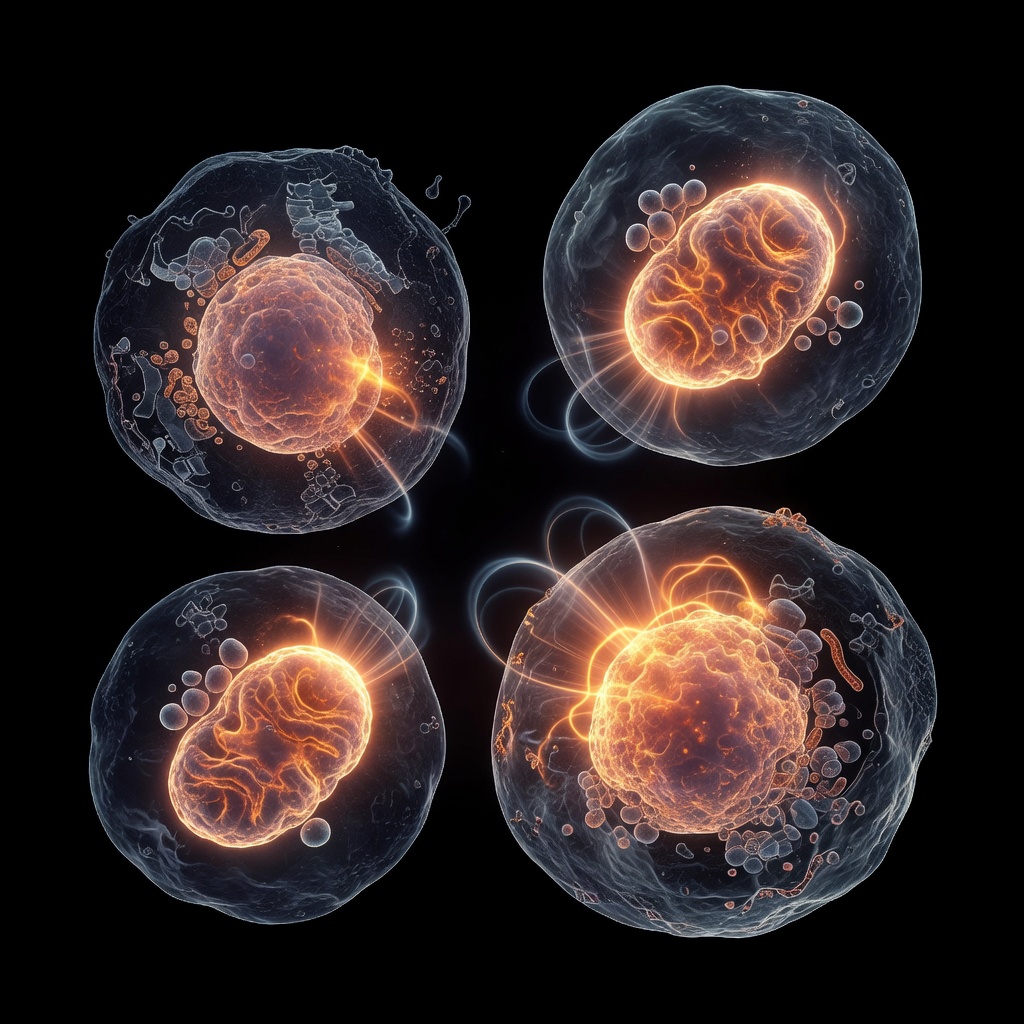
In the landscape of modern health, chronic illness is increasingly linked to cellular environment disruption. One of the most insidious contributors is heavy metal toxicity. Environmental exposure—through air, water, and diet—exposes our cellular architecture to metallic cations that do not belong in biological pathways. This article examines how these elements trigger caspase-dependent apoptosis, the body's method of programmed cell death.
The Mechanism of Toxicity: Oxidative Stress
Heavy metals such as mercury (Hg), lead (Pb), and cadmium (Cd) are potent generators of reactive oxygen species (ROS). When these metals enter the cell, they deplete the body’s primary antioxidant, glutathione, and inhibit antioxidant enzymes. This creates a state of oxidative stress that compromises the mitochondrial membrane potential.
Mitochondrial Dysfunction: The Gateway to Apoptosis
Apoptosis is typically a protective mechanism, yet environmental toxicity often forces cells into premature death. The process is primarily regulated by the mitochondria. As ROS accumulates, the mitochondrial membrane becomes permeable, releasing cytochrome c into the cytoplasm. This is the 'point of no return.' Once cytochrome c is released, it binds with Apaf-1 to form the apoptosome.
The Caspase Cascade
The apoptosome activates pro-caspase-9, which subsequently triggers the executioner caspases—caspase-3 and caspase-7. These enzymes act as molecular scissors, systematically disassembling cellular structural proteins and DNA. In the context of chronic heavy metal exposure, this pathway is often chronically activated, leading to tissue atrophy and systemic fatigue.
Clinical Implications and Root-Cause Management
Understanding that your cellular machinery is under siege from heavy metals shifts the focus from symptom management to detoxification. Root-cause resolution involves reducing environmental exposure, supporting methylation pathways, and replenishing endogenous antioxidants to stabilize mitochondrial integrity.
Conclusion
Environmental heavy metal toxicity is not just an external irritant; it is a fundamental driver of cellular death. By identifying these triggers, we can move toward a more resilient biological state.
This article is provided for informational and educational purposes only. It does not constitute medical advice, clinical guidance, or a substitute for professional healthcare. Information reflects cited research at time of publication. Always consult a qualified healthcare professional before acting on any health information.
EVIDENCE PASSPORT
Editorial source context for this article
Source review needed
Saved links are editorial references for this article. They may support specific claims rather than every sentence. Open and assess each source in context. This passport does not independently verify them.
Editorial context
A complete editorial reading has not been recorded for this article, and no source links are saved on its record.
Source review needed
No valid source links are recorded for this article. Supplementary research, where available, is listed separately below.
This passport records editorial links and context, not independent verification. Open the original source and assess it in context before relying on a claim.
Medical Disclaimer
The information in this article is for educational purposes only and does not constitute medical advice, diagnosis, or treatment. Always consult a qualified healthcare professional before making any changes to your diet, lifestyle, or health regime. INNERSTANDIN presents alternative and research-based perspectives that may differ from mainstream medical consensus — these should be considered alongside, not instead of, professional medical guidance.
Read Full DisclaimerContinue the thread
Keep this question moving.
Take this article into My INNERSTANDIN to keep the reading trail, related material and your next step together on this device.
Explore this in the Body Map
Explore related body structures and their educational pages in the interactive Body Map.
Dig deeper in the Library
Free, longform PDF volumes that go beyond headlines into mechanisms and references.
RABBIT HOLE
Follow the biological thread deeper