Epigenetic Imprinting: The Transgenerational Effects of Prenatal Lead Exposure on DNA Methylation
This article explores the hidden molecular legacy of lead toxicity, detailing how prenatal exposure alters DNA methylation patterns and creates health risks that persist across multiple generations through epigenetic inheritance.
# Epigenetic Imprinting: The Transgenerational Effects of Prenatal Lead Exposure on DNA Methylation. In the field of environmental toxicology, lead remains one of the most pervasive and studied neurotoxins. While the immediate dangers of lead—such as cognitive impairment, kidney damage, and cardiovascular disease—are well-known, modern epigenetics is revealing a far more persistent threat. Lead exposure does not simply affect the individual in contact with the toxin; it leaves a molecular 'imprint' on the genetic code that can be passed down to children and grandchildren. At INNERSTANDING, we focus on the root causes of health issues, and few root causes are as deep-seated as the epigenetic shifts caused by prenatal lead exposure. ## Understanding the Epigenetic Mechanism.
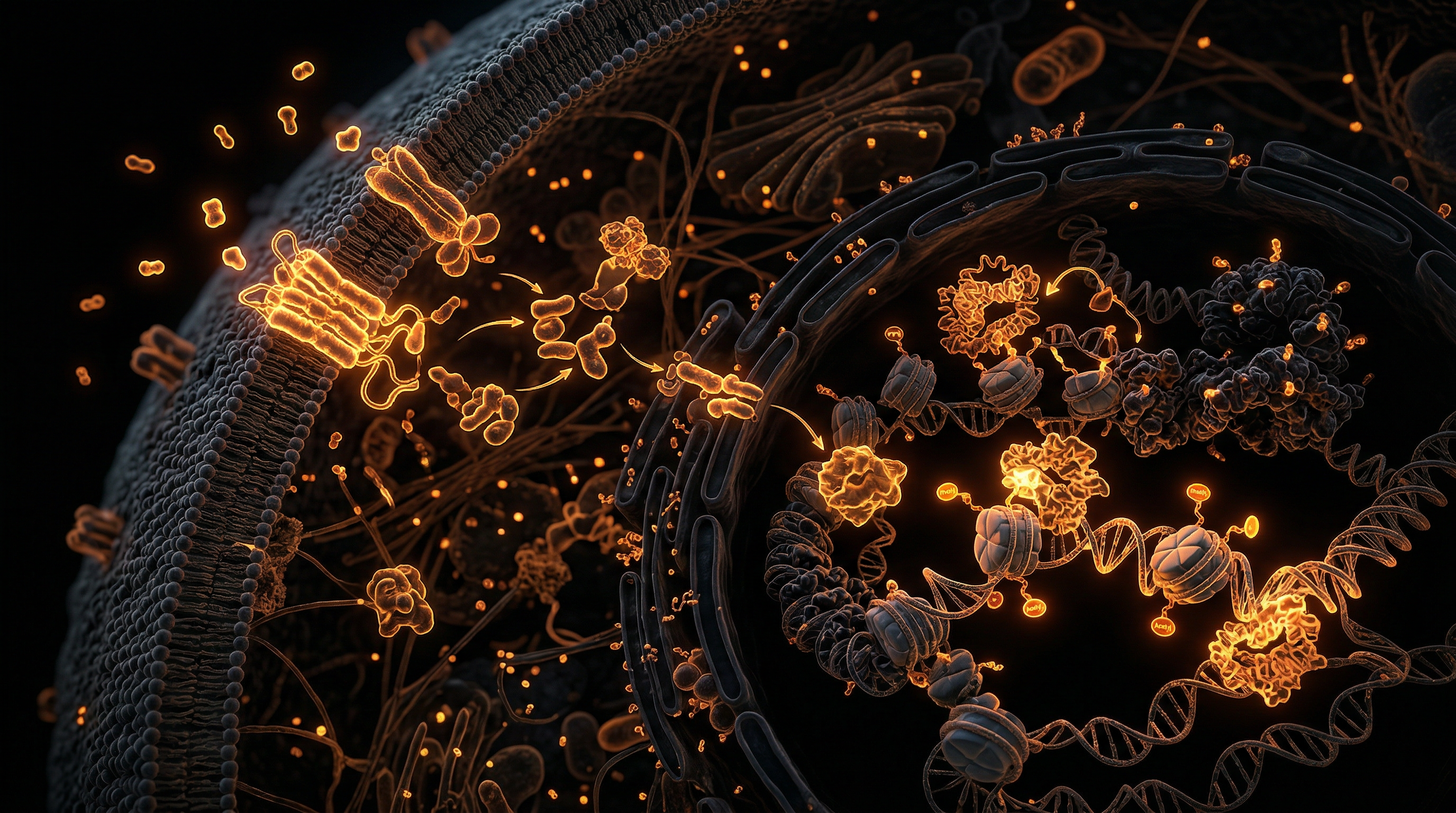
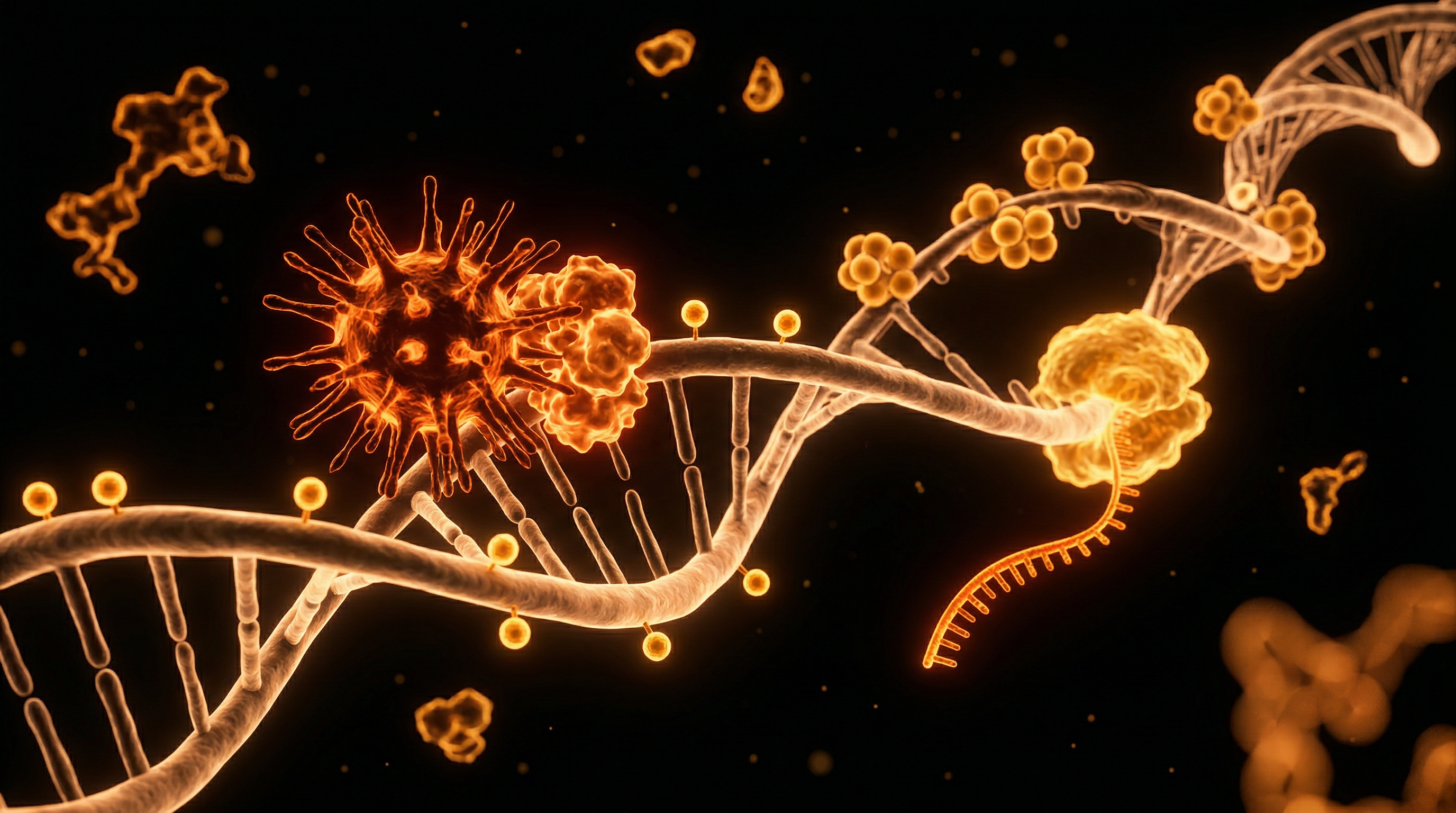
To understand how lead impacts future generations, we must first look at DNA methylation. DNA methylation is a fundamental epigenetic process where a methyl group is added to the DNA molecule, typically at a cytosine base. This modification acts like a 'dimmer switch' for genes. When a gene's promoter region is highly methylated, the gene is usually silenced or turned off. Conversely, low methylation levels allow for gene expression.
This process is essential for normal development, allowing cells to differentiate into specific types like heart, brain, or skin cells. Lead (Pb) is a master disruptor of this system. Because lead mimics other essential minerals like calcium and zinc, it can bind to and inhibit the enzymes responsible for maintaining these methylation patterns, known as DNA methyltransferases (DNMTs). When these enzymes are impaired, the epigenetic landscape of the cell becomes chaotic, leading to the improper silencing or activation of critical genes. ## The Prenatal Window of Vulnerability. The most critical period for this epigenetic disruption is during prenatal development.
During pregnancy, the fetus undergoes a massive wave of epigenetic 'reprogramming.' Existing epigenetic marks from the parents are largely erased and rewritten to allow the developing fetus to form its own unique cellular identity. If lead is present in the maternal environment—often released from the mother's bones where it may have been stored for decades—it crosses the placenta with ease. Once inside the fetal environment, lead interferes with this delicate rewriting process. This creates a permanent change in the way the child’s genes will function for the rest of their life. This is not a mutation of the DNA sequence itself, but a change in how that sequence is read.
The result is an individual who may be genetically predisposed to health issues because their molecular switches were incorrectly set before they were even born. ## Transgenerational Inheritance: The F2 Generation and Beyond. The most profound discovery in recent lead research is the 'transgenerational' effect. When a pregnant woman (the F0 generation) is exposed to lead, her developing fetus (the F1 generation) is directly exposed. However, the germ cells (the precursors to eggs or sperm) within that F1 fetus are also exposed. These germ cells will eventually become the woman’s grandchildren (the F2 generation).
Scientific studies, including those conducted on birth cohorts in Michigan and Mexico City, have shown that lead-associated DNA methylation patterns found in newborns are also detectable in the grandchildren of exposed women. This suggests that the 'toxic legacy' of lead can bypass traditional inheritance. A child born today in a UK city may be exhibiting health challenges—such as reduced neural plasticity or metabolic dysfunction—partially due to the lead exposure their grandmother experienced decades ago. This 'molecular memory' highlights why environmental health is not just a present-day concern but a legacy issue. ## Root Cause: Legacy Lead in the UK. From a root-cause perspective, we must address where this lead comes from.
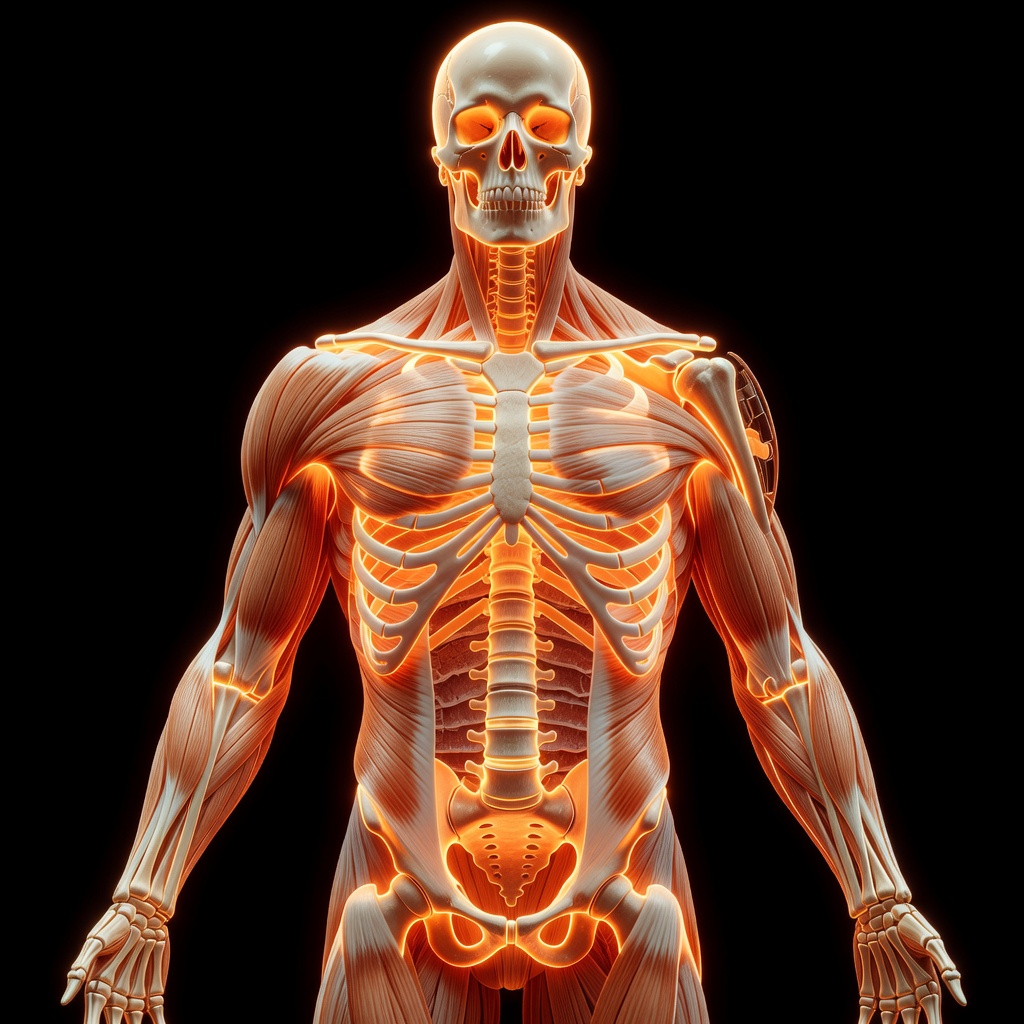
In the UK, despite the ban on leaded petrol and lead-based paint, significant 'legacy lead' remains. It is estimated that up to 25% of domestic properties in the UK still have some form of lead piping in their water supply. Furthermore, lead remains in the soil of old industrial areas and in the dust of Victorian-era homes. For women of childbearing age, these environmental factors can lead to a gradual accumulation of lead in the skeletal system. During pregnancy, when the body demands more calcium to build fetal bones, the mother’s body may inadvertently mobilize stored lead from her own bones, dumping it into the bloodstream and exposing the fetus at the most sensitive time of development. ## Neurological and Metabolic Consequences.
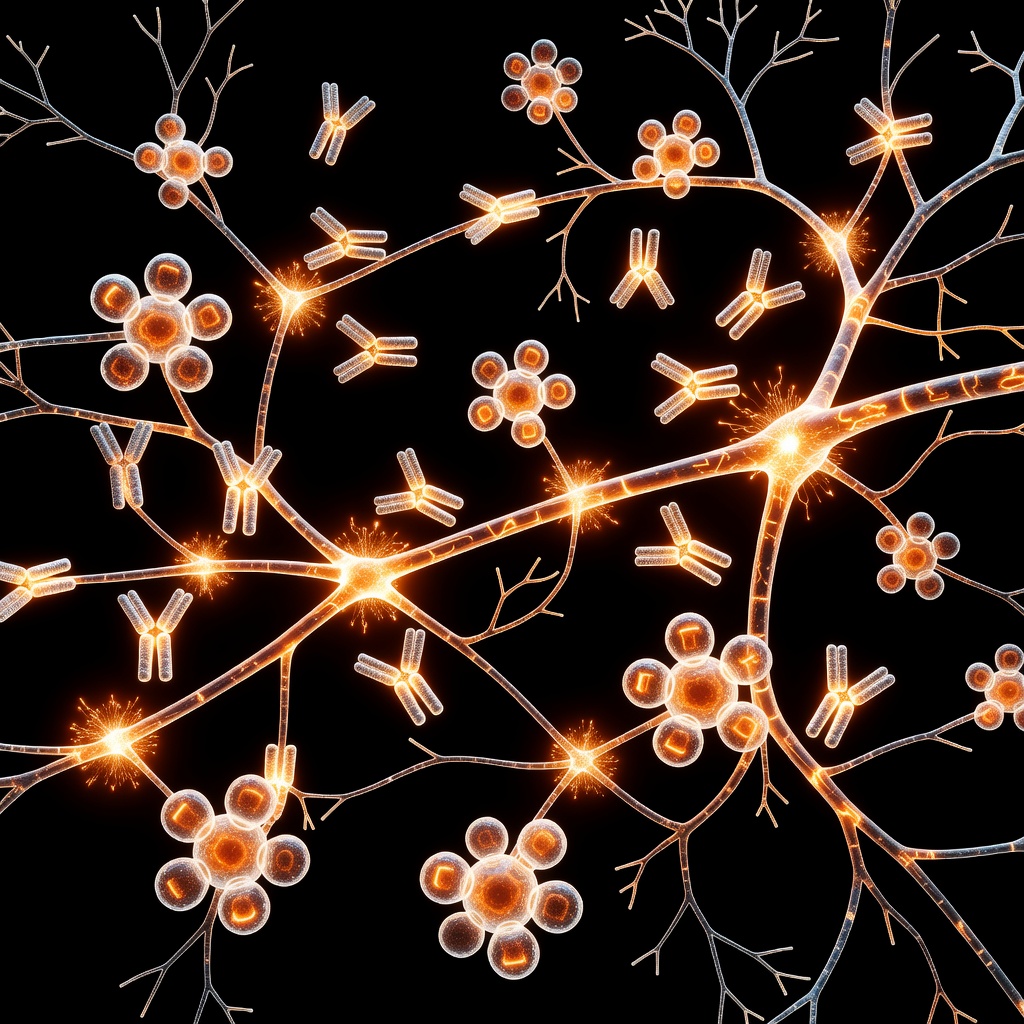
The health outcomes of lead-induced epigenetic imprinting are varied and severe. Neurologically, lead-induced hypomethylation has been linked to the downregulation of Brain-Derived Neurotrophic Factor (BDNF), a protein essential for the survival and growth of neurons. This can manifest as lower IQ, ADHD, and increased risk of neurodegenerative diseases in later life. Beyond the brain, researchers have found that lead alters the methylation of genes involved in the 'HPA axis,' which regulates our stress response. This can lead to a lifelong over-sensitivity to stress and an increased risk of anxiety and depression.
Furthermore, epigenetic changes in metabolic genes like IGF2 (Insulin-like Growth Factor 2) can predispose individuals to obesity and Type 2 diabetes, illustrating that lead toxicity is a total-body systemic issue. ## Mitigation and the Path Forward. While the reality of epigenetic imprinting is sobering, it also provides a roadmap for mitigation. Epigenetic marks are, by their nature, reversible. Research suggests that a diet rich in 'methyl donors'—nutrients that support the methylation process—can help buffer against the effects of lead. These include folate (Vitamin B9), Vitamin B12, choline, and betaine.
For the INNERSTANDING community, the focus should be on proactive testing for lead in the home environment and ensuring optimal nutritional status before and during pregnancy. By addressing the root cause—environmental lead—and supporting the body’s natural epigenetic maintenance systems, we can begin to break the cycle of transgenerational toxicity. ## Conclusion. Lead is more than a historical toxin; it is a multi-generational epigenetic modifier. By altering DNA methylation, lead exposure during pregnancy creates a biological ripple effect that impacts the health and potential of future generations. Understanding this mechanism allows us to move beyond symptomatic treatment and address the deep-seated environmental and molecular drivers of chronic illness.
Protecting the epigenome is the key to ensuring the health of our children and the generations that follow.
This article is provided for informational and educational purposes only. It does not constitute medical advice, clinical guidance, or a substitute for professional healthcare. Information reflects cited research at time of publication. Always consult a qualified healthcare professional before acting on any health information.
RESEARCH FOUNDATIONS
Biological Credibility Archive
Citations provided for educational reference. Verify via PubMed or institutional databases.
Medical Disclaimer
The information in this article is for educational purposes only and does not constitute medical advice, diagnosis, or treatment. Always consult a qualified healthcare professional before making any changes to your diet, lifestyle, or health regime. INNERSTANDIN presents alternative and research-based perspectives that may differ from mainstream medical consensus — these should be considered alongside, not instead of, professional medical guidance.
Read Full DisclaimerReady to learn more?
Continue your journey through our classified biological research.
DISCUSSION ROOM
Members of THE COLLECTIVE discussing "Epigenetic Imprinting: The Transgenerational Effects of Prenatal Lead Exposure on DNA Methylation"
SILENT CHANNEL
Be the first to discuss this article. Your insight could help others understand these biological concepts deeper.
RABBIT HOLE
Follow the biological thread deeper