Epigenetic Modifications of the ESC/E(Z) Gene Complex: A Genetic Basis for Abnormal Luteal Phase Sensitivity
This comprehensive article explores the molecular roots of Premenstrual Dysphoric Disorder (PMDD), detailing the landmark discovery of the ESC/E(Z) gene complex and how epigenetic dysregulation causes cellular hypersensitivity to normal hormonal fluctuations.
# Epigenetic Modifications of the ESC/E(Z) Gene Complex: A Genetic Basis for Abnormal Luteal Phase Sensitivity
For decades, Premenstrual Dysphoric Disorder (PMDD) was a diagnosis shrouded in clinical ambiguity. Often dismissed as a more severe form of PMS or misdiagnosed as a primary psychiatric disorder, the biological reality of PMDD remained elusive. However, recent breakthroughs in molecular biology and epigenetics have fundamentally shifted our understanding. We now know that PMDD is not a 'hormone imbalance' in the traditional sense, but rather a cellular disorder of gene expression. At the heart of this discovery is the ESC/E(Z) gene complex—a molecular mechanism that explains why some individuals experience debilitating psychological and physical symptoms in response to normal fluctuations in estrogen and progesterone.
The Paradigm Shift: From Hormonal to Molecular
Traditionally, clinicians looked for external evidence of hormone levels in the blood to explain premenstrual distress. Yet, study after study confirmed that individuals with PMDD have the same levels of circulating sex steroids as those without the disorder. The 'imbalance' was not in the blood, but in the brain's sensitivity to these hormones. In 2017, a landmark study published by researchers at the National Institutes of Health (NIH) identified a specific molecular signature in the cells of women with PMDD. This signature is governed by the ESC/E(Z) (Extra Sex Combs/Enhancer of Zeste) gene complex, providing the first concrete evidence that PMDD is rooted in the very 'software' of our cells.
Understanding the ESC/E(Z) Gene Complex
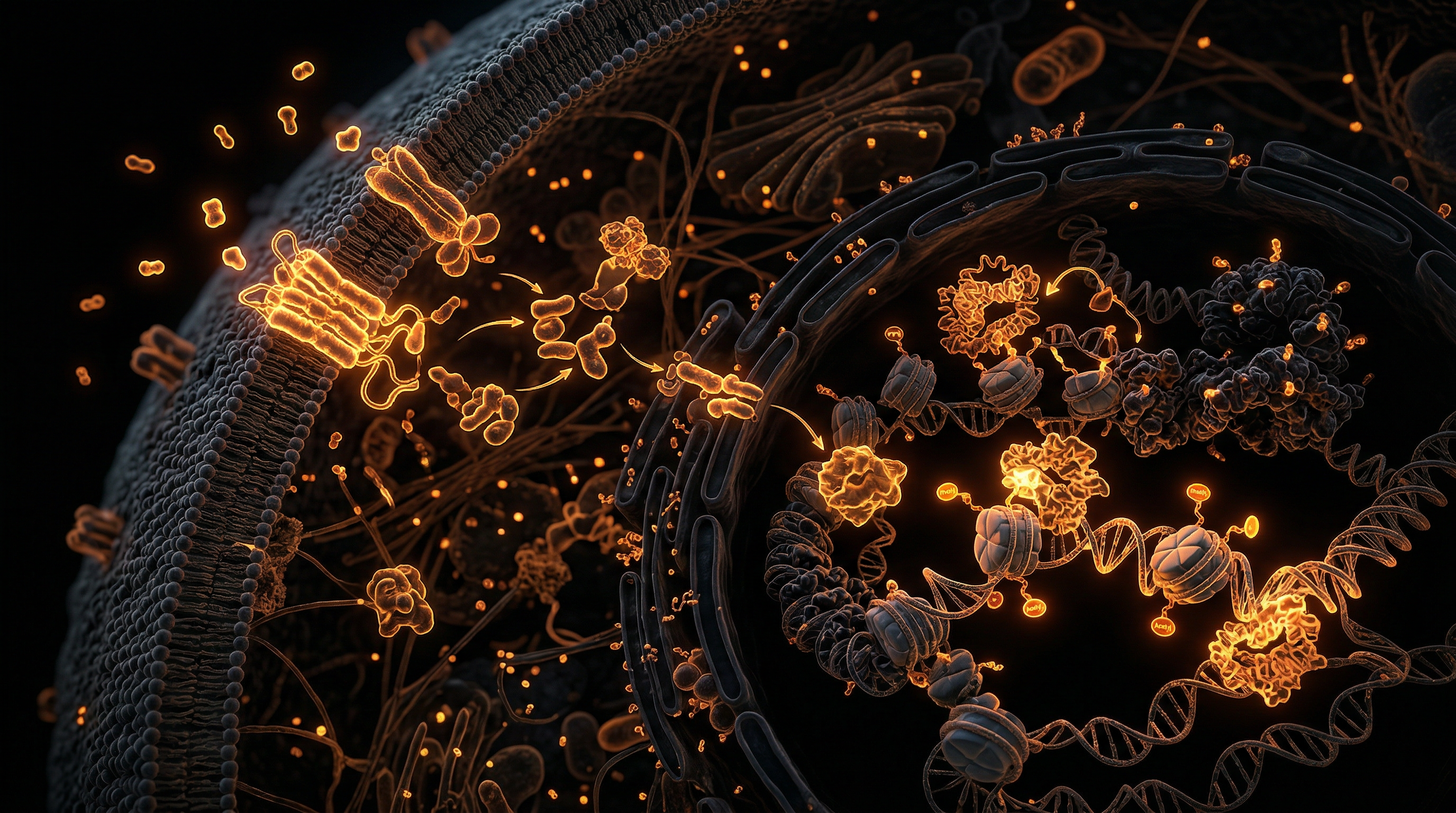
The ESC/E(Z) complex is a cluster of genes that belong to the Polycomb Group (PcG) proteins. These proteins are essential for chromatin remodeling—the process of packing and unpacking DNA to control gene access. In simpler terms, the ESC/E(Z) complex acts as a molecular switchboard. It regulates how genes are expressed in response to environmental cues, including the presence of sex hormones like estrogen and progesterone.
In the context of PMDD, this complex is responsible for 'silencing' or 'activating' certain genes during the luteal phase of the menstrual cycle. When the complex functions correctly, it helps the body and brain maintain homeostasis as hormones shift. However, in PMDD, this complex is epigenetically modified, leading to a failure in the cellular 'buffering' system. The result is an exaggerated cellular response to normal hormonal signals.
Epigenetic Modifications: The Interface of Environment and DNA
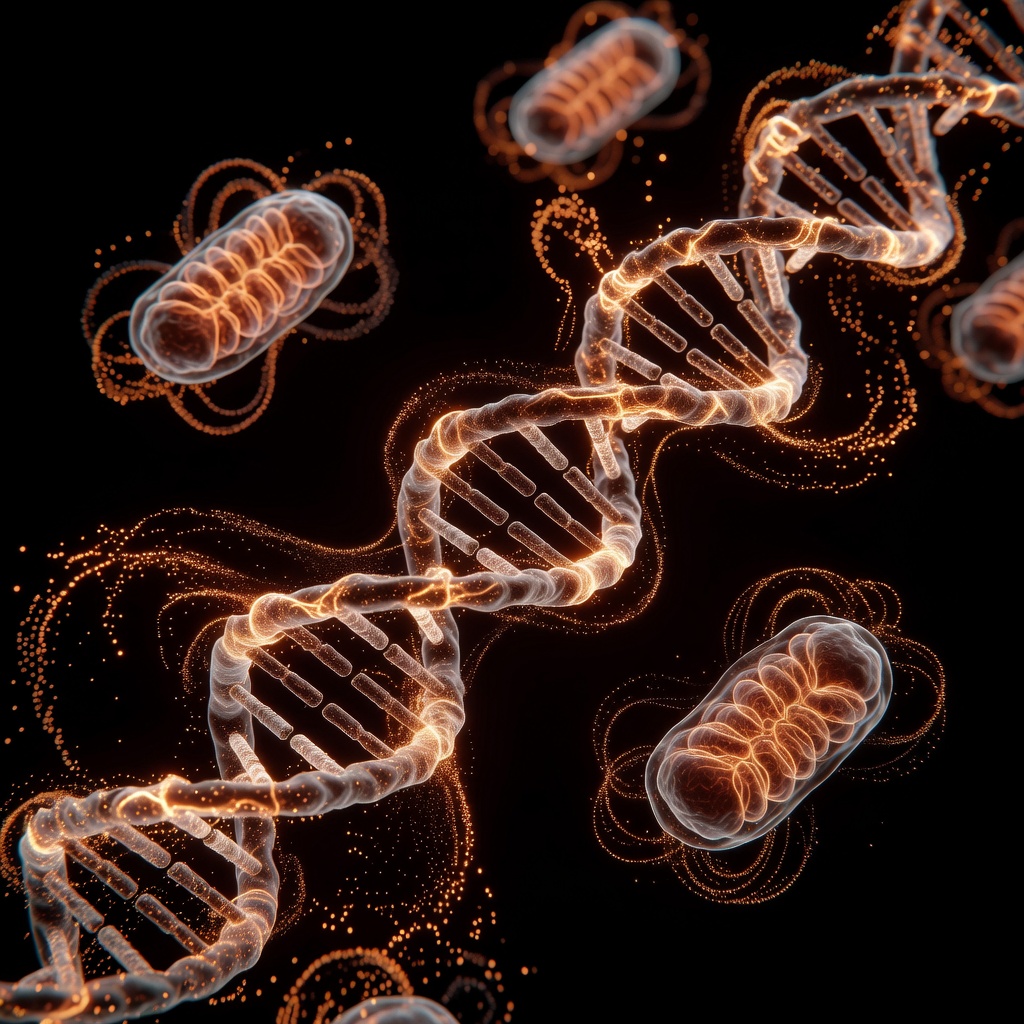
Epigenetics refers to changes in gene function that do not involve alterations to the underlying DNA sequence. Instead, chemical tags—such as methyl or acetyl groups—attach to the DNA or the proteins surrounding it (histones). These tags determine whether a gene is 'read' or 'ignored' by the cell.
In individuals with PMDD, the ESC/E(Z) complex shows distinct epigenetic dysregulation. Research suggests that these individuals possess a genetic predisposition that makes their ESC/E(Z) complex hyper-responsive to sex steroids. When estrogen and progesterone levels change during the luteal phase, the epigenetic 'switches' in the ESC/E(Z) complex do not flip correctly. This causes a cascade of downstream effects, particularly in the brain’s GABAergic and serotonergic systems, leading to the severe mood symptoms—anxiety, irritability, and depression—characteristic of the disorder.
The NIH Study: Evidence of Cellular Hypersensitivity
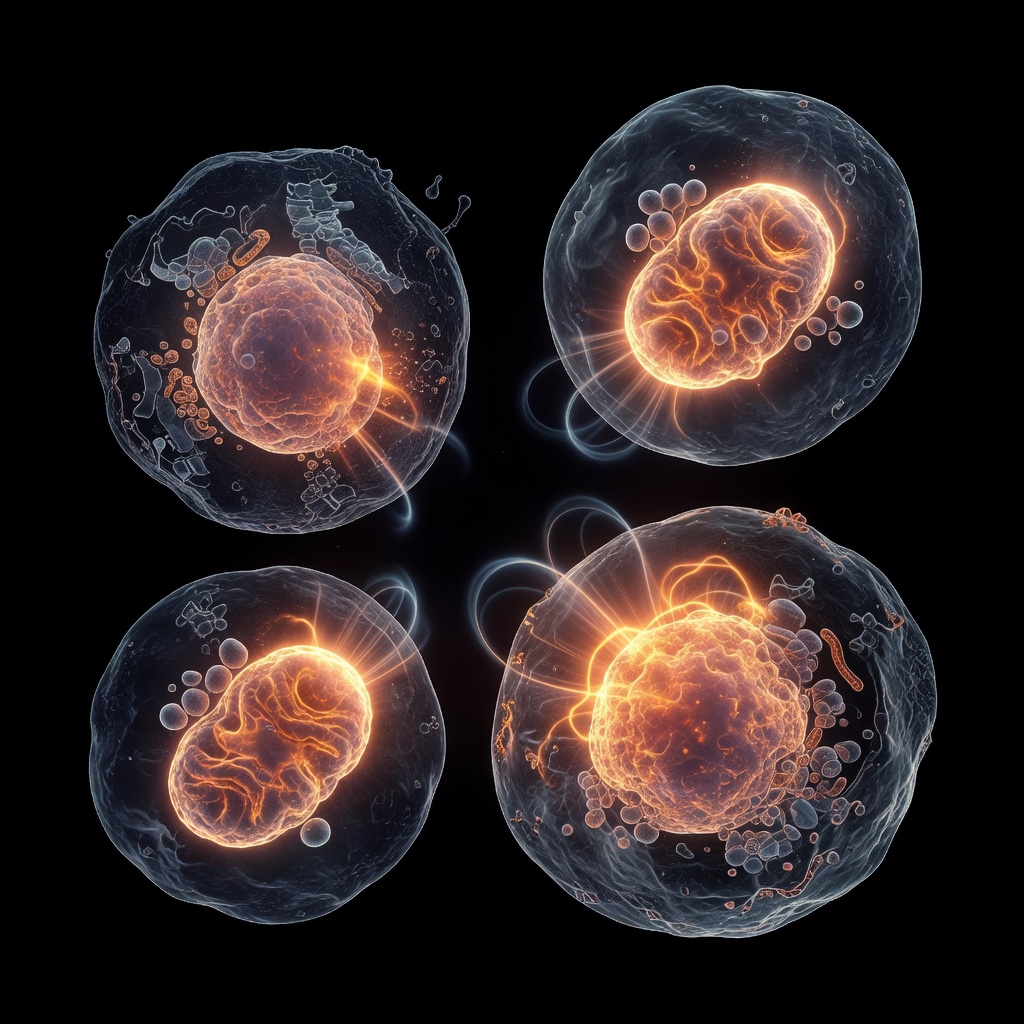
The 2017 NIH study led by Dr. Peter Schmidt and David Goldman utilized a cutting-edge technique: induced pluripotent stem cells (iPSCs). By taking white blood cells from women with PMDD and transforming them into stem cells, researchers could observe how these cells behaved in a controlled environment.
The findings were startling. More than half of the genes in the ESC/E(Z) complex were over-expressed in the cells of women with PMDD compared to a control group. More importantly, when these cells were exposed to estrogen and progesterone, the PMDD cells showed a 'paradoxical' response. While the control cells adjusted their gene expression to compensate for the hormones, the PMDD cells demonstrated an inability to regulate their response effectively. This confirmed that the disorder is a result of intrinsic cellular mechanisms rather than just 'fluctuating mood.'
The Role of Allopregnanolone and the GABA Connection
One of the most critical downstream targets of the ESC/E(Z) complex is the regulation of GABA-A receptors. During the luteal phase, the body metabolizes progesterone into a neurosteroid called allopregnanolone (ALLO). In a typical brain, ALLO acts as a potent sedative, binding to GABA receptors to promote calmness.
However, because of the epigenetic modifications in the ESC/E(Z) complex, individuals with PMDD experience a maladaptive response to ALLO. Instead of providing a calming effect, the altered gene expression changes the configuration of the GABA-A receptors, potentially making ALLO act as a trigger for anxiety or agitation. This 'molecular flip' is a direct consequence of the ESC/E(Z) complex failing to properly manage the transition between follicular and luteal gene expression states.
Clinical Implications: Towards Precision Medicine
The identification of the ESC/E(Z) complex as a root cause of PMDD has profound implications for treatment. For decades, the standard of care has been limited to SSRIs or hormonal suppression (such as chemical menopause). While these can be effective, they are 'broad-brush' approaches that do not address the underlying molecular dysregulation.
Understanding the epigenetic basis of PMDD opens the door for precision medicine. Future therapies may involve:
- —Epigenetic Modifiers: Drugs that specifically target the ESC/E(Z) complex to restore normal gene silencing and activation.
- —Targeted Neurosteroids: Medications like Brexanolone or Sepranolone that specifically address the GABA receptor's interaction with allopregnanolone.
- —Gene-Based Diagnostics: A blood test that looks for the ESC/E(Z) molecular signature could provide a definitive diagnosis, ending the years of trial-and-error many patients endure.
Conclusion: A Biological Reality
PMDD is often a silent struggle, but the discovery of the ESC/E(Z) gene complex gives patients a powerful tool: the truth. It confirms that the symptoms are not 'in the head' but 'in the cells.' By understanding the epigenetic modifications that drive abnormal luteal phase sensitivity, we can move away from stigma and toward targeted, biological solutions. At INNERSTANDING, we believe that education is the first step toward reclaiming health. When we understand the genetic basis of our experiences, we are no longer victims of our hormones—we are informed participants in our own healing.
This article is provided for informational and educational purposes only. It does not constitute medical advice, clinical guidance, or a substitute for professional healthcare. Information reflects cited research at time of publication. Always consult a qualified healthcare professional before acting on any health information.
RESEARCH FOUNDATIONS
Biological Credibility Archive
Citations provided for educational reference. Verify via PubMed or institutional databases.
Medical Disclaimer
The information in this article is for educational purposes only and does not constitute medical advice, diagnosis, or treatment. Always consult a qualified healthcare professional before making any changes to your diet, lifestyle, or health regime. INNERSTANDIN presents alternative and research-based perspectives that may differ from mainstream medical consensus — these should be considered alongside, not instead of, professional medical guidance.
Read Full DisclaimerReady to learn more?
Continue your journey through our classified biological research.
RABBIT HOLE
Follow the biological thread deeper