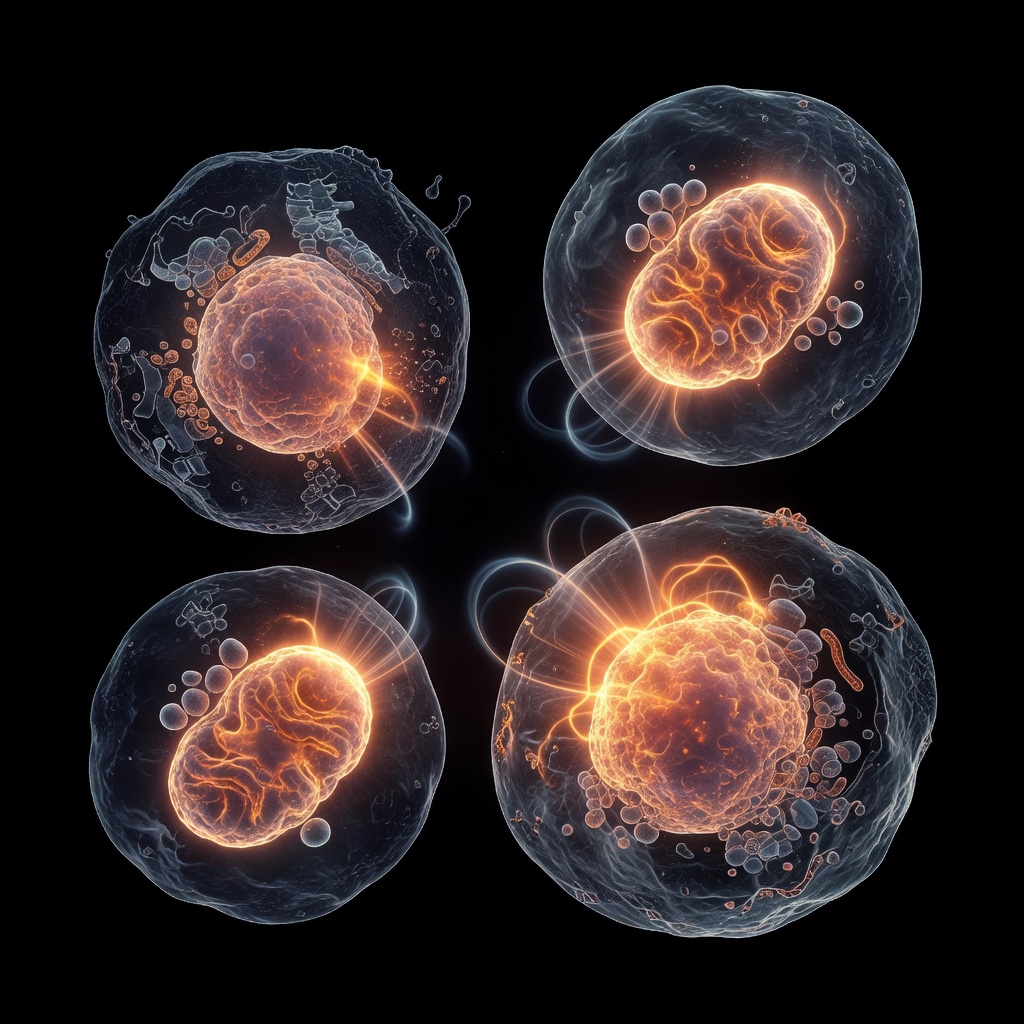
Epigenetic Regulation of Micronutrient Sequestration: The Biological Cost of Fetal Brain Development
An analytical exploration into the epigenetic mechanisms that drive the prioritization of fetal neurodevelopment at the expense of maternal nutrient stores, focusing on the root causes of postpartum depletion and the long-term health implications for the mother.

# Epigenetic Regulation of Micronutrient Sequestration: The Biological Cost of Fetal Brain Development ## Introduction: The Maternal-Fetal Conflict In the biological narrative of human reproduction, the relationship between mother and fetus is often romanticized as a perfect symbiosis. However, from a physiological and evolutionary perspective, it is more accurately described as a complex negotiation of resource allocation. This negotiation is governed by epigenetic regulation—a process where gene expression is modified by environmental signals without altering the underlying DNA sequence. At the heart of this process is the 'sequestration' of micronutrients, a biological imperative where the developing fetal brain takes priority over the mother's own physiological needs. Understanding this mechanism is vital for addressing the root causes of postpartum depletion, a state that affects millions of women but remains poorly understood in clinical practice. ## The Epigenetic Programming of the Placenta The placenta is not merely a filter; it is a highly active epigenetic organ.
It acts as the primary mediator of nutrient sequestration. Through DNA methylation and histone modification, the placenta 'programs' itself to maximize the transport of specific nutrients from the maternal bloodstream to the fetus. Specifically, genes responsible for the expression of transport proteins—such as the SLC (Solute Carrier) family—are upregulated in response to fetal signaling. This epigenetic upregulation ensures that even if maternal levels of a nutrient are low, the placenta will actively scavenge whatever remains to support fetal growth. This is a survival mechanism honed over millennia, ensuring that the next generation has the best possible start, even at a high biological cost to the parent. ## The Neuro-Nutrient Sink: Prioritizing the Fetal Brain The human brain is an incredibly demanding organ, particularly during the third trimester and early infancy.
During this window, the fetal brain undergoes rapid synaptogenesis and myelination, requiring a massive influx of specific micronutrients. This creates what researchers call a 'nutrient sink.' Key among these nutrients are Long-Chain Polyunsaturated Fatty Acids (LCPUFAs) like DHA, as well as Choline, Iron, Folate, and Vitamin B12. Choline, for example, is critical for the development of the hippocampus, the brain's center for memory and learning. Epigenetic signals ensure that choline transporters in the placenta operate at peak efficiency. Consequently, maternal choline levels can drop by up to 50% during pregnancy as the nutrient is sequestered for the fetus.
Similarly, DHA is aggressively pulled from maternal adipose tissue and the brain itself to build the fetal cerebral cortex. This 'brain drain' is not a metaphor; it is a measurable biological sequestration that directly impacts maternal cognitive function and neurological stability. ## The Biological Cost: Maternal Depletion and 'Mommy Brain' The cost of this epigenetic prioritization is maternal depletion. When the body's nutrient reserves are mobilized for the fetus, the mother is left in a state of physiological deficit. This is the root cause of what is colloquially known as 'mommy brain'—a state of brain fog, forgetfulness, and cognitive fatigue. However, the implications go beyond mere forgetfulness.
Chronic sequestration of iron and B12 leads to hematological and neurological exhaustion. Iron is essential for the production of neurotransmitters like dopamine and serotonin; when iron is sequestered for fetal hemoglobin and neurodevelopment, the mother’s risk for postpartum depression and anxiety increases significantly. Furthermore, the depletion of B-vitamins impairs the methylation cycle, the very process required for the mother to regulate her own stress response and maintain cellular repair. The 'biological cost' is therefore a systemic breakdown of maternal metabolic and neurological resilience. ## Evolutionary Mismatch and Modern Nutrition Why does this sequestration lead to such severe depletion in the modern era? The answer lies in evolutionary mismatch.
Historically, human diets were nutrient-dense, consisting of organ meats, wild-caught fish, and foraged plants rich in bioavailable minerals. In this ancestral context, the maternal body could eventually replenish its stores. In the modern context, however, the consumption of ultra-processed foods, depleted soil quality, and the high stress of contemporary life mean that many women enter pregnancy already marginally deficient. The epigenetic drive to sequester nutrients remains as powerful as ever, but the 'maternal bank' is already empty. This leads to a deeper, more persistent state of postpartum depletion that can last for years if not addressed at the root level. ## Addressing the Root Cause: Beyond Basic Supplementation To support postpartum health, we must move beyond the 'one-size-fits-all' prenatal vitamin.
Addressing the epigenetic cost of fetal development requires a targeted, bioavailable approach to nutrition. This includes: 1. Phospholipid-bound Choline: To support both maternal cognitive function and fetal neuro-programming. 2. Heme Iron and Cofactors: To replenish stores efficiently without causing gut dysbiosis. 3. Methylated B-Vitamins: To bypass common genetic variations (like MTHFR) and support the maternal methylation cycle. 4.
Omega-3 Fatty Acids (DHA/EPA): In high dosages to counteract the sequestration from the maternal brain. Furthermore, the postpartum period should be viewed as a 'fourth trimester' where the primary goal is not just weight loss or 'getting back to normal,' but deep cellular replenishment. ## Conclusion The epigenetic regulation of micronutrient sequestration is a testament to the biological priority of life. Yet, the maternal cost of this process cannot be ignored. By understanding that fetal brain development acts as a nutrient sink, we can shift the narrative of postpartum health from one of psychological struggle to one of biological restoration. At INNERSTANDING, we believe that true health begins with honoring these ancient biological imperatives and providing the body with the specific, high-quality resources it needs to thrive after the monumental task of creating life.
This article is provided for informational and educational purposes only. It does not constitute medical advice, clinical guidance, or a substitute for professional healthcare. Information reflects cited research at time of publication. Always consult a qualified healthcare professional before acting on any health information.
RESEARCH FOUNDATIONS
Biological Credibility Archive
Citations provided for educational reference. Verify via PubMed or institutional databases.
Medical Disclaimer
The information in this article is for educational purposes only and does not constitute medical advice, diagnosis, or treatment. Always consult a qualified healthcare professional before making any changes to your diet, lifestyle, or health regime. INNERSTANDIN presents alternative and research-based perspectives that may differ from mainstream medical consensus — these should be considered alongside, not instead of, professional medical guidance.
Read Full DisclaimerReady to learn more?
Continue your journey through our classified biological research.
THE ARSENAL
Based on Postpartum Health & Nutritional Depletion — products curated by our research team for educational relevance and biological support.

Magnesium Blend – The Most Important Mineral

Clean Slate – Detoxes thousands of chemicals,heavy metals, pesticides, allergens, mold spores and fungus

Vegan Essential Amino Acids – Plant-Powered Protein Building
INNERSTANDING may earn a commission on purchases made through these links. All products are selected based on rigorous educational relevance to our biological research.
RABBIT HOLE
Follow the biological thread deeper