
Epigenetic Remodelling: How Metabolic Intermediates Alter the Cancer Genome
Updated April 2026
Explore how metabolic intermediates drive epigenetic remodelling to alter the cancer genome within the empowering Cancer Metabolic Theory framework.
Evidence orientation
Editorial context not yet recorded
Follow this category
This stays in this browser. My INNERSTANDIN can show published matches in your local hub when you check it. It does not send email, push, or alert notifications.
Local learning review
A private browser aid for revisiting ideas. It is not an alert or a health recommendation.
Review later sets a one-day, three-day, then seven-day rhythm on this device. Choose it only when you want to revisit this article.
For decades, the mainstream medical establishment has pursued a "gene-first" narrative regarding the origins of cancer. We have been told that random genetic mutations—unfortunate "typos" in our biological code—are the primary drivers of malignancy. However, as we delve deeper into the burgeoning field of the Cancer Metabolic Theory, a more profound and empowering truth emerges: the genome is not the master, but the servant of the cell’s metabolism.
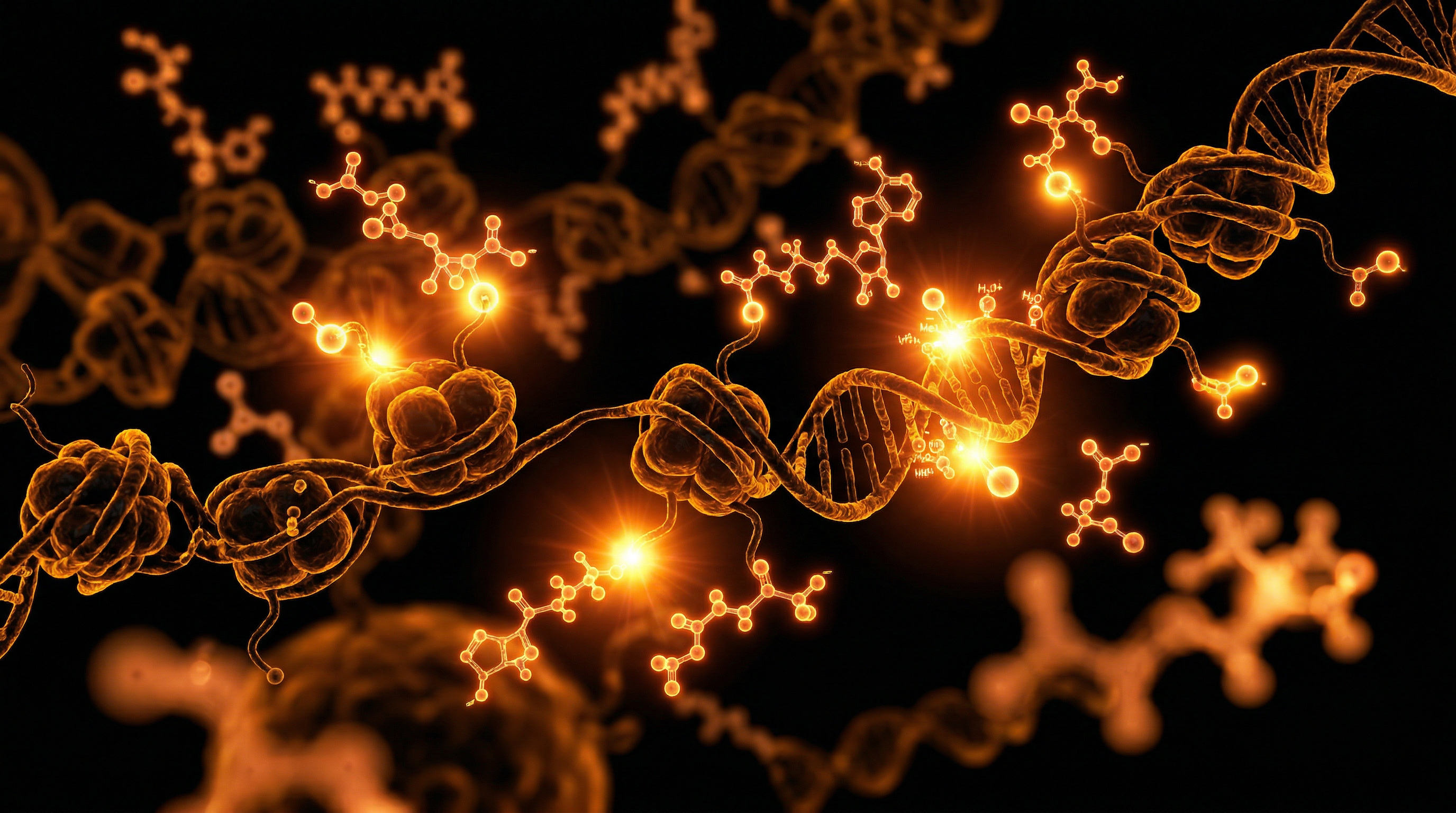
Epigenetic Remodelling represents the bridge between our internal environment and our genetic expression. It is the process by which the products of our metabolism—metabolic intermediates—physically alter the landscape of our DNA, turning genes on or off. When our metabolism fails, these intermediates become "oncometabolites," effectively hijacking the cellular software and driving the hallmarks of cancer.
The Shift in Paradigm: Metabolism as the Architect
To understand epigenetic remodelling, we must first distinguish between the genome and the epigenome. If the genome is the "hard drive" containing all the instructions for life, the epigenome is the "software" that decides which programmes are currently running.
In a healthy state, the epigenome ensures that a liver cell acts like a liver cell and a lung cell acts like a lung cell. However, in cancer, this software becomes corrupted. For years, it was assumed that DNA mutations caused this corruption. We now recognise that metabolic dysfunction often precedes genetic instability.
Key Fact: Cancer is increasingly recognised not merely as a genetic disease, but as a metabolic disorder where mitochondrial dysfunction forces the cell to rely on primitive energy pathways, subsequently "re-programming" the DNA to support rapid, uncontrolled growth.
Biological Mechanisms: The Fuel for the Software
The epigenome relies on specific chemical "tags"—primarily methyl groups and acetyl groups—to mark the DNA. Crucially, the enzymes responsible for placing these tags cannot function without raw materials derived directly from our diet and metabolic cycles.
1. The Methylation Cycle and SAM
DNA Methylation is the process of adding a methyl group to DNA, typically silencing genes that should not be active. The universal methyl donor for this process is S-adenosylmethionine (SAM). SAM is produced via the One-Carbon Metabolism cycle, which requires B-vitamins (folate, B12) and amino acids.
When metabolism is disrupted—perhaps through nutrient deficiencies or toxic overload—the levels of SAM fluctuate. If a cell cannot properly methylate its DNA, "oncogenes" (cancer-promoting genes) that should be silenced may suddenly be switched on.
2. Acetylation and the Energy Sensor
Histone Acetylation involves adding an acetyl group to the proteins (histones) around which DNA is wrapped. This process "opens up" the DNA, allowing genes to be read. The substrate for this is Acetyl-CoA, a central molecule in energy production.
In a state of "metabolic surfeit"—where the cell is overwhelmed by glucose and insulin—Acetyl-CoA levels rise, leading to hyper-acetylation. This can force the cell into a state of constant growth and division, as the "brakes" on the genetic machinery are effectively removed.
3. Alpha-Ketoglutarate (α-KG) and the "Brakes"
A critical intermediate in the Krebs Cycle (the engine of the mitochondria) is Alpha-ketoglutarate (α-KG). This molecule is a mandatory co-factor for enzymes called TET demethylases, which clean up old or incorrect methyl tags on the DNA.
If the mitochondria are damaged, α-KG levels drop. Without enough α-KG, the cell loses its ability to "reset" its genetic software, leading to a cluttered, chaotic epigenome that is characteristic of malignant cells.
The Rise of Oncometabolites: The Internal Saboteurs
When the metabolic machinery of the cell breaks down—specifically within the mitochondria—it begins to produce "waste" products in excessive amounts. In the context of the Cancer Metabolic Theory, these are known as oncometabolites.
- 2-Hydroxyglutarate (2-HG): Often produced due to mutations in the IDH enzyme (frequently caused by initial metabolic stress), 2-HG is a structural mimic of α-KG. It "tricks" the epigenetic enzymes, blocking their ability to maintain the DNA, effectively locking the cell in an undifferentiated, cancerous state.
- Succinate and Fumarate: When the TCA cycle (Krebs cycle) is interrupted, these intermediates leak out. They inhibit the enzymes that normally suppress tumour growth, creating a "pseudo-hypoxic" environment where the cell thinks it is starving for oxygen, even when oxygen is present.
This phenomenon reinforces the Warburg Effect, where cancer cells prefer to ferment glucose into lactate rather than "breathing" oxygen through the mitochondria. This shift is not a side effect of cancer; it is a primary driver of the epigenetic remodelling that sustains the disease.
UK Context & Relevance: A Metabolic Crisis
In the United Kingdom, cancer rates continue to climb, with 1 in 2 people born after 1960 expected to receive a diagnosis in their lifetime. While the NHS focuses heavily on early detection and "fighting" the tumour through cytotoxic means (chemotherapy and radiation), there is a profound lack of emphasis on the metabolic terrain of the British population.
The "Metabolic Winter"
Modern British life is characterised by what some researchers call a "Metabolic Winter" that never arrives. Historically, humans faced periods of food scarcity (ketosis) and intense physical exertion. Today, the ubiquity of Ultra-Processed Foods (UPFs), which account for over 50% of the average UK diet, ensures a constant state of hyper-insulinaemia and glucose saturation.
The Impact of UPFs on the British Epigenome
UPFs are often stripped of the essential co-factors (B-vitamins, magnesium, zinc) required for healthy epigenetic remodelling. When we consume high-fructose corn syrup and seed oils, we create a metabolic environment that produces the very oncometabolites mentioned above. We are essentially feeding the "software corruption" of our own cells.
Environmental Factors: Triggering the Remodel
Our genes may load the gun, but our environment pulls the trigger. The Cancer Metabolic Theory suggests that several environmental factors act as "metabolic disruptors" that force the epigenome to remodel in a pro-cancer direction:
- Circadian Mismatch: The UK’s high prevalence of shift work and "blue light" exposure at night disrupts melatonin production. Melatonin is a potent mitochondrial antioxidant. Without it, mitochondria suffer oxidative damage, leading to the leakage of pro-cancer metabolic intermediates.
- Endocrine Disruptors: Chemicals found in plastics (BPA, phthalates) and certain pesticides common in UK industrial farming can mimic hormones and interfere with the mitochondria-nuclear dialogue, sending false signals to the epigenome.
- Sedentary Behaviour: Muscle is the primary "sink" for glucose. Inactivity in the UK population leads to insulin resistance, forcing the body to produce more insulin, which acts as a powerful growth signal (mitogen) for dormant cancer cells through epigenetic pathways.
Protective Strategies: Reclaiming Genetic Control
The most revolutionary aspect of epigenetic remodelling is that it is often reversible. Unlike a hard-coded DNA mutation, epigenetic "tags" can be changed by altering the metabolic inputs. To protect the cancer genome from malignant remodelling, we must focus on metabolic flexibility.
1. Nutritional Therapeutic Intervention
- Ketogenic Principles: By reducing glucose availability, we lower the levels of Acetyl-CoA and insulin, potentially "starving" the epigenetic pathways that drive proliferation.
- Sulforaphane and Cruciferous Vegetables: Found in broccoli and kale, sulforaphane acts as an HDAC inhibitor, helping to restore the natural "brakes" on the genome.
- Methyl Donors: Ensuring adequate intake of folate (from leafy greens, not synthetic folic acid), B12, and choline supports the methylation cycle, keeping oncogenes silenced.
2. Time-Restricted Feeding (TRF)
Intermittent fasting triggers a process called autophagy—the cell’s internal vacuum cleaner. This helps clear out damaged mitochondria that are leaking oncometabolites, effectively "re-booting" the metabolic software.
3. Oxygenation and Movement
Engaging in Zone 2 cardiovascular exercise (where you can still hold a conversation) improves mitochondrial density and efficiency. This ensures a healthy supply of α-KG, allowing the TET enzymes to keep the DNA clean and functional.
Key Strategy: Aim for at least 15 minutes of natural sunlight in the morning to calibrate your circadian rhythm, supporting mitochondrial health and systemic metabolic stability.
Key Takeaways: Innerstanding Your Biology
- Metabolism Governs the Genome: Cancer is not a lottery of bad luck mutations; it is a downstream result of metabolic signals telling the DNA to survive in a toxic or nutrient-poor environment.
- Metabolites are Messengers: Molecules like SAM, Acetyl-CoA, and α-KG are the physical links between what you eat, how you move, and how your genes are expressed.
- Oncometabolites are the Drivers: Dysfunctional mitochondria produce "waste" products that lock the cell into a cancerous state by blocking epigenetic resets.
- The UK Crisis is Metabolic: The rise in cancer is inextricably linked to the consumption of ultra-processed foods and sedentary lifestyles that disrupt our internal biochemistry.
- Empowerment through Action: Epigenetic marks are plastic. Through fasting, specific nutrition, and light hygiene, we can provide the "correct" intermediates to maintain a healthy, stable genome.
In the pursuit of INNERSTANDING, we must move beyond the victimhood of "genetic destiny." By mastering our metabolic terrain, we reclaim the power to direct our own biological future. The "cancer genome" is not an inevitability; it is a response. Change the environment, and you change the response.
This article is provided for informational and educational purposes only. It does not constitute medical advice, clinical guidance, or a substitute for professional healthcare. Information reflects cited research at time of publication. Always consult a qualified healthcare professional before acting on any health information.
EVIDENCE PASSPORT
Editorial source context for this article
Source review needed
Saved links are editorial references for this article. They may support specific claims rather than every sentence. Open and assess each source in context. This passport does not independently verify them.
Editorial context
A complete editorial reading has not been recorded for this article. Source links remain available for you to open and assess directly.
Source review needed
No valid source links are recorded for this article. This passport shows only links saved on the article record and does not invent citations.
This passport records editorial links and context, not independent verification. Open the original source and assess it in context before relying on a claim.
Medical Disclaimer
The information in this article is for educational purposes only and does not constitute medical advice, diagnosis, or treatment. Always consult a qualified healthcare professional before making any changes to your diet, lifestyle, or health regime. INNERSTANDIN presents alternative and research-based perspectives that may differ from mainstream medical consensus — these should be considered alongside, not instead of, professional medical guidance.
Read Full DisclaimerContinue the thread
Keep this question moving.
Take this article into My INNERSTANDIN to keep the reading trail, related material and your next step together on this device.