Epigenetic Silencing: How Environmental Toxins Disrupt Cervical Health
Discuss this resourceUpdated August 2026
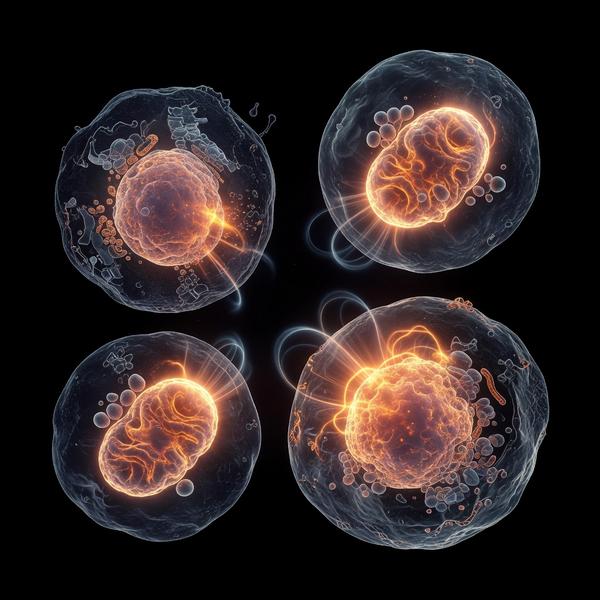
An exploration of how environmental pollutants trigger epigenetic changes that silence tumor-suppressor genes in cervical tissue, potentially leading to long-term health complications.
Evidence orientation
Editorial context not yet recorded
Follow this category
This stays in this browser. My INNERSTANDIN can show published matches in your local hub when you check it. It does not send email, push, or alert notifications.
Local learning review
A private browser aid for revisiting ideas. It is not an alert or a health recommendation.
Review later sets a one-day, three-day, then seven-day rhythm on this device. Choose it only when you want to revisit this article.

The Invisible Threat to Cervical Integrity. At INNERSTANDING, we focus on the root-cause analysis of cellular health. While traditional medicine often focuses on viral triggers for cervical changes, such as HPV, the biochemical environment in which these cells exist is equally critical. Emerging research indicates that environmental toxins—ranging from endocrine-disrupting chemicals (EDCs) like bisphenol A (BPA) and phthalates to heavy metals—act as potent catalysts for epigenetic silencing in cervical epithelial cells. ### Understanding Epigenetic Silencing. Epigenetics refers to the chemical modifications to DNA that regulate gene expression without altering the underlying genetic code.
The primary mechanism of interest here is DNA methylation, where methyl groups attach to the promoter regions of genes, effectively locking them in an 'off' position. When tumor-suppressor genes are silenced, the body loses its ability to repair damaged DNA or induce programmed cell death (apoptosis) in abnormal cells. ### Environmental Toxins as Epigenetic Modifiers. Chronic exposure to environmental pollutants creates a state of systemic inflammation and oxidative stress. Chemicals such as parabens, synthetic musks, and heavy metals can bind to estrogen receptors, creating a state of estrogen dominance. Because the cervical tissue is highly sensitive to hormonal fluctuations, this chronic stimulation can recruit DNA methyltransferases—enzymes responsible for adding methyl groups to DNA—to sites where they would normally be absent.
This leads to the silencing of critical genes like p16INK4a or RASSF1A, which are essential for maintaining genomic stability. ### The Role of Hormonal Influence. The cervix is a hormone-responsive organ. When environmental toxins interfere with the endocrine system, they disrupt the natural ebb and flow of the menstrual cycle. This hormonal dysregulation changes the epigenetic landscape of the cervical stroma. Persistent exposure to xenoestrogens can accelerate the methylation of protective genes, creating a vulnerability that allows for the proliferation of dysfunctional cell lines. ### Root-Cause Mitigation Strategies.
To combat epigenetic drift, one must focus on reducing the total toxic burden. This includes swapping plastic containers for glass, utilizing water filtration systems that remove heavy metals, and prioritizing organic produce to minimize pesticide exposure. Furthermore, supporting the body's methylation pathways through targeted nutrition—specifically folate, B12, and methyl-donors found in cruciferous vegetables—can help maintain the necessary chemical balance to prevent the aberrant silencing of tumor-suppressor genes. By understanding the interaction between our external environment and our internal genetic expression, we can take proactive steps to preserve long-term cervical health.
This article is provided for informational and educational purposes only. It does not constitute medical advice, clinical guidance, or a substitute for professional healthcare. Information reflects cited research at time of publication. Always consult a qualified healthcare professional before acting on any health information.
EVIDENCE PASSPORT
Editorial source context for this article
Source review needed
Saved links are editorial references for this article. They may support specific claims rather than every sentence. Open and assess each source in context. This passport does not independently verify them.
Editorial context
A complete editorial reading has not been recorded for this article, and no source links are saved on its record.
Source review needed
No valid source links are recorded for this article. Supplementary research, where available, is listed separately below.
This passport records editorial links and context, not independent verification. Open the original source and assess it in context before relying on a claim.
Medical Disclaimer
The information in this article is for educational purposes only and does not constitute medical advice, diagnosis, or treatment. Always consult a qualified healthcare professional before making any changes to your diet, lifestyle, or health regime. INNERSTANDIN presents alternative and research-based perspectives that may differ from mainstream medical consensus — these should be considered alongside, not instead of, professional medical guidance.
Read Full DisclaimerContinue the thread
Keep this question moving.
Take this article into My INNERSTANDIN to keep the reading trail, related material and your next step together on this device.
Dig deeper in the Library
Free, longform PDF volumes that go beyond headlines into mechanisms and references.
RABBIT HOLE
Follow the biological thread deeper