
Ethnobotany of the British Isles: Rediscovering Local Alkaloids
Updated April 2026
This article explores the vascular benefits of indigenous British plants like Hawthorn compared to modern ACE inhibitors. We reveal the forgotten pharmacological potential of the UK's natural landscape.
Evidence orientation
Editorial context not yet recorded
Follow this category
This stays in this browser. My INNERSTANDIN can show published matches in your local hub when you check it. It does not send email, push, or alert notifications.
Local learning review
A private browser aid for revisiting ideas. It is not an alert or a health recommendation.
Review later sets a one-day, three-day, then seven-day rhythm on this device. Choose it only when you want to revisit this article.
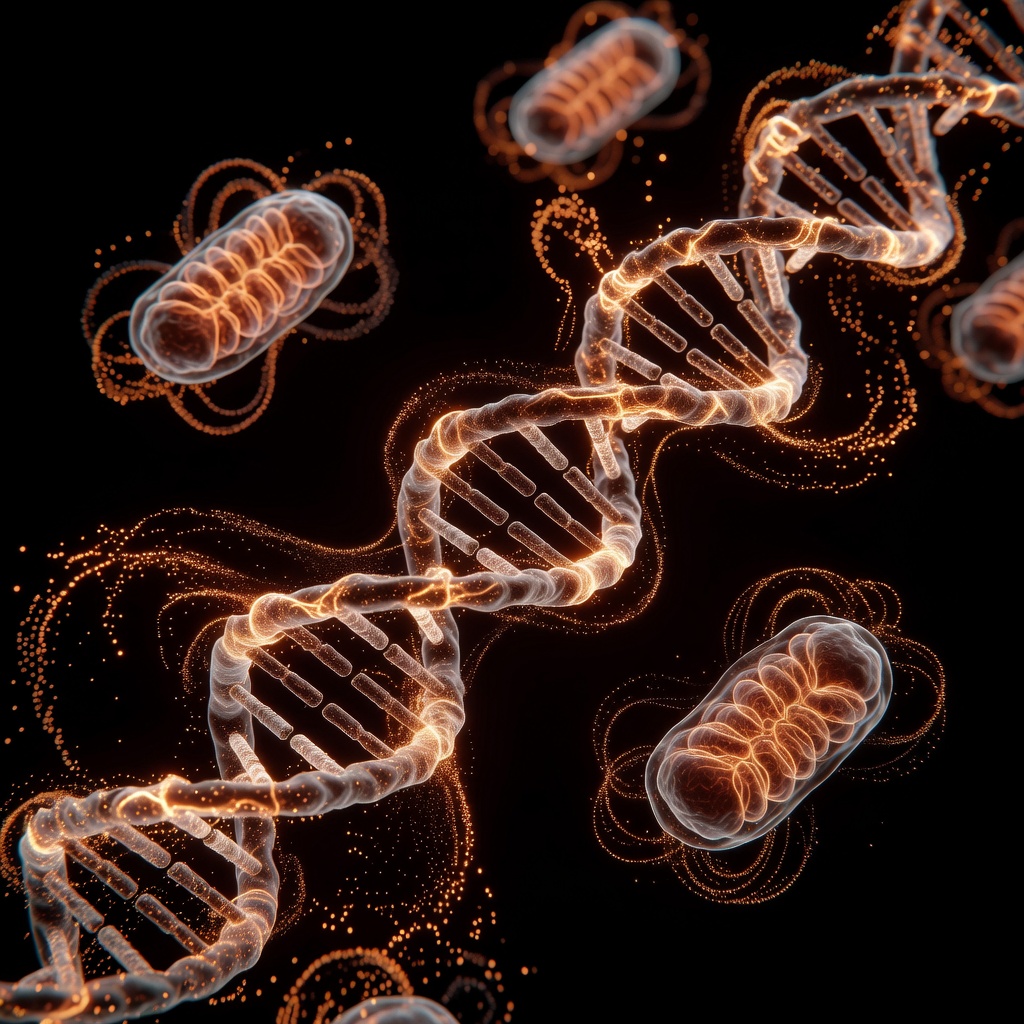
For millennia, the British Isles served as a dense laboratory of phytochemical evolution. From the damp, moss-laden oak forests of the Atlantic west to the chalk grasslands of the South Downs, the indigenous flora has synthesised a sophisticated array of secondary metabolites—specifically alkaloids—designed for survival, defence, and communication. In the contemporary era, these potent molecular structures are often dismissed as "folklore" or reduced to singular "active ingredients" by the pharmaceutical industrial complex. However, a deeper biological interrogation reveals that the ethnobotany of Britain is not merely a relic of the past but a foundational pillar of vascular health and cellular resilience that we have dangerously ignored.
The shift from Ancient Medicine to the Modern Paradigm has resulted in a profound "botanical amnesia." As we transitioned from the synergistic complexity of whole-plant medicine to the isolationist approach of synthetic pharmacology, we lost the nuanced interaction between human physiology and the local landscape. This article reclaims that knowledge, exploring the rigorous biology of British alkaloids and their critical role in maintaining the integrity of the human biological machine.
Overview
The history of British ethnobotany is a narrative of suppression and rediscovery. Before the Roman occupation and the subsequent rise of institutionalised medicine, the Druidic and Celtic traditions possessed an exhaustive understanding of the phytochemical signatures of local plants. They understood that the landscape provided a direct biochemical response to the environmental stressors of the region.
Alkaloids—a class of naturally occurring organic compounds that mostly contain basic nitrogen atoms—are among the most potent substances in the plant kingdom. In the British Isles, these compounds evolved in response to unique temperate pressures, resulting in a distinct chemical profile compared to tropical or Mediterranean counterparts.
The modern paradigm categorises these substances primarily by their toxicity or their potential for high-profit extraction. Yet, the Ancient Paradigm viewed them as regulators of the biological terrain. Today, we recognise that many of these local alkaloids possess a remarkable affinity for the human vascular system, influencing blood pressure, endothelial function, and the structural integrity of the heart. By rediscovering these local molecules, we move beyond the "pill for an ill" mentality toward a biological integration with our immediate environment.
The disconnect between the modern Briton and their local flora is not merely cultural; it is a metabolic tragedy. We are biologically wired to interact with the molecules of our own biome.
The Biology
To understand the ethnobotany of the British Isles, one must first understand the classification and function of the alkaloids found within its borders. Unlike primary metabolites (carbohydrates, proteins, fats), alkaloids are secondary metabolites. They are not essential for the plant's basic growth but are crucial for its interaction with the environment—acting as chemical signals, deterrents against herbivores, and protection against UV radiation.
The Isoquinoline Group
Perhaps the most significant group of alkaloids in the UK context are the isoquinoline alkaloids. Found prominently in species like the *Greater Celandine (Chelidonium majus) and the Yellow Horned-poppy (Glaucium flavum)*, these compounds have a profound impact on smooth muscle tissue.
- Celandine: Contains chelidonine, which exhibits significant antispasmodic effects on the bile duct and bronchi, but more importantly, influences the vascular tone.
- Mechanism: These alkaloids act as mild calcium channel blockers, preventing the over-constriction of vessels and promoting efficient peripheral circulation.
The Pyrrolizidine Challenge
In herbs such as *Comfrey (Symphytum officinale) and Groundsel (Senecio vulgaris), we find pyrrolizidine alkaloids (PAs). Modern science focuses heavily on their potential hepatotoxicity in isolated, high doses. However, in the context of traditional British medicine, these were used topically or in controlled formulations to stimulate cellular mitosis*. The "truth-exposing" reality is that the modern ban on many of these traditional preparations often ignores the dose-dependent benefits of these molecules in tissue repair and vascular wall strengthening.
The Indole Alkaloids of the Hedgerow
While often associated with more "exotic" flora, indole alkaloids are present in the British landscape in forms that regulate the nervous and vascular systems. The *Periwinkle (Vinca minor)*, common in British woodlands, contains vincamine.
- Vincamine is a potent vasodilator. It specifically increases blood flow to the cerebral cortex, enhancing oxygenation and glucose uptake. This is a primary example of a "local" alkaloid that directly counters the cognitive decline associated with modern vascular congestion.
Cardiac Glycosides: The Borderline Alkaloids
While technically glycosides, the compounds found in *Foxglove (Digitalis purpurea) represent the pinnacle of British ethnobotanical potency. These molecules—digitoxin and digoxin—target the sodium-potassium ATPase pump in cardiac myocytes. This increases the force of heart contractions while slowing the rate, a perfect example of how indigenous British chemistry can masterfully manipulate vascular hemodynamics*.
Mechanisms at the Cellular Level
The efficacy of British alkaloids lies in their ability to speak the "molecular language" of the human cell. They do not override biological systems like many synthetic drugs; rather, they modulate them through specific pathways.
Endothelial Signalling and Nitric Oxide
The vascular endothelium—the thin layer of cells lining the blood vessels—is the primary site of action for many British herbs. Alkaloids from the *Hawthorn (Crataegus monogyna), while often working alongside flavonoids, interact with the endothelial cells to stimulate the production of Nitric Oxide (NO)*.
- The Process: The alkaloids bind to specific receptors on the endothelial surface, triggering an intracellular calcium release. This activates the enzyme Nitric Oxide Synthase (NOS), which converts L-arginine into NO.
- The Result: NO diffuses into the smooth muscle cells, causing them to relax (vasodilation), thereby reducing blood pressure and increasing nutrient delivery to tissues.
The NF-κB Pathway and Inflammation
Chronic inflammation is the root of vascular decay. Alkaloids found in the *Willow (Salix alba) and Meadowsweet (Filipendula ulmaria) (specifically precursors to salicylic acid, though often classified alongside their alkaloid-like counterparts in ethnobotanical studies) target the NF-κB pathway*.
- NF-κB is a protein complex that controls the transcription of DNA and is a "master switch" for inflammation.
- By inhibiting the activation of this switch, local British phytochemicals prevent the oxidative stress that leads to atherosclerosis (hardening of the arteries).
Receptor Site Affinity: The Lock and Key
Many British alkaloids are structural analogues to human neurotransmitters and hormones. This allow them to bind to G-protein coupled receptors (GPCRs). For instance, the alkaloids in *Nightshades (Solanaceae)*—historically used in very specific, ritualistic medical contexts in Britain—bind to muscarinic acetylcholine receptors. In controlled, ethnobotanical applications, this allows for the modulation of the parasympathetic nervous system, directly influencing the "rest and digest" state of the vascular system.
Ion Channel Modulation
At the most fundamental level, alkaloids like those found in the *Yew tree (Taxus baccata)—specifically taxines—interfere with ion channels and microtubule stability. While highly toxic in raw form, the biological principle is clear: British flora has the capacity to arrest or accelerate cellular processes at the microtubular level*. Modern oncology has "stolen" this mechanism (paclitaxel), yet we fail to respect the source of this profound biological wisdom.
Environmental Threats
The bio-availability and potency of these alkaloids are under direct threat. The British landscape is no longer the pristine chemical factory it once was.
Soil Depletion and Mineral Cofactors
Alkaloid synthesis in plants is highly dependent on soil quality, particularly the presence of nitrogen and trace minerals like magnesium and zinc.
- Intensive Farming: The "Green Revolution" in the UK led to the over-use of NPK (Nitrogen, Phosphorus, Potassium) fertilisers, which force-grow plants at the expense of secondary metabolite production.
- The Result: Modern wild-crafted herbs in many parts of the UK are "chemically hollow" compared to their ancestors. A Hawthorn bush growing near a pesticide-sprayed field in East Anglia will have a vastly different alkaloid profile than one in an ancient Scottish woodland.
Pesticides and Endocrine Disruptors
The use of glyphosate and neonicotinoids across the British Isles does more than just kill "weeds." These chemicals interfere with the shikimate pathway in plants—the very pathway responsible for the synthesis of aromatic amino acids that serve as precursors to most alkaloids. When we spray the landscape, we are effectively lobotomising the chemical intelligence of the flora.
Climate Shifting
As the UK's weather patterns become more volatile, the "stress signals" that trigger alkaloid production are changing. Alkaloids are often produced as a response to specific local pests or temperature fluctuations. As invasive species move in and native insects decline, the plants lose the biological "adversaries" that formerly forced them to produce high-quality medicinal compounds.
We are witnessing the silencing of the British genome. Every hedge ripped out for housing and every field saturated with chemicals is a lost page from our biological pharmacopoeia.
The UK Context
The British Isles occupy a unique position in global ethnobotany. The confluence of a maritime climate, varied geology (from acidic granites to alkaline limestones), and a long history of pastoralism has created a specific "phytochemical niche."
The Suppression of the "Hedge-Witch"
Historically, the knowledge of local alkaloids was held by community healers—often women. The systematic eradication of this knowledge began with the Witchcraft Acts and was completed by the 1968 Medicines Act, which began the process of restricting the sale and use of potent native herbs. This was not a move for "public safety" so much as it was a move to standardise the British body as a consumer of industrial products.
The NHS vs The Landscape
In the UK, the National Health Service (NHS) is the "gold standard" of care, yet it is almost entirely divorced from the geographical reality of the British Isles. We import synthetic versions of molecules that grow outside the hospital windows. This creates a dependency on global supply chains for vascular health, while the "Vascular Protectors" (like Hawthorn, Yew, and Willow) are viewed as mere landscaping or "hazards."
The Post-Brexit Opportunity
There is a burgeoning movement in the UK to reclaim food and medicine sovereignty. As we move away from EU-wide agricultural mandates, there is an opportunity to incentivise the restoration of ancient hedgerows and the cultivation of medicinal-grade British flora. Re-wilding is not just about bringing back wolves; it is about bringing back the chemical diversity of the British soil.
Protective Measures
How do we bridge the gap between this ancient wisdom and the modern need for vascular integrity? We must move toward a model of Biological Stewardship.
1. Restoration of the Shikimate Pathway
We must advocate for the total removal of glyphosate from the British landscape. By allowing the soil microbiome to recover, we ensure that native plants can once again synthesise the complex alkaloids required for human health.
2. Micro-Regional Foraging and Mapping
The alkaloid profile of a plant is as specific as a postcode. We need a national effort to map the chemodiversity of British flora.
- Action: Support local bio-regional herbalism. A plant harvested from the Welsh mountains will have a different epigenetic expression than one from the Kentish coast. We must match the medicine to the local environmental stressors.
3. Whole-Plant Synergy
We must reject the "active ingredient" fallacy. The modern paradigm isolates an alkaloid, finds it has "side effects," and then creates another drug to mask those effects.
- The Protective Approach: Use whole-plant preparations. The "toxic" alkaloids in many British plants are buffered by co-occurring tannins, mucilages, and flavonoids that protect the human liver and kidneys while allowing the alkaloid to perform its vascular work.
4. Vascular Re-Wilding
Integrate "Vascular Herbs" into the domestic British garden. By growing *Motherwort (Leonurus cardiaca) or Valerian (Valeriana officinalis)*, we create a personal apothecaries that are attuned to our specific local environment.
Key Takeaways
- Alkaloids are Biological Information: British plants produce these nitrogenous compounds as a response to the local environment; they are not "random" chemicals but evolved signals.
- Vascular Affinity: The primary strength of British ethnobotany lies in its profound influence on vascular health, from heart rate regulation to endothelial repair.
- The Modern Paradigm is Reductionist: By isolating single molecules, modern science misses the synergistic protection provided by whole-plant chemistry.
- Environmental Integrity is Health: You cannot have potent medicinal plants in depleted, poisoned soil. Soil health in the UK is directly linked to the vascular resilience of the British population.
- Sovereignty is Local: Rediscovering local alkaloids is an act of biological defiance. It reduces dependency on synthetic, industrialised medicine and restores the ancient link between the people and the British landscape.
The British Isles are a treasure trove of molecular complexity. To ignore the ethnobotany of our ancestors is to turn our backs on a system of medicine that is perfectly calibrated to our biology and our biome. It is time to look to the hedgerow, the forest, and the moor—not as a backdrop, but as the source of our future health.
This article is provided for informational and educational purposes only. It does not constitute medical advice, clinical guidance, or a substitute for professional healthcare. Information reflects cited research at time of publication. Always consult a qualified healthcare professional before acting on any health information.
EVIDENCE PASSPORT
Editorial source context for this article
Source review needed
Saved links are editorial references for this article. They may support specific claims rather than every sentence. Open and assess each source in context. This passport does not independently verify them.
Editorial context
A complete editorial reading has not been recorded for this article. Source links remain available for you to open and assess directly.
Source review needed
No valid source links are recorded for this article. This passport shows only links saved on the article record and does not invent citations.
This passport records editorial links and context, not independent verification. Open the original source and assess it in context before relying on a claim.
Medical Disclaimer
The information in this article is for educational purposes only and does not constitute medical advice, diagnosis, or treatment. Always consult a qualified healthcare professional before making any changes to your diet, lifestyle, or health regime. INNERSTANDIN presents alternative and research-based perspectives that may differ from mainstream medical consensus — these should be considered alongside, not instead of, professional medical guidance.
Read Full DisclaimerContinue the thread
Keep this question moving.
Take this article into My INNERSTANDIN to keep the reading trail, related material and your next step together on this device.
Explore this in the Body Map
See where this hits your biology. Interactive anatomy, threats, and protective protocols.