
Exosome Therapy: The Molecular Postmen of Regenerative Medicine
Updated May 2026
Exosomes are tiny vesicles that carry genetic instructions between cells to facilitate repair. This article analyzes how cell-free therapies could provide the benefits of stem cells without the risks.
Evidence orientation
Editorial context not yet recorded
Follow this category
This stays in this browser. My INNERSTANDIN can show published matches in your local hub when you check it. It does not send email, push, or alert notifications.
Local learning review
A private browser aid for revisiting ideas. It is not an alert or a health recommendation.
Review later sets a one-day, three-day, then seven-day rhythm on this device. Choose it only when you want to revisit this article.
Overview
In the burgeoning landscape of regenerative medicine, a paradigm shift is occurring. For decades, the stem cell was heralded as the ultimate architect of tissue repair, the "master cell" capable of regenerating damaged organs and reversing the ravages of time. However, as our understanding of molecular biology has deepened, a more subtle and perhaps more potent protagonist has emerged from the cellular shadows: the exosome.
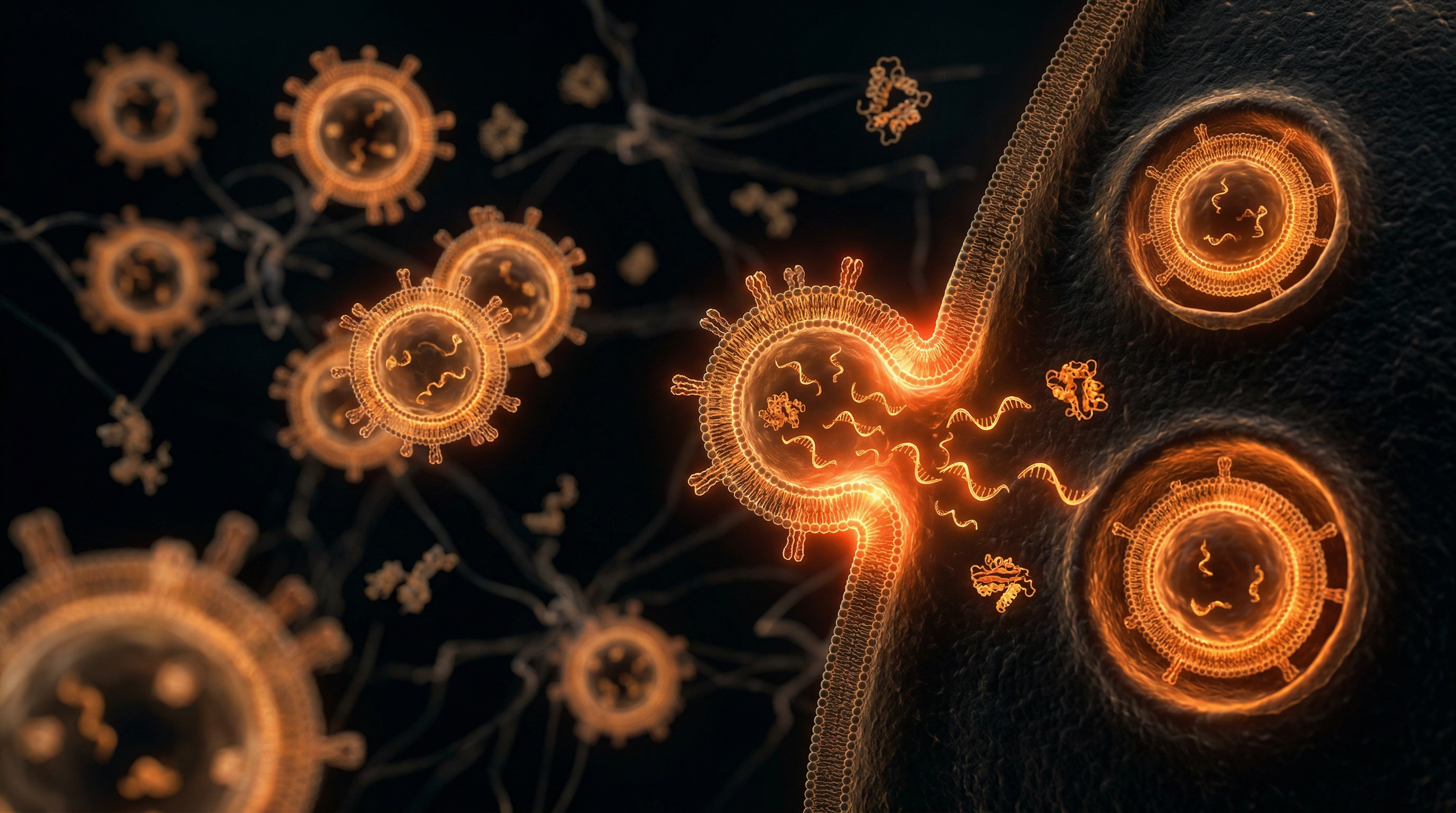
Once dismissed as mere "cellular dust" or metabolic waste-disposal units, exosomes are now recognised as the sophisticated molecular postmen of the biological world. These nano-sized, membrane-bound extracellular vesicles (EVs) serve as the primary medium for long-range intercellular communication. They are the vehicles through which cells "talk," exchanging complex libraries of proteins, lipids, and genetic instructions that can reprogram the behaviour of recipient cells.
This article provides an exhaustive analysis of exosome therapy—a "cell-free" approach that promises to harness the regenerative power of stem cells while bypassing the inherent risks of live-cell transplantation. As we peel back the layers of this biological phenomenon, we will explore why exosomes may be the missing link in treating chronic inflammation, neurodegeneration, and metabolic dysfunction. Furthermore, we will examine the environmental factors threatening this delicate communication network and the scientific truths that remain obscured by the mainstream medical-industrial complex.
Key Statistic: The global exosome research market is projected to reach approximately $1.3 billion by 2028, reflecting a move away from traditional pharmacology toward bio-intelligent signalling therapies.
The Biology — How It Works
To understand exosome therapy, one must first grasp the elegant complexity of extracellular vesicles (EVs). Exosomes are the smallest subset of these vesicles, typically ranging from 30 to 150 nanometres in diameter. Unlike apoptotic bodies or microvesicles, which bud directly from the plasma membrane, exosomes have a distinct and controlled biogenesis.
Biogenesis: The Endosomal Pathway
The creation of an exosome begins within the endosomal system. The process starts with the inward budding of the plasma membrane to form an early endosome. As this matures into a late endosome, or multivesicular body (MVB), the limiting membrane buds inward again, creating dozens of tiny intraluminal vesicles (ILVs).
When these MVBs fuse with the cell’s outer membrane, they release their cargo of ILVs into the extracellular space. At this precise moment, these vesicles are officially termed exosomes. This highly regulated process ensures that the "message" contained within the exosome is precisely curated by the parent cell.
The Molecular Cargo
What makes the exosome a "postman" is its payload. An exosome is not merely a lipid bubble; it is a concentrated packet of biological intelligence. Its cargo includes:
- Messenger RNA (mRNA): Transcripts that can be translated into functional proteins by the recipient cell.
- MicroRNA (miRNA): Small non-coding RNA molecules that act as epigenetic switches, silencing specific genes and modulating protein expression.
- Proteins: Including growth factors, cytokines, and signalling enzymes (e.g., Alix, TSG101, and tetraspanins like CD9, CD63, and CD81).
- Lipids: Sphingomyelin, cholesterol, and ceramides that provide structural integrity and facilitate membrane fusion.
Cell-Free Advantages
Traditional stem cell therapy involves the injection of live cells (often mesenchymal stem cells or MSCs). While effective, this carries risks: the cells may trigger an immune response, form tumours (teratomas), or become trapped in the lungs (the "pulmonary first-pass effect").
Exosome therapy is "cell-free." Because they are not living organisms, exosomes:
- Do not require immunosuppression (low immunogenicity).
- Cannot replicate, eliminating the risk of malignant transformation.
- Are small enough to cross the blood-brain barrier (BBB), a feat nearly impossible for whole cells.
Mechanisms at the Cellular Level
The therapeutic efficacy of exosomes lies in their ability to alter the microenvironment of diseased or damaged tissue. This is achieved through three primary mechanisms of uptake:
- Endocytosis: The recipient cell "swallows" the exosome, bringing it into its internal machinery.
- Direct Fusion: The exosomal lipid bilayer merges with the recipient cell’s membrane, dumping its cargo directly into the cytoplasm.
- Ligand-Receptor Interaction: Surface proteins on the exosome bind to specific receptors on the target cell, triggering an internal signalling cascade without the exosome even entering the cell.
Epigenetic Reprogramming
Perhaps the most profound mechanism is the delivery of miRNA. Once inside the target cell, these miRNA strands can bind to specific mRNA sequences, preventing the production of pro-inflammatory proteins or "switching on" genes responsible for tissue repair. This is known as epigenetic modulation. For instance, MSC-derived exosomes have been shown to deliver miR-133b, which promotes neurite outgrowth and neurological recovery after a stroke.
Anti-Inflammatory and Immunomodulatory Effects
Exosomes have a unique ability to communicate with the immune system. In states of chronic inflammation, exosomes can signal macrophages to shift from a pro-inflammatory (M1) phenotype to an anti-inflammatory, reparative (M2) phenotype. This "re-tuning" of the immune system is critical for treating autoimmune conditions and systemic "inflammaging."
Angiogenesis and Tissue Remodelling
In wound healing or ischaemic heart disease, exosomes carry pro-angiogenic proteins like VEGF (Vascular Endothelial Growth Factor). These signals instruct local cells to build new blood vessels, restoring oxygen and nutrient flow to oxygen-starved tissues.
Callout Fact: A single exosome can contain over 1,000 different proteins and more than 500 different types of miRNA, making it a "multi-target" drug far more complex than any synthetic pharmaceutical.
Environmental Threats and Biological Disruptors
While the body’s endogenous exosome system is a masterpiece of biological engineering, it is increasingly under siege. In the modern world, the "messages" being sent between our cells are being intercepted, corrupted, or drowned out by biological disruptors.
The Impact of Glyphosate and Agro-toxins
Widespread use of the herbicide glyphosate has been linked to disruptions in the gut microbiome. The gut-brain axis relies heavily on exosomal signalling. When the microbiome is compromised, the "signals" sent from the gut to the brain are altered, potentially contributing to the rise in neurodevelopmental and neurodegenerative disorders. Glyphosate may also interfere with the synthesis of the proteins required for proper exosome biogenesis.
Electromagnetic Interference (EMFs)
Emerging research suggests that non-ionising radiation (EMFs) may influence the permeability of cell membranes and the "zeta potential" (electric charge) of exosomes. Since exosomes rely on precise electrochemical gradients to find their target cells, the pervasive "smog" of modern wireless technology may act as biological static, preventing the "molecular postman" from delivering its mail to the correct address.
Microplastics and Nanotoxicity
We now live in an era of nanoparticulate pollution. Microplastics and heavy metals (like aluminium and mercury) can be inadvertently "packaged" into exosomes. Instead of carrying regenerative instructions, these corrupted vesicles become "Trojan Horses," spreading toxins throughout the body and bypassing the blood-brain barrier.
The Cascade: From Exposure to Disease
When exosomal communication breaks down, the result is a systemic cascade of dysfunction. This "miscommunication" is now being recognised as a foundational driver of chronic disease.
The Propagation of Neurodegeneration
In Alzheimer’s and Parkinson’s diseases, exosomes may be hijacked to spread pathology. Misfolded proteins, such as beta-amyloid, tau, and alpha-synuclein, can be packaged into exosomes and transported from a diseased neuron to a healthy one. This explains the "prion-like" spread of these diseases through the brain. The therapy, therefore, must involve not just adding "good" exosomes, but filtering out or inhibiting the "bad" ones.
Oncogenic Exosomes (The Cancer "Seed")
Tumours are master manipulators of the exosomal system. A cancer cell will secrete "oncosomes"—vesicles that travel to distant parts of the body to prepare the "soil" for metastasis. These exosomes suppress the immune system’s ability to detect the cancer and stimulate the growth of blood vessels to feed future secondary tumours.
Metabolic Syndrome and Obesity
In the context of obesity, adipose (fat) tissue becomes inflamed and begins secreting exosomes laden with pro-inflammatory cytokines. These vesicles travel to the liver and muscles, causing insulin resistance. This demonstrates how a local issue (excess visceral fat) becomes a systemic metabolic disaster via exosomal transport.
Important Callout: Research suggests that "exosome-shuttled" inflammation may be a primary cause of the cognitive decline often seen in metabolic syndrome, often referred to as "Type 3 Diabetes."
What the Mainstream Narrative Omits
As exosome therapy moves toward the mainstream, there are several "inconvenient truths" that are often omitted from the glossy brochures of biotech firms and the simplified reports of news outlets.
The "Exosome vs. Virus" Debate
One of the most controversial areas of molecular biology is the striking similarity between exosomes and viruses. Both are nano-sized vesicles containing genetic material; both enter cells via endocytosis; both use the same internal cellular machinery (the ESCRT complex) for biogenesis.
Some heterodox researchers argue that many "viruses" may, in fact, be endogenous exosomes produced by the body in response to toxicity or stress—a way for cells to warn each other of danger. This "Pleomorphic" view of biology suggests that instead of fighting "invaders," we should focus on the internal "terrain" that dictates what kind of exosomes our cells produce.
The Sanitisation of "Natural" Protocols
The pharmaceutical industry is currently racing to develop synthetic exosomes or "mimetic nanoparticles." Why? Because natural, bio-identical exosomes derived from healthy human tissue are difficult to patent. The mainstream narrative often downplays the efficacy of lifestyle-based exosomal modulation—such as how fasting, cold thermogenesis, and specific polyphenols (like curcumin and resveratrol) can naturally optimise the exosomal profile of an individual without expensive clinical intervention.
The Risks of Mass Production
In the rush to commercialise, some "exosome products" are being marketed with little oversight regarding their source. Exosomes are only as good as the cells they come from. If the donor cells are aged, stressed, or exposed to toxins, the resulting exosomes may carry sub-optimal or even harmful instructions. The lack of standardisation in the industry is a "ticking time bomb" that the mainstream media rarely discusses.
The UK Context
The United Kingdom occupies a unique position in the global exosome landscape. With its robust life sciences sector and the presence of world-leading institutions like Oxford and Cambridge, the UK is at the forefront of "EV" (Extracellular Vesicle) research.
Regulatory Challenges (MHRA)
The Medicines and Healthcare products Regulatory Agency (MHRA) currently classifies exosome therapies as "Advanced Therapy Medicinal Products" (ATMPs). This puts them in the same regulatory category as gene therapy and stem cells. While this ensures safety, it also creates a high barrier to entry, often pushing the most innovative treatments into the "private" or "off-shore" market, accessible only to the wealthy in clinics in London's Harley Street.
The NHS and the Future of Public Health
Within the NHS, there is a growing interest in using exosomes for liquid biopsies. Because exosomes are found in blood, saliva, and urine, they can provide a "real-time" snapshot of a patient’s internal health. This could revolutionise early cancer detection in the UK. However, the move from diagnostic use to therapeutic use remains stalled by the sheer cost of clinical trials and the NHS’s current budgetary constraints.
The British Biotech "Silicon Glen" and "Golden Triangle"
British biotech firms are pioneering ways to use exosomes as "drug delivery vehicles." By loading synthetic drugs into exosomes, these companies aim to reduce side effects—targeting the drug directly to the diseased tissue and sparing healthy cells. This "precision medicine" approach is a central pillar of the UK government’s "Life Sciences Vision."
Protective Measures and Recovery Protocols
Given the importance of exosomal communication and the threats it faces, how can one protect and optimise this system? As a senior researcher, I advocate for a multi-layered approach that combines cutting-edge science with biological wisdom.
1. Optimising the Cellular "Soil"
Exosomes are a reflection of the cell’s internal state. To produce "regenerative" rather than "degenerative" exosomes, one must address the basics:
- Sulforaphane (from Broccoli Sprouts): Known to activate the Nrf2 pathway, which reduces oxidative stress and improves the quality of exosomal cargo.
- Intermittent Fasting: Triggers autophagy, the cellular "cleanup" process, ensuring that the MVBs are not recycling damaged or misfolded proteins into exosomes.
- Magnesium and Zinc: Essential co-factors for the enzymes involved in RNA synthesis and vesicle transport.
2. Environmental Mitigation
To reduce "biological noise" and prevent exosomal corruption:
- Filtering Water: Use high-quality reverse osmosis filters to remove fluoride and heavy metals that disrupt cellular signalling.
- EMF Hygiene: Turning off Wi-Fi at night and using wired connections can reduce the "electromagnetic stress" on cell membranes.
- Organic Nutrition: Minimising glyphosate exposure is non-negotiable for maintaining gut-exosome integrity.
3. Therapeutic Interventions
For those seeking active exosome therapy, due diligence is vital:
- Source Verification: Ensure the exosomes are derived from neonatal mesenchymal stem cells (e.g., umbilical cord-derived), as these have the highest regenerative potential and the lowest "mutational load."
- Purity Testing: Request lab reports (COAs) confirming the absence of endotoxins, heavy metals, and mycoplasma.
- Concentration Matters: Effective doses typically require billions of exosomes per millilitre (often labelled as `10^10` or `10^{11}` particles).
4. Natural Exosome Boosters
Certain substances act as "secretagogues," encouraging the body to release its own regenerative vesicles:
- GHK-Cu (Copper Peptide): A powerful signalling molecule that stimulates tissue repair and has been shown to modulate exosomal expression.
- Photobiomodulation (Red Light Therapy): May enhance mitochondrial function, providing the ATP (energy) required for efficient exosome biogenesis.
Summary: Key Takeaways
The emergence of exosome therapy represents the next evolution of medicine—a move from "brute force" surgery and chemistry to "intelligent" information-based healing.
- The Postman Metaphor: Exosomes are the delivery vehicles for the body’s most important instructions. Their ability to cross the blood-brain barrier and evade the immune system makes them superior to traditional cell therapies.
- The Epigenetic Switch: By delivering miRNA, exosomes don't just "patch" a wound; they reprogram the recipient cell to repair itself.
- Environmental Vigilance: Our modern world is full of "signal disruptors" (glyphosate, EMFs, toxins) that can corrupt this communication network, leading to systemic disease.
- Beyond the Narrative: While the mainstream focuses on patental synthetic versions, the most profound health gains come from optimising our endogenous "molecular postmen" through lifestyle and bio-identical support.
- The Future is Cell-Free: As the UK and the global scientific community refine these protocols, exosome therapy will likely become the cornerstone of "longevity medicine," offering a way to maintain biological youth by keeping our cellular communication lines clear.
In the final analysis, we are not just a collection of cells; we are a symphony of signals. To master the exosome is to master the language of life itself. At INNERSTANDING, we remain committed to exposing the depths of these biological truths, ensuring that the power of regeneration remains in the hands of the informed individual.
"References & Further Reading:"
- Journal of Extracellular Vesicles (JEV): The leading academic resource for EV research.
- The "ExoCarta" Database: A compendium of exosomal proteins, RNA, and lipids.
- International Society for Extracellular Vesicles (ISEV) position papers on clinical standardisation.
This article is provided for informational and educational purposes only. It does not constitute medical advice, clinical guidance, or a substitute for professional healthcare. Information reflects cited research at time of publication. Always consult a qualified healthcare professional before acting on any health information.
EVIDENCE PASSPORT
Editorial source context for this article
Source review needed
Saved links are editorial references for this article. They may support specific claims rather than every sentence. Open and assess each source in context. This passport does not independently verify them.
Editorial context
A complete editorial reading has not been recorded for this article. Source links remain available for you to open and assess directly.
Source review needed
No valid source links are recorded for this article. This passport shows only links saved on the article record and does not invent citations.
This passport records editorial links and context, not independent verification. Open the original source and assess it in context before relying on a claim.
Medical Disclaimer
The information in this article is for educational purposes only and does not constitute medical advice, diagnosis, or treatment. Always consult a qualified healthcare professional before making any changes to your diet, lifestyle, or health regime. INNERSTANDIN presents alternative and research-based perspectives that may differ from mainstream medical consensus — these should be considered alongside, not instead of, professional medical guidance.
Read Full DisclaimerContinue the thread
Keep this question moving.
Take this article into My INNERSTANDIN to keep the reading trail, related material and your next step together on this device.