The Ferritin-Follicle Connection: Why UK Iron Standards Fail to Protect Hair Health
Many UK citizens suffer from suboptimal ferritin levels that fall within the 'normal' range but fail to support hair growth. This piece highlights the critical role of iron and zinc in follicle metabolism.
Overview
In the clinical consulting rooms of the United Kingdom, a silent epidemic is being overlooked, dismissed by the very metrics designed to safeguard public health. Thousands of individuals—predominantly women, but increasingly men—present to their GPs with the distressing symptom of diffuse hair thinning, only to be told that their blood results are "entirely normal."
At INNERSTANDING, we have identified a systemic failure in the way hair health is assessed within the UK’s medical framework. The "normal" reference ranges used by the NHS for serum ferritin (stored iron) are calibrated to prevent life-threatening anaemia, not to support the high metabolic demands of the human hair follicle. While a ferritin level of 15 nanograms per millilitre (ng/mL) may keep your heart pumping and your lungs inflating, it is a biological death sentence for your hair’s growth cycle.
This article exposes the "Ferritin-Follicle Connection." We will explore why the hair follicle is the first "luxury" organ to be sacrificed by the body during mineral scarcity, why the UK’s diagnostic thresholds are fundamentally flawed, and how the synergy between iron and zinc forms the bedrock of follicular vitality. We are moving beyond the mainstream narrative of "stress-related loss" to reveal a deeper, cellular truth: your hair is a metabolic barometer, and currently, the UK’s standards are misreading the weather.
Fact 1: According to the National Diet and Nutrition Survey (NDNS), approximately 25% of women in the UK have iron intakes below the Lower Reference Nutrient Intake (LRNI), leaving them perpetually on the threshold of follicular failure despite "normal" blood panels.
---
The Biology — How It Works
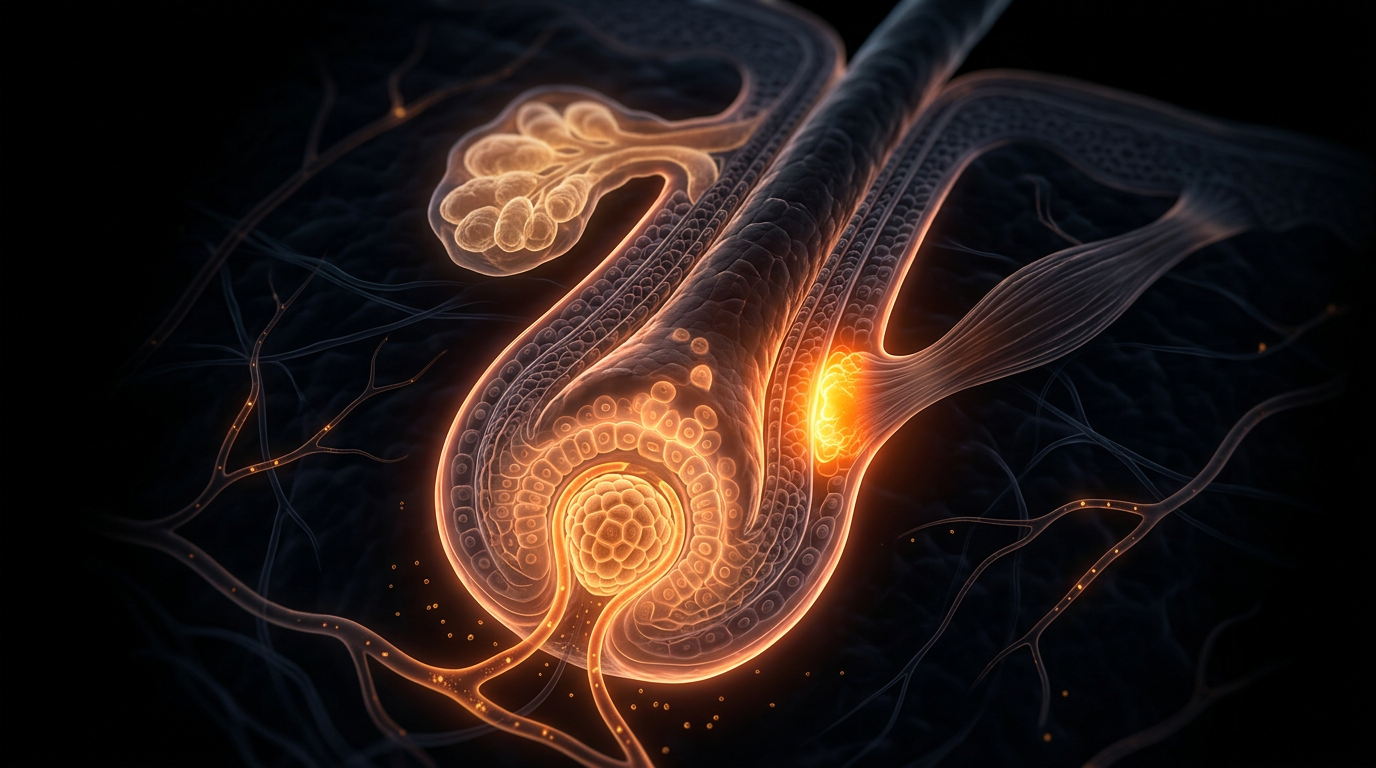
To understand why hair falls out when iron levels dip, one must first view the hair follicle as a biochemical factory. Aside from the bone marrow, the hair follicle contains the most rapidly dividing cells in the human body. Every few weeks, the cells at the base of the follicle (the matrix) must replicate at an extraordinary rate to produce the keratin shaft we recognize as hair.
The Ferritin Battery
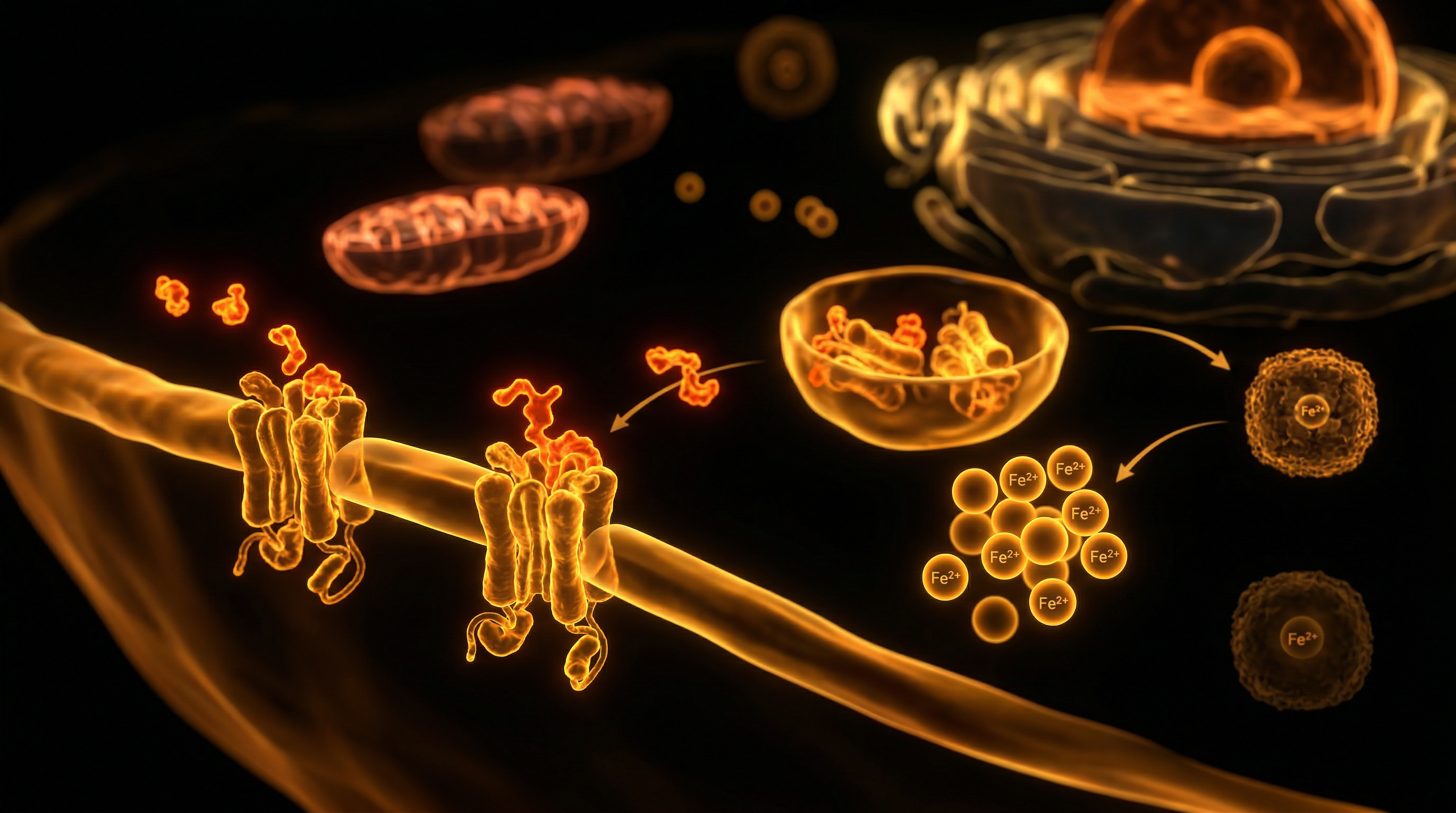
Ferritin is not iron itself; it is the intracellular protein that stores iron and releases it in a controlled fashion. Think of ferritin as the battery of the hair follicle. Iron is an essential co-factor for ribonucleotide reductase, the rate-limiting enzyme in DNA synthesis. Without sufficient iron—manifested as high ferritin stores—cell division in the hair matrix slows or halts.
The Zinc Scaffold
While iron drives the "engine" of cell division, zinc provides the structural integrity. Zinc is involved in over 300 enzymatic reactions, including protein synthesis and nucleic acid metabolism. It plays a critical role in the Hedgehog signalling pathway, which governs the transition of the follicle through its life stages. When zinc is deficient, the follicle cannot maintain its structural "grip" on the hair shaft, leading to premature shedding.
The Luxury Organ Hypothesis
In biological terms, hair is "non-essential." In a state of nutritional scarcity, the body operates a strict triage system. It will divert dwindling iron and zinc resources toward essential functions—haemoglobin production for oxygen transport, ATP production for the heart, and cognitive maintenance. The hair follicles are the first to be "unplugged" to save the grid. Consequently, hair loss is often the first clinical sign of a subclinical mineral deficiency that has yet to manifest as systemic disease.
---
Mechanisms at the Cellular Level
The "Normal" range for ferritin in many UK labs spans from 15 to 150 ng/mL. However, molecular biology tells a different story.
Mitochondrial Respiration and Iron
Each follicle cell contains mitochondria that require iron-sulfur clusters to function within the electron transport chain. When ferritin levels drop below 70 ng/mL, the oxidative capacity of the follicle is compromised. The cells enter a state of metabolic "hibernation." This shortens the Anagen (growth) phase and prematurely triggers the Telogen (resting) phase, leading to a condition known as Chronic Telogen Effluvium.
Keratinocyte Proliferation
The hair shaft is primarily composed of keratin. The synthesis of this protein is energy-intensive. Iron is required for the hydroxylation of proline and lysine in the formation of collagen and related proteins within the follicle’s connective tissue sheath. Furthermore, zinc is the primary architect of zinc-finger proteins, which act as transcription factors for the genes that code for hair proteins. If the zinc-to-iron ratio is skewed, or if both are low, the resulting hair is thin, brittle, and lacks the cuticle strength to survive the growth cycle.
Fact 2: Clinical studies in trichology suggest that while the NHS lower limit for ferritin is often 15 ng/mL, a minimum of 70–80 ng/mL is required to trigger the regrowth of hair in the anagen phase.
---
Environmental Threats and Biological Disruptors
The UK population faces a unique set of environmental challenges that exacerbate mineral deficiencies, regardless of caloric intake.
The Phytate Trap
The modern British diet, even when "healthy," is often high in phytic acid (found in unsoaked grains, legumes, and certain seeds). Phytates are potent mineral binders. They "lock" onto iron and zinc in the digestive tract, forming insoluble complexes that the body cannot absorb. This is particularly prevalent in the rising vegan and vegetarian populations across London and major UK cities, where plant-based iron (non-heme) is already significantly less bioavailable than animal-based heme iron.
Soil Depletion
The intensive farming practices in the UK over the last century have led to a marked decline in the mineral content of our soil. A carrot grown in the 1940s contained significantly more zinc and iron than one grown today. We are eating more but receiving less elemental density, leading to a state of "hidden hunger."
The "Hard Water" Factor
Large swathes of the UK, particularly the South East and London, have extremely hard water. While the calcium and magnesium in hard water aren't directly linked to internal iron levels, they create an external environmental stressor. Mineral deposits on the hair shaft increase friction and breakage, compounding the appearance of thinning caused by internal ferritin deficiencies.
Polyphenol Interference
The British affinity for strong black tea is a significant biological disruptor. Tannins and polyphenols in tea are highly effective at inhibiting the absorption of non-heme iron. When tea is consumed with or immediately after a meal, iron absorption can be reduced by up to 60-70%.
---
The Cascade: From Exposure to Disease
The journey from a "borderline" ferritin level to visible scalp show-through is a predictable biological cascade.
- —Depletion: Ferritin levels drop below 50 ng/mL. The body begins prioritizing haemoglobin over follicular DNA synthesis.
- —Signalling Shift: The follicle receives signals to shorten its growth duration. The "Anagen-to-Telogen" ratio shifts.
- —The Shed: After a 3-month lag (the time it takes for a hair to actually leave the follicle once it has stopped growing), the individual notices excessive hair in the shower drain.
- —Miniaturization: If the deficiency persists, the new hairs produced are thinner and weaker—a process called miniaturization. This mimics androgenetic alopecia (pattern hair loss), often leading to misdiagnosis and unnecessary treatment with hormonal blockers.
- —Follicular Atrophy: In extreme, prolonged cases, the follicle may eventually lose the ability to re-enter the anagen phase entirely.
Fact 3: Research suggests that over 90% of UK women experiencing diffuse hair thinning have ferritin levels below 40 ng/mL, yet many are told their results are "normal" by primary care physicians.
---
What the Mainstream Narrative Omits
The UK’s medical establishment operates on a "sickness model" rather than a "wellness model." This creates several dangerous omissions in the mainstream narrative:
1. The Myth of the "Normal Range"
The reference ranges used by UK labs are derived from a statistical average of the population that visits those labs. Since a large portion of the people getting blood tests are already unwell or sub-clinically deficient, the "normal" range is essentially an average of a sick population. It represents the *absence of acute disease*, not the *presence of optimal health*.
2. The Iron-Zinc Synergy
Mainstream medicine often tests iron in isolation. However, iron and zinc share a complex relationship. High doses of iron supplements can inhibit zinc absorption, and vice versa. Without balancing these two, "fixing" an iron deficiency can inadvertently create a zinc deficiency, leaving the hair follicle equally compromised.
3. Serum Iron vs. Ferritin
Many UK GPs still only test serum iron or Total Iron Binding Capacity (TIBC). Serum iron is merely the amount of iron circulating in the blood at that specific moment—it is highly volatile and affected by your last meal. Ferritin is the only true measure of the body’s long-term reserves. To ignore ferritin is to ignore the follicle's fuel tank.
4. Inflammation and "False Highs"
Ferritin is an acute-phase reactant. This means it rises in response to inflammation or infection. A UK patient with a low-grade chronic inflammatory condition (common in the modern environment) might show a "healthy" ferritin level of 80 ng/mL, while their actual iron stores are perilously low. The mainstream narrative rarely accounts for this "masking" effect.
---
The UK Context
The UK presents a specific set of socio-medical challenges that make ferritin-driven hair loss particularly prevalent and difficult to treat.
NHS Resource Constraints
The National Health Service is under immense pressure. In many Trusts, doctors are discouraged from ordering "frivolous" tests like ferritin or zinc unless the patient is symptomatic for anaemia (fatigue, shortness of breath, pallor). Because hair loss is categorized as "cosmetic," it is frequently deprioritized.
The Vegan/Vegetarian Shift
The UK has seen one of the fastest shifts toward plant-based diets in the Western world. While ethically driven, the nutritional education accompanying this shift has been lacking. Plant-based (non-heme) iron is roughly 5–12% bioavailable, compared to 15–35% for heme iron from animal sources. This has created a "perfect storm" for hair thinning among young UK demographics.
The "Standard British Diet" (SBD)
High intake of ultra-processed foods (UPFs) in the UK—which now account for over 50% of the average diet—further displaces mineral-rich whole foods. These UPFs are often "fortified" with low-quality iron filings (elemental iron) which are poorly absorbed and can cause oxidative stress in the gut.
Fact 4: A study of UK university students found that even among those with "adequate" iron intake, one in three had low ferritin stores, highlighting the gap between ingestion and actual storage.
---
Protective Measures and Recovery Protocols
If you are witnessing the "Ferritin-Follicle" decline, the traditional advice of "eating more greens" will likely be insufficient. A strategic, biological approach is required.
1. Advanced Testing
Stop accepting "normal" as an answer. Request a full Iron Panel, including:
- —Serum Ferritin: Aim for a "Hair-Optimal" range of 70–100 ng/mL.
- —Transferrin Saturation: Ideally between 25% and 35%.
- —Serum Zinc: Aim for the upper third of the reference range.
- —CRP (C-Reactive Protein): To ensure your ferritin reading isn't a "false high" caused by inflammation.
2. The Heme Iron Advantage
For those who consume animal products, heme iron (found in red meat, liver, and shellfish) is the most efficient way to raise ferritin. For vegetarians, pairing non-heme sources with high-dose Vitamin C (which prevents iron from binding to phytates) is non-negotiable.
3. Strategic Supplementation
If ferritin is below 40 ng/mL, diet alone is often too slow to prevent further loss.
- —Iron Bisglycinate: Unlike ferrous sulphate (commonly prescribed by the NHS), the bisglycinate form is chelated, meaning it is better absorbed and causes significantly less gastrointestinal distress.
- —The Gap Rule: Take iron supplements at least two hours away from tea, coffee, dairy, or zinc supplements.
4. Address the "Zinc-Iron Seesaw"
If you are supplementing iron to save your hair, you must monitor your zinc levels. We recommend a 10:1 ratio of iron to zinc in your total daily intake to ensure both minerals can be transported effectively across the intestinal wall.
5. The "Six-Month Patience"
The hair cycle is slow. It takes roughly 90 days for a change in blood chemistry to manifest in the follicle, and another 90 days for that new growth to become visible above the scalp. In the UK, many patients abandon their mineral protocols after 4 weeks because they "don't see a difference." At INNERSTANDING, we advocate for a minimum six-month commitment to any recovery protocol.
Fact 5: Clinical data shows that it takes an average of 4 to 6 months of consistent ferritin levels above 70 ng/mL to see a statistically significant reduction in hair shedding and an increase in hair diameter.
---
Summary: Key Takeaways
The connection between ferritin, zinc, and the hair follicle is an irrefutable law of human biology, yet it remains one of the most misunderstood areas of UK clinical practice. To reclaim your hair health, you must look past the "normal" labels and advocate for physiological excellence.
- —"Normal" is not "Optimal": The NHS ferritin range of 15–150 ng/mL is designed to prevent anaemia, not to support hair growth. Aim for a minimum of 70 ng/mL.
- —Hair is a Triage Victim: Your body will sacrifice your hair to protect your vital organs at the first sign of mineral scarcity.
- —Environment Matters: UK soil depletion, hard water, and a culture of tea-drinking all conspire to keep your ferritin levels in the "danger zone."
- —Zinc is the Architect: Iron provides the energy for cell division, but zinc provides the structural blueprint for keratin. Both must be optimized.
- —The 3-Month Lag: Understand that today’s shedding is a reflection of your mineral status three months ago. Consistency is the only path to recovery.
The INNERSTANDING mission is to empower you with the data that the mainstream narrative omits. Your hair is not thinning because of "age" or "bad luck"; it is thinning because the biological requirements for its growth are not being met by a system that settles for the bare minimum. It is time to raise the standard.
This article is provided for informational and educational purposes only. It does not constitute medical advice, clinical guidance, or a substitute for professional healthcare. Information reflects cited research at time of publication. Always consult a qualified healthcare professional before acting on any health information.
RESEARCH FOUNDATIONS
Biological Credibility Archive
Citations provided for educational reference. Verify via PubMed or institutional databases.
Medical Disclaimer
The information in this article is for educational purposes only and does not constitute medical advice, diagnosis, or treatment. Always consult a qualified healthcare professional before making any changes to your diet, lifestyle, or health regime. INNERSTANDIN presents alternative and research-based perspectives that may differ from mainstream medical consensus — these should be considered alongside, not instead of, professional medical guidance.
Read Full DisclaimerReady to learn more?
Continue your journey through our classified biological research.
DISCUSSION ROOM
Members of THE COLLECTIVE discussing "The Ferritin-Follicle Connection: Why UK Iron Standards Fail to Protect Hair Health"
SILENT CHANNEL
Be the first to discuss this article. Your insight could help others understand these biological concepts deeper.
THE ARSENAL
Based on Hair Health & Follicle Biology — products curated by our research team for educational relevance and biological support.
Magnesium Blend – The Most Important Mineral
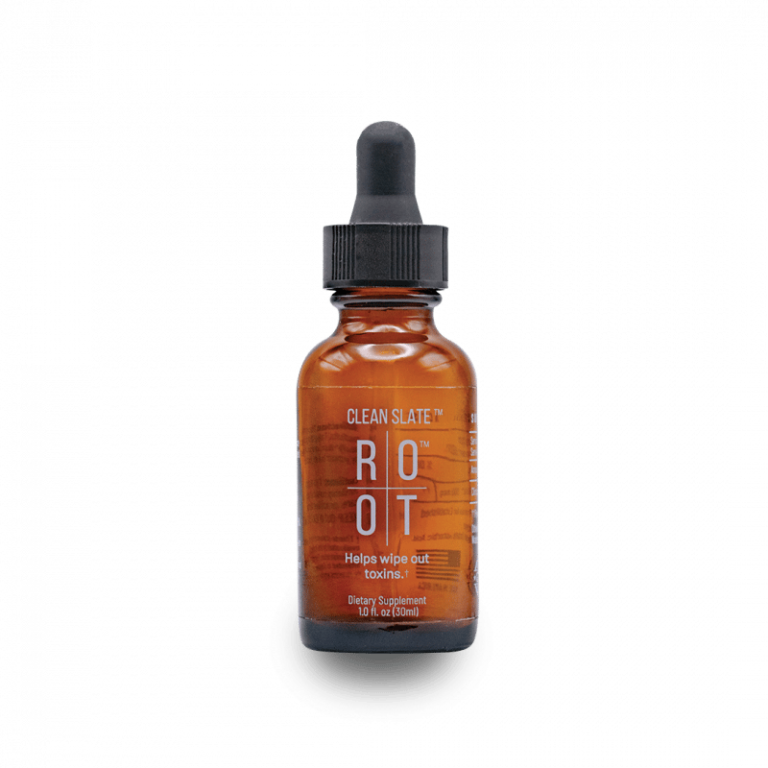
Clean Slate – Detoxes thousands of chemicals,heavy metals, pesticides, allergens, mold spores and fungus
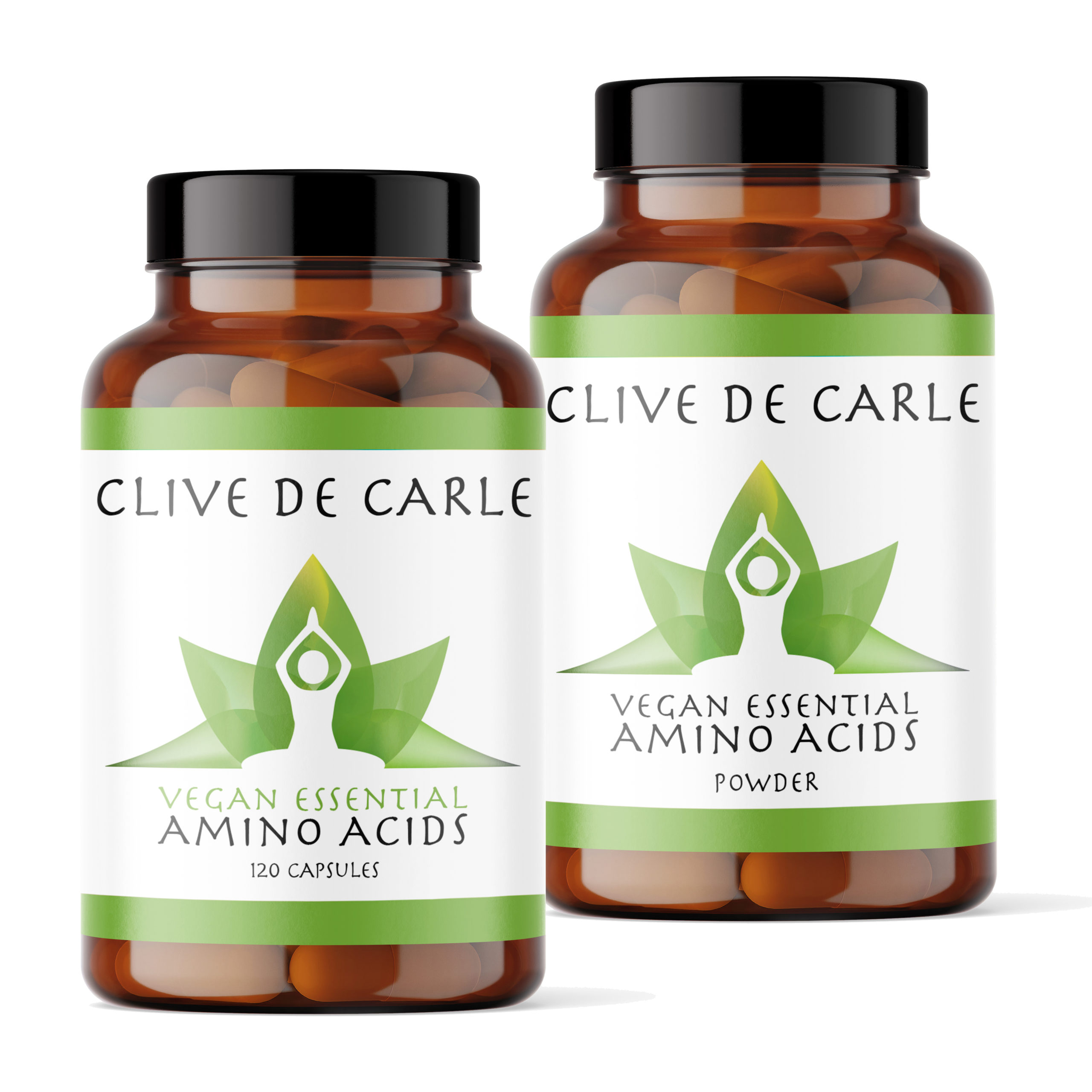
Vegan Essential Amino Acids – Plant-Powered Protein Building
INNERSTANDING may earn a commission on purchases made through these links. All products are selected based on rigorous educational relevance to our biological research.
RABBIT HOLE
Follow the biological thread deeper