
The FXR-FGF19 Axis: The Metabolic Master Switch Most GPs Ignore
Published April 2026
Bile acids are no longer viewed merely as digestive detergents; they are potent endocrine signaling molecules that regulate systemic metabolism via the Farnesoid X Receptor (FXR). This article explores how the ileal-liver signaling pathway, mediated by FGF19, dictates glucose homeostasis and lipid profiles. We examine the consequences of a broken feedback loop in the development of metabolic syndrome and non-alcoholic fatty liver disease.
Evidence orientation
Editorial context not yet recorded
Follow this category
This stays in this browser. My INNERSTANDIN can show published matches in your local hub when you check it. It does not send email, push, or alert notifications.
Local learning review
A private browser aid for revisiting ideas. It is not an alert or a health recommendation.
Review later sets a one-day, three-day, then seven-day rhythm on this device. Choose it only when you want to revisit this article.
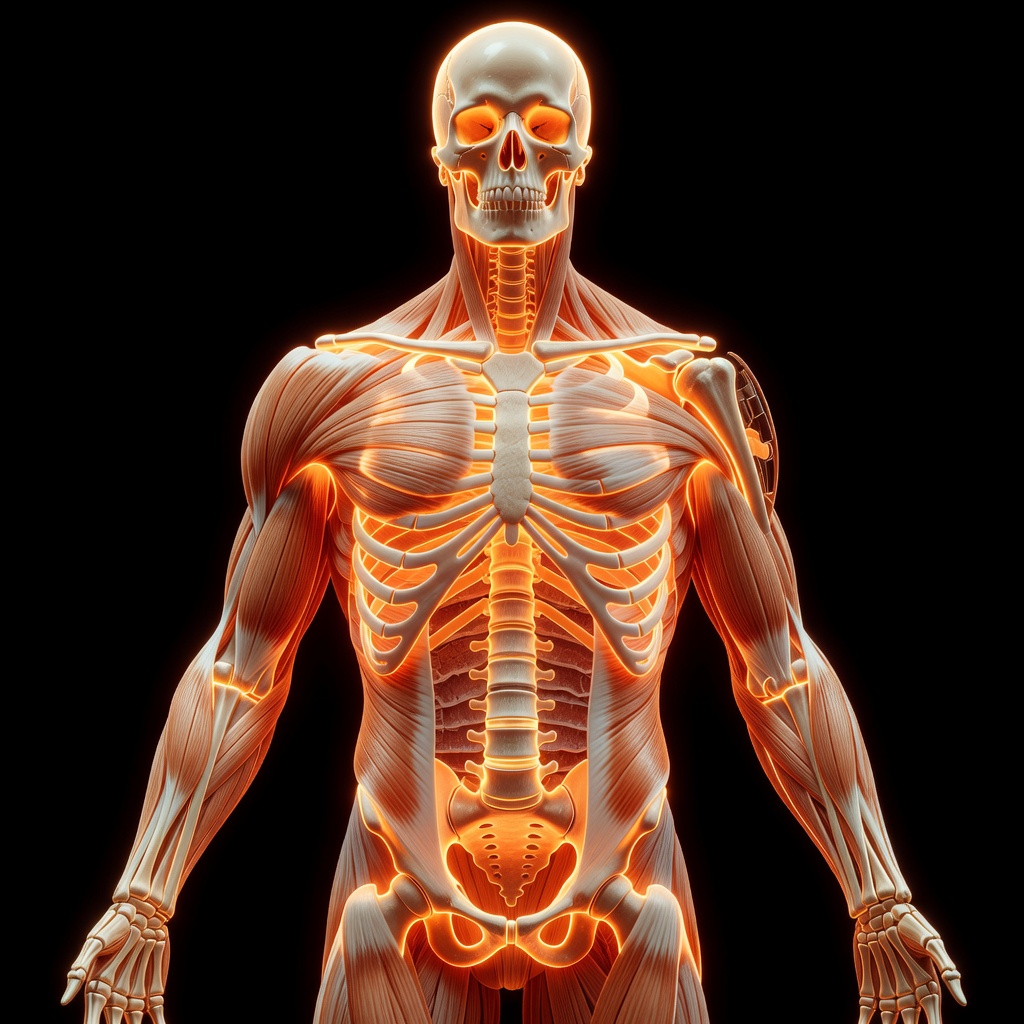
In the standard clinical model, bile is described as a surfactant, a biological soap produced by the liver to emulsify dietary fats. While functionally true, this reductive view ignores one of the most sophisticated endocrine systems in the human body: the FXR-FGF19 axis. This pathway represents a complex communication loop between the terminal ileum and the liver, acting as a master regulator of energy expenditure and metabolic health. When we eat, the gallbladder contracts, releasing bile acids into the duodenum. As these acids travel to the end of the small intestine, they bind to the Farnesoid X Receptor (FXR) in the ileal cells.
This activation triggers the secretion of Fibroblast Growth Factor 19 (FGF19), which travels through the portal vein back to the liver to signal the cessation of bile acid synthesis. However, the implications extend far beyond digestion. The activation of FXR and the subsequent rise in FGF19 inhibit gluconeogenesis (the production of new glucose) and promote glycogen synthesis, effectively lowering blood sugar. Furthermore, FXR activation enhances the clearance of triglycerides, making it a critical player in cardiovascular health. Mainstream medicine often treats high cholesterol or type 2 diabetes as isolated pathologies, yet many cases are fundamentally rooted in a dysfunctional FXR-FGF19 feedback loop.
Research published in journals like 'Nature Reviews Endocrinology' highlights that patients with NAFLD often exhibit significantly lower levels of FGF19, suggesting a failure in this biliary signaling mechanism. Environmental factors, particularly the high-fructose Western diet, are known to suppress FXR sensitivity, leading to a state of 'bile acid resistance' analogous to insulin resistance. This suppression causes the liver to continue synthesizing bile acids even when unnecessary, depleting cholesterol stores in a disorganized manner while promoting hepatic fat accumulation. To restore this axis, one must look beyond calorie counting. Specific bitter compounds, such as those found in dandelion root and artichoke, along with adequate intake of fat-soluble vitamins, are essential for maintaining FXR sensitivity.
Furthermore, the role of the microbiome cannot be overstated, as certain bacteria are required to modify bile acids into the specific forms that most effectively trigger FXR. For the health-educated adult, supporting the FXR-FGF19 axis is not just about digestion; it is about reclaiming control over the body's primary metabolic thermostat. Practical takeaways include the strategic use of TUDCA (Tauroursodeoxycholic acid) under professional guidance, the consumption of polyphenols that activate FXR, and ensuring that the ileal transit time is optimized to prevent the premature reabsorption of bile acids.
This article is provided for informational and educational purposes only. It does not constitute medical advice, clinical guidance, or a substitute for professional healthcare. Information reflects cited research at time of publication. Always consult a qualified healthcare professional before acting on any health information.
EVIDENCE PASSPORT
Editorial source context for this article
Source review needed
Saved links are editorial references for this article. They may support specific claims rather than every sentence. Open and assess each source in context. This passport does not independently verify them.
Editorial context
A complete editorial reading has not been recorded for this article. Source links remain available for you to open and assess directly.
Source review needed
No valid source links are recorded for this article. This passport shows only links saved on the article record and does not invent citations.
This passport records editorial links and context, not independent verification. Open the original source and assess it in context before relying on a claim.
Medical Disclaimer
The information in this article is for educational purposes only and does not constitute medical advice, diagnosis, or treatment. Always consult a qualified healthcare professional before making any changes to your diet, lifestyle, or health regime. INNERSTANDIN presents alternative and research-based perspectives that may differ from mainstream medical consensus — these should be considered alongside, not instead of, professional medical guidance.
Read Full DisclaimerContinue the thread
Keep this question moving.
Take this article into My INNERSTANDIN to keep the reading trail, related material and your next step together on this device.
Explore this in the Body Map
See where this hits your biology. Interactive anatomy, threats, and protective protocols.