
GLP-1 Truths: Examining the NHS Weight Loss Paradigm
Updated May 2026
While GLP-1 agonists are popular for weight loss, their long-term impact on pancreatic health is often overlooked. This article exposes the biological trade-offs of the UK's latest pharmaceutical craze.
Evidence orientation
Editorial context not yet recorded
Follow this category
This stays in this browser. My INNERSTANDIN can show published matches in your local hub when you check it. It does not send email, push, or alert notifications.
Local learning review
A private browser aid for revisiting ideas. It is not an alert or a health recommendation.
Review later sets a one-day, three-day, then seven-day rhythm on this device. Choose it only when you want to revisit this article.
Overview
The United Kingdom is currently in the grip of what can only be described as a pharmacological gold rush. The rise of Glucagon-like Peptide-1 (GLP-1) receptor agonists, primarily in the form of Semaglutide (marketed as Wegovy and Ozempic) and Tirzepatide (Mounjaro), has transitioned from a clinical treatment for Type 2 Diabetes to a cultural phenomenon. As the National Health Service (NHS) begins the mass rollout of these "weight loss jabs" to combat a burgeoning obesity crisis, the narrative presented to the British public is one of unmitigated triumph. We are told these molecules are a "silver bullet" for metabolic dysfunction, a metabolic "reset" that bypasses the need for the arduous struggle of willpower.
However, beneath the polished marketing campaigns of pharmaceutical giants like Novo Nordisk and Eli Lilly, and the desperate optimism of a cash-strapped NHS, lies a more complex and concerning biological reality. As a senior biological researcher for INNERSTANDING, it is my responsibility to look beyond the scale and examine the cellular debt these drugs accrue.
While the efficacy of GLP-1 agonists in inducing rapid weight loss is scientifically undeniable, the long-term impact on pancreatic architecture, the risk of sarcopenic obesity (loss of muscle mass), and the fundamental disruption of the incretin system are being systemically overlooked. This article serves as an exhaustive deep-dive into the peptide science of GLP-1, exposing the trade-offs that the mainstream medical establishment has deemed "acceptable risks" in their pursuit of a quick-fix solution to a systemic public health failure.
Fact: In 2023, the UK government announced a £40 million pilot programme to expand access to weight-loss injections, aiming to reduce the £6.5 billion annual cost of obesity-related illnesses to the NHS.
The Biology — How It Works
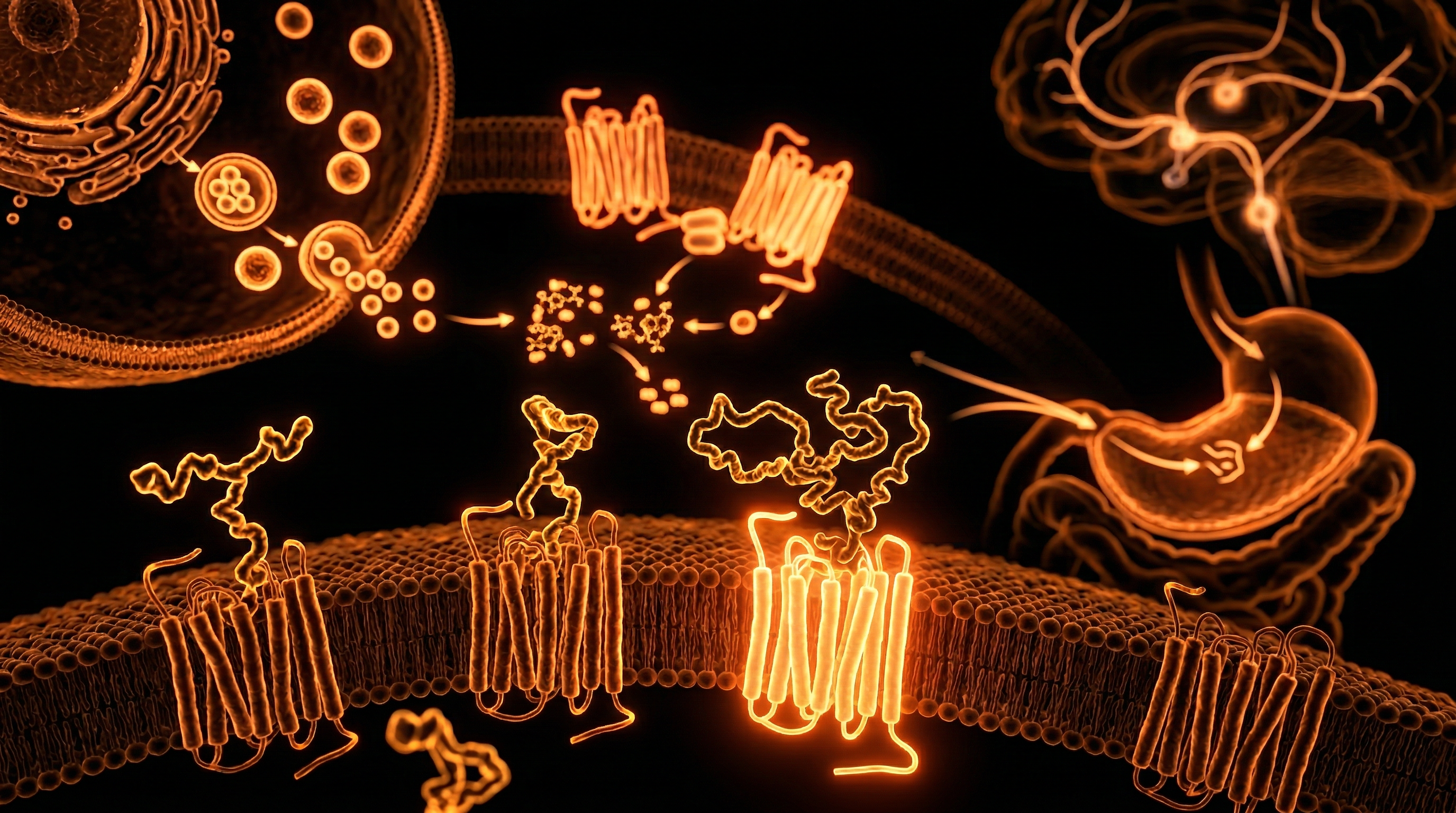
To understand the "truth" behind GLP-1 agonists, we must first understand the endogenous (naturally occurring) hormone they mimic. Glucagon-like Peptide-1 is an incretin hormone—a metabolic signal produced primarily by the L-cells in the distal ileum and colon, as well as specific neurons in the hindbrain.
In a healthy physiological state, GLP-1 is secreted in response to nutrient ingestion. Its primary functions are:
- Insulinotropic action: Stimulating the pancreas to release insulin in a glucose-dependent manner.
- Glucagon suppression: Inhibiting the release of glucagon from alpha cells, thereby reducing hepatic glucose production.
- Gastric emptying: Slowing the rate at which food leaves the stomach, which increases satiety and blunts post-prandial glucose spikes.
- Hypothalamic signalling: Acting on the brain's "reward centres" to suppress appetite and "food noise."
The "miracle" of modern GLP-1 analogues lies in their half-life. Endogenous GLP-1 is degraded within 1.5 to 2 minutes by an enzyme called Dipeptidyl Peptidase-4 (DPP-4). This rapid degradation is a protective biological mechanism; it prevents the over-stimulation of the pancreas and ensures the hormone acts only as a temporary signal.
Synthetic analogues like Semaglutide are engineered with a modified amino acid sequence and a fatty acid side chain that allows them to bind to albumin and resist DPP-4 degradation. This extends the half-life from two minutes to approximately seven days.
Statistic: Users of synthetic GLP-1 analogues experience hormone levels that are often 8 to 10 times higher than natural physiological peaks, maintained 24 hours a day, 7 days a week.
This constant, unrelenting activation of the GLP-1 receptor is what drives the massive weight loss, but it is also what initiates the "biological trade-off" that we will explore in subsequent sections.
Mechanisms at the Cellular Level
At the cellular level, GLP-1 agonists operate via the G protein-coupled receptor (GPCR) pathway. When the drug binds to the GLP-1 receptor (GLP-1R) on the surface of a pancreatic beta-cell, it triggers a cascade involving the activation of adenylyl cyclase. This increases intracellular levels of cyclic AMP (cAMP), which in turn activates Protein Kinase A (PKA) and Epac2.
This pathway facilitates the exocytosis of insulin-containing vesicles. However, the implications of chronic GPCR activation extend far beyond insulin secretion:
Pancreatic Hyperplasia and Proliferation
One of the most contentious areas in peptide science is the trophic (growth-promoting) effect of GLP-1 on pancreatic tissue. In animal models, chronic GLP-1 stimulation has been shown to induce beta-cell proliferation and increase pancreatic mass. While this was initially viewed as a potential "cure" for diabetes, the dark side is pancreatic ductal hyperplasia.
Continuous signalling may force the pancreas into a state of "overdrive," potentially leading to the formation of pre-cancerous lesions. The pharmaceutical industry argues that human data is inconclusive, yet the biological mechanism for cellular overgrowth under chronic hormonal stimulation is well-established in endocrinology.
Mitochondrial Dynamics
Recent research suggests that GLP-1 agonists influence mitochondrial biogenesis and mitophagy (the clearing of damaged mitochondria). While this sounds positive, the "forced" metabolic state of the cell—where it is constantly primed for insulin secretion regardless of nutrient status—can lead to mitochondrial exhaustion. By bypassing the natural "off switch" of the incretin system, we may be prematurely ageing the very cells we are trying to protect.
The Hypothalamic Shift
In the brain, GLP-1R agonists cross the blood-brain barrier and act directly on the arcuate nucleus of the hypothalamus. They suppress the neuropeptide Y (NPY) and agouti-related peptide (AgRP) neurons—the "hunger" signals—while stimulating the pro-opiomelanocortin (POMC) neurons—the "satiety" signals.
This is not a subtle nudge; it is a pharmacological hammer. The long-term consequence of this shift is the potential for receptor down-regulation, where the brain becomes less sensitive to natural satiety signals, explaining the rapid "rebound" weight gain observed when patients cease the medication.
Environmental Threats and Biological Disruptors
The narrative that obesity is purely a lack of willpower is a convenient distraction from the environmental threats that have decimated our natural GLP-1 response. Before we turned to injections, our metabolic health was already under siege.
- Ultra-Processed Foods (UPFs): Modern diets are designed to be "hyper-palatable," bypassing the ileal brake. When we consume processed carbohydrates and industrial seed oils, we fail to trigger the L-cells in the lower gut, leading to a "muted" natural GLP-1 response.
- Endocrine Disrupting Chemicals (EDCs): Compounds like Bisphenol A (BPA) and certain phthalates have been shown to interfere with incretin signalling. These "obesogens" prime the body for fat storage and insulin resistance.
- Microbiome Dysbiosis: The production of GLP-1 is heavily dependent on the health of the gut microbiome. A lack of fermentable fibre means less Short-Chain Fatty Acids (SCFAs) like butyrate, which are the primary triggers for natural GLP-1 secretion.
The NHS paradigm views GLP-1 agonists as the solution to this environmental catastrophe. However, by providing a synthetic bypass, we are effectively ignoring the root causes—the toxic food environment and the chemical disruption of our biology. We are medicating a symptom of a sick environment rather than healing the environment itself.
The Cascade: From Exposure to Disease
The widespread use of GLP-1 agonists initiates a physiological cascade that extends far beyond the adipocyte (fat cell). While the scale shows a lower number, the internal landscape often tells a story of metabolic fragmentation.
Sarcopenia: The Loss of Lean Mass
One of the most alarming aspects of GLP-1-induced weight loss is the composition of that loss. Clinical trials (such as the STEP trials for Semaglutide) indicate that upwards of 35% to 40% of the weight lost may come from lean muscle mass rather than adipose tissue.
In the biological community, this is known as Sarcopenic Obesity. Muscle is our primary metabolic engine; it is the main site for glucose disposal and a vital endocrine organ in its own right. By stripping away muscle mass, these drugs may leave patients with a lower body weight but a slower metabolic rate and higher long-term frailty risk.
Gastroparesis and Digestive Paralysis
By slowing gastric emptying to an extreme degree, GLP-1 agonists can lead to gastroparesis—a condition where the stomach is essentially paralysed. This leads to:
- Severe nausea and vomiting.
- Bacterial overgrowth (SIBO) due to stagnant food in the digestive tract.
- Nutrient malabsorption, particularly of fat-soluble vitamins (A, D, E, K).
The Pancreatitis Link
There is a documented, though often downplayed, risk of acute pancreatitis. The mechanism is likely related to the hyper-stimulation of pancreatic enzymes and the alteration of gallbladder motility. The gallbladder, under GLP-1 influence, may not contract effectively, leading to biliary sludge and gallstones—a classic precursor to pancreatic inflammation.
Warning: The FDA and EMA have maintained warnings regarding the risk of Thyroid C-cell tumours based on rodent studies, though human data remains a subject of intense debate and surveillance.
What the Mainstream Narrative Omits
The mainstream "miracle" narrative is carefully curated. There are several "uncomfortable truths" that are rarely discussed in the GP's office or on the morning news programmes:
"1. The "Forever Drug" Trap:"
Data from the STEP 1 extension study showed that one year after stopping Semaglutide, participants regained two-thirds of their lost weight. This suggests that the drug does not fix the metabolism; it merely "suppresses" the symptoms. Once the suppression is removed, the biological "set point"—now compromised by muscle loss—demands a rapid return to the previous weight.
"2. The "Ozempic Face" and Subcutaneous Fat Loss:"
While often mocked as a cosmetic issue, the rapid loss of subcutaneous fat (fat under the skin) while potentially retaining visceral fat (fat around the organs) is a sign of metabolic stress. Subcutaneous fat is actually a "safe" storage site for excess energy; visceral fat is the metabolically active, inflammatory fat. Some researchers worry that GLP-1 agonists might disproportionately strip away "safe" fat, leaving the dangerous visceral fat harder to shift.
"3. Hedonic Anhedonia:"
Because GLP-1 receptors are found in the brain’s reward centres, many users report a "flattening" of pleasure—not just for food, but for alcohol, sex, and hobbies. We are effectively chemically castrating the dopamine system to achieve weight loss. The long-term psychological impact of this "anhedonia" is entirely unknown.
"4. The Nutrient Gap:"
Users often eat so little that they fall into a state of functional malnutrition. They are "full," but their cells are starving for micronutrients. This leads to brittle hair, poor skin quality, and compromised immune function—symptoms often dismissed as "the price of weight loss."
The UK Context
The UK's adoption of GLP-1 agonists is uniquely influenced by the structure of the National Health Service (NHS). Faced with an obesity crisis that threatens to bankrupt the system, the government has pivoted toward a "pharmaceutical-first" preventative strategy.
The NICE Guidelines
The National Institute for Health and Care Excellence (NICE) has approved Semaglutide for adults with at least one weight-related comorbidity and a BMI of at least 35 (or 30 in some cases). However, the "two-year limit" initially proposed by NICE highlights a massive contradiction: if the weight is regained once the drug is stopped, what is the purpose of a two-year limit other than cost-saving?
Economic Productivity
There is a burgeoning political narrative in the UK that links obesity to economic inactivity. The drive to prescribe GLP-1s is not merely about health; it is about returning "unproductive" citizens to the workforce. This instrumentalisation of peptide science for macroeconomic gain should give us pause. Are we treating patients, or are we "optimising" human capital for the Treasury?
The Pharmacy Access Paradox
While the NHS struggles with supply, private "online pharmacies" in the UK have flourished, often providing these drugs with minimal oversight. This has created a two-tier system where the wealthy can bypass clinical safeguards, leading to a "wild west" of peptide use that lacks the rigorous monitoring required for such a potent biological intervention.
Protective Measures and Recovery Protocols
If an individual chooses to navigate the GLP-1 path, or is already on it, a "damage control" strategy is essential. We must move from a "blind use" to a "biological support" model.
1. The Protein Mandate
To combat the loss of lean mass, protein intake must be aggressively prioritised. Users should aim for a minimum of 1.6g to 2.2g of protein per kilogram of body weight. This is significantly higher than the standard RDA but is necessary to signal the mTOR pathway and preserve muscle tissue while in a caloric deficit.
2. Resistance Training as Medicine
Cardio is insufficient. High-intensity resistance training (lifting weights) is the only way to provide the mechanical stimulus required to prevent sarcopenia. A GLP-1 user who does not lift weights is essentially choosing to become a smaller, but metabolically frailer, version of themselves.
3. Micronutrient Supplementation
Due to reduced food volume and altered gastric motility, a targeted supplementation protocol is vital:
- Magnesium: To support insulin sensitivity and prevent the muscle cramps common on these drugs.
- Fat-Soluble Vitamins (A, D, E, K): To compensate for altered fat digestion.
- Electrolytes: To manage the shift in water weight and renal pressure.
- Digestive Enzymes: To assist a "sluggish" stomach in breaking down nutrients.
4. Cycling and Tapering
Rather than a "forever dose," clinical researchers are beginning to explore the "off-ramp." This involves a slow titration down of the dose while simultaneously increasing caloric intake and resistance training volume to "anchor" the new metabolic set point.
5. Gut Microbiome Restoration
Since the drug bypasses the natural incretin system, we must work to restore it. This includes consuming fermentable fibres (like inulin or psyllium husk) and polyphenols to encourage the growth of Akkermansia muciniphila, a bacterium associated with natural GLP-1 production and a healthy gut lining.
Summary: Key Takeaways
The GLP-1 paradigm in the UK is a double-edged sword. While it offers a lifeline to those with morbid obesity and life-threatening diabetes, its "mass-market" application is a biological gamble of unprecedented scale.
- Synthetic vs. Natural: Synthetic GLP-1 analogues provide a constant, high-level signal that the human body was never designed to handle, leading to potential pancreatic and hypothalamic debt.
- Muscle Loss: The risk of sarcopenic obesity is the most significant "silent" side effect, potentially lowering the long-term metabolic rate and increasing frailty.
- The Pancreatic Price: Chronic stimulation of the pancreas carries risks of hyperplasia and pancreatitis that require long-term monitoring beyond the initial weight-loss phase.
- Environmental Context: These drugs are a technological "fix" for a toxic food environment and do not address the root causes of metabolic dysfunction.
- NHS Strategy: The UK's rollout is driven by economic necessity as much as clinical need, often overlooking the requirement for lifelong support or the "rebound" effect.
- Holistic Mitigation: Success on these drugs requires more than just "eating less"; it requires a rigorous commitment to protein intake, resistance training, and micronutrient support.
As we move forward, we must demand more than just "weight loss" from our medical interventions. We must demand metabolic integrity. The truth of GLP-1 is that it is not a cure, but a powerful, complex, and potentially hazardous tool that requires the utmost respect and scientific caution. The NHS "weight loss paradigm" may save the treasury in the short term, but the biological bill is yet to be fully calculated.
This article is provided for informational and educational purposes only. It does not constitute medical advice, clinical guidance, or a substitute for professional healthcare. Information reflects cited research at time of publication. Always consult a qualified healthcare professional before acting on any health information.
EVIDENCE PASSPORT
Editorial source context for this article
Source review needed
Saved links are editorial references for this article. They may support specific claims rather than every sentence. Open and assess each source in context. This passport does not independently verify them.
Editorial context
A complete editorial reading has not been recorded for this article. Source links remain available for you to open and assess directly.
Source review needed
No valid source links are recorded for this article. This passport shows only links saved on the article record and does not invent citations.
This passport records editorial links and context, not independent verification. Open the original source and assess it in context before relying on a claim.
Medical Disclaimer
The information in this article is for educational purposes only and does not constitute medical advice, diagnosis, or treatment. Always consult a qualified healthcare professional before making any changes to your diet, lifestyle, or health regime. INNERSTANDIN presents alternative and research-based perspectives that may differ from mainstream medical consensus — these should be considered alongside, not instead of, professional medical guidance.
Read Full DisclaimerContinue the thread
Keep this question moving.
Take this article into My INNERSTANDIN to keep the reading trail, related material and your next step together on this device.
Explore this in the Body Map
See where this hits your biology. Interactive anatomy, threats, and protective protocols.