
C-Peptide: Essential Microvascular Protection for Diabetics
Updated May 2026
Once thought to be an inert byproduct, C-peptide is now known to protect against diabetic neuropathy and nephropathy. It is a critical component for comprehensive diabetes care in the NHS.
Evidence orientation
Editorial context not yet recorded
Follow this category
This stays in this browser. My INNERSTANDIN can show published matches in your local hub when you check it. It does not send email, push, or alert notifications.
Local learning review
A private browser aid for revisiting ideas. It is not an alert or a health recommendation.
Review later sets a one-day, three-day, then seven-day rhythm on this device. Choose it only when you want to revisit this article.
Overview
For over half a century, the medical establishment viewed C-peptide (Connecting Peptide) as nothing more than a metabolic scrap—a structural byproduct of insulin production with no physiological function of its own. This reductionist view has led to a catastrophic oversight in the management of diabetes, particularly Type 1 and advanced Type 2. While the discovery of insulin in 1921 was a landmark achievement for survival, the subsequent failure to recognise C-peptide as a bioactive hormone has left millions of patients vulnerable to the devastating microvascular complications that define the long-term prognosis of the disease.
C-peptide is a 31-amino acid chain that links the A and B chains of proinsulin. When proinsulin is cleaved in the beta cells of the pancreas, insulin and C-peptide are released into the bloodstream in equimolar amounts. Yet, whereas insulin was hailed as the "miracle drug," C-peptide was relegated to the status of a diagnostic marker—a way for clinicians to measure endogenous insulin production, and nothing more.
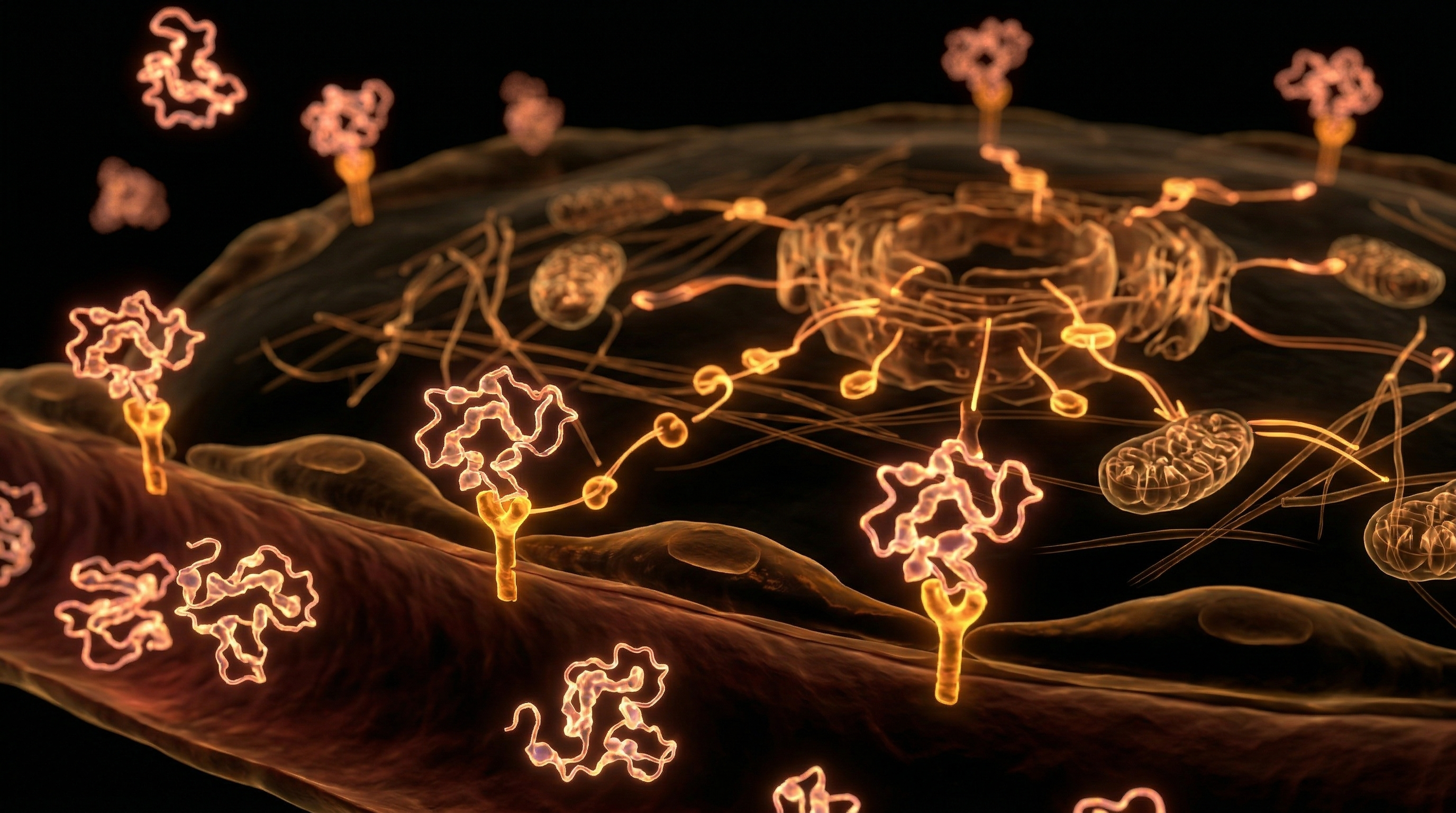
Recent molecular research, however, has shattered this "inert byproduct" myth. We now understand that C-peptide is a potent signalling molecule with its own specific receptors. It acts as a master regulator of microvascular blood flow, nerve conduction, and renal filtration. In the absence of C-peptide, the diabetic body enters a state of systemic microvascular collapse that even the most rigorous glucose control cannot fully prevent.
At INNERSTANDING, we believe that the suppression of this knowledge represents a significant failure in endocrine science. By focusing solely on glucose levels (the "Glucocentric" model), the pharmaceutical and medical mainstream has ignored the structural integrity of the vascular system itself. This article provides a deep dive into the biological necessity of C-peptide and why it must be reintegrated into the standard of care for comprehensive diabetic health.
Fact: While insulin has a half-life of roughly 3–5 minutes, C-peptide remains in the circulation for approximately 20–30 minutes, allowing it to exert prolonged regulatory effects on the vascular endothelium.
The Biology — How It Works
To understand C-peptide, one must first understand the birth of insulin. The pancreas synthesises a precursor molecule called preproinsulin, which is processed into proinsulin. Within the Golgi apparatus of the pancreatic beta cells, proinsulin is folded and secured by disulphide bridges. Proteolytic enzymes then snip out the central portion of the chain—this is the C-peptide.
The Equimolar Release
Under normal physiological conditions, for every molecule of insulin secreted, one molecule of C-peptide enters the portal vein. This 1:1 ratio is a fundamental biological constant. However, their paths diverge immediately upon entering the liver.
- Insulin is aggressively extracted by the liver (up to 50% on the first pass) to regulate glucose storage.
- C-peptide escapes hepatic extraction, circulating systemically to reach peripheral tissues, including the kidneys and the nervous system.
Receptor Binding and Intracellular Signalling
For decades, critics argued that C-peptide had no function because no specific "C-peptide receptor" had been cloned. This was a classic case of "absence of evidence is not evidence of absence." We now know that C-peptide binds with high affinity to a G-protein coupled receptor (GPCR), likely GPR146, and potentially interacts with the alpha-subunit of the Na+/K+-ATPase enzyme.
Once bound, C-peptide initiates a cascade of intracellular events:
- Activation of Ca2+-dependent signalling: This triggers the influx of calcium, essential for cellular communication.
- Stimulation of Nitric Oxide (NO) Synthesis: C-peptide activates endothelial nitric oxide synthase (eNOS), the enzyme responsible for producing nitric oxide, the body’s primary vasodilator.
- Upregulation of the Sodium-Potassium Pump: It restores the activity of Na+/K+-ATPase, which is chronically depressed in diabetic tissues.
The Difference Between Type 1 and Type 2
In Type 1 Diabetes, the autoimmune destruction of beta cells leads to an absolute deficiency of both insulin and C-peptide. Because standard insulin therapy uses pure synthetic insulin, these patients live in a state of permanent C-peptide "nullity."
In Type 2 Diabetes, early stages are marked by hyperinsulinaemia and elevated C-peptide. However, as the disease progresses to "beta-cell exhaustion," C-peptide levels plummet. In both cases, the loss of C-peptide marks the transition from simple dysglycaemia to clinical microvascular disease.
Mechanisms at the Cellular Level
The "magic" of C-peptide occurs at the interface between the blood and the vessel wall—the endothelium. In a diabetic environment, high glucose levels create a state of "metabolic memory" where cells become damaged by oxidative stress and inflammation. C-peptide acts as a biological shield against these processes.
1. Restoration of the Na+/K+-ATPase Pump
The Na+/K+-ATPase pump is the "spark plug" of the cell. It maintains the electrical gradient across cell membranes, which is vital for nerve impulse transmission and nutrient transport. In diabetics, the activity of this pump is reduced by up to 50% in the nerves, kidneys, and red blood cells.
- C-peptide binds to cells and rapidly restores pump activity to normal levels.
- This prevents the swelling of nerve cells (oedema) and maintains the structural integrity of the myelin sheath.
2. Nitric Oxide and Vasodilation
Microvascular complications arise because the smallest blood vessels (capillaries) lose their ability to dilate. They become stiff and narrow, starving tissues of oxygen.
- C-peptide stimulates the release of Nitric Oxide, which relaxes the smooth muscle cells of the blood vessels.
- This increases blood flow to the vasa nervorum (the tiny vessels that feed the nerves) and the glomerulus (the filtering unit of the kidney).
3. Anti-Inflammatory and Anti-Apoptotic Effects
C-peptide is a potent anti-inflammatory agent. It inhibits the activation of Nuclear Factor-kappa B (NF-κB), a master switch for inflammation.
- It reduces the expression of adhesion molecules (like VCAM-1 and ICAM-1) on the vessel walls, preventing white blood cells from "sticking" to and damaging the endothelium.
- It also prevents apoptosis (programmed cell death) in the kidneys and nerves by modulating the MAPK/ERK signalling pathways.
Important Fact: Research has shown that C-peptide can reduce the thickness of the capillary basement membrane—a hallmark of diabetic microangiopathy—by regulating the production of Type IV collagen.
Environmental Threats and Biological Disruptors
While C-peptide deficiency is primarily caused by pancreatic failure, several environmental factors exacerbate the damage and accelerate the decline of the microvasculature. In the modern world, the diabetic body is under siege from more than just sugar.
Endocrine Disruptors and Beta-Cell Death
Chemicals known as Diabetogens interfere with the pancreas's ability to produce proinsulin.
- PFAS (Per- and Polyfluoroalkyl Substances): These "forever chemicals," found in non-stick cookware and water supplies, have been linked to impaired beta-cell function.
- Bisphenol A (BPA): Found in plastics and till receipts, BPA mimics oestrogen and can induce insulin resistance, putting undue stress on the pancreas and accelerating C-peptide depletion.
Heavy Metal Accumulation
The kidneys are the primary site of C-peptide degradation and action. However, the accumulation of heavy metals like Cadmium and Lead in the renal cortex impairs the kidney's ability to respond to C-peptide.
- Cadmium, often found in industrial areas and tobacco smoke, causes oxidative stress in the proximal tubules, the very site where C-peptide is supposed to exert its protective effects.
The Role of Glycation
Advanced Glycation End-products (AGEs) are formed when sugar molecules "stick" to proteins. These AGEs damage the C-peptide receptors. Even if a patient has some residual C-peptide, high levels of glycation can render the tissues "deaf" to its signals. This creates a functional C-peptide resistance, similar to insulin resistance.
The Cascade: From Exposure to Disease
The progression from C-peptide deficiency to clinical disease is a slow, silent cascade. It usually follows a predictable path that traditional medicine often fails to interrupt until the damage is irreversible.
Step 1: Endothelial Dysfunction
The first sign is a drop in Nitric Oxide levels. Blood vessels lose their elasticity. The patient may not feel anything, but at the microscopic level, the capillaries are beginning to "starve" the surrounding tissues.
Step 2: The Ischaemic Nerve
As the vessels feeding the nerves (vasa nervorum) constrict, the nerves experience ischaemia (lack of oxygen).
- Peripheral Neuropathy: This begins as tingling or "pins and needles" in the feet.
- Without C-peptide to stimulate the Na+/K+-ATPase pump, the nerve fibre cannot conduct impulses properly. The protective myelin sheath begins to degrade.
Step 3: Glomerular Hyperfiltration
In the kidneys, the lack of C-peptide causes the afferent arterioles to dilate excessively while the efferent arterioles remain constricted. This creates high pressure within the glomerulus (hyperfiltration).
- Over time, this pressure "scars" the kidney filters (Glomerulosclerosis).
- C-peptide normally acts as a "constrictor" of the afferent arteriole and a "dilator" of the efferent, perfectly balancing renal pressure. Without it, the kidney literally wears itself out.
Step 4: The Tipping Point (Nephropathy and Retinopathy)
Once the basement membranes of the capillaries thicken, the stage is set for:
- Diabetic Nephropathy: Leading to protein in the urine (albuminuria) and eventually kidney failure.
- Diabetic Retinopathy: Where the tiny vessels in the eye leak fluid and blood, leading to blindness.
Statistic: Over 40% of Type 1 diabetics will develop significant renal disease. Clinical trials have shown that C-peptide replacement can reduce urinary albumin excretion (a key marker of kidney damage) by up to 40% in just a few months.
What the Mainstream Narrative Omits
The refusal to adopt C-peptide as a therapeutic agent is one of the most glaring omissions in modern endocrinology. To understand why, we must look at the "Insulin-Only" paradigm and the industrial incentives behind it.
The "Inert Byproduct" Lie
For decades, medical textbooks taught that C-peptide was biologically inactive. Even after the 1990s, when studies by Professor John Wahren and others proved its bioactivity, the narrative was slow to change. Why?
- The Synthetic Insulin Market: Transitioning to a dual-therapy model (Insulin + C-peptide) would require a total overhaul of the manufacturing process.
- Complexity: C-peptide therapy requires precise dosing. It is easier for the pharmaceutical industry to market "faster-acting" or "longer-lasting" insulin analogues than to introduce a second hormone that requires new clinical trials and regulatory hurdles.
The Glucocentric Fallacy
The "Mainstream Narrative" insists that if you control blood sugar (HbA1c), you prevent complications. This is a half-truth.
- The DCCT (Diabetes Control and Complications Trial) showed that while intensive glucose control helps, it does not eliminate the risk of neuropathy or nephropathy.
- Patients with residual C-peptide production (the "Internal Producers") have significantly fewer complications than those with the same HbA1c but zero C-peptide.
This proves that C-peptide is a protective factor independent of blood glucose levels. By omitting C-peptide, the mainstream medical model is essentially trying to fly a plane with only one wing.
The Suppressed Research
There is a vast body of literature, primarily from Europe and Scandinavia, demonstrating that C-peptide replacement therapy improves nerve conduction velocity and renal function. Yet, these studies rarely make it into the "Standard of Care" guidelines issued by major US and UK health bodies. We are witnessing a stagnation in treatment protocols driven by the economic convenience of "management" over "restoration."
The UK Context
In the United Kingdom, the National Health Service (NHS) is currently facing an existential crisis, largely driven by the cost of treating diabetic complications.
The Economic Burden
- Diabetes accounts for approximately 10% of the total NHS budget (£10 billion per year).
- 80% of that cost is spent on treating avoidable complications: amputations, blindness, and kidney dialysis.
- There are over 7,000 amputations per year in England due to diabetes.
NICE Guidelines and C-Peptide Testing
Currently, the National Institute for Health and Care Excellence (NICE) suggests C-peptide testing primarily for the diagnosis of Type 1 vs. Type 2 diabetes. It is rarely used as a prognostic tool to assess the risk of microvascular complications.
- There is no provision within the NHS for C-peptide replacement therapy.
- Patients are often told that once their C-peptide is gone, it is gone forever, and the only focus should be on their insulin pump or MDI (Multiple Daily Injections).
The "Postcode Lottery" of Care
Access to advanced monitoring (like Continuous Glucose Monitors) is improving, but the fundamental chemical deficiency—the lack of C-peptide—remains unaddressed. British researchers at institutions like the University of Exeter have been at the forefront of C-peptide research, yet the clinical implementation lags behind the science.
The UK's reliance on large-scale pharmaceutical procurement means that until a major manufacturer produces a commercial C-peptide/Insulin combination, the NHS is unlikely to offer it. This leaves patients in a "waiting room" of progressive vascular decline.
Protective Measures and Recovery Protocols
If the medical system will not provide C-peptide, what can the informed individual do? While pure C-peptide replacement is currently restricted to clinical trials and a few private clinics, there are ways to preserve existing function and mimic its effects.
1. Preservation of Beta-Cell Mass
For those with "Type 1.5" (LADA) or early Type 2, preserving the remaining C-peptide production is the highest priority.
- Low-Carbohydrate Nutrition: Reducing the demand for insulin reduces "beta-cell burnout," preserving C-peptide secretion.
- Vitamin D3 and K2: High-dose Vitamin D has been shown to modulate the immune attack on beta cells in early-stage Type 1.
- Omega-3 Fatty Acids (EPA/DHA): These reduce the inflammation that kills pancreatic cells.
2. Mimicking C-Peptide's Vascular Effects
If C-peptide is low, we must look to other ways to support the Na+/K+-ATPase pump and Nitric Oxide production.
- L-Arginine and L-Citrulline: These amino acids are precursors to Nitric Oxide. They can help maintain vasodilation in the absence of C-peptide.
- Alpha-Lipoic Acid (ALA): A powerful antioxidant that has been shown in clinical trials to improve diabetic neuropathy by reducing oxidative stress and supporting endoneurial blood flow.
- Magnesium: This mineral is a co-factor for the Na+/K+-ATPase pump. Most diabetics are chronically magnesium-deficient.
3. Monitoring and Testing
Do not settle for a simple HbA1c test.
- Request a Fasting C-Peptide Test: Know your baseline. If your C-peptide is below 0.2 nmol/L, you are at high risk for microvascular complications.
- Urinary Albumin/Creatinine Ratio (ACR): Monitor this closely. Any rise indicates the "hyperfiltration" phase where C-peptide’s absence is most damaging.
4. The Future: C-Peptide Replacement
Keep an eye on emerging biotech companies (such as Cebix or others in the European theatre) that are developing long-acting C-peptide analogues. Some patients are already seeking these through off-label or clinical trial avenues. The goal is to reach a physiological blood concentration of roughly 1-2 nmol/L.
Summary: Key Takeaways
The narrative that C-peptide is "metabolic junk" is one of the most expensive errors in modern medicine. As we have explored, this peptide is a vital hormone that protects the body from the ravages of high blood sugar.
- C-peptide is a Bioactive Hormone: It is not just a marker of insulin production; it is a critical regulator of the vascular endothelium and the nervous system.
- The Microvascular Shield: C-peptide prevents neuropathy and nephropathy by activating the Na+/K+-ATPase pump and stimulating Nitric Oxide production.
- The Insulin-Only Failure: Synthetic insulin alone is insufficient to prevent long-term complications because it lacks the protective structural effects of C-peptide.
- The Glucocentric Model is Incomplete: Even with perfect blood sugar, the absence of C-peptide leads to capillary thickening and nerve ischemia.
- Preservation is Key: Protecting your remaining beta cells is the most effective way to maintain C-peptide levels. Use nutrition and targeted supplementation to take the load off your pancreas.
- The Systemic Lag: The NHS and other health bodies are decades behind the molecular science. Patients must be their own advocates, requesting C-peptide testing and seeking protocols that address microvascular health, not just glucose management.
The era of "Insulin-Only" care must come to an end. Only by acknowledging the dual-hormone nature of the pancreas can we hope to stem the tide of diabetic complications and restore true health to the millions living with this condition. INNERSTANDING remains committed to exposing these biological truths, ensuring that no patient is left in the dark by a reductionist medical system.
"References and Further Reading:"
- Wahren, J., et al. (2000). "C-peptide and diabetic complications." Nature.
- Hills, C. E., & Brunskill, N. J. (2009). "C-peptide and the kidney." Clinical Science.
- Sima, A. A. (2004). "C-peptide and diabetic neuropathy." Expert Opinion on Investigational Drugs.
- NICE Guidelines (UK) NG17: Type 1 diabetes in adults: diagnosis and management.
This article is provided for informational and educational purposes only. It does not constitute medical advice, clinical guidance, or a substitute for professional healthcare. Information reflects cited research at time of publication. Always consult a qualified healthcare professional before acting on any health information.
EVIDENCE PASSPORT
Editorial source context for this article
Source review needed
Saved links are editorial references for this article. They may support specific claims rather than every sentence. Open and assess each source in context. This passport does not independently verify them.
Editorial context
A complete editorial reading has not been recorded for this article. Source links remain available for you to open and assess directly.
Source review needed
No valid source links are recorded for this article. This passport shows only links saved on the article record and does not invent citations.
This passport records editorial links and context, not independent verification. Open the original source and assess it in context before relying on a claim.
Medical Disclaimer
The information in this article is for educational purposes only and does not constitute medical advice, diagnosis, or treatment. Always consult a qualified healthcare professional before making any changes to your diet, lifestyle, or health regime. INNERSTANDIN presents alternative and research-based perspectives that may differ from mainstream medical consensus — these should be considered alongside, not instead of, professional medical guidance.
Read Full DisclaimerContinue the thread
Keep this question moving.
Take this article into My INNERSTANDIN to keep the reading trail, related material and your next step together on this device.
Explore this in the Body Map
See where this hits your biology. Interactive anatomy, threats, and protective protocols.