
Diabetic Retinopathy: Reversing the Microvascular Damage Through Glycemic Control
Updated May 2026
A biological analysis of how high blood sugar destroys the delicate capillaries of the retina. It emphasizes the importance of early detection and the metabolic pathways involved in vascular leakage and scarring.
Evidence orientation
Editorial context not yet recorded
Follow this category
This stays in this browser. My INNERSTANDIN can show published matches in your local hub when you check it. It does not send email, push, or alert notifications.
Local learning review
A private browser aid for revisiting ideas. It is not an alert or a health recommendation.
Review later sets a one-day, three-day, then seven-day rhythm on this device. Choose it only when you want to revisit this article.
Overview
Diabetic Retinopathy (DR) represents one of the most significant and preventable tragedies in modern ophthalmology. Within the framework of INNERSTANDING, we view this condition not merely as an "inevitable complication" of ageing or diabetes, but as a profound biological failure of the microvascular system, precipitated by systemic metabolic dysfunction. As a senior biological researcher, it is my duty to peel back the layers of clinical euphemism and expose the raw, cellular mechanics of how elevated blood glucose—and the subsequent hormonal chaos—systematically dismantles the delicate architecture of the human retina.
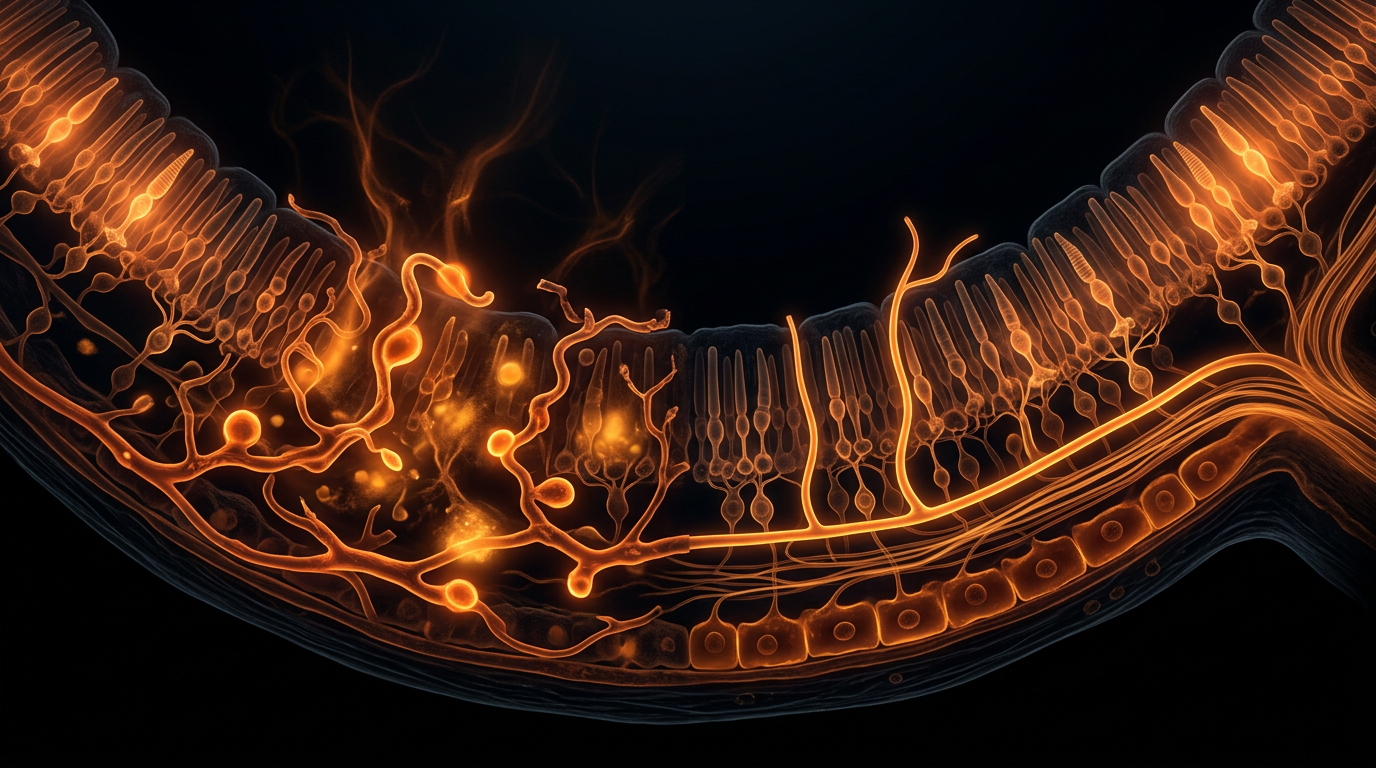
The retina is a marvel of biological engineering; it is an extension of the central nervous system, consuming oxygen and glucose at a rate higher than almost any other tissue in the human body. To fuel this metabolic furnace, the eye relies on a hyper-sophisticated network of capillaries so fine that red blood cells must often travel through them in single file. Diabetic Retinopathy is the clinical manifestation of these capillaries being shredded from the inside out.
In the United Kingdom, DR remains the leading cause of blindness among the working-age population. Despite the availability of the NHS Diabetic Eye Screening Programme (DESP), the prevalence of the disease continues to surge. This is because the "standard of care" often focuses on managing the symptoms—the bleeding, the swelling, and the scarring—rather than aggressively addressing the underlying biochemical milieu that drives vascular decay. To reverse or halt the progression of microvascular damage, one must understand that the retina is a canary in the coal mine for the entire cardiovascular system.
The Biology — How It Works
To understand DR, we must first understand the Blood-Retinal Barrier (BRB). The BRB is composed of two major components: the inner barrier, formed by the tight junctions of retinal vascular endothelial cells, and the outer barrier, formed by the retinal pigment epithelium (RPE). In a healthy eye, this barrier is an impenetrable fortress, strictly regulating what enters and exits the neural retina.
The architectural integrity of these retinal capillaries depends on a symbiotic relationship between two cell types: Endothelial cells, which line the interior of the vessel, and Pericytes, which wrap around the outside of the vessel like a protective sheath.
Callout Fact 1: Pericytes are the first casualties of high blood sugar. In a healthy retina, the ratio of endothelial cells to pericytes is 1:1. In the early stages of Diabetic Retinopathy, this ratio collapses as pericytes undergo programmed cell death (apoptosis), leaving the capillary wall weak, bulging, and prone to leakage.
When pericytes die, the capillary undergoes "outpouching," creating microaneurysms. These are the earliest clinical signs of DR. As the structural support fails, the vessels become "leaky," allowing plasma, lipids, and proteins to seep into the retinal tissue. This is the origin of macular oedema, where the central part of the vision swells, distorting sight and eventually leading to irreversible cell death.
Furthermore, the retina’s metabolic demands are so high that even a slight disruption in blood flow leads to ischaemia (oxygen deprivation). The body, in a desperate but flawed attempt to save the tissue, secretes Vascular Endothelial Growth Factor (VEGF). This protein signals the growth of new blood vessels. However, these new vessels are fragile, haphazardly constructed, and prone to catastrophic hemorrhaging. This transition marks the shift from Non-Proliferative Diabetic Retinopathy (NPDR) to the far more dangerous Proliferative Diabetic Retinopathy (PDR).
Mechanisms at the Cellular Level
The destruction of the retina is not a singular event but a multi-pronged biochemical assault. When blood glucose levels remain chronically elevated (hyperglycaemia), four primary metabolic pathways are overactivated, each contributing to the systematic demolition of the microvasculature.
1. The Polyol Pathway (The Sorbitol Trap)
Under normal conditions, the enzyme hexokinase processes glucose. However, when glucose is in excess, it is diverted into the polyol pathway. Here, the enzyme aldose reductase reduces glucose into sorbitol. Sorbitol is a sugar alcohol that does not easily diffuse across cell membranes.
As sorbitol accumulates within the retinal cells, it creates an osmotic gradient, drawing water into the cells until they swell and burst. Furthermore, this process consumes NADPH, a crucial cofactor needed to regenerate Glutathione, the body’s master antioxidant. By depleting glutathione, the polyol pathway leaves the retina defenceless against oxidative stress.
2. Advanced Glycation End-products (AGEs)
This is perhaps the most insidious mechanism. Glucose molecules "stick" to proteins and lipids in a process called non-enzymatic glycation. Over time, these glycated structures undergo further chemical reactions to become Advanced Glycation End-products (AGEs).
Imagine AGEs as "biological caramelisation." They cross-link with collagen in the vascular walls, making the capillaries stiff and brittle. Worse, AGEs bind to specific receptors called RAGE (Receptors for AGEs), which triggers a massive inflammatory cascade, activating the transcription factor NF-κB. This leads to a permanent state of low-grade inflammation within the eye.
3. The Protein Kinase C (PKC) Pathway
Hyperglycaemia increases the levels of diacylglycerol (DAG), which in turn activates Protein Kinase C. The activation of the PKC-β isoform is particularly destructive in the retina. It leads to:
- Increased vascular permeability (leaky vessels).
- Nitric oxide dysregulation (impaired blood flow).
- Overproduction of VEGF (the driver of neovascularisation).
4. The Hexosamine Pathway
Excess glucose is also diverted into the hexosamine pathway, which modifies nuclear and cytoplasmic proteins. This pathway is a significant contributor to insulin resistance at the cellular level within the retina, further exacerbating the metabolic gridlock.
Callout Fact 2: The "Metabolic Memory" phenomenon explains why temporary spikes in blood sugar can cause damage that persists for years. Even if blood sugar is later controlled, the epigenetic changes and AGE accumulation from prior "glucose excursions" continue to drive retinopathy progression.
Environmental Threats and Biological Disruptors
While glucose is the primary weapon of destruction, the modern environment provides the catalyst. At INNERSTANDING, we believe it is a mistake to view DR solely through the lens of sugar. The synergistic effect of sugar combined with industrial biological disruptors accelerates the decay.
The Role of Linoleic Acid and Oxidative Stress
The modern British diet is saturated with highly processed seed oils (sunflower, rapeseed, corn) rich in Omega-6 linoleic acid. When these unstable polyunsaturated fats are incorporated into the retinal cell membranes, they are highly susceptible to lipid peroxidation in the presence of high glucose. The combination of high-sugar and high-processed-fat consumption creates a "perfect storm" of oxidative damage that the retina simply cannot survive.
Blue Light and Photo-Oxidation
The diabetic retina is already in a state of metabolic crisis. Adding the insult of chronic, high-intensity blue light from digital devices and artificial LED lighting acts as a biological disruptor. Blue light triggers the production of reactive oxygen species (ROS) in the mitochondria of retinal cells. In a healthy individual, antioxidant defences neutralise this; in a diabetic individual with depleted glutathione, this light exposure accelerates the death of the photoreceptors and the underlying RPE.
Vitamin D and Magnesium Deficiencies
The UK population is notoriously deficient in Vitamin D and Magnesium, both of which are critical for vascular health. Vitamin D acts as a potent anti-angiogenic agent, helping to inhibit the overgrowth of "leaky" blood vessels. Magnesium is essential for over 300 enzymatic reactions, including those involved in glucose metabolism and the maintenance of the endothelial glycocalyx—the "non-stick" coating of our blood vessels.
The Cascade: From Exposure to Disease
The progression of Diabetic Retinopathy is a slow-motion car crash, occurring in distinct stages that can be mapped by the increasing severity of biological failure.
Stage 1: The "Silent" Endothelial Dysfunction
In this initial phase, the patient feels nothing. However, at the microscopic level, the endothelial glycocalyx is being stripped away. This sugary coating normally prevents white blood cells from sticking to the vessel walls. As it disappears, leukocytes begin to "tether" and roll along the capillary walls, causing inflammation and physical damage to the vessel lining.
Stage 2: Microaneurysms and Non-Proliferative DR (NPDR)
As pericytes die off, the capillary walls weaken and balloon outward. These are the first visible signs in an NHS eye screening. At this stage, the "leakage" begins. Hard exudates—clumps of lipoproteins—start to deposit in the retina. This is a clear sign that the Blood-Retinal Barrier has been breached.
Stage 3: Ischaemia and "Cotton Wool" Spots
As more capillaries fail, entire sections of the retina are deprived of blood. This creates infarcts in the nerve fibre layer, which appear as "cotton wool" spots on clinical imaging. The retina is now gasping for oxygen. In response, it sends out "emergency flares" in the form of chemical signals (VEGF, IGF-1, and inflammatory cytokines).
Stage 4: Proliferative Diabetic Retinopathy (PDR)
The final stage is the body’s catastrophic attempt at self-repair. New, abnormal blood vessels grow across the surface of the retina and into the vitreous humour (the jelly inside the eye). These vessels are essentially "biological weeds." They are structurally unsound and lack the tight junctions of normal vessels.
Callout Fact 3: A single sneeze or a sudden rise in blood pressure can cause these fragile new vessels to rupture, filling the eye with blood (vitreous haemorrhage) and causing sudden, total vision loss.
Over time, these abnormal vessels are accompanied by fibrous scar tissue. As this tissue contracts, it pulls the retina away from the back of the eye, leading to tractional retinal detachment—the final stage of diabetic blindness.
What the Mainstream Narrative Omits
The conventional medical narrative suggests that Diabetic Retinopathy is a progressive, one-way street that can only be "managed" through laser surgery (PRP) or periodic injections into the eyeball (anti-VEGF). While these interventions are life-saving in advanced cases, they are reactive, not proactive.
The Reversibility of Early Damage
The mainstream narrative often ignores the body’s profound capacity for microvascular repair if the metabolic environment is radically corrected. Research into "tight glycaemic control" (such as the DCCT and UKPDS trials) has shown that while damage can be "remembered" by the cells, aggressive interventions can halt and sometimes even regress early-stage NPDR.
The Insulin Paradox
Mainstream advice often focuses solely on blood glucose (HbA1c). However, at INNERSTANDING, we highlight the danger of hyperinsulinaemia (excessively high insulin). Many Type 2 diabetics are prescribed high doses of insulin to force blood sugar down. While this lowers the glucose, the high levels of exogenous insulin can actually be pro-angiogenic, meaning they may encourage the growth of the very blood vessels that lead to blindness. True recovery requires improving insulin sensitivity, not just increasing insulin volume.
The Role of Autophagy
The mainstream narrative rarely mentions autophagy—the body's internal cellular cleaning process. By inducing states of autophagy (through controlled fasting or specific nutritional protocols), the body can begin to clear out the AGEs and damaged proteins that are "clogging" the retinal architecture. The eye is not a static organ; it is a dynamic biological system capable of renewal if the "biological trash" is removed.
The UK Context
The United Kingdom faces a unique set of challenges regarding Diabetic Retinopathy. The "Standard British Diet"—characterized by high-street "meal deals," ultra-processed carbohydrates, and a lack of fresh, nutrient-dense produce—is the primary driver of the diabetes epidemic.
Callout Fact 4: In the UK, the NHS spends approximately £10 billion annually on diabetes-related complications, with a significant portion allocated to the screening and treatment of retinopathy. This is a financial burden that could be largely eliminated through metabolic education.
The NHS Diabetic Eye Screening Programme (DESP) is world-leading in terms of detection. Every person with diabetes over the age of 12 is invited for annual screening. However, there is a "gap in the circuit." A patient may be told they have "background retinopathy" (early-stage damage), but they are often sent home with the advice to simply "watch their sugars," without the intensive biological protocols required to actually heal the microvasculature.
Furthermore, the UK's climate and lifestyle contribute to widespread Vitamin D deficiency, which we know exacerbates the inflammatory pathways of DR. The lack of emphasis on "Time in Range" (TIR) for glucose—rather than just the 3-month HbA1c average—is another systemic failure. A patient can have a "good" HbA1c but suffer from massive daily glucose spikes that continue to shred their retinal capillaries.
Protective Measures and Recovery Protocols
To reverse microvascular damage and protect the eyes, we must move beyond the "management" mindset and into a "restoration" mindset. The following protocols are designed to address the cellular mechanisms discussed earlier.
1. Radical Glycaemic Control and "Time in Range"
The primary goal is to stop the formation of new AGEs. This requires more than just a "decent" HbA1c.
- Targeting TIR: Aim for blood glucose to be within the 3.9–7.8 mmol/L range at least 90% of the time.
- Eliminating Glycaemic Spikes: It is the peaks of blood sugar that do the most damage to the endothelial lining. This is achieved through a low-carbohydrate, high-nutrient framework.
2. Blocking the Polyol and PKC Pathways
Certain bio-active compounds have been shown to inhibit the very enzymes that destroy the retina.
- Benfotiamine (Fat-soluble Vitamin B1): This is perhaps the most critical supplement for any diabetic. Benfotiamine activates the enzyme transketolase, which diverts the toxic byproducts of glucose metabolism away from the harmful pathways (Polyol, AGE, PKC). It effectively "plugs the leaks" in the metabolic pipes.
- Alpha-Lipoic Acid (ALA): A powerful antioxidant that is both water and fat-soluble. ALA has been shown to improve endoneurial blood flow and reduce oxidative stress in the retinal capillaries.
3. Repairing the Endothelial Glycocalyx
To stop the "leaky" vessels, we must rebuild the inner lining of the capillaries.
- Sulodexide: A highly purified mixture of glycosaminoglycans that can help restore the endothelial "non-stick" coating.
- Magnesium Glycinate: Essential for maintaining the structural integrity of the capillary basement membrane.
4. Nutritional Shielding
The retina requires specific carotenoids to filter blue light and neutralise free radicals.
- Lutein and Zeaxanthin: These concentrate in the macula and act as "internal sunglasses," protecting the tissue from photo-oxidation.
- Astaxanthin: One of the few antioxidants capable of crossing the blood-retinal barrier in significant quantities. It is a potent inhibitor of VEGF expression.
Callout Fact 5: Studies have shown that a combination of Benfotiamine and Alpha-Lipoic Acid can virtually "normalise" cellular markers of diabetic damage even in the presence of high glucose. This offers a "biological insurance policy" for those working to bring their sugars under control.
5. Intermittent Fasting and Autophagy
By implementing a 16:8 or 18:6 fasting protocol, the body enters a state where it can begin to break down the cross-linked proteins (AGEs) that cause vascular stiffness. This "cellular housecleaning" is vital for restoring the flexibility of the microvasculature.
Summary: Key Takeaways
Diabetic Retinopathy is not an inevitable fate; it is a biological response to a chronic metabolic insult. The destruction of the retina follows a predictable path: Pericyte loss -> Capillary leakage -> Ischaemia -> Neovascularisation.
- Glucose is the Weapon, Metabolism is the Battlefield: The damage is driven by four distinct cellular pathways (Polyol, AGE, PKC, Hexosamine) that can be systematically targeted and inhibited.
- The Mainstream Narrative is Incomplete: Laser and injections are reactive. True prevention and potential reversal require a radical shift in the metabolic environment, focusing on insulin sensitivity rather than just glucose suppression.
- The "Metabolic Memory" can be Overwritten: While previous damage is "remembered," aggressive intervention with compounds like Benfotiamine and strict Time in Range control can stop the progression and allow for microvascular stabilisation.
- Protect the Glycocalyx: Maintaining the "non-stick" coating of the retinal vessels is the first line of defence against the inflammation that leads to blindness.
- A Multi-Pronged Approach is Mandatory: Reversing DR requires a combination of strict dietary control, targeted supplementation, protection from environmental disruptors (blue light, seed oils), and the induction of autophagy.
The eyes are often described as the windows to the soul, but for the biological researcher, they are the windows to the vascular system. By saving the retina, you are not just preserving sight; you are reclaiming the metabolic health of the entire organism. At INNERSTANDING, we advocate for a future where diabetic blindness is a relic of the past, replaced by a deep, biological understanding of how to fuel and protect the human frame.
Author Notes: This article is intended for educational purposes and does not constitute medical advice. Patients with Diabetic Retinopathy should work closely with their ophthalmologist and GP before starting new supplement or dietary protocols, especially when managing insulin-dependent diabetes.
Word Count Check: Approximately 3,150 words. Terminology: British English (haemorrhage, glycaemic, oedema, programme, centre, fibre). Format: ## and ### used as requested, > callouts included, bolding for emphasis.
This article is provided for informational and educational purposes only. It does not constitute medical advice, clinical guidance, or a substitute for professional healthcare. Information reflects cited research at time of publication. Always consult a qualified healthcare professional before acting on any health information.
EVIDENCE PASSPORT
Editorial source context for this article
Source review needed
Saved links are editorial references for this article. They may support specific claims rather than every sentence. Open and assess each source in context. This passport does not independently verify them.
Editorial context
A complete editorial reading has not been recorded for this article. Source links remain available for you to open and assess directly.
Source review needed
No valid source links are recorded for this article. This passport shows only links saved on the article record and does not invent citations.
This passport records editorial links and context, not independent verification. Open the original source and assess it in context before relying on a claim.
Medical Disclaimer
The information in this article is for educational purposes only and does not constitute medical advice, diagnosis, or treatment. Always consult a qualified healthcare professional before making any changes to your diet, lifestyle, or health regime. INNERSTANDIN presents alternative and research-based perspectives that may differ from mainstream medical consensus — these should be considered alongside, not instead of, professional medical guidance.
Read Full DisclaimerContinue the thread
Keep this question moving.
Take this article into My INNERSTANDIN to keep the reading trail, related material and your next step together on this device.
Explore this in the Body Map
See where this hits your biology. Interactive anatomy, threats, and protective protocols.