
Glyphosate-Induced Tight Junction Degradation: A Mechanistic Review of Barrier Failure
An in-depth exploration of how the world's most ubiquitous herbicide compromises intestinal integrity through zonulin modulation, oxidative stress, and microbiome disruption, providing a root-cause perspective on the rise of intestinal permeability.
# Glyphosate-Induced Tight Junction Degradation: A Mechanistic Review of Barrier Failure
Introduction
In the landscape of modern environmental health, few substances have sparked as much debate as glyphosate. As the active ingredient in the world’s most widely used herbicides, glyphosate is now a ubiquitous presence in the global food supply. While originally marketed as safe for human consumption due to the absence of the shikimate pathway in mammalian cells, emerging research suggests a far more complex and troubling interaction with human physiology. At the heart of this concern is the intestinal barrier—a single-layer epithelial interface that serves as the primary gatekeeper between the external environment and the internal systemic circulation. When this barrier is compromised, a state known as intestinal permeability, or 'leaky gut,' occurs. This article explores the specific, multi-modal mechanisms by which glyphosate induces tight junction degradation, leading to chronic barrier failure.
The Architecture of the Gut Barrier
To understand how glyphosate causes damage, we must first understand the structure it targets. The intestinal epithelium is held together by a complex of proteins known as the Apical Junctional Complex (AJC). This complex includes adherens junctions and, most critically, tight junctions (TJs). Tight junctions are composed of transmembrane proteins such as occludin, various claudins, and junctional adhesion molecules (JAMs), which are anchored to the cell's cytoskeleton by intracellular proteins like zonula occludens-1 (ZO-1). These proteins act like a biological 'zipper,' regulating the paracellular pathway—the space between cells. In a healthy gut, these junctions allow for the absorption of water and nutrients while strictly excluding pathogens, toxins, and undigested food particles. Glyphosate acts as a molecular disruptor that effectively 'unbuttons' this zipper.
Mechanism 1: The Zonulin Trigger
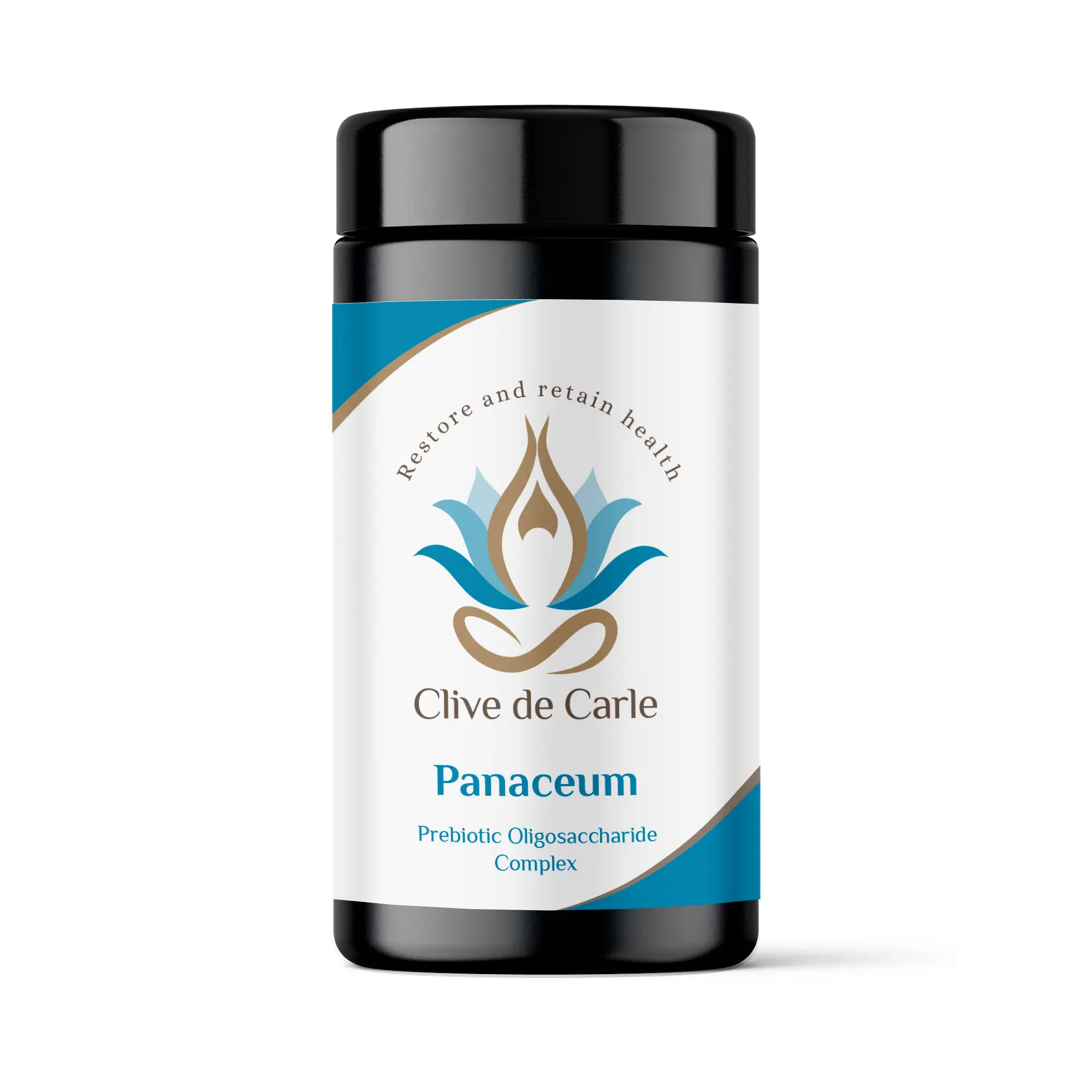
Panaceum – Prebiotic Oligosaccharide Complex
Panaceum is a specialist eight-oligosaccharide blend designed to restore the microbial diversity missing from the modern Western diet. By providing the complex fibres our ancestors once consumed, it feeds and sustains a resilient gut microbiome for long-term health.
Vetting Notes
Pending
One of the most significant pathways through which glyphosate degrades the gut barrier is the upregulation of zonulin. Zonulin is a protein that modulates intestinal permeability by disassembling tight junction complexes. Research, notably influenced by the work of Dr. Alessio Fasano, has identified two primary triggers for zonulin release in the human gut: gluten (specifically gliadin) and bacterial overgrowth. However, toxicological studies now demonstrate that glyphosate exposure can similarly trigger a massive release of zonulin. When glyphosate interacts with the intestinal lining, it stimulates the epithelial cells to secrete zonulin into the lumen. Once released, zonulin binds to specific receptors on the cell surface, initiating a signalling cascade that leads to the phosphorylation of tight junction proteins. This causes the proteins to detach from the cytoskeleton and move away from the junctional space, physically opening the gaps between cells. This 'gate-opening' effect is often immediate and can persist as long as the environmental stimulus—in this case, glyphosate-contaminated food—is present.
Mechanism 2: Oxidative Stress and Mitochondrial Dysfunction
Beyond direct protein modulation, glyphosate induces barrier failure through the generation of reactive oxygen species (ROS). The intestinal epithelium is highly metabolically active and relies on robust mitochondrial function to maintain the energy-dependent assembly of tight junctions. Glyphosate has been shown to interfere with the mitochondrial respiratory chain, leading to a state of oxidative stress. This surge in free radicals damages the lipid membranes of the epithelial cells and triggers pro-inflammatory pathways, such as the NF-kB (nuclear factor kappa-light-chain-enhancer of activated B cells) pathway. NF-kB activation further suppresses the gene expression of occludin and ZO-1. Essentially, glyphosate creates a 'double hit': it actively breaks down the junctional proteins through zonulin while simultaneously impairing the cell's ability to repair and regenerate those proteins due to oxidative damage.
Mechanism 3: The Shikimate Pathway and Microbiome Dysbiosis
The primary argument for glyphosate's safety was that it targets the shikimate pathway, a metabolic route used by plants and bacteria to synthesise essential aromatic amino acids (phenylalanine, tyrosine, and tryptophan). Humans do not possess this pathway; however, our gut microbiome does. Glyphosate acts as a potent antimicrobial, disproportionately killing beneficial bacterial species like Lactobacillus and Bifidobacterium, which are sensitive to the chemical, while allowing pathogenic strains like Clostridia and Salmonella, which are often resistant, to thrive. This shift, known as dysbiosis, has direct consequences for the gut barrier. Beneficial bacteria produce short-chain fatty acids (SCFAs), such as butyrate, which are the primary fuel source for colonocytes and are essential for maintaining tight junction integrity. By depleting the 'good' bacteria, glyphosate indirectly starves the gut lining, leading to a thinning of the protective mucus layer and an increased susceptibility to epithelial breakdown.
Mechanism 4: Mineral Chelation and Repair Inhibition
Glyphosate was originally patented in 1964 as a powerful chelator—a chemical designed to bind and strip minerals from pipes. In the context of human biology, glyphosate continues to act as a chelator, binding to essential minerals in the digestive tract and making them unavailable for absorption. Specifically, glyphosate binds to zinc, manganese, and magnesium. Zinc is a critical cofactor for over 300 enzymatic reactions, including those involved in DNA repair and the maintenance of the intestinal barrier. Zinc deficiency is a well-documented cause of increased intestinal permeability. By sequestering these minerals, glyphosate deprives the intestinal lining of the raw materials necessary to maintain the structural integrity of tight junctions, ensuring that any damage caused by oxidative stress or zonulin release becomes chronic rather than temporary.
The Systemic Consequences of Barrier Failure
When the tight junctions are degraded, the gut ceases to be a selective filter and becomes a sieve. This allows lipopolysaccharides (LPS)—endotoxins found in the cell walls of certain bacteria—to enter the bloodstream. This 'metabolic endotoxaemia' triggers systemic inflammation, which is a root-cause driver of diverse conditions, including non-alcoholic fatty liver disease (NAFLD), chronic fatigue syndrome, and various autoimmune disorders. Furthermore, the translocation of undigested food proteins into the blood can lead to the development of multiple food sensitivities, as the immune system identifies these normally harmless particles as foreign invaders. The degradation of the gut barrier by glyphosate is not merely a digestive issue; it is a systemic health crisis that originates at the molecular level of the tight junction.
Conclusion: A Root-Cause Approach to Recovery
Understanding the mechanistic link between glyphosate and tight junction degradation is essential for anyone seeking to restore gut health. It becomes clear that addressing 'leaky gut' requires more than just probiotic supplementation; it requires the active reduction of glyphosate exposure through an organic diet and the use of targeted interventions to support barrier repair. Compounds such as humic and fulvic acids have shown promise in sequestering glyphosate within the gut, while nutrients like zinc carnosine and collagen can provide the structural support needed to 're-zip' the intestinal lining. By focusing on these root-cause mechanisms, we can move beyond symptom management and toward true physiological restoration of the intestinal barrier.
This article is provided for informational and educational purposes only. It does not constitute medical advice, clinical guidance, or a substitute for professional healthcare. Information reflects cited research at time of publication. Always consult a qualified healthcare professional before acting on any health information.
RESEARCH FOUNDATIONS
Biological Credibility Archive
Citations provided for educational reference. Verify via PubMed or institutional databases.
Medical Disclaimer
The information in this article is for educational purposes only and does not constitute medical advice, diagnosis, or treatment. Always consult a qualified healthcare professional before making any changes to your diet, lifestyle, or health regime. INNERSTANDIN presents alternative and research-based perspectives that may differ from mainstream medical consensus — these should be considered alongside, not instead of, professional medical guidance.
Read Full DisclaimerReady to learn more?
Continue your journey through our classified biological research.
THE ARSENAL
Based on Leaky Gut & Intestinal Permeability — products curated by our research team for educational relevance and biological support.
Panaceum – Prebiotic Oligosaccharide Complex
C60 Charcoal – Supports Healthy Digestion and Detoxification.
Clean Slate – Detoxes thousands of chemicals,heavy metals, pesticides, allergens, mold spores and fungus
INNERSTANDING may earn a commission on purchases made through these links. All products are selected based on rigorous educational relevance to our biological research.