Helicobacter Pylori: Beyond Stomach Ulcers to Systemic Inflammation
While often associated with simple indigestion, H. pylori is a sophisticated pathogen capable of altering stomach acidity and influencing systemic health. We discuss the importance of early detection and the challenges of rising antibiotic resistance in the UK.
Overview
For decades, the medical establishment viewed the stomach as a sterile, acidic vat where no life could possibly survive. This biological dogma was shattered in 1982 by Barry Marshall and Robin Warren, yet even today, the full extent of the threat posed by Helicobacter pylori remains criminally underestimated. We are not merely talking about a cause of indigestion or the occasional peptic ulcer; we are discussing a master manipulator of the human immune system and a primary driver of systemic inflammation that ripples far beyond the gastric lining.
*Helicobacter pylori* is a Gram-negative, microaerophilic bacterium that has co-evolved with humanity for over 60,000 years. However, in our modern environment—characterised by processed diets, chronic stress, and the overuse of pharmaceutical interventions—this ancient passenger has turned into a sophisticated pathogen. It is currently estimated that roughly half of the global population carries this bacterium, yet in the United Kingdom, a staggering number of cases remain undiagnosed until they manifest as severe pathology, including gastric adenocarcinoma or MALT lymphoma.
At INNERSTANDING, we recognise that *H. pylori* is the ultimate "stealth pathogen." It does not simply invade; it colonises, alters the local environment to suit its needs, and then launches a biochemical assault on the host’s cellular integrity. By suppressing stomach acid (hypochlorhydria), it opens the floodgates for other opportunistic infections and nutritional deficiencies, effectively dismantling the body's first line of digestive defence. This article serves as an urgent exposé on the biological mechanisms, environmental triggers, and the systemic devastation caused by this resilient organism.
According to the World Health Organization and the International Agency for Research on Cancer (IARC), *Helicobacter pylori* is classified as a Class I Carcinogen, placing it in the same risk category as tobacco smoke and asbestos regarding its link to gastric cancer.
##
The Biology — How It Works
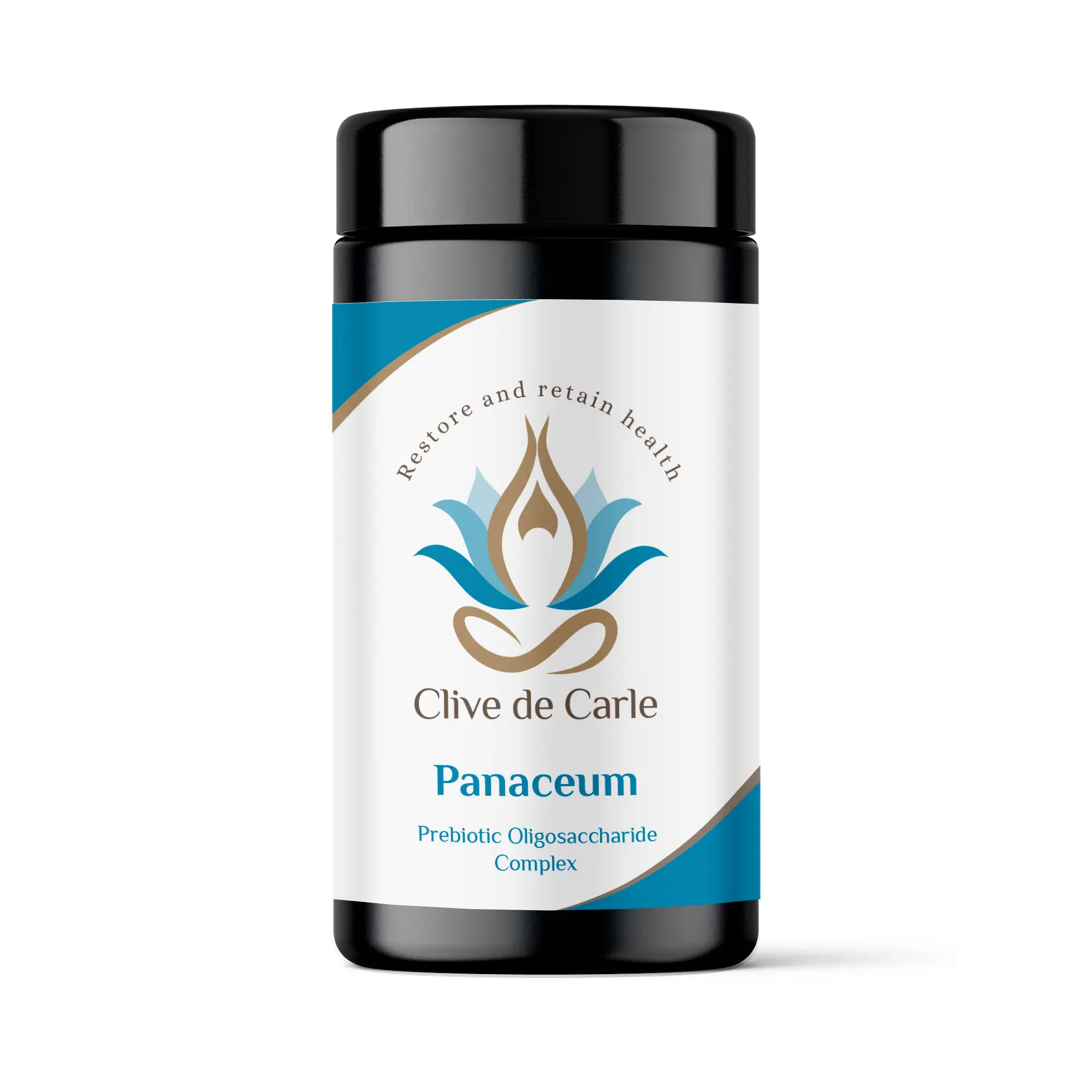
Panaceum – Prebiotic Oligosaccharide Complex
Panaceum is a specialist eight-oligosaccharide blend designed to restore the microbial diversity missing from the modern Western diet. By providing the complex fibres our ancestors once consumed, it feeds and sustains a resilient gut microbiome for long-term health.
Vetting Notes
Pending
To understand why *H. pylori* is so difficult to eradicate, one must first appreciate its sheer mechanical and chemical ingenuity. Most bacteria are obliterated by the hydrochloric acid (HCl) produced by the parietal cells of the stomach. *H. pylori*, however, has developed a biological "spacesuit" that allows it to thrive in a pH as low as 2.0.
The Urease Shield
The primary mechanism of survival is the production of the enzyme urease. This enzyme catalyses the hydrolysis of urea (found in the stomach) into ammonia and carbon dioxide. The resulting ammonia cloud acts as a neutralising buffer, creating a "micro-environment" of alkalinity immediately surrounding the bacterium. This ammonia is not just a shield; it is also toxic to human epithelial cells, contributing to the initial stages of mucosal damage.
Motility and Chemotaxis
*H. pylori* is shaped like a spiral (hence the name *Helicobacter*) and possesses four to six polar flagella. These flagella act like high-powered outboard motors, allowing the bacterium to swim through the thick, viscous mucus layer that protects the stomach lining. It uses a process called chemotaxis—specifically sensing pH gradients—to navigate away from the acidic lumen and toward the more neutral pH of the epithelial surface. It doesn't just sit in the stomach acid; it "drills" into the mucus to find a safe harbour against the stomach wall.
Adhesion and Colonisation
Once it reaches the gastric epithelium, the bacterium employs a suite of adhesins (specifically BabA and SabA) to lock onto the surface of host cells. This prevents the bacterium from being washed away by the stomach's peristaltic contractions or the constant turnover of mucus. Once anchored, it begins the process of nutrient extraction and toxin injection, effectively turning the host cell into a resource for bacterial replication.
##
Mechanisms at the Cellular Level
The true damage of *H. pylori* occurs at the molecular level, where it hijacks host cell signalling pathways to ensure its own survival at the expense of our health. There are two primary "virulence factors" that dictate the severity of the infection: CagA and VacA.
The CagA Oncoprotein
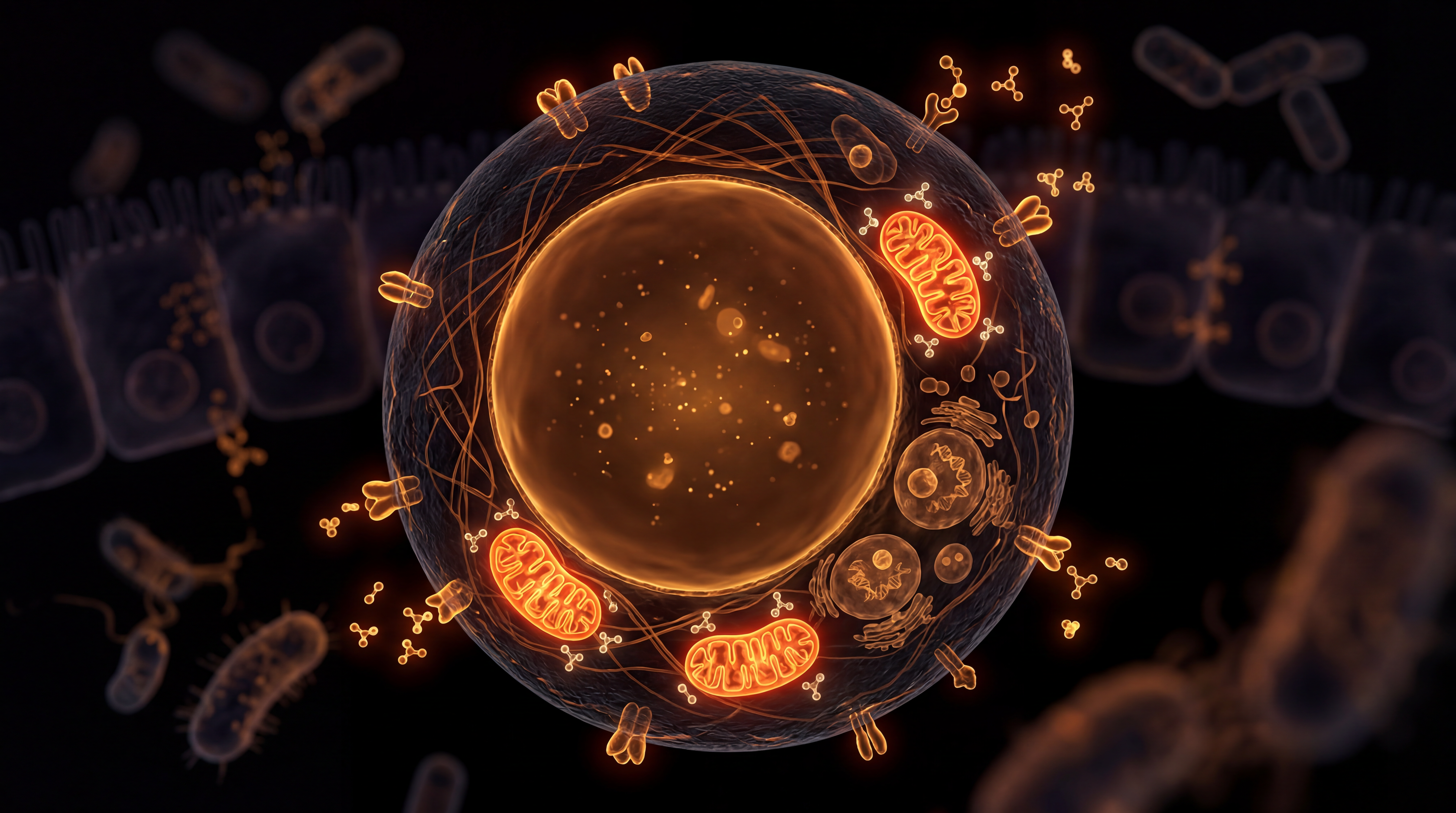
The Cytotoxin-associated gene A (CagA) is often referred to as the "bacterial oncoprotein." *H. pylori* uses a Type IV Secretion System (T4SS)—essentially a molecular syringe—to inject CagA directly into the gastric epithelial cells. Once inside, CagA undergoes phosphorylation by host cell kinases (like Src and Abl).
This phosphorylated CagA then disrupts tight junctions—the biological "glue" that keeps our cells held together. This leads to what we might call "leaky stomach," where the cellular architecture loses its shape, a process known as the hummingbird phenotype. This disruption allows the bacterium to access nutrients from the deeper tissue layers while simultaneously triggering a massive inflammatory response via the NF-κB (Nuclear Factor-kappa B) pathway.
The VacA Toxin
The Vacuolating cytotoxin A (VacA) is a secreted toxin that creates large, fluid-filled holes (vacuoles) within the host cells, leading to cellular death (apoptosis). More insidiously, VacA targets the mitochondria, the energy factories of our cells, causing them to leak cytochrome c and initiate programmed cell death.
VacA also has a profound effect on the immune system. It inhibits the activation and proliferation of T-cells, the very cells meant to hunt down and destroy the infection. By paralysing the local immune response, *H. pylori* ensures it can persist for decades, causing a state of chronic, low-grade inflammation that eventually leads to DNA damage and malignancy.
Research has shown that *H. pylori* infection increases the production of Interleukin-8 (IL-8), a potent inflammatory cytokine, by up to 10-fold in the gastric mucosa, creating a permanent "fire" of inflammation that the body cannot extinguish.
##
Environmental Threats and Biological Disruptors
While *H. pylori* is the primary actor, the modern environment provides the stage upon which this pathogen performs its most destructive work. In the UK, several factors are converging to make *H. pylori* more prevalent and more dangerous.
The PPI Trap
One of the most significant biological disruptors is the widespread use of Proton Pump Inhibitors (PPIs) like Omeprazole and Lansoprazole. These drugs are frequently prescribed for "acid reflux" without investigating the underlying cause. By artificially suppressing stomach acid, PPIs actually facilitate the spread of *H. pylori*. In a high-acid environment, the infection is typically restricted to the antrum (the lower part of the stomach). However, when acid is suppressed, the bacterium can migrate into the corpus (the main body of the stomach), leading to atrophic gastritis—a precursor to cancer.
Water Quality and Biofilms
In the UK, concerns regarding the aging water infrastructure and the presence of *H. pylori* in the water table cannot be ignored. The bacterium is capable of entering a "coccoid state"—a dormant, resilient form—allowing it to survive in water pipes and storage tanks. It also integrates into biofilms, complex communities of microbes protected by a slimy extracellular matrix. This makes the bacterium nearly impossible to eradicate with standard chlorine treatments used by water companies, potentially leading to re-infection even after successful treatment.
Dietary Catalysts
The modern British diet, high in ultra-processed foods (UPFs) and refined sugars, provides the perfect fuel for dysbiosis. High salt intake, in particular, has been shown to increase the expression of *H. pylori* virulence genes, making the bacterium more aggressive. Conversely, a lack of dietary fibre and polyphenols means the host lacks the necessary compounds to maintain a healthy mucosal barrier, leaving the stomach lining vulnerable to bacterial attachment.
##
The Cascade: From Exposure to Disease
The progression of an *H. pylori* infection is rarely linear; it is a cascade of declining biological function that affects multiple organ systems.
1. The Destruction of the Gastric Barrier
The initial phase is characterised by acute gastritis. The host experiences bloating, nausea, and upper abdominal pain. As the bacterium continues to erode the mucosal lining using the urease and VacA mechanisms mentioned earlier, the protective "mucin" layer thins. This allows the stomach's own acid to come into direct contact with the epithelial tissue, leading to the formation of peptic ulcers.
2. Hypochlorhydria and Malabsorption
As the infection becomes chronic, it often destroys the parietal cells responsible for acid production. This leads to hypochlorhydria (low stomach acid). This is a catastrophic failure for the body. Without sufficient acid, we cannot break down proteins into amino acids, nor can we ionise minerals for absorption. This leads to chronic deficiencies in:
- —Vitamin B12: *H. pylori* interferes with the production of Intrinsic Factor, which is essential for B12 absorption in the ileum. This can lead to pernicious anaemia and neurological decline.
- —Iron: Stomach acid is required to convert ferric iron into the absorbable ferrous form. Unexplained iron-deficiency anaemia is a classic "red flag" for *H. pylori*.
- —Magnesium and Zinc: Crucial for over 300 enzymatic reactions, these minerals are poorly absorbed in a low-acid environment.
3. Systemic Inflammation and Autoimmunity
The inflammation does not stay in the stomach. The "leaky" nature of the gastric lining allows bacterial fragments (LPS) and undigested food proteins to enter the bloodstream. This triggers a systemic immune response. There is significant evidence linking *H. pylori* to molecular mimicry, where the immune system, in its attempt to attack the bacteria, mistakenly attacks host tissues. This has been implicated in:
- —Idiopathic Thrombocytopenic Purpura (ITP): An autoimmune condition where platelets are destroyed.
- —Rosacea and Urticaria: Chronic skin inflammatory conditions often clear up only after *H. pylori* eradication.
- —Cardiovascular Disease: The chronic inflammatory load contributes to arterial plaque instability.
Studies have indicated that patients with *H. pylori* have significantly higher levels of C-Reactive Protein (CRP) and homocysteine, both of which are independent risk factors for heart disease and stroke.
##
What the Mainstream Narrative Omits
The standard medical approach to *H. pylori* in the UK is often reductive, viewing it as a simple infection that a "one-size-fits-all" course of antibiotics can resolve. This narrative is dangerously incomplete.
The Biofilm Fortress
Mainstream protocols rarely account for biofilms. *H. pylori* hides within these protective shields, making it up to 1,000 times more resistant to antibiotics than its free-swimming form. This is why "Triple Therapy" (a PPI plus two antibiotics) is failing at an alarming rate. Doctors often prescribe a second or third course of even stronger antibiotics, which further decimates the gut microbiome without necessarily killing the *H. pylori* shielded within the biofilm.
The Gut-Brain Axis Connection
The narrative often ignores the profound psychological impact of this infection. *H. pylori* alters the production of ghrelin and leptin, the hormones that regulate hunger and satiety. Furthermore, by causing B12 and magnesium deficiencies, it contributes directly to anxiety, depression, and cognitive "brain fog." Many patients are prescribed antidepressants when their primary issue is a stealth pathogen in their gut.
The "Old Friends" Hypothesis vs. Modern Reality
Some researchers argue that *H. pylori* might have a protective effect against asthma or oesophageal reflux in certain contexts. However, we must expose the truth: whatever benefit might have existed in a pre-industrial world is outweighed by the carcinogenic risk in our modern, toxic environment. The idea that we should "co-exist" with a known Class I carcinogen is a gamble that most patients are never fully informed of.
##
The UK Context
In the United Kingdom, we face a specific set of challenges regarding *H. pylori*. The National Institute for Health and Care Excellence (NICE) guidelines suggest a "test and treat" strategy for dyspepsia, but the reality on the ground is different.
Rising Antibiotic Resistance
The UK is seeing a significant rise in resistance to Clarithromycin, one of the cornerstones of *H. pylori* treatment. In many urban centres, resistance rates have climbed above 15%, the threshold at which the standard triple therapy is considered ineffective. Despite this, many GPs continue to prescribe it as a first-line treatment without performing sensitivity testing.
The Burden on the NHS
Gastric cancer remains one of the more difficult cancers to treat, with often poor prognoses due to late diagnosis. The NHS spends millions annually on treating the end-stage results of *H. pylori*—ulcers, cancers, and chronic anaemia—while failing to implement aggressive, early-stage screening and innovative eradication protocols that address the biofilm issue.
Public Health Oversight
The Medicines and Healthcare products Regulatory Agency (MHRA) and the Food Standards Agency (FSA) have been slow to address the role of food hygiene and environmental water quality in the transmission of *H. pylori*. There is a lack of public awareness campaigns regarding the symptoms of this infection, leading many to dismiss chronic bloating as merely "part of getting older."
Data from Public Health England suggests that the prevalence of *H. pylori* in the UK varies significantly by region, with higher rates observed in socio-economically deprived areas and among older populations who grew up before the widespread use of modern sanitation.
##
Protective Measures and Recovery Protocols
Eradicating *H. pylori* and, more importantly, recovering from the systemic damage it causes, requires a multi-faceted biological approach that goes beyond mere antibiotic use.
1. Breaking the Biofilm
Before any antimicrobial (natural or pharmaceutical) can work, the biofilm must be disrupted. Agents such as N-acetyl cysteine (NAC), Bismuth subsalicylate, and specific enzymes like serrapeptase can help dissolve the biofilm matrix, exposing the bacteria to treatment.
2. Targeted Antimicrobials
While we acknowledge the role of antibiotics in acute cases, several natural compounds have shown remarkable efficacy in clinical trials:
- —Mastic Gum: A resin from the *Pistacia lentiscus* tree, which has been shown to induce morphological changes in *H. pylori*, leading to its death.
- —Sulforaphane: Found in high concentrations in broccoli sprouts, this compound triggers the production of phase 2 detox enzymes and has a direct bactericidal effect on *H. pylori*.
- —Zinc Carnosine: A unique chelated compound that not only inhibits bacterial growth but actively repairs the gastric mucosal lining.
- —Matula Tea: A traditional herbal blend that has gained recognition for its ability to clear the infection without the systemic side effects of antibiotics.
3. Probiotic Orchestration
The use of Lactobacillus reuteri (specifically the Pylopass strain) is a game-changer. This specific strain does not just "balance the gut"; it physically co-aggregates with *H. pylori* in the stomach, allowing it to be excreted naturally through the digestive tract. Using this alongside treatment significantly increases eradication rates and reduces the side effects of therapy.
4. Restoring the Acid Barrier
Recovery is not complete until the stomach's natural acidity is restored. This must be done carefully. Once the infection is confirmed to be gone and the ulcers have healed (verified by Zinc Carnosine and mucilaginous herbs like Slippery Elm), the use of Betaine HCl and Apple Cider Vinegar can help re-acidify the stomach, ensuring that the "door" is locked against future infections and that nutrient absorption is maximised.
5. Dietary Intervention
A "healing protocol" must eliminate refined sugars and high-salt processed foods which fuel *H. pylori* virulence. Emphasise:
- —Cruciferous vegetables (for sulforaphane).
- —Fermented foods (to diversify the microbiome, provided the patient does not have histamine intolerance).
- —High-quality proteins (once acid levels are sufficient).
- —Berries (rich in anthocyanins that inhibit bacterial adhesion).
##
Summary: Key Takeaways
*Helicobacter pylori* is not a minor ailment; it is a sophisticated, systemic threat. To truly understand and overcome this pathogen, we must look beyond the stomach.
- —Master of Disguise: *H. pylori* uses urease to neutralise stomach acid and flagella to burrow into the protective mucus, making it invisible to many standard immune responses.
- —Cellular Sabotage: Through toxins like CagA and VacA, it disrupts cellular junctions, causes mitochondrial death, and suppresses T-cell activity, creating a pro-carcinogenic environment.
- —Systemic Impact: The infection is a primary driver of B12 and iron deficiencies, and its inflammatory footprint extends to the cardiovascular and autoimmune systems.
- —Resistance Crisis: Standard UK treatments are failing due to rising antibiotic resistance and the presence of biofilms, necessitating a more comprehensive, integrative approach.
- —Restoration is Essential: Eradication is only the first step. True health requires the restoration of the gastric barrier, the re-acidification of the stomach, and the repair of the systemic nutritional damage caused by years of infection.
We must stop viewing *H. pylori* through the lens of simple indigestion. It is a biological architect of chronic disease, and only through rigorous, science-based intervention can we hope to dismantle its influence and restore the integrity of the human host. The "truth-exposing" reality is that our current medical system is often too slow to react to the sophistication of this pathogen. It is up to the individual, armed with this knowledge, to take the necessary steps for detection, eradication, and systemic recovery.
This article is provided for informational and educational purposes only. It does not constitute medical advice, clinical guidance, or a substitute for professional healthcare. Information reflects cited research at time of publication. Always consult a qualified healthcare professional before acting on any health information.
RESEARCH FOUNDATIONS
Biological Credibility Archive
Citations provided for educational reference. Verify via PubMed or institutional databases.
Medical Disclaimer
The information in this article is for educational purposes only and does not constitute medical advice, diagnosis, or treatment. Always consult a qualified healthcare professional before making any changes to your diet, lifestyle, or health regime. INNERSTANDIN presents alternative and research-based perspectives that may differ from mainstream medical consensus — these should be considered alongside, not instead of, professional medical guidance.
Read Full DisclaimerReady to learn more?
Continue your journey through our classified biological research.
DISCUSSION ROOM
Members of THE COLLECTIVE discussing "Helicobacter Pylori: Beyond Stomach Ulcers to Systemic Inflammation"
SILENT CHANNEL
Be the first to discuss this article. Your insight could help others understand these biological concepts deeper.
THE ARSENAL
Based on Chronic Infections & Stealth Pathogens — products curated by our research team for educational relevance and biological support.
Panaceum – Prebiotic Oligosaccharide Complex
INNERSTANDING may earn a commission on purchases made through these links. All products are selected based on rigorous educational relevance to our biological research.
RABBIT HOLE
Follow the biological thread deeper