
Heart Rate Variability and UK Poverty Metrics
Updated May 2026
Low heart rate variability serves as a clinical biomarker for the somatic burden of living in the UK's most deprived deciles. We explore HRV as a measurement of the body's inability to recover from environmental stress.
Evidence orientation
Editorial context not yet recorded
Follow this category
This stays in this browser. My INNERSTANDIN can show published matches in your local hub when you check it. It does not send email, push, or alert notifications.
Local learning review
A private browser aid for revisiting ideas. It is not an alert or a health recommendation.
Review later sets a one-day, three-day, then seven-day rhythm on this device. Choose it only when you want to revisit this article.
Overview
In the contemporary landscape of public health, the metrics of poverty have traditionally been confined to economic indicators: household income, employment status, and the Index of Multiple Deprivation (IMD). However, at INNERSTANDING, we propose a more visceral metric—one written into the very rhythm of the human heart. Heart Rate Variability (HRV) is not merely a tool for athletes to measure recovery; it is a profound clinical biomarker for the somatic burden of structural inequality.
Living within the UK’s most deprived deciles is not simply an experience of financial scarcity; it is a state of chronic physiological siege. This article explores how the environment of poverty—characterised by housing instability, food insecurity, and the persistent "threat response" of the British welfare system—manifests as a rigid, low-HRV state. This physiological rigidity represents the body’s loss of homeostatic plasticity, the inability to pivot between stress and recovery.
We are witnessing a biological "weathering" of the working class. When we measure HRV across the UK’s socio-economic gradient, we find that those in the lowest deciles possess a nervous system that is perpetually "on guard," failing to return to a state of safety even during sleep. This is the somatic memory of poverty: a biological hijacking that predestines individuals to chronic disease long before the first clinical symptoms appear.
Key Statistic: Individuals living in the most deprived 10% of areas in the UK have a healthy life expectancy nearly 20 years shorter than those in the least deprived areas, a gap that correlates precisely with markers of autonomic dysregulation and low HRV.
The Biology — How It Works
To understand why HRV is the ultimate biomarker for poverty, we must first understand what it represents. Contrary to popular belief, a healthy heart does not beat with the regularity of a metronome. Instead, the time intervals between successive heartbeats (the R-R intervals) should be highly irregular.
The Autonomic Seesaw
The heart’s rhythm is governed by the Autonomic Nervous System (ANS), which consists of two primary branches:
- The Sympathetic Nervous System (SNS): The "fight or flight" mechanism. It accelerates the heart rate and prepares the body for action.
- The Parasympathetic Nervous System (PNS): Primarily mediated by the Vagus Nerve, this is the "rest and digest" or "social engagement" system. It acts as a brake, slowing the heart rate and facilitating cellular repair.
Heart Rate Variability is the measure of the tug-of-war between these two systems. High HRV indicates a robust, flexible nervous system that can respond to challenges and then rapidly return to a state of restorative calm. Low HRV indicates a nervous system "stuck" in a sympathetic-dominant state, where the vagal brake has failed.
The Polyvagal Perspective
According to Polyvagal Theory, the Vagus nerve is the structural foundation of our "Social Engagement System." In an environment of safety, the Vagus nerve allows us to connect with others, digest food, and heal. In the context of UK poverty—where one may face the threat of eviction, the "bedroom tax," or the labyrinthine bureaucracy of Universal Credit—the environment is perceived by the brain as inherently predatory.
When the environment is predatory, the body inhibits the Vagus nerve. The resulting low HRV is the somatic manifestation of biological hypervigilance. The heart remains at a steady, high-frequency pace because the body cannot afford the "luxury" of relaxation.
Mechanisms at the Cellular Level
The bridge between a low bank balance and a low HRV is built at the cellular level. Chronic environmental stress triggers a cascade of biochemical events that physically restructure the body's tissues.
Mitochondrial Dysfunction
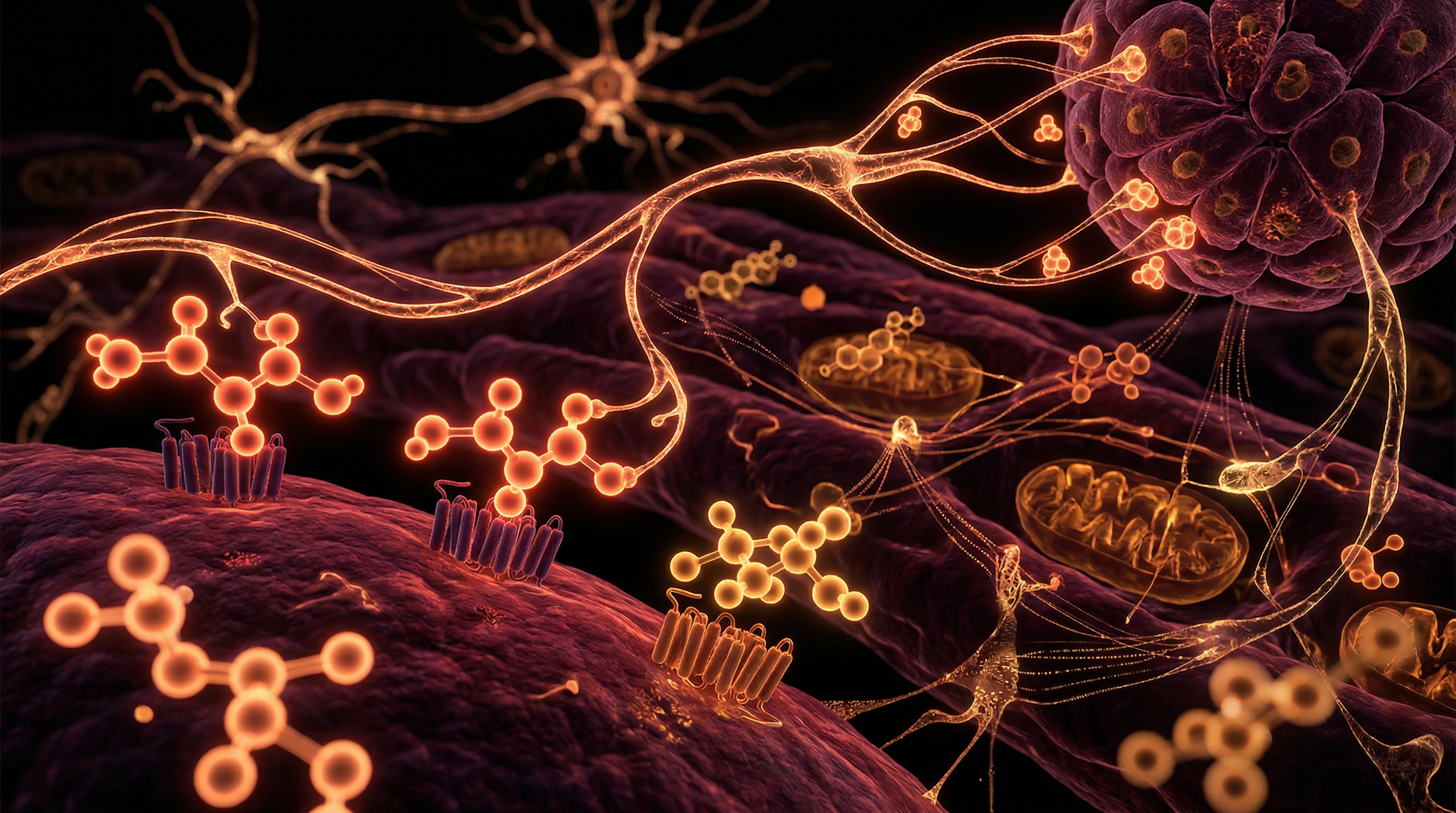
The mitochondria are the power plants of our cells, but they also function as "environmental sensors." Chronic stress, as experienced in high-deprivation UK postcodes, induces Mitochondrial Allostatic Load. When the body is under constant threat, mitochondria shift from energy production to "Cell Danger Response" (CDR).
- In CDR, mitochondria prioritize survival over growth.
- This shift reduces the bioenergetic capacity of the heart muscle, directly impacting the cardiac pacemaking cells (the SA node) and lowering HRV.
The Epigenetic Clock and Telomere Attrition
Poverty accelerates the "biological clock." Research into the Horvath Aging Clock shows that individuals in the UK’s most deprived deciles exhibit significant DNA methylation patterns associated with advanced biological age.
- Telomeres, the protective caps on our chromosomes, shorten more rapidly in individuals living in high-stress, low-resource environments.
- Shortened telomeres are associated with lower vagal tone (HRV), creating a feedback loop where cellular aging and autonomic rigidity reinforce one another.
Oxidative Stress and Nitric Oxide
Low HRV is often a proxy for systemic oxidative stress. In the absence of parasympathetic "maintenance," the body accumulates reactive oxygen species (ROS). This leads to a reduction in the bioavailability of Nitric Oxide (NO), a molecule essential for vascular health. When NO levels drop, blood vessels become stiffer, and the heart must work harder, further depressing the variability of its rhythm.
Environmental Threats and Biological Disruptors
The UK's specific brand of poverty presents a unique cocktail of "biological disruptors" that suppress HRV. These are not just "lifestyle choices"; they are structural impositions.
The Housing Crisis and Mould Exposure
A significant portion of the UK’s social housing and low-end private rentals are plagued by Stachybotrys chartarum (black mould) and damp.
- Mould spores are potent neuro-inflammatories. Inhaling these spores activates the microglia (the brain's immune cells), which in turn triggers a systemic inflammatory response.
- This chronic inflammation acts as a persistent "threat" signal to the brain, suppressing the Vagus nerve and lowering HRV.
Food Insecurity and the "Ultra-Processed" Trap
In the UK, the cheapest calories are consistently the most inflammatory. Ultra-Processed Foods (UPFs), which make up a disproportionate amount of the diet in deprived deciles due to "food deserts" and "fuel poverty" (inability to afford to cook), wreak havoc on the gut microbiome.
- The gut-brain axis is the primary highway for the Vagus nerve.
- Dysbiosis (imbalanced gut bacteria) sends "distress" signals up the Vagus nerve to the brain, maintaining the body in a state of low HRV.
Circadian Disruption and Shift Work
The UK’s "gig economy" relies heavily on zero-hours contracts and night-shift work, predominantly performed by those in the lowest income brackets.
- Circadian misalignment is a direct killer of HRV.
- The heart has its own internal clock; when sleep is fragmented or occurs during daylight hours, the sympathetic nervous system remains dominant, preventing the nocturnal HRV spike that is essential for cardiovascular repair.
Important Callout: Research has shown that even one week of irregular sleep, common in UK retail and logistics sectors, can reduce average HRV by up to 15%, a deficit that persists for days after sleep returns to "normal."
The Cascade: From Exposure to Disease
Low HRV is the "canary in the coal mine." It is the precursor to what we call The Poverty Cascade—the predictable trajectory from environmental exposure to early mortality.
Step 1: Allostatic Load
The term Allostatic Load refers to the "wear and tear" on the body that accumulates when an individual is exposed to repeated or chronic stress. In the UK, this load is compounded by the "precarity" of modern life. When HRV is low, the body is unable to clear the "debt" of stress hormones like cortisol and adrenaline.
Step 2: Chronic Low-Grade Inflammation
Without the "anti-inflammatory reflex" of the Vagus nerve (facilitated by high HRV), the body enters a state of chronic low-grade inflammation. We see this reflected in elevated levels of C-Reactive Protein (CRP) and Interleukin-6 (IL-6) in populations from deprived UK regions. This inflammation is "silent" but deadly, slowly degrading the lining of the arteries and the sensitivity of insulin receptors.
Step 3: Metabolic Syndrome and CVD
The cascade culminates in the "diseases of poverty":
- Type 2 Diabetes
- Hypertension
- Ischaemic Heart Disease
- Vascular Dementia
These are not separate conditions; they are different branches of the same tree of autonomic failure. A low HRV at age 25 in a deprived Manchester housing estate is a statistically significant predictor of a cardiac event by age 55.
What the Mainstream Narrative Omits
The mainstream medical and political narrative in the UK often focuses on "Individual Responsibility." We are told that the health gap is a result of smoking, drinking, and poor diet. At INNERSTANDING, we expose this as a convenient myth that ignores the Somatic Biology of Oppression.
The "Choice" Fallacy
The narrative omits the fact that the capacity for "self-regulation" and "good choices" is itself a function of HRV. The Prefrontal Cortex (PFC), the part of the brain responsible for executive function and impulse control, is "vagal-dependent."
- When HRV is high, the PFC is online, allowing for long-term planning.
- When HRV is low—as it is in chronic poverty—the brain shifts to Amygdala-driven survival mode.
In this state, the body demands high-energy (high-sugar, high-fat) foods and immediate dopamine hits (nicotine, alcohol) to cope with the crushing weight of the environment. The "bad habits" are, in biological terms, survival adaptations.
The Suppression of Structural Data
There is a profound silence regarding how the UK’s "Austerity" policies of the last decade have physically altered the HRV of the population. By cutting social safety nets, the state has effectively increased the "background noise" of threat. This is not just a political shift; it is a mass biological intervention that has lowered the HRV of millions, leading to the first stagnating life expectancy rates in the UK since the 19th century.
The UK Context: A Geography of Dysregulation
The UK presents a stark geographical divide in HRV and health outcomes, often referred to as the North-South Divide, but more accurately described as a Deprivation Gradient.
The "Glasgow Effect"
Nowhere is the link between poverty and somatic burden more evident than in Glasgow. Even when controlling for smoking and drinking, Glaswegians have higher mortality rates than people in similarly deprived English cities like Liverpool or Manchester.
- New research suggests this is due to "biopsychosocial weathering"—a generational depression of HRV caused by the total deindustrialisation and subsequent social fragmentation of the city.
- The body’s memory of community loss is stored as a permanent sympathetic "on" switch.
The Cost-of-Living Crisis as an Acute Stressor
As of 2023/2024, the UK’s cost-of-living crisis has introduced a new layer of HRV depression.
- The "Heat or Eat" dilemma is a potent physiological stressor.
- Cold exposure in the home (hypothermia-lite) triggers a sympathetic response to maintain core temperature, which, if sustained over months, permanently lowers HRV and increases the risk of stroke in the elderly and the poor.
The DWP and "Administrative Trauma"
A uniquely British stressor is the interaction with the Department for Work and Pensions (DWP). The process of "Work Capability Assessments" has been linked to increased rates of mental distress and suicide.
- From a somatic perspective, the DWP operates as a "predator" in the environment.
- The threat of losing one's income creates a state of Traumatic Helplessness, a condition characterised by the lowest possible HRV, where the body enters a "freeze" or "shutdown" response (the Dorsal Vagal state).
Protective Measures and Recovery Protocols
If the problem is structural, the solution must also be structural. However, for those currently trapped in the somatic burden of poverty, there are ways to "hack" the nervous system to build resilience.
Somatic Interventions (The "Bottom-Up" Approach)
While traditional "Top-Down" therapy (talking) can be difficult when the brain is in survival mode, "Bottom-Up" interventions can bypass the amygdala to increase HRV.
- Resonant Frequency Breathing: Breathing at a rate of 5.5 to 6 breaths per minute maximizes HRV. This is a free, accessible tool that can "force" the Vagus nerve back online.
- Cold Water Exposure: While the "cold home" is a stressor, brief, intentional cold exposure (like a 30-second cold splash to the face) can trigger the Mammalian Dive Reflex, which acutely increases vagal tone.
- Magnesium Supplementation: Poverty diets are notoriously low in magnesium, a mineral essential for the relaxation of the nervous system. Supplementing with Magnesium Glycinate can help "buffer" the sympathetic system.
Structural Protection
- Tenancy Security: Medicine should recognize that a long-term, secure tenancy is a "vagal stabilizer." The psychological safety of a permanent home is the most potent HRV-booster available.
- Community Cohesion: "Social Capital" is a biological reality. Individuals in deprived areas with strong community ties (mutual aid groups, community centres) show higher HRV than those who are socially isolated. The "Social Engagement System" of the Vagus nerve requires other humans to function.
The Role of Biofeedback
Low-cost HRV monitors (wearables) are often marketed to the wealthy, but they are arguably more needed in the GP surgeries of the North of England.
- Using HRV as a "stress thermometer" could allow individuals to see the invisible impact of their environment.
- It shifts the narrative from "I am lazy/unhealthy" to "My nervous system is overwhelmed by my environment."
Summary: Key Takeaways
The link between UK poverty and low Heart Rate Variability is an indictment of our current socio-economic structure. HRV is the biological ledger where the "hidden costs" of austerity and inequality are recorded.
- HRV is a Clinical Mirror: It reflects the body’s inability to recover from the chronic, multi-layered stresses of living in the UK’s most deprived deciles.
- Poverty is Cellular: The burden of deprivation manifests as mitochondrial dysfunction, accelerated epigenetic aging, and chronic systemic inflammation.
- The Vagal Brake: Poverty acts as a structural inhibitor of the Vagus nerve, locking the body into a sympathetic "fight or flight" state that leads to rapid physical decay.
- Structural Violence: The UK’s housing crisis, food deserts, and welfare bureaucracy are not just social issues; they are biological disruptors that suppress the HRV of the working class.
- Beyond Individual Choice: "Lifestyle diseases" are the inevitable somatic consequences of a nervous system trying to survive a hostile environment.
To heal the nation’s heart, we must do more than prescribe statins or encourage "mindfulness." We must address the structural biology of poverty. Until we create an environment of safety—through secure housing, fair wages, and social dignity—the hearts of the most deprived will continue to beat with the rigid, exhausted rhythm of survival.
"The goal is not just to survive poverty, but to reclaim the autonomic freedom that inequality has stolen."
"References & Technical Context:"
- The Index of Multiple Deprivation (IMD) 2019 report.
- Porges, S. W. (2011). The Polyvagal Theory: Neurophysiological Foundations of Emotions, Attachment, Communication, and Self-regulation.
- The Marmot Review (2010/2020): Fair Society, Healthy Lives.
- Sapolsky, R. M. (2004). Why Zebras Don't Get Ulcers: The Acclaimed Guide to Stress, Stress-Related Diseases, and Coping.
- Innerstanding Research Archives: Somatic Trauma & The Working Class (Vol 4).
This article is provided for informational and educational purposes only. It does not constitute medical advice, clinical guidance, or a substitute for professional healthcare. Information reflects cited research at time of publication. Always consult a qualified healthcare professional before acting on any health information.
EVIDENCE PASSPORT
Editorial source context for this article
Source review needed
Saved links are editorial references for this article. They may support specific claims rather than every sentence. Open and assess each source in context. This passport does not independently verify them.
Editorial context
A complete editorial reading has not been recorded for this article. Source links remain available for you to open and assess directly.
Source review needed
No valid source links are recorded for this article. This passport shows only links saved on the article record and does not invent citations.
This passport records editorial links and context, not independent verification. Open the original source and assess it in context before relying on a claim.
Medical Disclaimer
The information in this article is for educational purposes only and does not constitute medical advice, diagnosis, or treatment. Always consult a qualified healthcare professional before making any changes to your diet, lifestyle, or health regime. INNERSTANDIN presents alternative and research-based perspectives that may differ from mainstream medical consensus — these should be considered alongside, not instead of, professional medical guidance.
Read Full DisclaimerContinue the thread
Keep this question moving.
Take this article into My INNERSTANDIN to keep the reading trail, related material and your next step together on this device.