
Heavy Metal Affinity: How Oxalates Chelate and Trap Toxic Elements in Human Tissue
Updated April 2026
Evidence orientation
Editorial context not yet recorded
Follow this category
This stays in this browser. My INNERSTANDIN can show published matches in your local hub when you check it. It does not send email, push, or alert notifications.
Local learning review
A private browser aid for revisiting ideas. It is not an alert or a health recommendation.
Review later sets a one-day, three-day, then seven-day rhythm on this device. Choose it only when you want to revisit this article.
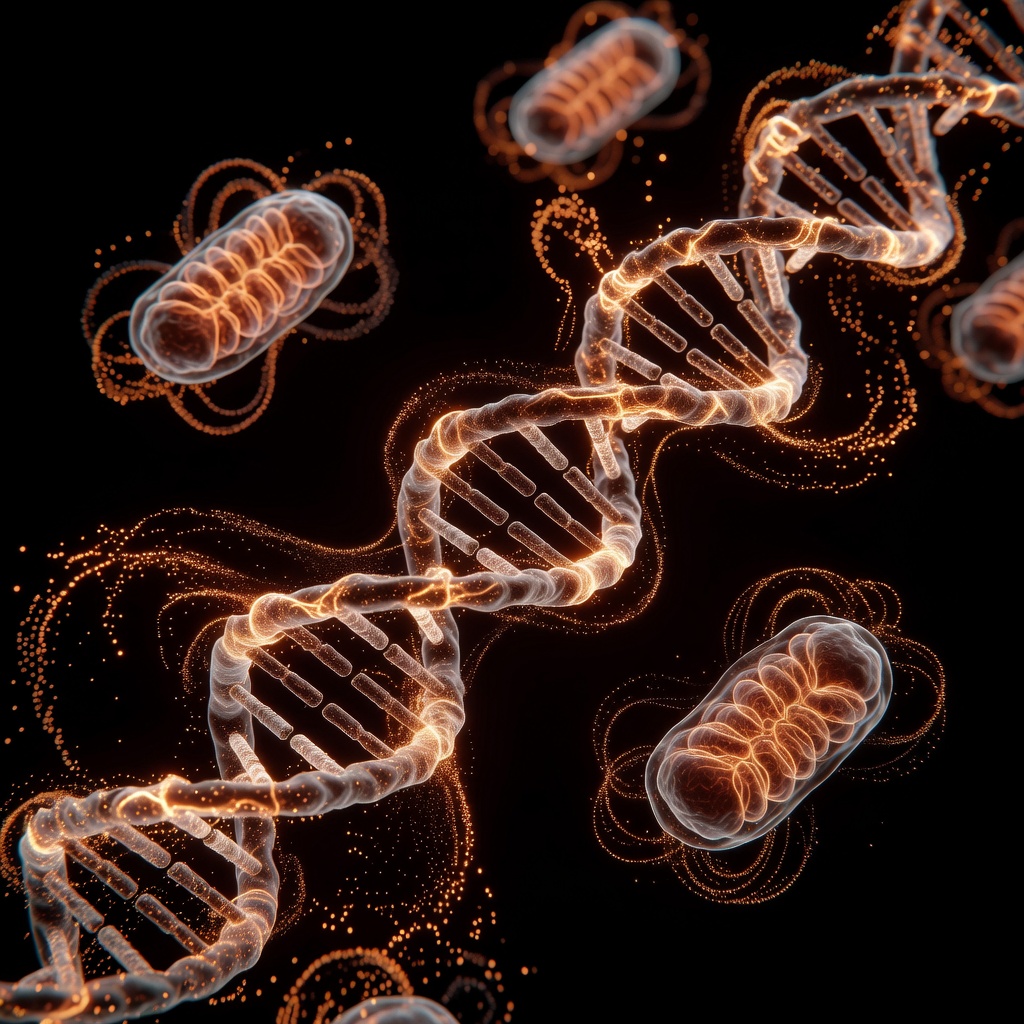
The modern health landscape is frequently clouded by reductive narratives that separate nutrition from toxicology. We are told to eat our "superfoods" without question, yet the rising tide of chronic fatigue, fibromyalgia, and neurological decline suggests a missing piece in the puzzle of human biochemistry. This missing piece is the synergistic relationship between oxalates—naturally occurring plant toxins—and heavy metals.
While mainstream dietetics focuses almost exclusively on the role of oxalates in kidney stone formation, a deeper, more concerning truth is emerging. Oxalates act as a biological "magnet," chelating toxic elements such as lead, mercury, and cadmium, and trapping them deep within human tissues. This process, often referred to as systemic oxalosis, creates a reservoir of toxicity that is notoriously difficult to clear.
1. The Chemistry of Chelation: A Double-Edged Sword
To understand how oxalates trap metals, we must first understand chelation. In a medical context, chelation is often a therapeutic process used to strip toxic metals from the blood. However, oxalates are endogenous and exogenous chelators that do not necessarily facilitate excretion; instead, they facilitate sequestration.
The oxalate ion ($C2O4^{2-}$) is a highly reactive dicarboxylic acid. It possesses a powerful affinity for multivalent metallic cations. While it readily binds to essential minerals like calcium and magnesium, forming crystals, it has an even higher affinity for heavy metals.
The Formation of Insoluble Nanocrystals
When oxalic acid enters the bloodstream—either through the consumption of high-oxalate plants like spinach, rhubarb, and almonds or through internal metabolic errors—it seeks stability. It finds this stability by binding to metals.
"Oxalate is not merely a waste product of metabolism; it is a highly reactive ligand capable of forming stable, insoluble complexes with toxic metals, effectively 'locking' them into the collagen matrix and soft tissues of the body."
Once an oxalate molecule binds to a heavy metal ion, it forms a nanocrystal. These crystals are sharp, abrasive, and virtually insoluble at physiological pH. Because they are insoluble, the body cannot easily filter them through the kidneys. Instead, it "hides" them in the extracellular matrix, joints, and even the brain, leading to chronic inflammation and cellular dysfunction.
2. Biological Mechanisms: The Trojan Horse Effect
The primary danger of the oxalate-heavy metal bond lies in its ability to bypass the body's natural detoxification barriers. This can be described as the Trojan Horse Effect.
Deep Tissue Sequestration
Heavy metals on their own are toxic, but the body has pathways (such as glutathione and metallothionein) to neutralise and excrete them. However, when a metal like lead (Pb) or aluminium (Al) is bound to an oxalate crystal, it becomes shielded from these detoxification enzymes. The crystal acts as a physical cage, preventing the liver and kidneys from identifying and removing the toxic metal.
The Role of the Leaky Gut
In the UK, where processed "convenience" foods and high-stress lifestyles are prevalent, intestinal permeability (leaky gut) is a widespread issue. A healthy gut lining should prevent the majority of dietary oxalates from entering the bloodstream. However, when the gut barrier is compromised, oxalates flood the systemic circulation, where they immediately begin searching for heavy metal partners.
Mitochondrial Disruption
Oxalates and heavy metals are both mitochondrial poisons. When they combine, they create a "synergistic toxicity." The oxalate-metal complex can lodge itself within the mitochondria, the powerhouses of the cell. This inhibits the electron transport chain, leading to the profound, "unexplained" exhaustion that characterises many modern autoimmune conditions.
3. The UK Context: A Legacy of Industrial Toxicity and Modern "Health" Trends
The relevance of oxalate-metal affinity is particularly acute in the United Kingdom. We are currently facing a "perfect storm" of environmental legacy and modern dietary fads.
The Industrial Shadow
As the birthplace of the Industrial Revolution, the UK’s soil and water infrastructure carry a heavy burden of legacy metals. Lead piping remains in many older Victorian homes, and cadmium from historical smelting and coal burning persists in the soil. When we consume "superfoods" grown in these environments, we are often ingesting a pre-formed complex of oxalates and heavy metals.
The "Green Smoothie" Delusion
British health trends have seen a massive shift toward plant-based diets. While well-intentioned, the ubiquity of spinach, chard, and beetroot in daily smoothies is unprecedented. A single large spinach salad can contain upwards of 1,000mg of oxalate—hundreds of times the amount our ancestors would have consumed seasonally.
For a British population already burdened by environmental pollutants, this massive influx of oxalates provides the "glue" necessary to trap those pollutants in their tissues.
4. Specific Metal Affinities: Lead, Cadmium, and Mercury
Oxalates do not discriminate, but they show a particular fondness for the most neurotoxic elements.
- Lead (Pb): Oxalates have a higher affinity for lead than for calcium. In cases of chronic lead exposure, the body often stores lead in the bones. Oxalates can pull lead out of the bone and into soft tissues or, conversely, lock lead into the bone matrix, making it nearly impossible to mobilise during a detox protocol.
- Cadmium (Cd): Found in cigarette smoke and industrial fertilisers, cadmium is highly nephrotoxic (damaging to the kidneys). Oxalates and cadmium together accelerate the calcification of the renal tubules, leading to a rapid decline in kidney function.
- Mercury (Hg): The interaction between mercury and oxalates is particularly devastating for the central nervous system. These complexes are small enough to cross the blood-brain barrier under certain conditions, contributing to "brain fog" and neurodegenerative symptoms.
5. Environmental Factors and Synergy
It is a mistake to view oxalate toxicity in a vacuum. Several environmental factors in the modern world exacerbate the oxalate-metal affinity.
Glyphosate and the Gut
The herbicide glyphosate, widely used in UK agriculture, interferes with the shikimate pathway in gut bacteria. Specifically, it can deplete Oxalobacter formigenes, the specialised bacteria in the human biome responsible for breaking down oxalates. Without these bacteria, our "oxalate load" increases exponentially, providing more ligands to trap heavy metals.
Nutritional Deficiencies
A lack of zinc and selenium—minerals often depleted in UK soils—leaves the body's natural metal-binding proteins weak. In the absence of these healthy minerals, oxalates step in to fill the void, binding to toxic metals instead of allowing the body to use essential ones.
6. Protective Strategies: Breaking the Bond
Reversing the sequestration of heavy metals by oxalates is a slow and delicate process. Rapid "detoxing" can be dangerous, as it may cause a flood of sharp oxalate crystals to enter the bloodstream at once—a phenomenon known as oxalate dumping.
Dietary Modification
The first step is a gradual reduction in high-oxalate foods. Replace spinach with low-oxalate greens like arugula (rocket), watercress, or kale (which is surprisingly low in oxalate compared to spinach).
Mineral Titration
Consuming calcium citrate or magnesium citrate with meals can help. The citrate ion helps to dissolve existing crystals, while the calcium/magnesium binds to oxalates in the gut before they can enter the bloodstream, allowing them to be excreted safely in the stool.
Support for Barriers
Healing the gut lining is non-negotiable. Using substances like collagen, L-glutamine, and aloe vera can help restore the "tight junctions" of the gut, preventing the systemic influx of oxalates.
Infrared Saunas
Sweating is one of the few ways to bypass the kidneys and liver to excrete both heavy metals and oxalates. Regular use of an infrared sauna can help mobilise these toxins from the subcutaneous fat and connective tissues.
Key Takeaways: The Truth About Oxalate Affinity
- Oxalates are not just "anti-nutrients"; they are active chelators that bind to heavy metals like lead, mercury, and cadmium.
- Sequestration is the problem. Instead of helping the body excrete metals, oxalates trap them in insoluble nanocrystals within joints, organs, and the nervous system.
- The "Superfood" Trap. Excessive consumption of high-oxalate plants (spinach, almonds, beetroot) provides the chemical infrastructure to store environmental toxins.
- Industrial Legacy. The UK’s history of heavy metal pollution makes the British population particularly susceptible to the oxalate-metal synergy.
- Gradual Recovery. Reversing this process requires a "low and slow" approach to dietary change, coupled with strategic mineral support and gut repair.
"To truly detoxify the human body, one must look beyond the metals themselves and address the molecular 'glue'—the oxalates—that holds them captive in our tissues."
In conclusion, the affinity between oxalates and heavy metals represents a significant, yet largely ignored, frontier in environmental medicine. By understanding this relationship, we can move away from simplistic nutritional advice and toward a truly restorative health paradigm that acknowledges the complex interplay between the plants we eat and the industrial world we inhabit. Knowledge of the oxalate-metal complex is the first step toward reclaiming our biological integrity.
This article is provided for informational and educational purposes only. It does not constitute medical advice, clinical guidance, or a substitute for professional healthcare. Information reflects cited research at time of publication. Always consult a qualified healthcare professional before acting on any health information.
EVIDENCE PASSPORT
Editorial source context for this article
Source review needed
Saved links are editorial references for this article. They may support specific claims rather than every sentence. Open and assess each source in context. This passport does not independently verify them.
Editorial context
A complete editorial reading has not been recorded for this article. Source links remain available for you to open and assess directly.
Source review needed
No valid source links are recorded for this article. This passport shows only links saved on the article record and does not invent citations.
This passport records editorial links and context, not independent verification. Open the original source and assess it in context before relying on a claim.
Medical Disclaimer
The information in this article is for educational purposes only and does not constitute medical advice, diagnosis, or treatment. Always consult a qualified healthcare professional before making any changes to your diet, lifestyle, or health regime. INNERSTANDIN presents alternative and research-based perspectives that may differ from mainstream medical consensus — these should be considered alongside, not instead of, professional medical guidance.
Read Full DisclaimerContinue the thread
Keep this question moving.
Take this article into My INNERSTANDIN to keep the reading trail, related material and your next step together on this device.