
HLA Polymorphism: Modern Allergy Origins
Updated May 2026
Rapid changes in the UK environment are causing a mismatch with our Human Leukocyte Antigen complex. This evolutionary friction explains the unprecedented surge in hypersensitivity and autoimmune responses.
Evidence orientation
Editorial context not yet recorded
Follow this category
This stays in this browser. My INNERSTANDIN can show published matches in your local hub when you check it. It does not send email, push, or alert notifications.
Local learning review
A private browser aid for revisiting ideas. It is not an alert or a health recommendation.
Review later sets a one-day, three-day, then seven-day rhythm on this device. Choose it only when you want to revisit this article.
Overview
The immunological architecture of the modern Briton is in a state of catastrophic dissonance. For millennia, the human immune system evolved under the relentless pressure of pathogenic threats—bacteria, viruses, and parasites that winnowed the gene pool and selected for the most robust defensive configurations. Central to this defence is the Human Leukocyte Antigen (HLA) complex, a genetic region of unparalleled diversity designed to recognise and neutralise external threats.
However, in the blink of an evolutionary eye, our environment has undergone a radical transformation. The transition from an agrarian, biodiverse landscape to a hyper-sanitised, chemically saturated, and urbanised existence has created a profound 'evolutionary mismatch'. The very polymorphic genes that once protected our ancestors from the Black Death and tuberculosis are now misfiring.
In the United Kingdom, we are witnessing an unprecedented surge in Type I hypersensitivities, asthma, and autoimmune pathologies. This is not merely 'bad luck' or a quirk of modern living; it is a fundamental biological betrayal. Our HLA alleles, fine-tuned for a world of mud, microbes, and macro-parasites, are now reacting to innocuous substances—pollen, dust mites, and synthetic food additives—as if they were lethal pathogens. This article explores the deep-seated origins of this crisis, exposing how the rapid alteration of the British biosphere has turned our most sophisticated internal defence mechanism against us.
Fact: The HLA complex is the most polymorphic region in the human genome, containing over 28,000 identified alleles. This diversity is essential for species survival but serves as a double-edged sword in the modern, low-pathogen environment.
The Biology — How It Works
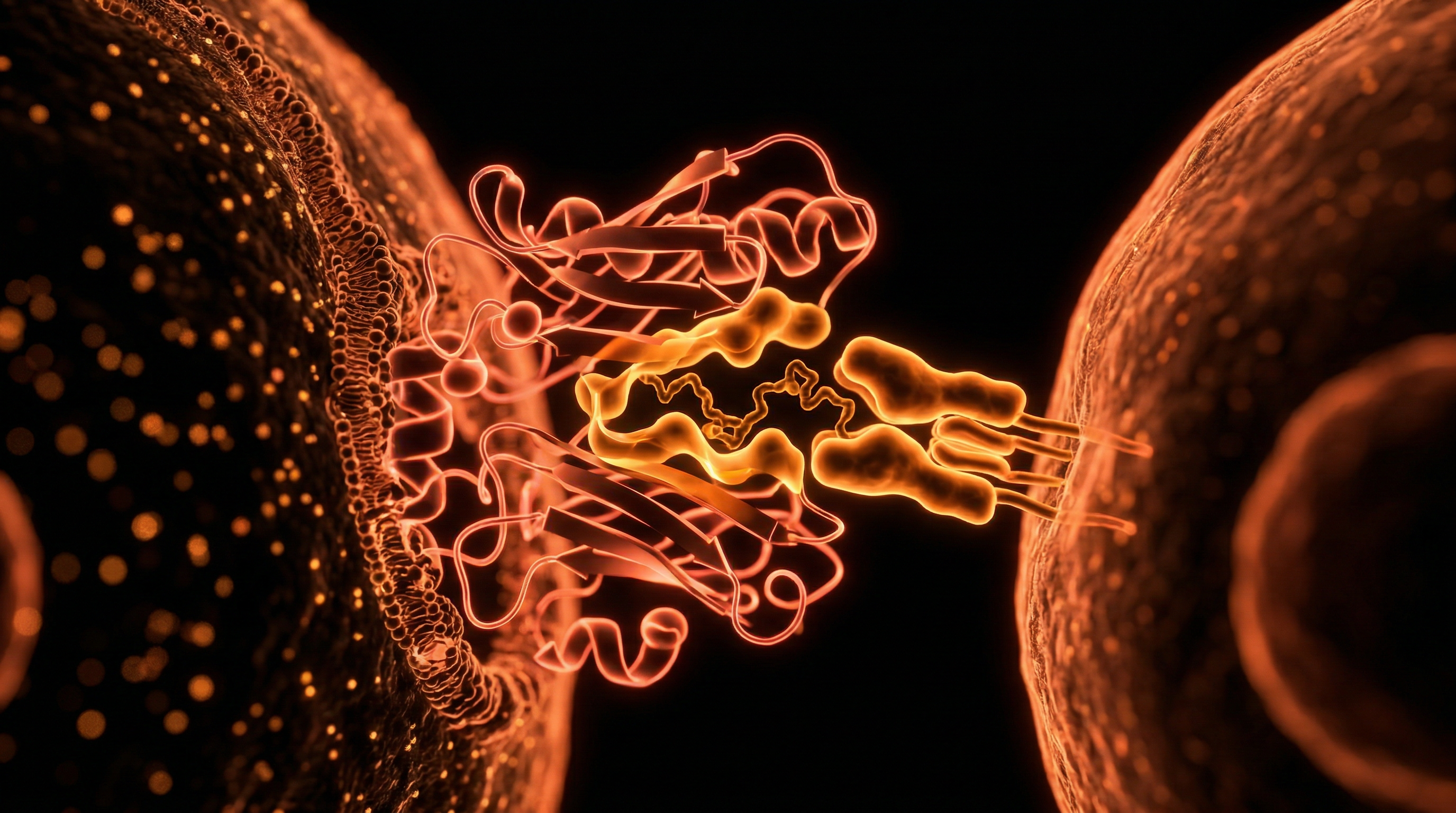
To understand the modern allergy epidemic, one must first master the mechanics of the Major Histocompatibility Complex (MHC), known in humans as the HLA system. Located on the short arm of Chromosome 6 (6p21.3), this cluster of genes encodes proteins that sit on the surface of almost all nucleated cells.
The Role of Presentation
The primary function of HLA molecules is antigen presentation. They act as a biological 'display window'.
- HLA Class I (A, B, C): Found on all nucleated cells. They present endogenous peptides (from inside the cell) to CD8+ T-cells. If a cell is infected by a virus, the HLA Class I molecule displays a viral fragment, signalling the immune system to destroy the cell.
- HLA Class II (DP, DQ, DR): Found on specialised antigen-presenting cells (APCs) like dendritic cells and macrophages. They present exogenous peptides (from outside the cell) to CD4+ 'helper' T-cells, orchestrating the broader immune response.
Polymorphism as an Evolutionary Shield
The defining characteristic of the HLA system is its polymorphism. Unlike most genes, where a few variants exist, HLA genes have thousands of variations. This diversity ensures that within a population, there will always be individuals capable of recognising a new or mutated pathogen.
In ancestral environments, high HLA diversity was maintained through balancing selection. If you possessed a rare HLA variant that could 'see' a new strain of influenza, you survived to pass on those genes. This created an immunological repertoire that was broad, aggressive, and highly sensitive to foreign proteins.
The Mismatch Theory
The 'mismatch' occurs because the HLA system is inherently 'noisy'. It requires a specific threshold of environmental input—traditionally provided by a rich microbiome and various parasites—to 'calibrate' its sensitivity. In the absence of these ancient stimuli, the system becomes hyper-reactive. The polymorphic variants that were once protective against specific ancient plagues are now the same variants that predispose individuals to hay fever (allergic rhinitis), coeliac disease, and rheumatoid arthritis.
Mechanisms at the Cellular Level
The transition from a protective response to an allergic one involves a complex failure of immunological tolerance. At the cellular level, this is a breakdown of the dialogue between the HLA molecule, the peptide it carries, and the T-cell receptor (TCR).
The Peptide-Binding Groove
Every HLA molecule has a 'groove' where the peptide (the fragment of a protein) sits. The shape and charge of this groove are determined by an individual's specific HLA alleles. In a healthy state, the immune system distinguishes between 'self' (your own proteins) and 'non-self' (invaders).
In allergic individuals, certain HLA Class II alleles (particularly HLA-DRB1 and HLA-DQB1) have a high affinity for specific environmental proteins. For example, a common grass pollen protein might fit perfectly into the binding groove of a specific HLA-DR variant. This 'perfect fit' sends a high-strength signal to CD4+ T-cells, initiating a massive immune cascade.
The Th2 Shift
In the modern environment, the immune system frequently deviates into a Th2 (T-helper 2) dominant state.
- Sensitisation: An APC captures a pollen grain, processes it, and presents a peptide via HLA Class II to a naive T-cell.
- Differentiation: Due to a lack of 'calibrating' signals from beneficial microbes, the T-cell differentiates into a Th2 cell.
- Cytokine Production: Th2 cells secrete Interleukin-4 (IL-4) and Interleukin-13 (IL-13).
- IgE Production: These cytokines signal B-cells to produce Immunoglobulin E (IgE) antibodies specific to that pollen.
- Mast Cell Degranulation: IgE binds to mast cells. Upon re-exposure, the mast cells explode with histamine, leukotrienes, and prostaglandins, causing the classic allergy symptoms.
Molecular Mimicry and Cross-Reactivity
A more insidious mechanism is molecular mimicry. Some HLA alleles are particularly adept at binding peptides that look similar to both common allergens and human tissue. This is the bridge to autoimmunity. For instance, the structure of certain environmental moulds can mimic human joint proteins, leading the HLA system to inadvertently flag 'self' for destruction after an environmental exposure.
Environmental Threats and Biological Disruptors
The surge in UK allergies cannot be blamed on genetics alone; genes load the gun, but the environment pulls the trigger. The UK's rapid industrialisation and subsequent move to a post-industrial, 'plasticised' society have introduced several key disruptors.
The Loss of the 'Old Friends'
The Old Friends Hypothesis (an evolution of the Hygiene Hypothesis) posits that the human immune system evolved alongside a suite of 'friendly' organisms—saprophytic bacteria, helminths (worms), and commensal viruses. In the UK, the eradication of these organisms through chlorinated water, antibiotics, and indoor living has left the HLA system without its traditional training partners. Without the regulatory T-cells (Tregs) that these organisms induce, the HLA system remains in a 'trigger-happy' state.
Atmospheric Pollutants and Pollen Potentiation
In British urban centres like London, Manchester, and Birmingham, air quality plays a direct role in HLA misfiring. Diesel Exhaust Particles (DEPs) act as powerful adjuvants. When pollen grains come into contact with DEPs, they fracture, releasing a higher concentration of allergenic proteins. Furthermore, the DEPs physically damage the respiratory epithelium, allowing allergens easier access to the dendritic cells and their HLA receptors.
The Glyphosate and Gut Barrier Connection
The widespread use of glyphosate in UK agriculture has implications for the gut-lung axis. Glyphosate is known to disrupt the shikimate pathway in gut bacteria and compromise the integrity of 'tight junctions' in the intestinal lining. This 'leaky gut' allows undigested proteins to enter the bloodstream, where they are picked up by APCs. If an individual carries specific HLA-DQ alleles, these 'leaked' proteins are presented as threats, leading to systemic inflammation and food hypersensitivies.
Microplastics and Endocrine Disruptors
We are currently breathing and ingesting record levels of microplastics and phthalates. These substances act as haptens—small molecules that, when bound to a larger carrier protein, can elicit an immune response. These synthetic haptens can alter the way a peptide sits in the HLA binding groove, creating novel 'neo-antigens' that the immune system has never seen before in evolutionary history.
The Cascade: From Exposure to Disease
The progression from a genetic predisposition to a full-blown clinical pathology follows a predictable but devastating cascade. It is a transition from atopy (the genetic tendency) to chronic inflammatory disease.
Phase 1: The Silent Sensitisation
This often occurs in early childhood in the UK. A child with a specific HLA profile (e.g., *HLA-DRB115:01**) is exposed to house dust mites in a damp, poorly ventilated Victorian terrace. The HLA molecules present the mite protease (Der p 1) to T-cells. No symptoms are felt yet, but the 'memory' is set. The immune system is now 'armed'.
Phase 2: The Allergic March
Once the HLA system is primed for one allergen, it becomes easier to prime for others—a phenomenon known as the allergic march. What starts as eczema (atopic dermatitis) in infancy often progresses to hay fever in childhood and asthma in adolescence. Each stage represents the HLA system expanding its list of 'enemies' as it fails to find the regulatory balance it craves.
Phase 3: Chronic Systemic Inflammation
In adulthood, this persistent HLA activation leads to a state of 'inflammageing'. The constant production of pro-inflammatory cytokines (TNF-alpha, IL-6) begins to damage tissues far removed from the site of initial exposure.
- The Brain: Neuroinflammation linked to HLA-mediated allergies is now being studied as a precursor to depression and cognitive decline.
- The Vasculature: Chronic IgE-mediated responses contribute to endothelial dysfunction and cardiovascular stress.
Statistic: According to Allergy UK, the country has some of the highest rates of allergy in the world, with over 20% of the population affected by at least one allergic disorder. This represents a 300% increase since the 1970s.
What the Mainstream Narrative Omits
The conventional medical discourse surrounding allergies is often reductionist, focusing on symptom management rather than root-cause evolutionary biology. There are several uncomfortable truths that are frequently suppressed or overlooked by mainstream institutions.
1. The Industry of Management
There is a massive economic incentive to treat allergies as chronic, lifelong conditions requiring daily antihistamines, corticosteroids, and biologics. These 'solutions' do nothing to address the HLA-environmental mismatch. In fact, by suppressing the symptoms, they often allow the underlying inflammatory cascade to continue unchecked in the background.
2. The Over-Sanitisation Agenda
The UK government's obsession with 'biosecurity' and hygiene—accelerated by recent global events—has further depleted our microbial diversity. The mainstream narrative promotes the idea that a 'sterile' environment is a 'safe' environment. For the HLA system, a sterile environment is a vacuum that will inevitably be filled by hypersensitivity. We are effectively 'cleaning' ourselves into an immunological corner.
3. Epigenetic Inheritance
The mainstream rarely discusses the transgenerational effects of environmental mismatch. We now know that environmental exposures (or lack thereof) in parents can lead to epigenetic modifications in the HLA region of their offspring. We are passing down an 'alarmed' immune system to our children, pre-set to be hyper-reactive to the modern world.
4. The Impact of Ultra-Processed Foods (UPFs)
The UK consumes more UPFs than any other country in Europe. These foods are designed for shelf-stability, not biological compatibility. Emulsifiers like polysorbate 80 and carboxymethylcellulose break down the mucus barrier of the gut, exposing the HLA receptors in the lamina propria to a barrage of dietary and microbial antigens. This is a primary driver of the 'autoimmune explosion' that the NHS is currently struggling to fund.
The UK Context
The United Kingdom presents a unique 'perfect storm' for HLA-mediated disorders. Our geography, history, and modern lifestyle converge to create a hyper-allergenic landscape.
The 'Birch and Grass' Monopoly
In many parts of the UK, urban planning has led to a 'botanical sexism' where male trees (which produce pollen) are favoured over female trees (which produce seeds and fruit) to avoid 'messy' streets. This has resulted in astronomical pollen counts in cities. For individuals with the HLA-DQ2 or HLA-DR3 alleles, this creates a seasonal 'cytokine storm' that the British climate, with its high humidity, only exacerbates by keeping pollen and mould spores airborne for longer.
The Housing Crisis: Mould and Damp
A significant portion of the UK's housing stock dates back to the Victorian and Edwardian eras. These buildings, while charming, are often plagued by rising damp and poor ventilation. The prevalence of Aspergillus and Cladosporium moulds in these homes provides a constant stimulus to the HLA system. Chronic exposure to these fungal spores is a major driver of the UK's high asthma mortality rates.
The Island Effect and Genetic Homogeneity
While the UK is diverse, certain regional populations have a high prevalence of specific HLA genotypes that were once protective against historical northern European pathogens (like the Viking-era spread of leprosy or the Black Death). These specific alleles, such as HLA-B27, are highly prevalent in the British Isles and are now strongly linked to ankylosing spondylitis and other 'modern' inflammatory conditions when triggered by the UK's specific environmental pollutants.
Protective Measures and Recovery Protocols
If the problem is an evolutionary mismatch, the solution must be evolutionary realignment. We cannot change our HLA alleles, but we can change the signals they receive.
1. Microbiome Re-Wilding
The goal is to provide the HLA system with the 'Old Friends' it is looking for.
- Soil-Based Organisms (SBOs): Exposure to natural, non-pathogenic soil bacteria can help stimulate the production of regulatory T-cells.
- Fermented Foods: Unpasteurised kefir, sauerkraut, and kombucha introduce a diversity of commensal bacteria that help reinforce the gut barrier.
- Pet Ownership: Statistical evidence in the UK shows that children raised in homes with dogs have lower rates of asthma and allergies, as pets act as vectors for microbial diversity.
2. Ancestral Dietetics
To reduce the burden on the HLA Class II molecules in the gut:
- Eliminate UPFs: Removing emulsifiers and synthetic additives is non-negotiable.
- Focus on Bioavailable Nutrients: High intake of Vitamin D3 (critical for HLA expression regulation) and Omega-3 fatty acids (to resolve inflammation) is essential in the UK’s low-sunlight environment.
- Gluten Awareness: For those with HLA-DQ2/DQ8 genotypes, even 'non-coeliac' gluten sensitivity can drive systemic HLA activation. A grain-free or 'Paleo' approach can often quieten the immune system.
3. Environmental Remediation
- HEPA Filtration: In UK cities, high-quality air filtration is necessary to remove DEPs and fractured pollen grains from the domestic environment.
- Humidity Control: Keeping indoor humidity below 50% is vital to prevent the proliferation of mould and dust mites.
- Nature Immersion (Shinrin-yoku): Regular exposure to 'wild' environments—forests, moors, and coastal areas—provides the respiratory system with phytoncides and a diverse 'aerobiome' that promotes immunological tolerance.
4. Strategic Supplementation
- Quercetin and Luteolin: These plant-derived flavonoids act as natural mast-cell stabilisers, preventing the IgE-mediated 'explosion' that follows HLA presentation.
- Immunomodulators: Substances like Black Seed Oil (Nigella sativa) have been shown to balance the Th1/Th2 ratio, counteracting the allergic shift.
Summary: Key Takeaways
The rise of allergies and autoimmune disease in the UK is a biological signal that we have drifted too far from our evolutionary origins.
- HLA Polymorphism is our greatest ancestral asset, but in a sanitized, chemical-heavy environment, it becomes our greatest liability.
- The UK Environment—marked by poor air quality, damp housing, and ultra-processed diets—acts as a persistent trigger for HLA-mediated hypersensitivity.
- Mainstream Medicine focuses on suppressing symptoms, failing to address the fundamental 'mismatch' between our genes and our lifestyle.
- Recovery requires a deliberate 're-wilding' of our internal and external environments, providing the immune system with the microbial and nutritional signals it evolved to expect.
We must move beyond the 'antihistamine' mindset and embrace a deeper understanding of our ancestral biology. Only by acknowledging the profound dissonance between our ancient HLA complex and the modern British landscape can we hope to stem the tide of this modern epidemic. The path to health is not found in a sterile laboratory, but in the restoration of our biological heritage.
This article is provided for informational and educational purposes only. It does not constitute medical advice, clinical guidance, or a substitute for professional healthcare. Information reflects cited research at time of publication. Always consult a qualified healthcare professional before acting on any health information.
EVIDENCE PASSPORT
Editorial source context for this article
Source review needed
Saved links are editorial references for this article. They may support specific claims rather than every sentence. Open and assess each source in context. This passport does not independently verify them.
Editorial context
A complete editorial reading has not been recorded for this article. Source links remain available for you to open and assess directly.
Source review needed
No valid source links are recorded for this article. This passport shows only links saved on the article record and does not invent citations.
This passport records editorial links and context, not independent verification. Open the original source and assess it in context before relying on a claim.
Medical Disclaimer
The information in this article is for educational purposes only and does not constitute medical advice, diagnosis, or treatment. Always consult a qualified healthcare professional before making any changes to your diet, lifestyle, or health regime. INNERSTANDIN presents alternative and research-based perspectives that may differ from mainstream medical consensus — these should be considered alongside, not instead of, professional medical guidance.
Read Full DisclaimerContinue the thread
Keep this question moving.
Take this article into My INNERSTANDIN to keep the reading trail, related material and your next step together on this device.
Explore this in the Body Map
See where this hits your biology. Interactive anatomy, threats, and protective protocols.
Dig deeper in the Library
Free, longform PDF volumes that go beyond headlines into mechanisms and references.