
Intracellular pH and the Proton Gradient: How Acidosis Drives Metabolic Adaptation
Updated May 2026
This study analyzes how intracellular pH and proton gradients drive metabolic adaptation, detailing the specific biochemical mechanisms by which acidosis alters cellular survival pathways.
Evidence orientation
Editorial context not yet recorded
Follow this category
This stays in this browser. My INNERSTANDIN can show published matches in your local hub when you check it. It does not send email, push, or alert notifications.
Local learning review
A private browser aid for revisiting ideas. It is not an alert or a health recommendation.
Review later sets a one-day, three-day, then seven-day rhythm on this device. Choose it only when you want to revisit this article.
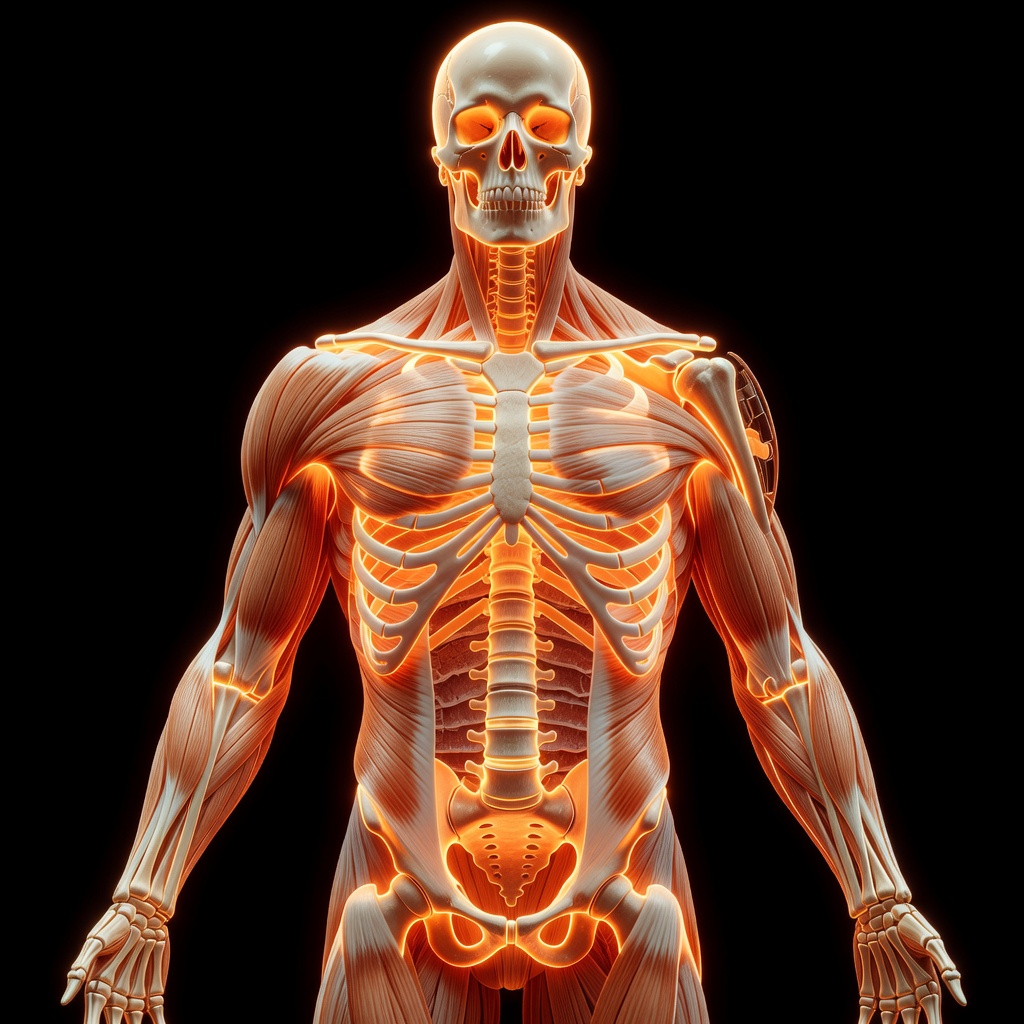
In the landscape of modern oncology, the prevailing narrative has long been dominated by genetic determinism—the idea that cancer is an unavoidable lottery of DNA mutations. However, a profound paradigm shift is occurring. At INNERSTANDING, we look beneath the surface of genetic noise to examine the fundamental bioenergetic terrain of the human body. One of the most critical, yet often overlooked, factors in the development of chronic disease is the Intracellular pH (pHi) and the maintenance of the Proton Gradient.
When we discuss "acidosis," we are not merely talking about a temporary dip in blood pH, which the body tightly regulates. We are discussing a localised, chronic state of extracellular acidosis that forces a radical metabolic adaptation within the cell. This article unveils how the subversion of pH regulation is not just a side effect of cancer, but a primary driver of its progression, invasion, and resistance to treatment.
The pH Paradox: A Tale of Two Environments
To understand how cancer thrives, one must first understand the delicate electrical and chemical balance of a healthy cell. In a state of homeostasis, a healthy human cell maintains an internal environment (pHi) that is slightly alkaline (around 7.2 to 7.4), while the surrounding extracellular fluid (pHe) is also slightly alkaline (around 7.4).
However, in the cancerous phenotype, this gradient is dramatically inverted. This is known as the pH Paradox.
- Cancerous Intracellular pH (pHi): Becomes slightly more alkaline (7.4 to 7.5).
- Cancerous Extracellular pH (pHe): Becomes significantly more acidic (6.5 to 6.9).
This inversion is not accidental. By pumping protons (H+) out of the cytoplasm and into the surrounding microenvironment, the cancer cell creates a protective, acidic "shield" that disarms the immune system and degrades the extracellular matrix, allowing the tumour to expand.
Key Fact: The transition from a healthy cell to a malignant one is characterised by the cell’s ability to actively export acid, creating a reversed proton gradient that facilitates survival in toxic conditions.
Biological Mechanisms: The Machinery of Acidosis
The shift toward an acidic microenvironment is driven by the Warburg Effect—a metabolic phenomenon where cells favour aerobic glycolysis over oxidative phosphorylation. Even in the presence of oxygen, cancer cells ferment glucose into lactic acid. This process generates a massive surplus of protons (H+) that would normally kill the cell if they remained inside.
The Proton Pumps: NHE1 and Carbonic Anhydrase IX
To prevent self-destruction from internal acidity, the cell activates specialised "pumps" and transporters. The most significant of these is the NHE1 (Sodium-Hydrogen Exchanger 1). This protein acts as a molecular gatekeeper, swapping internal protons for external sodium ions.
Furthermore, cancer cells overexpress Carbonic Anhydrase IX (CAIX), an enzyme that sits on the outer surface of the cell membrane. CAIX catalyses the hydration of carbon dioxide into bicarbonate and protons. This provides the cell with bicarbonate to neutralise its internal environment while dumping more acid into the external space.
The Role of Monocarboxylate Transporters (MCTs)
MCT1 and MCT4 are crucial for the export of lactate and protons. Without these transporters, the "metabolic waste" of the cancer cell would accumulate, leading to apoptosis (programmed cell death). By mastering this export system, the cancer cell transforms its waste into a weapon. The resulting extracellular acidosis acts as a selective pressure, killing off healthy cells while favouring the survival of the most aggressive, acid-resistant clones.
UK Context & Relevance: The Metabolic Crisis
In the United Kingdom, cancer rates continue to climb, with 1 in 2 people born after 1960 expected to be diagnosed with some form of the disease in their lifetime. While the NHS focuses heavily on early detection and pharmaceutical intervention, the metabolic terrain of the British population is largely ignored.
The modern British lifestyle is a perfect storm for metabolic acidosis. Our high-stress environments, combined with a diet high in ultra-processed foods (UPFs), lead to chronic systemic inflammation.
- Sedentary Behaviour: A lack of physical activity reduces lymphatic drainage and oxygenation, contributing to hypoxia—a state that triggers the proton pumps mentioned above.
- The "Western Diet": The UK consumes the highest amount of ultra-processed food in Europe. These foods are often void of alkalising minerals like magnesium and potassium, which are essential for buffering acid loads.
- Environmental Pollutants: Industrial toxins and heavy metals found in urban UK environments interfere with mitochondrial function, pushing cells toward fermented metabolism.
The NHS spends billions on treatments that target the "symptoms" of cancer (the tumours) without addressing the acidic milieu that allowed those tumours to grow in the first place.
Environmental Factors Driving the Proton Gradient
The cellular environment is a reflection of the larger external environment. Several factors contribute to the "un-tuning" of our biological pH:
1. Chronic Hypoxia
When tissues are deprived of oxygen—due to poor posture, shallow breathing, or cardiovascular inefficiency—cells are forced to switch to anaerobic metabolism. This produces a constant trickle of lactic acid, lowering the local pH and priming the tissue for cancerous adaptation.
2. Mineral Depletion
The soil in the UK has been significantly depleted of essential minerals over the last century. Minerals like Ca2+, Mg2+, and K+ are vital for neutralising metabolic acid. When the diet lacks these, the body must "borrow" them from the bones and organs, leading to a state of chronic, low-grade systemic acidosis.
3. Psychological Stress and Cortisol
Chronic stress triggers the release of cortisol, which increases blood glucose levels and promotes insulin resistance. This "floods" the cells with sugar, providing the raw fuel for the Warburg Effect and the subsequent production of protons.
"The tumour microenvironment is not just a byproduct of cancer; it is the laboratory where cancer is bred. If the soil is acidic, the weeds will grow."
Protective Strategies: Reclaiming Metabolic Control
To reverse the drivers of metabolic adaptation, one must focus on restoring the natural proton gradient and supporting the body's buffering systems. Here at INNERSTANDING, we advocate for a proactive, bio-logical approach:
Alkalising the Terrain
While the blood pH remains constant, we can influence the "interstitial" pH (the fluid between cells).
- Mineral Repletion: Supplementing with high-quality magnesium glycinate and potassium bicarbonate can provide the "buffers" needed to neutralise extracellular acid.
- Dietary Shift: Moving away from UPFs and toward a diet rich in chlorophyll-heavy leafy greens and cruciferous vegetables. These contain phytochemicals that inhibit the NHE1 and MCT transporters used by cancer cells.
Optimising Oxygenation
Since hypoxia drives the proton gradient toward acidosis, oxygen is the ultimate antidote.
- Breathwork: Deep, diaphragmatic breathing (such as the Buteyko or Wim Hof methods) can help regulate the CO2/O2 balance, influencing the carbonic anhydrase system.
- Movement: Regular, zone 2 cardiovascular exercise improves microcirculation, ensuring that protons are efficiently cleared from the tissues and metabolised by the liver and kidneys.
Metabolic Flexibility and Fasting
By engaging in Intermittent Fasting or a Ketogenic Diet, we starve the glycolytic pathway. When the cell is forced to burn fatty acids (ketones) for fuel, it produces significantly fewer protons than it does when fermenting glucose. This reduces the pressure on the proton pumps and can "re-set" the cellular pHi.
Stress Mitigation
Practices that lower the sympathetic nervous system's "fight or flight" response—such as meditation or grounding (Earthing)—directly impact cellular pH by reducing the glycolytic demand triggered by adrenaline and cortisol.
Key Takeaways: The Path Toward Innerstanding
Understanding the proton gradient is the key to unlocking a new era of health. Cancer is not a "glitch" in the system; it is a highly sophisticated survival mechanism adapted to an acidic, hypoxic, and nutrient-depleted environment.
- pH Inversion: Cancer cells flip the pH gradient, becoming alkaline inside and acidic outside to survive and invade.
- Metabolic Adaptation: Acidosis is a "selection pressure" that evolves healthy cells into aggressive phenotypes.
- The Warburg Effect: Glycolysis is the engine of proton production.
- The Solution is Systemic: We must address the terrain through mineralisation, oxygenation, and glucose management.
By refocusing our attention on the Intracellular pH and the bioenergetic health of our mitochondria, we move away from the fear of the "genetic lottery" and toward a position of empowerment. True health is found in maintaining the electrical and chemical gradients that allow life to flourish. It is time to stop fighting the tumour and start fixing the terrain.
Disclaimer: This article is for educational purposes only and does not constitute medical advice. Always consult with a qualified healthcare professional regarding any changes to your treatment plan or diet.
This article is provided for informational and educational purposes only. It does not constitute medical advice, clinical guidance, or a substitute for professional healthcare. Information reflects cited research at time of publication. Always consult a qualified healthcare professional before acting on any health information.
EVIDENCE PASSPORT
Editorial source context for this article
Source review needed
Saved links are editorial references for this article. They may support specific claims rather than every sentence. Open and assess each source in context. This passport does not independently verify them.
Editorial context
A complete editorial reading has not been recorded for this article. Source links remain available for you to open and assess directly.
Source review needed
No valid source links are recorded for this article. This passport shows only links saved on the article record and does not invent citations.
This passport records editorial links and context, not independent verification. Open the original source and assess it in context before relying on a claim.
Medical Disclaimer
The information in this article is for educational purposes only and does not constitute medical advice, diagnosis, or treatment. Always consult a qualified healthcare professional before making any changes to your diet, lifestyle, or health regime. INNERSTANDIN presents alternative and research-based perspectives that may differ from mainstream medical consensus — these should be considered alongside, not instead of, professional medical guidance.
Read Full DisclaimerContinue the thread
Keep this question moving.
Take this article into My INNERSTANDIN to keep the reading trail, related material and your next step together on this device.