
Kefir and the Psychobiotic Potential: Why Fermented Dairy Outperforms Standard Probiotics for Mental Clarity
Updated May 2026
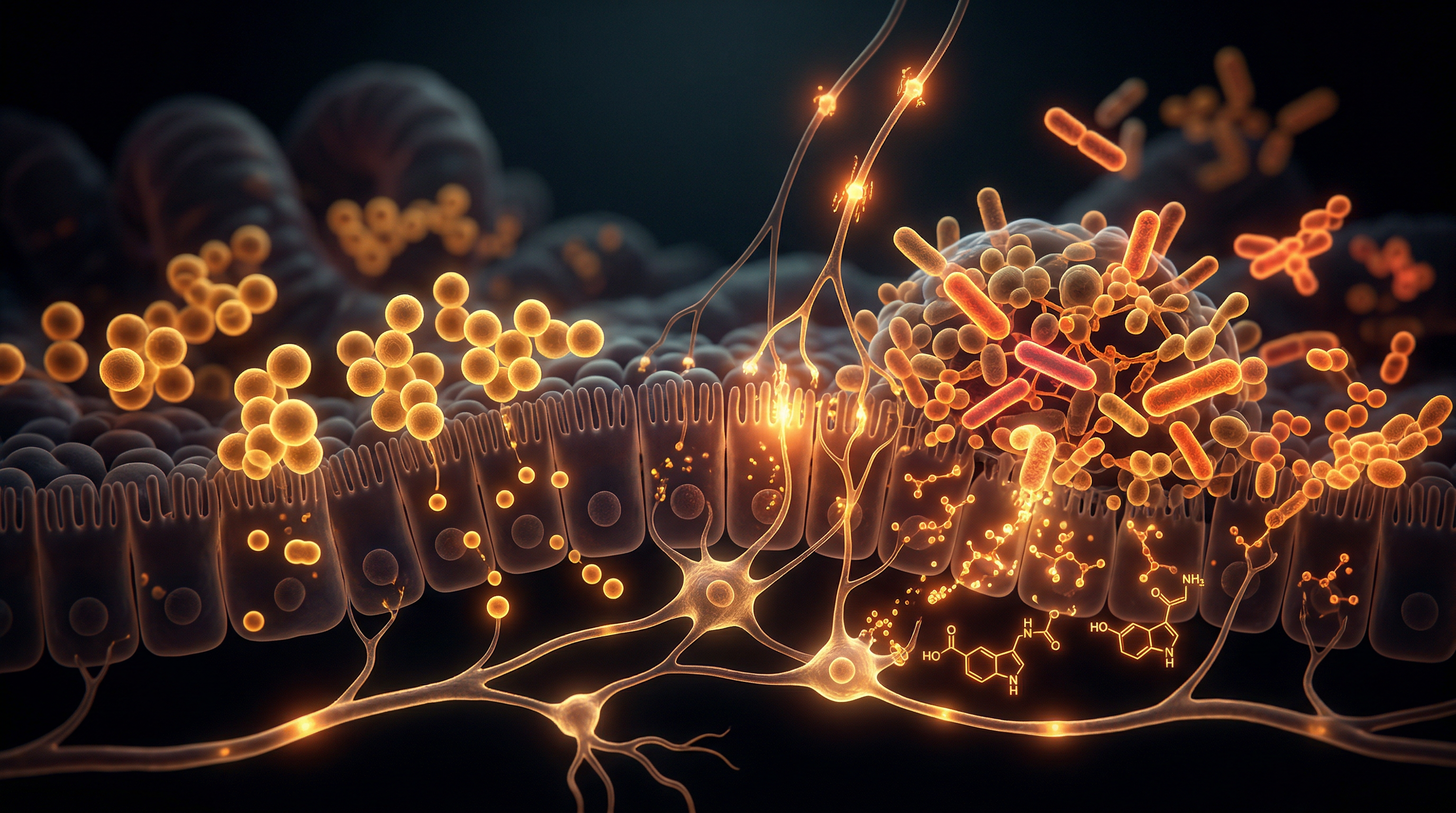
Kefir represents a unique symbiotic matrix of bacteria and yeasts that offers far greater microbial complexity than commercial probiotic capsules. This article explores how these living cultures interact with the vagus nerve to modulate mood and cognitive function.
Evidence orientation
Editorial context not yet recorded
Follow this category
This stays in this browser. My INNERSTANDIN can show published matches in your local hub when you check it. It does not send email, push, or alert notifications.
Local learning review
A private browser aid for revisiting ideas. It is not an alert or a health recommendation.
Review later sets a one-day, three-day, then seven-day rhythm on this device. Choose it only when you want to revisit this article.
Overview
In the modern landscape of British healthcare, we are witnessing a catastrophic paradox. Despite record levels of spending by the National Health Service (NHS) and an unprecedented availability of pharmaceutical interventions, the mental health of the nation is in precipitous decline. Anxiety, depression, and cognitive "brain fog" have become the default state for millions. For decades, the mainstream medical establishment has focused almost exclusively on the "chemical imbalance" theory of the brain, ignoring the biological engine that dictates our psychological reality: the human microbiome.
While the public has been steered toward expensive, shelf-stable probiotic capsules—multi-billion pound industries that promise "gut health" in a pill—the scientific truth is far more complex and far more ancient. We are currently in the midst of a psychobiotic revolution, where the frontier of neuroscience has moved from the cranium to the colon. At the heart of this revolution is Kefir, a fermented dairy matrix that is not merely a "health food," but a sophisticated biological technology.
Kefir represents a unique, self-organising SCOBY (Symbiotic Culture of Bacteria and Yeast) that offers a microbial density and diversity that standard probiotics cannot hope to replicate. While a high-end probiotic capsule might contain 10 or 15 isolated strains of bacteria, a traditional kefir grain contains upwards of 50 to 60 distinct species of bacteria and yeasts, suspended in a protective polysaccharide matrix known as kefiran.
This article aims to expose the biological superiority of this living ferment. We will explore how the complex interplay of Lactobacilli, Acetobacter, and Saccharomyces within kefir does more than just aid digestion; it actively modulates the Vagus Nerve, regulates the production of neurotransmitters like GABA and Serotonin, and serves as a primary defence against the neuroinflammatory "cytokine storms" that define modern psychiatric distress. This is the manual for reclaiming your biological sovereignty through the power of authentic, living psychobiotics.
UK Mental Health Fact: According to recent data, 1 in 4 people in the UK will experience a mental health problem each year, yet fewer than 10% of these cases are investigated for underlying nutritional or microbial deficiencies.
##
##
The Biology — How It Works
To understand why kefir outperforms the standardised probiotic industry, one must understand the difference between an isolate and an ecosystem. Most commercial probiotics are manufactured using a "directed evolution" process in a laboratory, where individual strains are grown in isolation and then freeze-dried. When you ingest these, they are often "transient"—they pass through the system without colonising, or worse, they lack the co-factors necessary to survive the harsh acidity of the stomach.
Kefir is different. It is a living matrix. The kefir grain is a complex structure of proteins, lipids, and a unique soluble fibre called kefiran. This matrix acts as a biological "shield," protecting the delicate microbes as they transit through the stomach's hydrochloric acid.
The Symbiotic Matrix
The biology of kefir is governed by a cooperative relationship between Lactic Acid Bacteria (LAB), Acetic Acid Bacteria (AAB), and Yeasts. Unlike yogurt, which typically only contains two or three strains (usually Lactobacillus bulgaricus and Streptococcus thermophilus), kefir is a powerhouse of diversity. Key players include:
- Lactobacillus kefiri: A strain unique to kefir that has been shown to inhibit the growth of pathogens like Salmonella and Helicobacter pylori.
- Lactobacillus helveticus: Renowned for its ability to produce bioactive peptides that lower blood pressure and reduce cortisol levels.
- Kluyveromyces marxianus: A yeast that assists in the breakdown of lactose and contributes to the "effervescent" nature of the drink, while also producing precursors for B-vitamins.
The Fermentation Pathway
During the fermentation process, these microbes consume the lactose (milk sugar) and convert it into a variety of metabolites. This is not just "souring" milk; it is a pre-digestion process. The microbes produce exopolysaccharides, organic acids, and most importantly, neuroactive metabolites. As the bacteria "eat," they release enzymes like β-galactosidase, which makes kefir digestible even for those who are traditionally lactose intolerant. This biological transformation ensures that the nutrients are bioavailable, providing the brain with the raw materials it needs for repair and signalling.
The Vagus Nerve Connection
The most profound biological feature of kefir is its interaction with the Vagus Nerve (the tenth cranial nerve). This nerve acts as a bidirectional "superhighway" between the gut and the brain. Research into the Enteric Nervous System (ENS), often called the "Second Brain," shows that 90% of the fibres in the Vagus Nerve are sensory, meaning they carry information from the gut to the brain.
When you consume the diverse microbes found in kefir, they stimulate the enteroendocrine cells of the gut lining. These cells then signal the Vagus Nerve to release acetylcholine, a neurotransmitter that dampens inflammation throughout the body. Furthermore, specific strains found in kefir, such as Lactobacillus reuteri, have been shown to directly increase the firing rate of the Vagus Nerve, which in turn promotes a state of "rest and digest," counteracting the chronic "fight or flight" response prevalent in modern society.
Biological Insight: The gut contains over 500 million neurons—more than the spinal cord. This network is almost entirely dependent on microbial metabolites to function correctly.
##
##
Mechanisms at the Cellular Level
When we move beyond the macro-view of the Vagus Nerve, we find that the psychobiotic potential of kefir is rooted in deep cellular and molecular mechanisms. These mechanisms involve the regulation of neuroplasticity, the modulation of the HPA axis (Hypothalamic-Pituitary-Adrenal axis), and the control of systemic inflammation.
The GABAergic System
Gamma-Aminobutyric Acid (GABA) is the primary inhibitory neurotransmitter in the human brain. It is the "brake" that prevents over-excitation, anxiety, and insomnia. Many pharmaceutical anti-anxiety medications (such as benzodiazepines) work by increasing GABA activity. However, kefir microbes—specifically Lactobacillus brevis and Bifidobacterium dentium—are natural GABA producers.
Through the decarboxylation of glutamate (an excitatory neurotransmitter), these bacteria synthesise GABA directly within the gut. While the "blood-brain barrier" (BBB) is often cited as a reason why gut-produced GABA cannot reach the brain, the truth is more nuanced. Gut-produced GABA interacts with the enteric plexus, which signals the brain via the Vagus Nerve to increase GABA receptor expression in the prefrontal cortex and amygdala. This is why kefir consumption is often associated with a profound sense of "calm" and "clarity."
BDNF and Neuroplasticity
One of the most exciting areas of psychobiotic research is the modulation of Brain-Derived Neurotrophic Factor (BDNF). BDNF is essentially "fertiliser" for the brain; it encourages the growth of new neurons and strengthens existing synaptic connections. Low levels of BDNF are a hallmark of depression and neurodegenerative diseases like Alzheimer's.
Kefir consumption has been linked to increased levels of BDNF in the hippocampus, the brain's centre for memory and emotional regulation. This occurs through the production of Short-Chain Fatty Acids (SCFAs), primarily Butyrate. As kefir microbes ferment the prebiotic fibres in the gut, they release butyrate, which acts as a Histone Deacetylase (HDAC) inhibitor. This epigenetic action "turns on" the genes responsible for BDNF production, effectively allowing the brain to repair itself from the cellular level up.
The Tryptophan-Serotonin Pathway
The majority of the body's Serotonin (the "feel-good" hormone) is produced in the gut, not the brain. However, the production of Serotonin is dependent on the availability of the amino acid Tryptophan. In a state of dysbiosis or inflammation, Tryptophan is often diverted down the Kynurenine pathway, leading to the production of Quinolinic acid—a potent neurotoxin that causes "brain fog" and depression.
Kefir microbes intervene in this pathway. By reducing systemic inflammation, they ensure that Tryptophan is used for Serotonin synthesis rather than neurotoxic Kynurenines. This is a primary reason why kefir is biologically superior to standard probiotics; it doesn't just add bacteria; it re-aligns the entire metabolic pathway of neurochemistry.
Key Enzyme: Indoleamine 2,3-dioxygenase (IDO) is the enzyme that steals tryptophan for the kynurenine pathway. Kefir's anti-inflammatory peptides actively inhibit IDO, preserving tryptophan for serotonin production.
##
##
Environmental Threats and Biological Disruptors
The reason we require the intensive microbial support of kefir is that our "biological terrain" is under constant assault. In the UK, we live in an environment that is effectively "anti-life" from a microbial perspective. Modern living has created a "sterile womb" that is paradoxically making us sicker.
The Antibiotic Aftermath
The over-prescription of broad-spectrum antibiotics by the NHS over several decades has decimated the ancestral microbiomes of the British public. A single course of antibiotics can wipe out entire species of beneficial bacteria, some of which may never return without targeted intervention. This creates a "biological vacuum" that is often filled by opportunistic pathogens like Candida albicans or Clostridium difficile.
Glyphosate and the Food Supply
In the UK, the widespread use of Glyphosate-based herbicides (such as Roundup) in industrial agriculture poses a direct threat to the gut-brain axis. While the agricultural industry argues that glyphosate is safe because it targets the Shikimate pathway—a metabolic pathway not found in humans—this is a half-truth that hides a biological catastrophe.
The microbes in our gut do possess the Shikimate pathway. When we consume glyphosate residues in wheat, oats, and industrial dairy, we are effectively ingesting a "low-dose antibiotic" that selectively kills our most beneficial psychobiotic bacteria. This disruption leads to a leaky gut and, subsequently, a leaky brain.
Chlorinated Water and Emulsifiers
The Environment Agency and UK water companies heavily chlorinate our tap water to prevent bacterial outbreaks. While this is necessary for sanitation, the residual chlorine is highly effective at killing the delicate microbes in our upper digestive tract. Furthermore, the Food Standards Agency (FSA) allows for a wide range of emulsifiers (like Polysorbate 80 and Carboxymethylcellulose) in ultra-processed foods. These chemicals act like detergents, stripping away the protective mucus layer of the gut and exposing the immune system to bacterial toxins.
The Impact of Blue Light and Circadian Disruption
While not a chemical toxin, the chronic exposure to artificial blue light from screens disrupts the circadian rhythms of our gut bacteria. Our microbes have their own "body clocks," and when these are disrupted, they produce fewer metabolites like Butyrate. This creates a cycle of poor sleep and poor gut health, further degrading mental clarity.
##
##
The Cascade: From Exposure to Disease
What happens when these environmental threats overwhelm our biological defences? The result is a predictable, devastating cascade that leads from mild cognitive impairment to chronic mental and physical illness.
Stage 1: Dysbiosis and Intestinal Permeability
The cascade begins with Dysbiosis—an imbalance where pathogenic bacteria outnumber beneficial ones. These pathogens release Lipopolysaccharides (LPS), also known as Endotoxins. In a healthy gut, the "tight junctions" between cells prevent LPS from entering the bloodstream. However, under the assault of glyphosate, emulsifiers, and stress, these junctions fail. This is Leaky Gut Syndrome.
Stage 2: Systemic Endotoxaemia
Once LPS enters the bloodstream, it triggers a systemic immune response. The liver tries to filter these toxins, but if the load is too high, they circulate throughout the body. LPS is highly inflammatory and can cross the Blood-Brain Barrier.
Stage 3: Microglial Activation and Neuroinflammation
Inside the brain, the resident immune cells—Microglia—detect the presence of LPS. In a healthy state, microglia are "surveying" and protective. But when "primed" by endotoxins, they switch into a pro-inflammatory state, releasing cytokines like IL-6 and TNF-alpha. This neuroinflammation is the "fire" that causes brain fog, lethargy, and the "sickness behaviour" that we clinically label as clinical depression.
Stage 4: The Degradation of the Blood-Brain Barrier
Chronic neuroinflammation eventually weakens the Blood-Brain Barrier itself. This allows even more toxins and immune cells into the brain, creating a feedback loop of destruction. This cascade is now being linked by researchers to the development of neurodegenerative conditions and chronic neuropsychiatric disorders that are resistant to traditional medication.
Alarming Statistic: Studies have shown that patients with major depressive disorder have significantly higher levels of LPS-binding protein in their blood, indicating that their "mental" illness is actually a physical reaction to gut-derived toxins.
##
##
What the Mainstream Narrative Omits
The mainstream medical and pharmaceutical narrative in the UK has a vested interest in maintaining the status quo. The "chemical imbalance" model of mental health is highly profitable; it requires a lifetime of prescription refills. However, this model ignores the Root Cause.
The Failure of the Monoculture Probiotic
The mainstream health industry pushes "shelf-stable" probiotics because they are easy to distribute and have a long shelf-life. However, these are often monocultures or simple blends that lack the "biological intelligence" of a fermented matrix. They are the "fast food" of the microbial world. They do not contain the postbiotics (the metabolites) or the paraprobiotics (the beneficial cell wall fragments) that are found in a litre of traditionally made kefir.
The Suppression of Traditional Wisdom
There is a profound omission of the history of Elie Metchnikoff, the Nobel Prize-winning scientist who first identified the longevity of Bulgarian peasants and attributed it to fermented milk. Metchnikoff's work on "orthobiosis"—the correct way of living—was sidelined in favour of the "Germ Theory" and the subsequent rise of the antibiotic era. We have been taught to fear all bacteria, failing to recognise that we are more microbe than human.
The Profitability of "Symptom Management"
The MHRA (Medicines and Healthcare products Regulatory Agency) regulates substances as medicines if they claim to treat or cure a disease. This makes it difficult for producers of traditional fermented foods to market the genuine health benefits of kefir without facing legal repercussions. Consequently, the public is left with vague marketing terms like "gut-friendly," while the deep psychobiotic potential of these foods remains "unproven" in the eyes of regulatory bureaucracy—despite thousands of years of traditional use and burgeoning clinical evidence.
##
##
The UK Context
In the United Kingdom, we face specific challenges and opportunities regarding the psychobiotic revolution. Our history as a dairying nation has been marred by industrialisation, but a resurgence in traditional methods is offering a path back to health.
The State of British Dairy
Most milk found in UK supermarkets is homogenised and pasteurised at high temperatures (HTST). While this makes milk "safe" for long-distance transport, it destroys the native enzymes (like phosphatase) and alters the protein structure, making it harder to digest. Furthermore, the standardisation of dairy has led to a loss of microbial diversity in the starting milk itself.
The Raw Milk Debate
The UK is one of the few places where the sale of Raw (Unpasteurised) Milk is legal (in England and Wales, though banned in Scotland for direct sale). Raw milk is the ideal medium for kefir because it contains its own "bio-active" properties, including immunoglobulins and lactoferrin, which work synergistically with kefir grains. However, the Food Standards Agency (FSA) maintains strict controls and often issues warnings against its consumption, reflecting the mainstream "fear of the microbe."
The "Hygiene Hypothesis" in the UK
The UK's obsession with antibacterial sprays and hand sanitisers—accelerated by recent global events—has led to an "extinction event" in the domestic microbiome. We are "too clean" for our own good. Our children are growing up with "impoverished" microbiomes, leading to a rise in asthma, allergies, and ADHD. Kefir represents a way to "re-wild" the internal landscape of the British population.
NHS and the Potential for Savings
If the NHS were to incorporate psychobiotic protocols—specifically the use of traditional ferments—into mental health care, the potential cost savings would be astronomical. Moving from a model of "pills for every ill" to "ferments for the ferment-less" could address the root cause of the mental health crisis that is currently bankrupting our healthcare system.
##
##
Protective Measures and Recovery Protocols
Reclaiming your mental clarity through kefir requires more than just buying a "kefir-style" drink from the supermarket. Most commercial "kefir" drinks in the UK are "mock-ferments"—they are pasteurised milk with a few probiotic strains added back in. To harness the true psychobiotic potential, one must return to the Traditional Method.
1. Sourcing and Fermenting Genuine Grains
- Obtain Live Grains: Do not use "powdered starters." You need "Live Kefir Grains" (the SCOBY). These are available through local fermentation communities or specialist UK suppliers.
- The Milk Choice: Use the highest quality milk available. Ideally, Organic, Unhomogenised, or Raw milk from grass-fed cows (A2 protein milk, such as that from Guernsey or Jersey cows, is often better tolerated).
- The 24-Hour Cycle: Ferment the grains in milk at room temperature for 18 to 24 hours. This allows the microbes to fully metabolise the lactose and produce the complex array of SCFAs and neurotransmitters.
2. The "Secondary Ferment" Protocol
For maximum psychobiotic benefit, perform a Secondary Fermentation. After removing the grains, let the finished kefir sit at room temperature for another 12 hours with a piece of citrus peel or a cinnamon stick. This process:
- Increases the levels of B-vitamins (specifically B1, B12, and K2).
- Further reduces any residual lactose.
- Increases the bioavailability of magnesium and calcium, which are essential for neurotransmitter function.
3. Dosage and Titration
If your gut is highly "sterile" or dysbiotic, starting with large amounts of kefir can cause a Herxheimer Reaction (a "die-off" effect where pathogenic bacteria release toxins as they die).
- Week 1: Start with 1-2 tablespoons per day.
- Week 2: Increase to half a glass.
- Week 3+: Aim for 250ml to 500ml per day.
- Consistency is Key: The Vagus Nerve requires consistent signalling to "re-wire" the brain's stress response.
4. Protecting the Colony
Once you have introduced these beneficial microbes, you must protect them:
- Filter Your Water: Use a high-quality water filter (like a Berkey or a reverse osmosis system) to remove chlorine and fluoride from your drinking water.
- Eliminate UPFs: Avoid emulsifiers and artificial sweeteners (sucralose, aspartame), which act as "microbial toxins."
- Embrace Prebiotics: Feed your new "guests" with diverse fibres from leeks, onions, garlic, and cold potatoes (resistant starch).
5. Synergy with Sunlight
Microbes respond to light. Consuming your kefir in the morning and then exposing your eyes (and skin) to natural morning sunlight helps synchronise the Circadian Rhythm of your gut bacteria, enhancing the production of melatonin (derived from the serotonin your gut bugs helped produce).
##
##
Summary: Key Takeaways
The path to mental clarity is not found in a pharmacy, but in the profound biological synergy of a 2,000-year-old fermented culture. We must recognise that our brains are not isolated organs, but are the "downstream" recipients of the health of our "upstream" microbial ecosystem.
- Kefir is a Living Shield: Its unique polysaccharide matrix (kefiran) ensures the delivery of diverse, living microbes to the lower gastrointestinal tract, a feat standard probiotics rarely achieve.
- The Vagus Nerve is the Key: By modulating the Vagus Nerve, kefir switches the body from a state of chronic inflammation (stress) to a state of repair (clarity).
- Neurotransmitter Mastery: Kefir is a biological factory for GABA, Serotonin, and BDNF, providing the brain with the chemical architecture for resilience and cognitive sharpness.
- The Environmental War: We must actively defend our microbiome against the UK's environmental toxins—glyphosate, chlorine, and ultra-processed additives.
- Biological Sovereignty: By mastering the art of home-fermentation, you bypass the industrial-medical complex and take direct control of your own neurochemistry.
The psychobiotic potential of kefir represents a return to biological truth. In an age of artificiality and cognitive decline, the simple act of culturing and consuming this ancient symbiotic matrix is an act of rebellion—and the most effective tool we have for restoring the clarity and brilliance of the human mind. We are not just eating food; we are cultivating an internal garden that dictates our very perception of reality. Choose to cultivate clarity.
This article is provided for informational and educational purposes only. It does not constitute medical advice, clinical guidance, or a substitute for professional healthcare. Information reflects cited research at time of publication. Always consult a qualified healthcare professional before acting on any health information.
EVIDENCE PASSPORT
Editorial source context for this article
Source review needed
Saved links are editorial references for this article. They may support specific claims rather than every sentence. Open and assess each source in context. This passport does not independently verify them.
Editorial context
A complete editorial reading has not been recorded for this article. Source links remain available for you to open and assess directly.
Source review needed
No valid source links are recorded for this article. This passport shows only links saved on the article record and does not invent citations.
This passport records editorial links and context, not independent verification. Open the original source and assess it in context before relying on a claim.
Medical Disclaimer
The information in this article is for educational purposes only and does not constitute medical advice, diagnosis, or treatment. Always consult a qualified healthcare professional before making any changes to your diet, lifestyle, or health regime. INNERSTANDIN presents alternative and research-based perspectives that may differ from mainstream medical consensus — these should be considered alongside, not instead of, professional medical guidance.
Read Full DisclaimerContinue the thread
Keep this question moving.
Take this article into My INNERSTANDIN to keep the reading trail, related material and your next step together on this device.
Explore this in the Body Map
See where this hits your biology. Interactive anatomy, threats, and protective protocols.
Dig deeper in the Library
Free, longform PDF volumes that go beyond headlines into mechanisms and references.