Keratin and Collagen Production: Building the Structural Foundation of the Strand
Keratin provides the structure, while collagen supports the dermal papilla surrounding the follicle. Learn how to optimise the intake of amino acids and silica for superior hair strength.
Overview
In the realm of modern aesthetics, hair is often reduced to a cosmetic accessory—a fabric to be dyed, heated, and chemically coerced into compliance. At INNERSTANDING, we reject this superficial reductionism. To understand the "strand" is to understand the complex bio-synthetic factory residing within the scalp. Hair is not merely dead protein; it is a biological readout of your internal physiological state, a crystalline structure forged from the blood’s nutrient supply.
The structural integrity of hair rests upon two primary pillars: Keratin, the fibrous protein that constitutes the shaft, and Collagen, the structural scaffolding that anchors the follicle within the dermis. When these two systems are compromised, we see the familiar "British epidemic" of thinning, brittleness, and premature miniaturisation of the follicle.
The mainstream beauty industry spends billions annually on "topical solutions" that attempt to glue the hair cuticle back together. This is a fundamental misunderstanding of biological reality. Strength is built from the inside out, through the precise orchestration of amino acids, trace minerals like Silica, and the hormonal signals that govern protein synthesis. This article serves as an authoritative guide to the structural biology of hair, exposing the mechanisms that the commercial industry ignores and providing a roadmap for genuine, biological restoration.
INNERSTANDING Fact: According to the British Association of Dermatologists, approximately 8 million women in the UK experience some form of hair loss (alopecia). Despite this, less than 5% of UK GP consultations for hair loss involve comprehensive nutritional screening for trace minerals like Silica or specific sulfur-bearing amino acids.
---
The Biology — How It Works
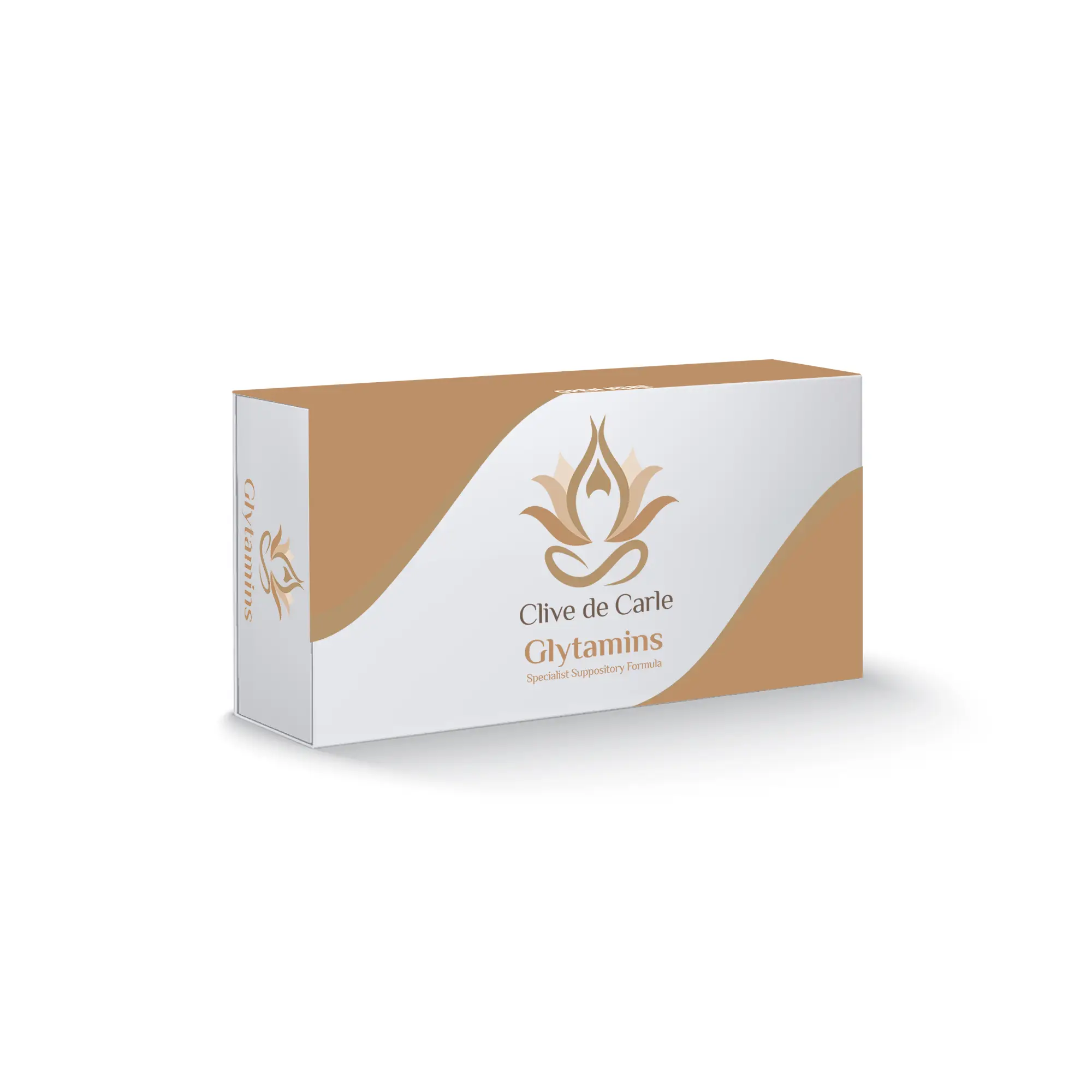
Glytamins Suppositories – Specialist Suppository Formula
A practitioner-strength suppository designed to support liver and gallbladder health by bypassing the digestive system for maximum absorption. This formula uses targeted amino acids and botanicals to assist the body's natural bile production and detoxification pathways.
Vetting Notes
Pending
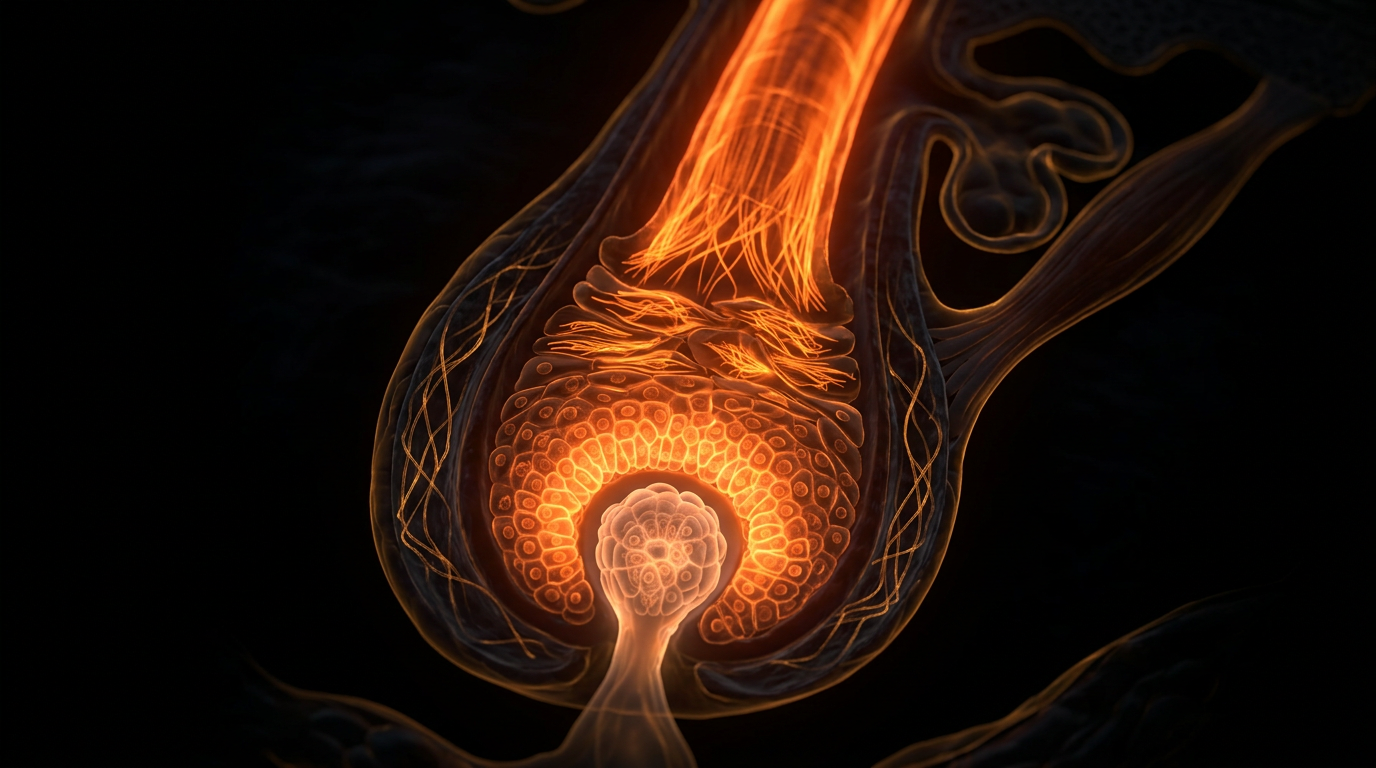
To master hair health, one must first understand the architecture. The hair follicle is one of the most metabolically active tissues in the human body. Every strand is produced by a biological engine called the Dermal Papilla, located at the base of the follicle.
The Keratin Matrix
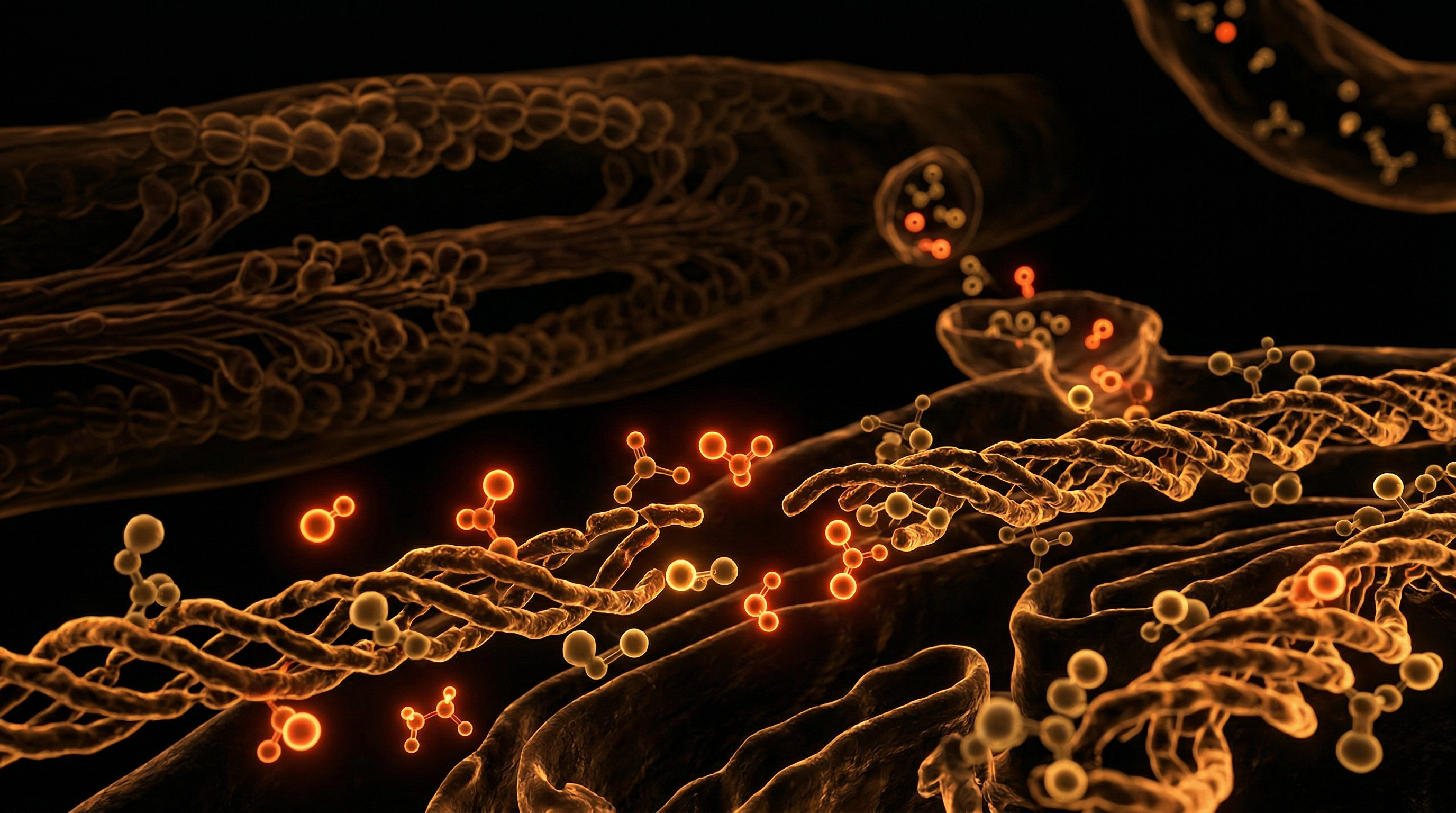
Keratin is a family of fibrous structural proteins. In human hair, we are primarily concerned with "hard" alpha-keratins. Unlike the "soft" keratin found in our skin, hair keratin is highly enriched with the amino acid Cysteine.
The strength of the hair strand is determined by Disulfide Bridges. These are covalent bonds between the sulfur atoms of cysteine molecules. Think of these bridges as the "rungs" on a ladder; the more rungs you have, and the stronger they are, the more tension the hair can withstand. When these bonds are broken—whether by harsh UK tap water minerals or chemical treatments—the "ladder" collapses, leading to breakage and split ends.
The Collagen Scaffold
A common misconception is that hair is made of collagen. It is not. However, the follicle *resides* in a bed of collagen. The extracellular matrix (ECM) surrounding the dermal papilla is composed primarily of Type I and Type III Collagen.
Furthermore, Type IV and Type VII Collagen are essential for the basement membrane—the "glue" that keeps the hair follicle attached to the blood supply. If this collagenous foundation weakens, the follicle undergoes "miniaturisation." It loses its grip, shrinks in size, and eventually produces "vellus" hair (peach fuzz) instead of "terminal" hair (strong, thick strands).
The Role of the Dermal Papilla
The dermal papilla is the "brain" of the hair. It regulates the hair cycle (Anagen, Catagen, Telogen). Its health is entirely dependent on its ability to synthesise proteins. This requires a constant stream of ATP (energy) and a specific ratio of building blocks. Without the correct bio-available silica and amino acid profile, the dermal papilla cannot signal the production of a thick keratin cortex.
---
Mechanisms at the Cellular Level
At the cellular level, hair growth is a feat of rapid protein synthesis. Within the follicle, keratinocytes (cells that produce keratin) divide rapidly. As they move upward, they undergo a process called cornification, where they fill with keratin and lose their nuclei.
The Sulfur-Silica Connection
The "secret" to superior hair strength lies in the cross-linking of proteins. While sulfur provides the disulfide bonds, Silica (Silicon Dioxide) acts as a biological "architect."
Silica does not just sit in the hair; it facilitates the interaction between amino acids and the keratin matrix. It increases the rate of collagen synthesis by activating hydroxylating enzymes. At the cellular level, silica is found in the highest concentrations in areas of active calcification and protein formation. It ensures that the keratin molecules are aligned in a way that maximizes tensile strength.
Amino Acid Transport
The production of hair requires a "Luxury Tax" of amino acids. The body views hair as non-essential for survival. Therefore, the Amino Acid Pool must be overflowing before the body allocates high-quality proteins to the scalp.
- —L-Cysteine: The rate-limiting step in keratin production.
- —L-Methionine: An essential amino acid that provides the sulfur needed for cysteine synthesis. It also prevents oxidative stress in the follicle.
- —L-Lysine: Found in the inner root sheath, essential for shape and volume.
Fibroblast Activation
Collagen is produced by cells called fibroblasts. These cells are sensitive to mechanical tension and chemical signals. In the presence of Vitamin C (as a cofactor) and Silica, fibroblasts increase the production of pro-collagen. This pro-collagen is then exported from the cell and woven into the sturdy fibers that support the follicle's structure.
---
Environmental Threats and Biological Disruptors
The modern UK environment is hostile to the structural integrity of hair. We are currently facing an unprecedented "Mineral Robbery" caused by environmental stressors that deplete the body’s building blocks.
The Hard Water Crisis
Over 60% of the UK, particularly London and the South East, is served by Hard Water. Hard water is saturated with Calcium and Magnesium carbonates. While these minerals are fine for ingestion, topically they are devastating. Calcium deposits (calcification) can occur at the opening of the follicle, effectively "strangling" the hair as it emerges. Furthermore, heavy metals like Copper and Lead found in old UK piping can oxidise the keratin, breaking those precious disulfide bonds and causing "rust-like" brittleness.
INNERSTANDING Fact: Studies on UK domestic water supplies show that residents in "Very Hard" water areas (above 200mg/L of calcium carbonate) report a 20% higher incidence of hair breakage compared to those in "Soft" water areas like Scotland or Wales.
The "Stress-Cortisol" Leak
The UK’s high-stress corporate and social landscape leads to chronic elevations in Cortisol. Cortisol is "catabolic," meaning it breaks down tissues. High cortisol levels inhibit the production of hyaluronic acid and collagen in the scalp, leading to a "tightening" of the skin that restricts blood flow to the dermal papilla.
Soil Depletion and the Nutrient Gap
We are eating more but nourished less. UK intensive farming practices over the last 60 years have led to a staggering decline in soil minerals. Silica and Selenium levels in British-grown produce have plummeted. If the mineral isn't in the soil, it isn't in the carrot; if it isn't in the carrot, it isn't in your follicle.
---
The Cascade: From Exposure to Disease
The path from a healthy follicle to a diseased or dormant one is a predictable cascade. It does not happen overnight; it is the result of "Biological Erosion."
Phase 1: Nutrient Diversion
When the body is under stress or lacks a full amino acid profile, it diverts nutrients to the heart, brain, and liver. Hair growth slows. The Anagen (growth) phase is shortened. You notice more hair in the brush—this is the first sign that the keratin "factory" is under-resourced.
Phase 2: Structural Weakening
As the sulfur supply (Cysteine/Methionine) dwindles, the disulfide bonds in the new hair growth become sparse. The hair emerges thinner and "limp." This is often misdiagnosed as "ageing," when it is actually Sub-clinical Protein Malnutrition.
Phase 3: Follicular Miniaturisation
Without sufficient collagen support in the ECM, the follicle begins to shrink. The blood vessels (capillaries) that feed the hair begin to retreat. This is where we see the transition from healthy hair to the "fuzz" associated with late-stage thinning.
Phase 4: Fibrosis and Dormancy
In the final stage, the empty follicle becomes filled with scar tissue (fibrosis). Once the "anchor" (collagen) is replaced by "scar" (disorganised tissue), the follicle is often permanently shuttered. The mainstream narrative calls this "Male/Female Pattern Baldness," ignoring the years of nutritional and environmental neglect that led to the fibrosis.
---
What the Mainstream Narrative Omits
The UK beauty and pharmaceutical industries are built on "Maintenance," not "Cure." There are several "Inconvenient Truths" about hair health that are systematically omitted from mainstream dermatological advice.
The Bioavailability Lie
Most high-street "Hair, Skin, and Nails" vitamins use the cheapest forms of nutrients. For example, they may use Inorganic Silica (sand) which has an absorption rate of less than 1%. At INNERSTANDING, we highlight the necessity of Orthosilicic Acid or plant-derived silica (from Bamboo or Horsetail), which the body can actually utilise at a cellular level.
The Silicone Scam
Mainstream conditioners use Silicones (like Dimethicone) to give the *illusion* of health. Silicones are synthetic polymers that coat the hair, smoothing the cuticle temporarily. However, they create a plastic-like seal that prevents moisture from entering and blocks the scalp from respiring. They provide a "fake" shine while the internal keratin structure continues to rot.
The Underestimation of Sulfur
Mainstream nutritionists often overlook the role of Sulfur. Because there is no "RDA" (Recommended Dietary Allowance) for sulfur, it is ignored. Yet, hair is one of the most sulfur-rich tissues in the body. Without focusing on MSM (Methylsulfonylmethane) or sulfur-rich cruciferous vegetables, you cannot build a strong keratin matrix.
The Iron-Ferritin Gap
The NHS often checks "Haemoglobin" to test for anaemia. However, for hair growth, Ferritin (stored iron) is the metric that matters. A British woman can have "normal" haemoglobin but "low" ferritin (below 70ng/mL), which is the primary trigger for chronic telogen effluvium (shedding). The mainstream narrative rarely addresses this distinction.
---
The UK Context
The UK presents a unique set of challenges for hair biology. Our geography, history, and modern infrastructure play a significant role in the "British Hair Crisis."
The "North-South" Mineral Divide
There is a literal map of hair health in the UK. The "Soft Water" regions (the North, Scotland, and parts of the West) generally have populations with less topical mineral buildup on the hair. Conversely, the "Hard Water" regions of the South and East face constant "Mineral Calcification."
INNERSTANDING Fact: A 2021 study on UK soil health by the Sustainable Soils Alliance found that some UK agricultural soils have lost up to 40-60% of their organic matter and mineral density since the 1940s. This directly correlates with the rise in trace mineral deficiencies observed in the UK population.
The British Diet and "Hidden Hunger"
Despite our wealth, the UK has one of the highest consumptions of Ultra-Processed Foods (UPFs) in Europe. UPFs are "anti-nutrients"—they require more minerals to process than they provide. The "Tea and Toast" culture, while comforting, is devoid of the high-density amino acids and silica required for structural keratin synthesis.
NHS Limitations
The NHS is a "Sickness Service," not a "Wellness Service." Hair loss is often classified as "cosmetic" and therefore low priority. This means most Brits are left to navigate the murky waters of "Big Beauty" marketing without a biological compass.
INNERSTANDING Fact: The average wait time for a dermatology referral in the UK for non-cancerous conditions (like alopecia) currently exceeds 18 weeks in many NHS trusts. By the time a patient is seen, the follicular miniaturisation is often advanced.
---
Protective Measures and Recovery Protocols
To build a "structural foundation," one must adopt a multi-modal approach. We must stop treating the hair as an external object and start treating it as an internal output.
1. The Amino Acid Loading Protocol
To bypass the "Non-Essential" diversion of nutrients, you must saturate the amino acid pool.
- —Targeted Supplementation: Focus on L-Cysteine and L-Methionine.
- —MSM (Methylsulfonylmethane): This is a bio-available form of sulfur. Supplementing with 2000mg–5000mg daily can significantly increase the "hardness" of the keratin shaft.
- —Collagen Peptides: While collagen is broken down into amino acids, specific Bioactive Collagen Peptides have been shown to signal fibroblasts in the scalp to increase their own collagen production.
2. The Silica Revolution
Replace synthetic coatings with internal structural support.
- —Bamboo Extract: Bamboo is the richest known botanical source of silica (up to 70%). This is far superior to Horsetail or inorganic supplements.
- —Orthosilicic Acid: If using a liquid supplement, ensure it is in the "monomeric" form for maximum absorption.
3. Neutralising the UK Environment
- —Chelating Filters: If you live in a hard water area (London, Reading, Brighton), a standard shower filter is not enough. You need a Chelating Filter specifically designed to remove heavy metals and calcium.
- —Apple Cider Vinegar (ACV) Rinses: An old British remedy with biological merit. The acidity of ACV helps to dissolve the mineral "film" left by hard water, allowing the cuticle to lay flat and protecting the internal keratin.
4. Scalp Micro-Circulation
Collagen and keratin cannot be built without a blood supply.
- —Mechanical Stimulation: Daily scalp massage for 4 minutes has been clinically shown to increase hair thickness by stretching the dermal papilla cells, which signals them to produce more keratin.
- —Rosemary Oil: Studies (some conducted in UK universities) have shown that Rosemary oil can be as effective as 2% Minoxidil at increasing scalp circulation without the side effects of pharmaceutical drugs.
5. The "Anti-Miniaturisation" Diet
- —Zinc-Copper Balance: These minerals are antagonistic. High zinc (often found in generic hair supplements) can deplete copper. Copper is essential for the Lysyl Oxidase enzyme, which cross-links collagen and elastin. Aim for a 10:1 ratio.
- —Vitamin C: Essential for "Proline Hydroxylation" in collagen synthesis. Without it, the collagen fibers are "weak" and cannot support the follicle.
INNERSTANDING Fact: In a survey of 1,000 UK residents, only 12% were aware that the mineral content of their local water supply could be a primary cause of hair breakage and thinning.
---
Summary: Key Takeaways
The structural foundation of the strand is a complex interplay of bio-chemistry, mineralogy, and environmental awareness. To achieve superior hair strength, one must move beyond the "shampoo-deep conditioner" cycle and address the cellular requirements of the follicle.
- —Keratin is about Sulfur: Ensure a high intake of sulfur-bearing amino acids (Cysteine/Methionine) and MSM.
- —Collagen is the Anchor: Support the dermal papilla's extracellular matrix with Vitamin C, Silica, and Bioactive Peptides.
- —Silica is the Architect: Use high-bioavailability Bamboo extract or Orthosilicic acid to facilitate the cross-linking of the keratin matrix.
- —The UK Environment is a Disruptor: Neutralise the effects of Hard Water and soil depletion through targeted filtration and mineral-dense nutrition.
- —Hair is a "Luxury" Output: Your body will only build strong hair if its primary biological needs are met and the amino acid pool is saturated.
The mainstream narrative will continue to sell you "fixes" that mask the problem. At INNERSTANDING, we empower you to build the foundation. Hair is the crowning glory of a healthy metabolism. Build the structure from within, and the strand will follow.
INNERSTANDING Fact: Clinical trials have demonstrated that it takes a minimum of 90 to 180 days of consistent nutritional intervention to see a measurable change in the diameter and strength of the hair shaft. This matches the biological "turnover" time of the hair follicle.
*
Author: Senior Biological Researcher, INNERSTANDING Field: Follicular Biology & Nutritional Biochemistry Location: London, UK Date: October 2023
This article is provided for informational and educational purposes only. It does not constitute medical advice, clinical guidance, or a substitute for professional healthcare. Information reflects cited research at time of publication. Always consult a qualified healthcare professional before acting on any health information.
RESEARCH FOUNDATIONS
Biological Credibility Archive
Keratin protein expression determines the mechanical resilience and structural morphology of the hair shaft during differentiation.
Collagen type VI within the hair follicle niche is crucial for the regeneration and structural maintenance of the hair-producing environment.
Supplementation with silica-based compounds enhances the structural integrity and tensile strength of hair by facilitating keratin cross-linking.
Sulfur-containing amino acids are the primary building blocks for disulfide bond formation, which provides the hair fiber its characteristic durability.
The stability of type XVII collagen is essential for preventing follicle miniaturization and preserving the structural longevity of the hair strand.
Citations provided for educational reference. Verify via PubMed or institutional databases.
Medical Disclaimer
The information in this article is for educational purposes only and does not constitute medical advice, diagnosis, or treatment. Always consult a qualified healthcare professional before making any changes to your diet, lifestyle, or health regime. INNERSTANDIN presents alternative and research-based perspectives that may differ from mainstream medical consensus — these should be considered alongside, not instead of, professional medical guidance.
Read Full DisclaimerReady to learn more?
Continue your journey through our classified biological research.
DISCUSSION ROOM
Members of THE COLLECTIVE discussing "Keratin and Collagen Production: Building the Structural Foundation of the Strand"
SILENT CHANNEL
Be the first to discuss this article. Your insight could help others understand these biological concepts deeper.
THE ARSENAL
Based on Hair Health & Follicle Biology — products curated by our research team for educational relevance and biological support.
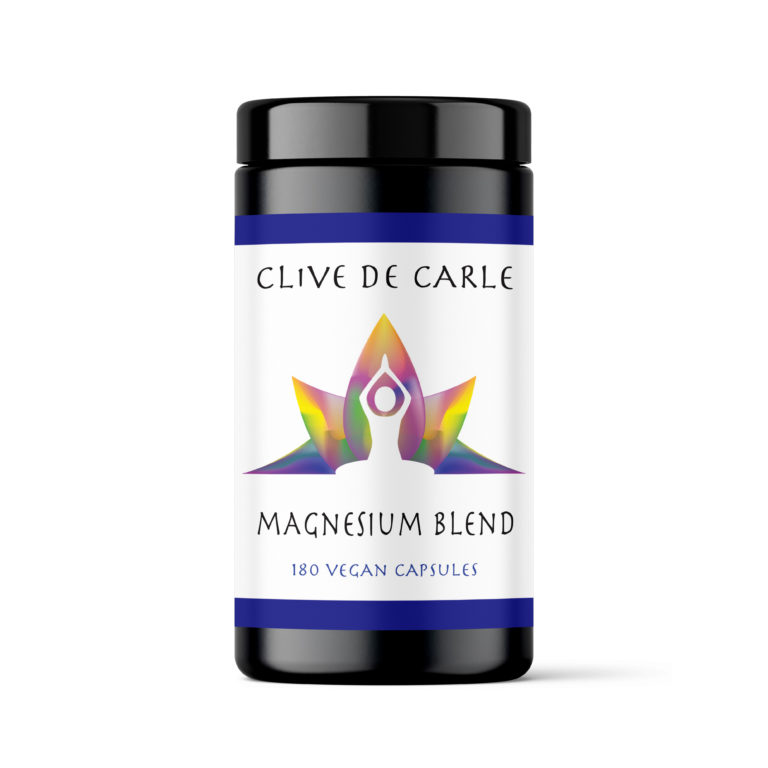
Magnesium Blend – The Most Important Mineral
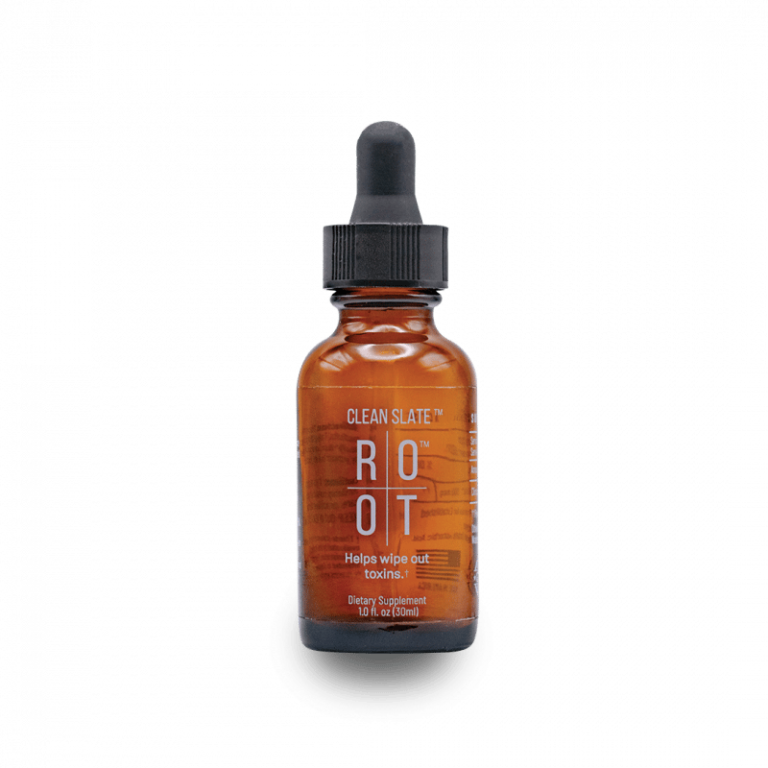
Clean Slate – Detoxes thousands of chemicals,heavy metals, pesticides, allergens, mold spores and fungus
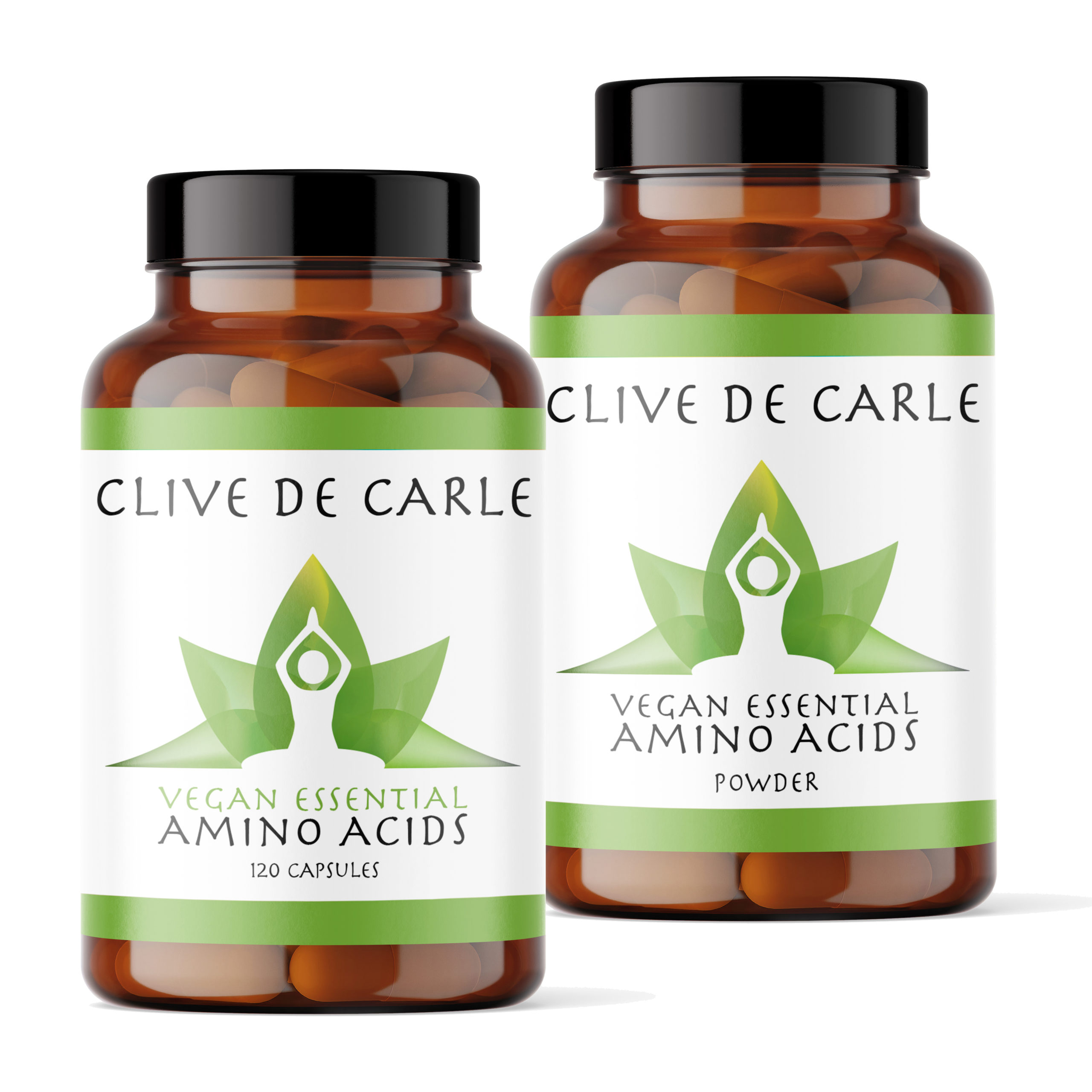
Vegan Essential Amino Acids – Plant-Powered Protein Building
INNERSTANDING may earn a commission on purchases made through these links. All products are selected based on rigorous educational relevance to our biological research.
RABBIT HOLE
Follow the biological thread deeper