
The Glycine Gap: Why Muscle Meat Alone Fails Human Collagen Synthesis
Updated May 2026
Explains the necessity of balancing muscle meat with connective tissue to prevent methionine toxicity. It highlights the role of glycine in endogenous collagen production.
Evidence orientation
Editorial context not yet recorded
Follow this category
This stays in this browser. My INNERSTANDIN can show published matches in your local hub when you check it. It does not send email, push, or alert notifications.
Local learning review
A private browser aid for revisiting ideas. It is not an alert or a health recommendation.
Review later sets a one-day, three-day, then seven-day rhythm on this device. Choose it only when you want to revisit this article.
Overview
In the modern landscape of nutritional science, a dangerous reductionism has taken hold. We have been taught to view "protein" as a monolithic macronutrient, judged primarily by its ability to stimulate muscle protein synthesis (MPS) via the mTOR pathway and the abundance of Branched-Chain Amino Acids (BCAAs) like leucine. However, this muscle-centric view has created a metabolic catastrophe: The Glycine Gap.
As we transitioned from the ancestral "nose-to-tail" eating patterns—which utilised every part of the animal, including tendons, skin, cartilage, and bone marrow—to a diet dominated by lean muscle meats (steaks, chicken breasts, and mince), we inadvertently skewed our amino acid intake. We are now consuming unprecedented levels of methionine, an essential sulfur-containing amino acid found in high concentrations in muscle meat, while simultaneously starving our bodies of glycine, the primary constituent of our internal scaffolding.
This imbalance is not merely a matter of sub-optimal nutrition; it is a fundamental biological mismatch that compromises human collagen synthesis, accelerates the aging of the extracellular matrix (ECM), and drives systemic inflammation. For the "INNERSTANDING" reader, it is crucial to recognise that the "clean" diet of chicken, broccoli, and rice is, in reality, a recipe for joint degeneration and metabolic dysfunction. We are living in a state of chronic glycine deficiency, and the consequences are written in our rising rates of osteoarthritis, cardiovascular disease, and metabolic syndrome.
Fact: While the human body can synthesise some glycine endogenously, the shortfall between internal production and the requirements for optimal collagen turnover is estimated to be approximately 10 to 15 grams per day in the average adult.
The Biology — How It Works
To understand the Glycine Gap, one must first understand the unique architecture of human collagen. Collagen is the most abundant protein in the human body, accounting for roughly 30% of our total protein mass. It provides the structural integrity for our skin, bones, tendons, ligaments, blood vessels, and the lining of our digestive tract.
The Triple Helix Requirement
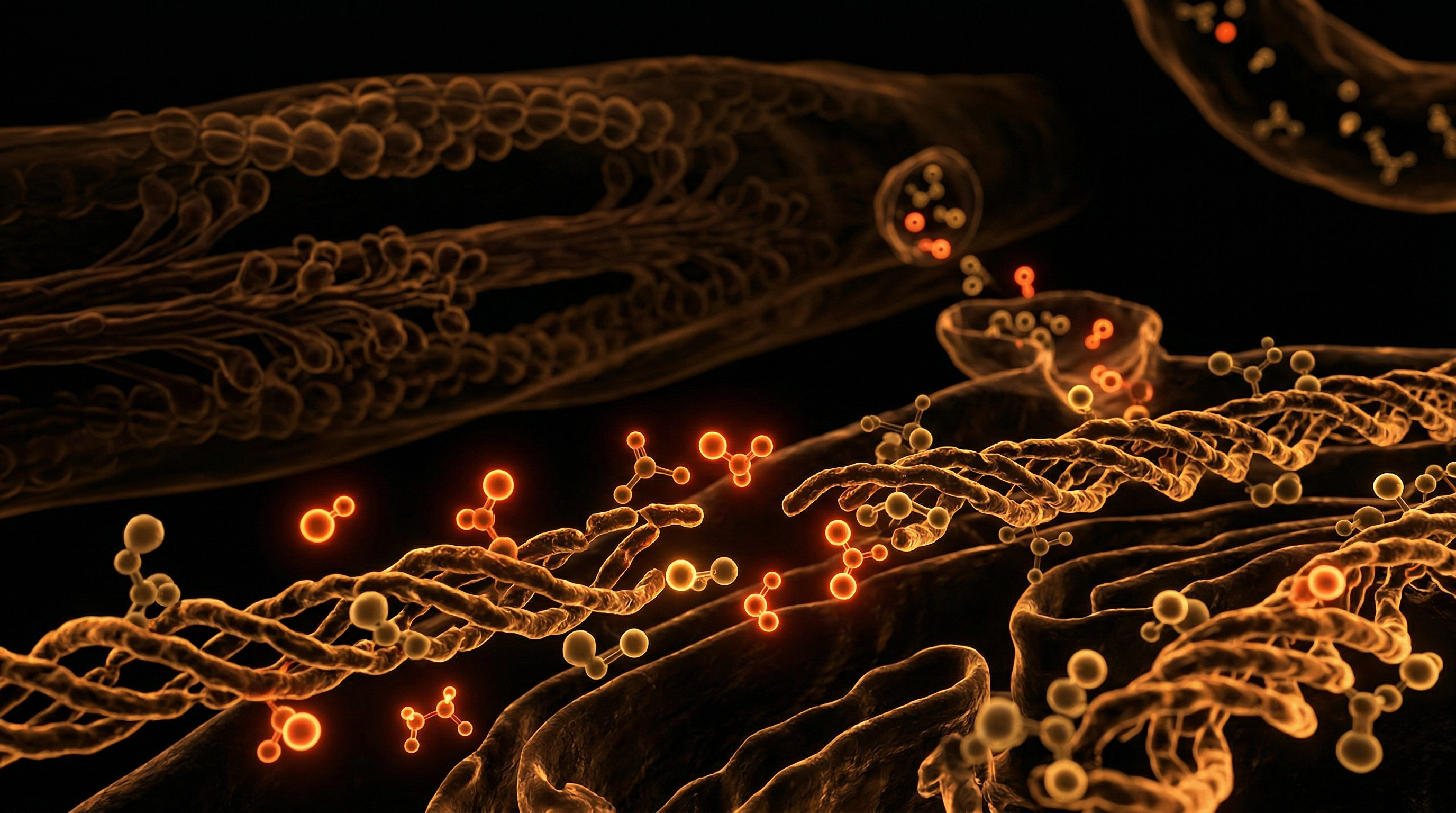
The primary structure of collagen consists of a repeating sequence: Glycine-X-Y, where X and Y are typically proline and hydroxyproline. Because glycine is the smallest of all amino acids (having only a single hydrogen atom as its side chain), it is the only amino acid small enough to fit into the tight interior of the collagen triple helix.
If glycine is unavailable, the "zipper" of the collagen molecule cannot close. This leads to the production of unstable, "misfolded" collagen that is easily degraded by enzymes called Matrix Metalloproteinases (MMPs). When the rate of collagen degradation exceeds the rate of synthesis due to a lack of glycine precursors, the result is the progressive thinning of tissues—leading to sagging skin, brittle bones, and "leaky" gut barriers.
The Methionine-Glycine Seesaw
Biology operates on a principle of balance. In the context of protein metabolism, this balance exists between methionine and glycine.
- Methionine is the "start" signal for protein synthesis. It is essential, but in excess, it fuels the production of homocysteine, a toxic intermediate linked to arterial damage and cognitive decline.
- Glycine acts as the metabolic buffer. It is required by the enzyme Glycine N-methyltransferase (GNMT) to neutralise excess methionine and facilitate its excretion via the urine.
When we eat only muscle meat, we flood the system with methionine without the glycine "buffer" found in connective tissues. This creates a state of methionine toxicity, characterised by elevated homocysteine and a depletion of the body’s primary antioxidant, glutathione, for which glycine is a critical rate-limiting precursor.
Mechanisms at the Cellular Level
The failure of collagen synthesis is not just a structural issue; it is a cellular signalling failure. The body monitors amino acid availability through various sensors, the most notable being mTORC1 (for growth) and AMPK (for energy conservation).
Endogenous Synthesis Limits
The mainstream narrative suggests that because glycine is "non-essential" (or "conditionally essential"), the body can make all it needs. This is a scientific fallacy. Endogenous synthesis of glycine from serine is limited by the capacity of the enzymatic pathways. Research indicates that the human body can produce roughly 3 grams of glycine a day. However, the mandatory requirements for collagen synthesis, bile acid conjugation, and glutathione production exceed 15-20 grams daily.
The Role of TGF-beta and Fibroblasts
Fibroblasts are the cellular "architects" responsible for weaving the collagen web. These cells are activated by Transforming Growth Factor-beta (TGF-β). However, in a glycine-depleted environment, fibroblasts cannot fulfill the "work orders" sent by TGF-β. They may attempt to substitute other amino acids into the collagen chain, but the resulting protein is structurally defunct.
Callout: Chronic glycine deficiency forces the body into a "triage" mode, where it prioritises glycine for vital functions like DNA synthesis and heme production (for blood), leaving the joints and skin to wither.
Heme and Detoxification
Glycine is a prerequisite for the synthesis of heme, the core component of haemoglobin. Furthermore, the liver requires vast amounts of glycine for Phase II conjugation. When we are exposed to environmental toxins, the liver uses glycine to wrap these toxins (specifically benzoic acids) into hippuric acid for excretion. If glycine is scarce, the body must choose between detoxifying a chemical and repairing a tendon. In the modern world, the tendon usually loses.
Environmental Threats and Biological Disruptors
The Glycine Gap is being widened by external factors that the medical establishment largely ignores. We are not just eating too much methionine; we are actively being stripped of our ability to utilise glycine.
The Glyphosate Mimicry
The most insidious threat is glyphosate, the active ingredient in the world’s most widely used herbicide. The chemical structure of glyphosate is nearly identical to that of glycine (it is N-phosphonomethylglycine).
Emerging evidence suggests that the body may mistakenly incorporate glyphosate into protein chains in place of glycine. If a glyphosate molecule is inserted into the collagen triple helix, the structural integrity of that tissue is permanently compromised. This "molecular mimicry" may explain the skyrocketing rates of "unexplained" ligament tears and the epidemic of intestinal permeability. Glyphosate effectively "gums up" the machinery of collagen synthesis.
Industrial Seed Oils and Oxidative Stress
The consumption of polyunsaturated fatty acids (PUFAs) from industrial seed oils (sunflower, rapeseed, soybean) creates a high-oxidative environment. This oxidative stress consumes glutathione at a rapid rate. Since glycine is required to rebuild glutathione, the systemic "theft" of glycine to fight off the effects of rancid vegetable oils further depletes the pool available for collagen production.
Heavy Metal Sequestration
Lead and cadmium interfere with the enzymes involved in collagen cross-linking (such as lysyl oxidase). In individuals with high body burdens of heavy metals, the requirement for glycine-rich connective tissue is even higher to offset the structural damage caused by these elements.
The Cascade: From Exposure to Disease
What happens when the Glycine Gap remains unplugged for decades? The result is a predictable cascade of multi-system decay.
1. The Osteoarthritis Epidemic
We have been told that osteoarthritis is "wear and tear"—the inevitable result of living too long. This is a lie. Osteoarthritis is a metabolic disorder of the extracellular matrix. Without sufficient glycine to repair the cartilage, the shock absorbers in our joints thin out. The bone-on-bone friction that follows is the final stage of a 30-year glycine deficiency.
2. Cardiovascular Rigidity
The heart and blood vessels are composed of high concentrations of elastin and collagen. Glycine is essential for maintaining the elasticity of the arterial walls. A lack of glycine leads to arterial stiffness (calcification), which increases blood pressure. When combined with the high homocysteine levels from unbuffered methionine, the risk of stroke and myocardial infarction increases exponentially.
3. Metabolic Syndrome and Insulin Resistance
Glycine is a potent insulin sensitiser. It stimulates the release of Glucagon-like peptide-1 (GLP-1), the very hormone that modern weight-loss drugs (like Ozempic) attempt to mimic. A diet high in muscle meat but low in glycine leads to postprandial blood sugar spikes that are far more aggressive than those seen in a balanced nose-to-tail diet.
4. Sleep and Neurological Health
Glycine acts as an inhibitory neurotransmitter in the brain and spinal cord, similar to GABA. It lowers core body temperature and improves sleep quality. The modern epidemic of insomnia and "wired-but-tired" nervous systems is partly a result of the excitatory nature of methionine (which can convert to glutamate) not being balanced by the calming effect of glycine.
What the Mainstream Narrative Omits
The mainstream nutritional guidelines—and even many "Paleo" or "Carnivore" enthusiasts—focus heavily on the Protein Digestibility Corrected Amino Acid Score (PDCAAS). This metric is fundamentally flawed because it prioritises "completeness" (the presence of all essential amino acids) without considering the ratio of those acids.
The Myth of "Lean Is King"
The "heart-healthy" advice to eat lean chicken breast and avoid "fatty" or "gristly" cuts of meat is perhaps the most damaging dietary advice of the last 50 years. The "gristle"—the skin, the connective tissue, the joints—is exactly where the glycine resides. By trimming the fat and the "chewy bits," we are throwing away the antidote to the methionine-heavy muscle meat.
The BCAA Delusion
The fitness industry promotes BCAAs (Leucine, Isoleucine, Valine) as the holy grail of muscle building. While they do stimulate mTOR, chronic over-stimulation of mTOR in the absence of glycine accelerates cellular senescence. You might build bigger muscles in the short term, but you are doing so at the expense of your tendons and your long-term metabolic health.
The RDA Silence
There is no Recommended Dietary Allowance (RDA) for glycine. Because the body can produce a baseline amount, it is classified as "non-essential." This binary classification ignores the concept of metabolic demand. A pregnant woman, an athlete, or someone recovering from surgery has a glycine demand that is orders of magnitude higher than a sedentary individual, yet the official guidelines remain silent.
The UK Context
In the United Kingdom, the shift away from traditional "British Fayre" has exacerbated the Glycine Gap. Historically, the British diet was rich in collagenous foods.
The Loss of the "Cheap Cuts"
Traditional dishes such as pie and mash (with liquor), braised ox cheeks, lamb shanks, pork trotters, and faggots were staples of the working-class diet. These "cheaper" cuts are naturally high in connective tissue. However, the rise of the supermarket "ready meal" and the sanitisation of the butcher's counter mean that most modern Britons only consume the "prime" muscle cuts.
The NHS Burden
The NHS is currently buckling under the weight of "musculoskeletal disorders" (MSKs). Millions of prescriptions are written for Ibuprofen and other NSAIDs to manage joint pain. These drugs, ironically, can further damage the gut lining and inhibit collagen synthesis. If the UK government were serious about public health, they would stop subsidising grain-fed lean beef and start promoting the consumption of bone broths and offal.
The "Supermarket Revolution"
The UK has one of the highest penetrations of supermarkets in the world. This has led to a "de-skilling" of the population regarding food preparation. Slow-cooking—the process required to break down collagen into bioavailable gelatin—has been replaced by quick-frying and microwaving, methods that preserve the tough, un-degraded structure of the connective tissue, making it less digestible.
Protective Measures and Recovery Protocols
Closing the Glycine Gap requires a conscious effort to override modern dietary habits. It is not enough to simply "eat more protein"; we must eat the right protein in the right ratios.
1. The Nose-to-Tail Ratio
For every 100g of muscle meat (steak, chicken, etc.) you consume, you should aim for at least 10-15g of collagenous protein. This can be achieved by:
- Eating the skin on chicken and fish.
- Choosing cuts like oxtail, shin of beef, or lamb neck.
- Making "meat glue" stews where bones and connective tissues are simmered for 12-24 hours.
2. Strategic Supplementation
For many, the taste or texture of traditional offal is a barrier. In these cases, supplementation is necessary.
- Glycine Powder: A pure, sweet-tasting powder that can be added to coffee or water. A dosage of 5g, three times a day, is often cited as optimal for balancing methionine intake.
- Hydrolysed Collagen: These peptides are "pre-digested" and highly bioavailable. Look for bovine or marine sources that are third-party tested for heavy metals and glyphosate.
- Gelatin: Ideal for gut health, as it "lines" the mucous membrane.
3. Mitigating Methionine
If you are consuming a high-protein diet for muscle gain, you must increase your glycine proportionally. A 1:1 ratio of collagen to muscle meat is a "gold standard" for those looking to maximize longevity alongside strength.
4. Lifestyle Adjustments
- Vitamin C: Collagen synthesis cannot occur without Vitamin C, which acts as a cofactor for the hydroxylation of proline and lysine. Ensure adequate intake from whole-food sources (bell peppers, berries).
- Red Light Therapy (Photobiomodulation): Stimulates fibroblasts to produce more collagen, provided the amino acid "bricks" (glycine) are present in the bloodstream.
- Avoid Glyphosate: Opt for organic produce and pasture-raised meats where possible to reduce the risk of glyphosate replacing glycine in your tissues.
Summary: Key Takeaways
The modern "muscle meat" obsession is a biological anomaly that has left the human body structurally compromised. To close the Glycine Gap and restore human collagen synthesis, we must return to a more ancestral, holistic view of animal nutrition.
- Muscle meat is incomplete: Without the "buffer" of connective tissue, muscle meat drives homocysteine up and collagen synthesis down.
- Glycine is the structural king: 1 in 3 amino acids in your collagen is glycine. You cannot build a house without bricks, and you cannot build a body without glycine.
- The 15-gram Shortfall: Your body cannot make enough glycine to keep up with the demands of modern life, detoxification, and tissue repair.
- Environmental interference: Glyphosate is "stealing" the place of glycine in our proteins, leading to a hidden epidemic of structural failure.
- The Nose-to-Tail solution: By re-incorporating skin, bones, and gelatinous cuts—or supplementing with pure glycine—we can mitigate the aging process and protect our metabolic health.
The INNERSTANDING of our biology reveals that we are not what we eat, but what we build. If you continue to ignore the Glycine Gap, you are building your body on a foundation of sand. It is time to embrace the "gristle," the bone broth, and the "odd bits" of the animal. Your joints, your heart, and your future self will thank you.
This article is provided for informational and educational purposes only. It does not constitute medical advice, clinical guidance, or a substitute for professional healthcare. Information reflects cited research at time of publication. Always consult a qualified healthcare professional before acting on any health information.
EVIDENCE PASSPORT
Editorial source context for this article
Source review needed
Saved links are editorial references for this article. They may support specific claims rather than every sentence. Open and assess each source in context. This passport does not independently verify them.
Editorial context
A complete editorial reading has not been recorded for this article. Source links remain available for you to open and assess directly.
Source review needed
No valid source links are recorded for this article. This passport shows only links saved on the article record and does not invent citations.
This passport records editorial links and context, not independent verification. Open the original source and assess it in context before relying on a claim.
Medical Disclaimer
The information in this article is for educational purposes only and does not constitute medical advice, diagnosis, or treatment. Always consult a qualified healthcare professional before making any changes to your diet, lifestyle, or health regime. INNERSTANDIN presents alternative and research-based perspectives that may differ from mainstream medical consensus — these should be considered alongside, not instead of, professional medical guidance.
Read Full DisclaimerContinue the thread
Keep this question moving.
Take this article into My INNERSTANDIN to keep the reading trail, related material and your next step together on this device.
Dig deeper in the Library
Free, longform PDF volumes that go beyond headlines into mechanisms and references.