Lead-Acid Battery Recycling: Identifying Sentinel Biomarkers of Systemic Toxicity in Occupational Settings
An in-depth exploration of the biochemical indicators used to monitor lead exposure in the recycling industry, focusing on early detection and the physiological mechanisms of heavy metal toxicity beyond standard blood lead levels.
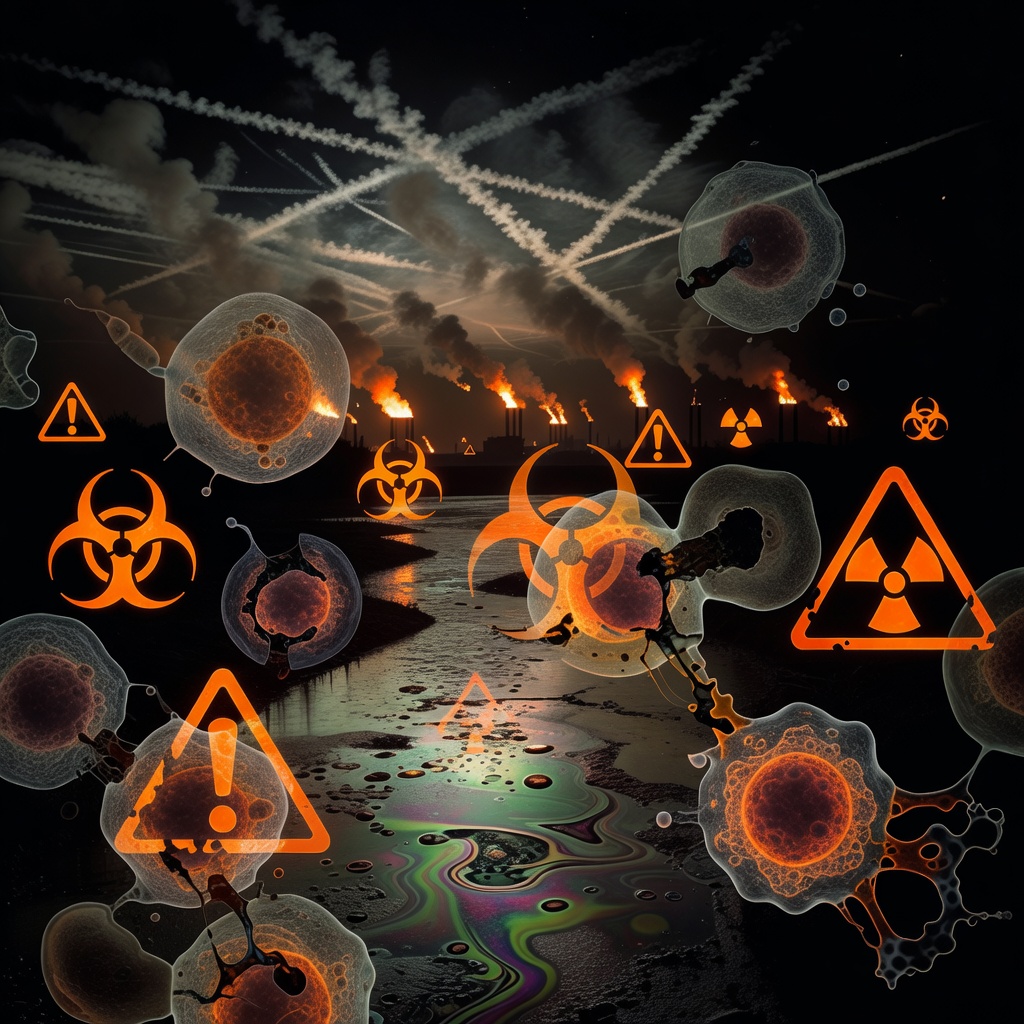
# Lead-Acid Battery Recycling: Identifying Sentinel Biomarkers of Systemic Toxicity in Occupational Settings ## Introduction The global transition toward renewable energy and the ongoing reliance on traditional automotive technologies have secured the lead-acid battery (LAB) as a cornerstone of the circular economy. In the United Kingdom and across the globe, LAB recycling is hailed as a success story of material recovery, with recycling rates often exceeding 90 percent. However, this industrial triumph carries a silent physiological cost. The process of breaking, smelting, and refining lead-acid batteries releases fine particulate matter and lead fumes that pose significant risks to occupational health. At INNERSTANDING, we believe that understanding the root cause of systemic toxicity requires looking beyond surface-level metrics.
While regulatory bodies rely heavily on Blood Lead Levels (BLL) to determine worker safety, BLL is often a lagging indicator of damage. To truly protect those at the frontline of the recycling industry, we must identify and monitor sentinel biomarkers—biochemical signals that provide an early warning of systemic toxicity before clinical symptoms manifest. ## The Pathophysiology of Lead Absorption and Mimicry Lead is a non-essential heavy metal; it serves no biological function in the human body. Its toxicity stems from its ability to act as a molecular mimic. Because lead (Pb2+) shares a similar ionic radius and charge with essential divalent cations like Calcium (Ca2+) and Zinc (Zn2+), it can enter cells via calcium channels and competitively inhibit enzymes that require zinc for activation. In the high-heat environments of battery smelting, lead is often inhaled.
Once in the lungs, it is rapidly absorbed into the bloodstream. From there, it follows the movement of calcium, distributing itself into soft tissues like the liver and kidneys, and eventually sequestering into the skeletal system. In the bones, lead can remain for decades, acting as an endogenous source of exposure long after a worker has left the recycling plant. The root cause of toxicity is not merely the presence of lead, but its interference with the cellular 'machinery' of energy production and DNA repair. ## The Limitations of Blood Lead Levels (BLL) In the UK, the Health and Safety Executive (HSE) sets specific action levels for blood lead concentrations. While BLL is an excellent tool for measuring recent exposure, it has significant limitations as a marker of total body burden or early-stage organ damage.
BLL reflects the balance between recent absorption and distribution; it does not account for the lead stored in the bones, nor does it provide information on the functional health of the kidneys or the nervous system. By the time BLL reaches actionable limits, the worker may already be experiencing subclinical oxidative stress and enzymatic inhibition. This is why the identification of sentinel biomarkers is vital for proactive occupational health management. ## Sentinel Biomarkers of Heme Biosynthesis One of the most sensitive indicators of lead toxicity is the disruption of the heme biosynthetic pathway. Heme is essential for hemoglobin, which carries oxygen in the blood, and for cytochromes, which facilitate energy production in the mitochondria. ### 1. Aminolevulinic Acid Dehydratase (ALAD) ALAD is a zinc-dependent enzyme that is highly sensitive to lead.
Even at very low blood lead concentrations—levels often considered 'safe' by regulatory standards—lead can displace zinc from the ALAD enzyme, inhibiting its activity. A decrease in ALAD activity is one of the earliest measurable signs of lead's biological impact. Monitoring ALAD activity provides a real-time window into the biochemical 'friction' lead is causing within the worker's cells. ### 2. Zinc Protoporphyrin (ZPP) When lead inhibits the enzyme ferrochelatase, zinc is incorporated into the protoporphyrin ring instead of iron. This results in the formation of Zinc Protoporphyrin (ZPP).
Because ZPP stays within the red blood cell for its entire 120-day lifespan, it serves as a biomarker of cumulative exposure over several months, offering a more stable picture of toxicity than the fluctuating BLL. ## Renal Biomarkers: Protecting the Body's Filter The kidneys are a primary target for lead-induced damage because they are responsible for the excretion of heavy metals. Lead accumulates in the proximal tubules, leading to chronic interstitial nephritis if left unchecked. ### 1. N-acetyl-beta-D-glucosaminidase (NAG) NAG is a lysosomal enzyme found in the cells of the renal tubules. When lead causes damage to these cells, NAG is leaked into the urine. Measuring urinary NAG levels allows occupational health practitioners to detect 'tubular proteinuria'—a precursor to kidney failure—long before traditional markers like serum creatinine show any abnormality. ### 2.
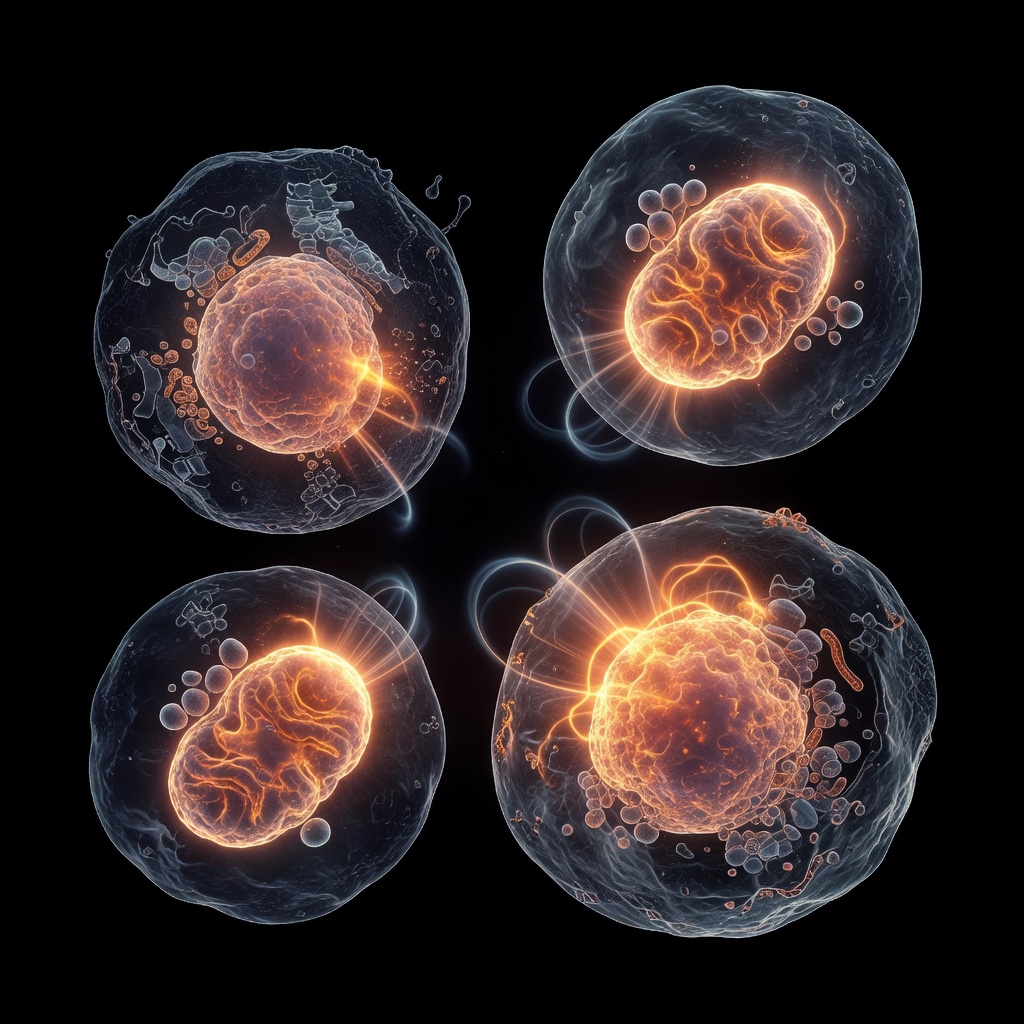
Kidney Injury Molecule-1 (KIM-1) KIM-1 is a potent sentinel biomarker for early-stage lead nephropathy. It is specifically expressed in response to toxic insults to the proximal tubules. In the context of battery recycling, elevated KIM-1 levels can signal that the current level of lead exposure is causing active cellular distress in the kidneys, necessitating immediate environmental intervention. ## Oxidative Stress and Genotoxicity At its core, lead toxicity is driven by the generation of Reactive Oxygen Species (ROS). Lead depletes the body's natural antioxidant stores, such as glutathione, and inhibits protective enzymes like Superoxide Dismutase (SOD). This creates a state of oxidative stress that can damage cellular membranes (lipid peroxidation) and even the DNA itself.
Monitoring Malondialdehyde (MDA), a byproduct of lipid peroxidation, can indicate the level of systemic oxidative damage a worker is sustaining. Furthermore, the use of the Micronucleus (MN) assay can identify genotoxic effects, where lead exposure has led to structural damage in the chromosomes of circulating lymphocytes. ## Root Cause Focus: Engineering and Nutritional Interventions Identifying these biomarkers is only the first step. The root-cause philosophy of INNERSTANDING dictates that we must use this data to drive systemic change. This involves two parallel tracks: 1. Primary Prevention: Improving local exhaust ventilation (LEV), enforcing stringent PPE protocols (including FFP3 respirators), and implementing automated 'closed-loop' recycling systems to minimize dust aerosolization. 2. Secondary Support: Since lead competes with essential minerals, the nutritional status of the worker is a critical factor in toxicity. Ensuring adequate intake of Calcium, Zinc, and Vitamin C can significantly reduce lead absorption and bolster the body's antioxidant defenses.
Vitamin C, in particular, has been shown to assist in the renal clearance of lead and mitigate oxidative damage. ## Conclusion The recycling of lead-acid batteries is an industrial necessity, but it must not be a trade-off for human health. By moving beyond simple blood lead monitoring and embracing sentinel biomarkers like ALAD, NAG, and KIM-1, we can create a more nuanced and protective framework for occupational health. These biomarkers allow us to detect the earliest whispers of toxicity, enabling us to intervene before those whispers become a crisis. True health in the industrial setting is found not just in the absence of disease, but in the proactive maintenance of biochemical integrity.
This article is provided for informational and educational purposes only. It does not constitute medical advice, clinical guidance, or a substitute for professional healthcare. Information reflects cited research at time of publication. Always consult a qualified healthcare professional before acting on any health information.
RESEARCH FOUNDATIONS
Biological Credibility Archive
Citations provided for educational reference. Verify via PubMed or institutional databases.
Medical Disclaimer
The information in this article is for educational purposes only and does not constitute medical advice, diagnosis, or treatment. Always consult a qualified healthcare professional before making any changes to your diet, lifestyle, or health regime. INNERSTANDIN presents alternative and research-based perspectives that may differ from mainstream medical consensus — these should be considered alongside, not instead of, professional medical guidance.
Read Full DisclaimerReady to learn more?
Continue your journey through our classified biological research.
RABBIT HOLE
Follow the biological thread deeper