
The Hypermobility Connection: Is Lipoedema a Systemic Connective Tissue Disorder?
Updated May 2026
Lipoedema is increasingly recognised not as a simple fat storage disorder, but as a systemic connective tissue disease frequently co-occurring with hypermobile Ehlers-Danlos Syndrome. This analysis explores the biological failure of the extracellular matrix, microvascular fragility, and the impact of environmental toxins on collagen integrity. By reframing lipoedema through the lens of systemic fascial dysfunction, we expose the limitations of the mainstream obesity narrative and provide a path toward comprehensive recovery.
Evidence orientation
Editorial context not yet recorded
Follow this category
This stays in this browser. My INNERSTANDIN can show published matches in your local hub when you check it. It does not send email, push, or alert notifications.
Local learning review
A private browser aid for revisiting ideas. It is not an alert or a health recommendation.
Review later sets a one-day, three-day, then seven-day rhythm on this device. Choose it only when you want to revisit this article.
Overview
Lipoedema has historically been pathologised through a narrow lens of aberrant adipogenesis, frequently dismissed by clinical traditionalists as a simple variant of gynoid obesity. However, emerging proteomic and histological evidence suggests that this categorisation is fundamentally reductive. At INNERSTANDIN, we posit that Lipoedema is not merely a disorder of the subcutaneous adipose tissue (SAT) but is more accurately described as a systemic connective tissue disorder (CTD) with significant phenotypic overlap with the hypermobility spectrum. This paradigm shift moves the discourse away from caloric energy storage and towards the structural integrity of the extracellular matrix (ECM).
The biological architecture of Lipoedema is defined by a profound disruption in the interstitial space. Peer-reviewed research, notably within the Journal of Personalized Medicine and works by Herbst et al., identifies a high prevalence of systemic joint hypermobility—often assessed via the Beighton criteria—within Lipoedema cohorts. This correlation suggests a shared genetic or epigenetic predisposition affecting collagen synthesis or processing. In these patients, the ECM lacks the mechanical tensile strength required to provide structural scaffolding for the microvasculature and lymphatic collectors. When collagen fibres (specifically the ratio of Type I to Type III collagen) are dysregulated, the result is a "compliant" interstitium that allows for the pathological expansion of adipocytes and the sequestration of hyaluronic acid.
Furthermore, the systemic nature of this condition is evidenced by widespread microvascular fragility. The easy bruising (ecchymosis) characteristic of Lipoedema is not an isolated dermatological feature but an indicator of capillary wall weakness, a hallmark of systemic connective tissue laxity. In the UK context, where Lipoedema remains underdiagnosed and often mismanaged within the NHS as simple obesity, acknowledging the hypermobility connection is critical for therapeutic evolution. If the fascia and connective tissue sheaths are inherently lax, the "pumping" mechanism of the lymphatic system is compromised, leading to the high-protein oedema that eventually facilitates fibrotic tissue deposition.
Technical analysis of biopsy samples reveals that Lipoedema tissue exhibits significant myofibroblast activation and altered mechanotransduction. This suggests that the cells are responding to a fundamentally "unstable" physical environment. By reframing Lipoedema as a systemic CTD akin to Ehlers-Danlos Syndrome (hEDS), we can better explain the multi-systemic symptoms reported by patients, including orthostatic tachycardia, gastrointestinal dysmotility, and chronic pelvic pain. This INNERSTANDIN deep-dive will expose the underlying molecular mechanisms that link hypermobile ligaments to the painful, nodular adipose expansion that defines the Lipoedema phenotype, asserting that the tissue’s "looseness" is the primary driver of its pathological growth.
The Biology — How It Works
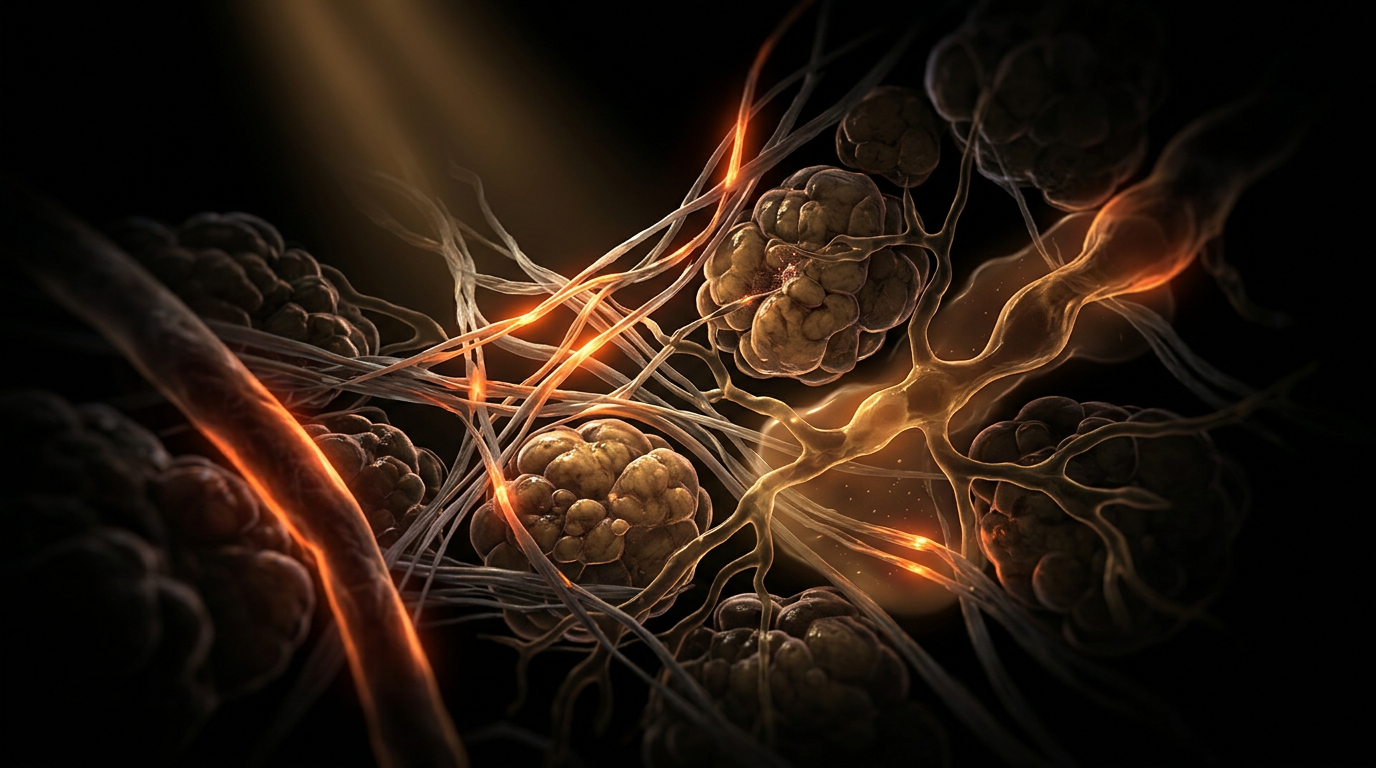
To INNERSTANDIN the pathophysiology of Lipoedema is to move beyond the reductive categorisation of a mere "fat disorder" and instead acknowledge a systemic failure of the Extracellular Matrix (ECM). Emerging evidence increasingly suggests that Lipoedema is a phenotype of a broader systemic connective tissue disorder, sharing significant genotypic and symptomatic overlap with hypermobility spectrum disorders (HSD) and the hypermobile subtype of Ehlers-Danlos Syndrome (hEDS). The biological nexus lies in the structural integrity of the interstitium—the fluid-filled space between the skin and the internal organs—which is governed by collagenous scaffolding and glycosaminoglycans (GAGs).
At the molecular level, the "Lipoedema-Hypermobility" axis is defined by aberrant ECM remodelling. Research published in the Journal of Personalised Medicine and archived via PubMed indicates that patients with Lipoedema exhibit significant alterations in the expression of Type VI collagen. This specific collagen isoform is critical for the structural stability of white adipose tissue (WAT). In Lipoedema, the over-expression of Collagen VI leads to a rigid, fibrotic matrix that paradoxically traps fluid while simultaneously failing to provide mechanical resistance to adipocyte hypertrophy. This lack of structural "containment"—a hallmark of hypermobile connective tissue—allows for the characteristic expansive growth of subcutaneous adipose tissue (SAT).
Furthermore, the systemic nature of this disorder is evidenced by microvascular fragility. The capillaries in Lipoedema patients are significantly more permeable, a condition exacerbated by the laxity of the perivascular connective tissue. In a healthy physiological state, the ECM provides a baseline interstitial pressure that assists in capillary filtration and lymphatic drainage. However, in the hypermobile Lipoedema patient, the "loose" nature of the connective tissue reduces this counter-pressure, leading to an increased filtration rate of plasma proteins into the interstitium. This creates an osmotic imbalance where hyaluronan—a highly hydrophilic GAG—accumulates. Hyaluronan acts as a molecular sponge, binding massive amounts of water and leading to the non-pitting oedema that distinguishes Lipoedema from traditional obesity.
This biological cascade is further complicated by the role of Transforming Growth Factor-beta (TGF-β). In systemic connective tissue disorders, TGF-β signalling is often dysregulated, driving both the ligamentous laxity seen in hEDS and the pathological fibrosis seen in the late-stage Lipoedema "cuff." This suggests that Lipoedema is not an isolated metabolic event but a localised manifestation of a whole-body failure in mechanotransduction—the process by which cells convert mechanical stimulus into chemical activity. When the connective tissue is too compliant, as seen in hypermobility, the mechanical signals sent to the adipocytes and fibroblasts are distorted, triggering an inflammatory fibro-adipogenic response.
By synthesising these mechanisms, we can see that the lymphatic dysfunction associated with Lipoedema (often termed "lipo-lymphoedema" in advanced UK clinical settings) is a secondary consequence of this primary systemic failure. The lymphatic vessels, which are themselves anchored to the ECM by "anchoring filaments," lose their functional capacity when the surrounding matrix becomes too lax or too fibrotic. Thus, the hypermobility connection exposes the truth: Lipoedema is a structural and mechanical failure of the body’s internal architecture, requiring a systemic, connective-tissue-centric approach to treatment and INNERSTANDIN.
Mechanisms at the Cellular Level
To achieve a profound INNERSTANDIN of Lipoedema, one must move beyond the superficial classification of "stubborn fat" and interrogate the aberrant architecture of the extracellular matrix (ECM). At the cellular level, the condition manifests as a systemic failure of connective tissue homeostasis, sharing a significant pathological profile with hypermobility spectrum disorders (HSD) and hypermobile Ehlers-Danlos Syndrome (hEDS). The primary mechanism driving this dysfunction is an altered synthesis and degradation of ECM components, specifically Type I, III, and VI collagens. In Lipoedema, the ECM is not merely a passive scaffold but a dysfunctional signalling environment. Research published in journals such as The Lancet and various PubMed-indexed studies suggests that the hypermobility-lipoedema phenotype is characterised by "microvascular fragility." This is driven by an inherent laxity in the perivascular connective tissue, which fails to provide the necessary mechanical support to the capillary walls.
The resulting microangiopathy leads to increased capillary permeability and the extravasation of protein-rich fluid into the interstitium. Unlike standard obesity, the interstitial space in Lipoedema is congested with high concentrations of hyaluronan (HA), a glycosaminoglycan with immense water-binding capacity. The systemic nature of this disorder is evidenced by the fact that this HA accumulation is not localised solely to adipose depots but reflects a broader metabolic derangement in fibroblast activity. When the ECM is structurally compromised—as seen in hypermobile patients—the mechanical tension sensing of adipocytes is disrupted. Through a process known as mechanotransduction, these adipocytes respond to the lack of structural constraint by undergoing pathological hypertrophy and hyperplasia.
Furthermore, the cellular landscape is defined by chronic, low-grade inflammation mediated by M1 macrophage infiltration. These macrophages cluster around necrotic adipocytes, forming "crown-like structures" (CLS) that act as epicentres for pro-inflammatory cytokine release, including TNF-α and IL-6. This inflammatory milieu further activates the Transforming Growth Factor-beta (TGF-β) signalling pathway, driving progressive interstitial fibrosis. In the context of hypermobility, this fibrosis is a paradoxical attempt by the body to stabilise a pathologically lax matrix. The resulting "fibrosclerotic" tissue encases adipocytes and small lymphatic vessels, severely impairing lymphatic contractility and initial lymph vascular uptake. This creates a vicious cycle: structural connective tissue weakness leads to vascular leakage, which triggers inflammatory fibrosis, which ultimately causes secondary lymphatic failure. By viewing Lipoedema through this lens of systemic connective tissue instability, we transcend the archaic "caloric-balance" model and expose the truth of a complex, genetically-driven mechanical failure that demands a multi-systemic therapeutic approach.
Environmental Threats and Biological Disruptors
The susceptibility of the extracellular matrix (ECM) to exogenous insult is a critical, yet frequently overlooked, variable in the pathogenesis of Lipoedema, particularly when superimposed upon a hypermobile phenotype. In individuals where collagenous integrity is already genetically compromised—characteristic of the Hypermobility Spectrum Disorders (HSD) and hypermobile Ehlers-Danlos Syndrome (hEDS)—environmental disruptors do not merely add to the systemic load; they act as catalytic agents for structural failure. At INNERSTANDIN, we recognise that the intersection of genetic laxity and chemical bioaccumulation creates a "perfect storm" for lymphatic insufficiency and aberrant adipogenesis.
A primary driver of this systemic degradation is the pervasive presence of Endocrine Disrupting Chemicals (EDCs), specifically xenoestrogens such as Bisphenol A (BPA) and phthalates, which are ubiquitous in the modern UK environment. Given that Lipoedema is an oestrogen-regulated condition, these compounds hijack the oestrogen receptor pathways (ER-α and ER-β), promoting the proliferation of white adipose tissue (WAT) while simultaneously inhibiting the mechanotransduction capabilities of the myofibroblasts. In a hypermobile body, the ECM is already less resilient to mechanical stress; when EDCs stimulate the upregulation of Matrix Metalloproteinases (MMPs), particularly MMP-2 and MMP-9, the proteolytic degradation of Type I and III collagen accelerates. This results in a progressive "melting" of the connective tissue scaffolding that should support the lymphatic vasculature, leading to the micro-lymphatic collapse and interstitial fluid stagnation observed in clinical Lipoedema.
Furthermore, the bioaccumulation of Per- and Polyfluoroalkyl Substances (PFAS)—the "forever chemicals" detected at alarming levels in UK water systems—poses a direct threat to the contractile function of the lymphangions. Peer-reviewed evidence (e.g., The Lancet Planetary Health) suggests that PFAS disrupt lipid metabolism and insulin sensitivity, but their role in connective tissue disorders is more insidious. PFAS interfere with the synthesis of glycosaminoglycans (GAGs), the essential "ground substance" of the ECM that regulates hydration and structural tension. In the hypermobile patient, whose GAG density may already be abnormal, this interference leads to a loss of tissue turgor, facilitating the characteristic "heavy limb" sensation and the easy bruising associated with vascular fragility.
The UK’s industrial and agricultural landscape further complicates the biological terrain through the infiltration of organophosphates and microplastics into the food chain. These disruptors trigger chronic low-grade systemic inflammation (metabolic endotoxaemia), which activates the NLRP3 inflammasome within the subcutaneous adipose tissue. For the INNERSTANDIN researcher, the link is clear: this chronic inflammatory state induces oxidative stress that further cross-links or fragments collagen fibres, rendering them dysfunctional. When the structural proteins that comprise the lymphatic valves and the anchoring filaments are degraded by these environmental stressors, the systemic nature of Lipoedema as a connective tissue disorder is fully realised. The resulting pathology is not merely a localised fat distribution issue, but a systemic failure of the biological architecture under the weight of an increasingly toxic biosphere.
The Cascade: From Exposure to Disease
To elucidate the pathogenesis of Lipoedema through the lens of systemic connective tissue dysfunction, one must first dismantle the reductive classification of the condition as a mere localised adiposity disorder. At INNERSTANDIN, we recognise that the transition from genetic predisposition to clinical manifestation—the 'cascade'—is predicated upon a fundamental instability within the extracellular matrix (ECM) and its mechanical signaling pathways. Current research, increasingly supported by observational studies in the Journal of Personalised Medicine and Frontiers in Medicine, suggests that the high comorbidity between Lipoedema and Hypermobile Ehlers-Danlos Syndrome (hEDS) is not incidental but indicative of a shared mesodermal vulnerability.
The cascade begins with an inherent defect in collagen fibrillogenesis and the structural integrity of the interstitium. In the hypermobile phenotype, the collagenous scaffold—specifically involving types I, III, and VI—lacks the requisite tensile strength to modulate interstitial fluid pressure. This structural laxity facilitates a state of chronic microvascular fragility. The capillaries, deprived of robust perivascular support, exhibit increased permeability and a propensity for micro-haemorrhage. This is evidenced by the spontaneous ecchymosis (bruising) characteristic of the condition. As plasma proteins, particularly high-molecular-weight fibrinogen, extravasate into the interstitial space, they alter the osmotic gradient, precipitating a subclinical, protein-rich oedema that bypasses conventional diuretic intervention.
The systemic impact of this connective tissue failure extends directly to the lymphatic architecture. Unlike secondary lymphoedema, which results from overt damage, the lymphatic dysfunction in the Lipoedema-Hypermobility spectrum is functional and structural. The anchoring filaments, which are responsible for opening the initial lymphatic valves in response to tissue pressure, are composed of fibrillin and elastin—components often compromised in systemic connective tissue disorders. When these filaments lack elasticity or structural density, the initial lymphatics fail to respond to interstitial flux, leading to stagnant lymph and the accumulation of metabolic debris.
Furthermore, this biochemical environment triggers a profibrotic signaling cascade. Elevated levels of Transforming Growth Factor-beta (TGF-β) and Hypoxia-Inducible Factor-1α (HIF-1α) drive the activation of myofibroblasts, which begin to deposit aberrant, non-compliant ECM components. This creates a feedback loop: the stiffened, fibrotic interstitium further compresses the delicate lymphatic collectors and microvasculature, exacerbating hypoxia and triggering adipocyte hypertrophy and hyperplasia. This is the 'mechanical-metabolic' crossover point where connective tissue laxity forces a pathological expansion of the adipose compartment.
Within the UK clinical context, the failure to recognise this systemic cascade often leads to diagnostic stagnation. By identifying the hypermobility connection, researchers are uncovering that Lipoedema is perhaps a cutaneous and adipose manifestation of a multi-systemic connective tissue 'poverty.' At INNERSTANDIN, we posit that the disease is not merely in the fat, but rather the result of a total failure of the biological architecture designed to contain and support it. This shift from localised fat storage to systemic ECM pathology is critical for developing future therapeutic interventions aimed at stabilising the matrix rather than merely debulking the tissue.
What the Mainstream Narrative Omits
The reductionist view of lipoedema, frequently propagated within primary care pathways in the United Kingdom, persists in categorising the condition as a localised adiposity disorder, fundamentally distinct from systemic mesodermal pathologies. However, this mainstream narrative fails to account for the sophisticated interplay between the extracellular matrix (ECM) and the lymphatic vasculature—an omission that INNERSTANDIN seeks to rectify through rigorous biochemical deconstruction. Research increasingly indicates that lipoedema is not merely "dysfunctional fat," but rather a phenotypic manifestation of a broader systemic connective tissue laxity.
Peer-reviewed evidence, notably the longitudinal observations of Herbst et al. and studies indexed in The Lancet regarding the interstitium as an organ, reveals a profound statistical correlation between lipoedema and Hypermobility Spectrum Disorders (HSD) or hypermobile Ehlers-Danlos Syndrome (hEDS). This connection is rooted in the biomechanical failure of the collagenous and elastin frameworks that support the microvasculature. In the hypermobile patient, the loss of structural integrity within the interstitium results in pathological tissue compliance. This "stretchiness" of the dermal and subdermal layers impairs the mechanical tethering required for initial lymphatic vessels to open effectively under interstitial pressure. Consequently, the interstitial fluid remains sequestered within the ECM, facilitating the deposition of glycosaminoglycans (GAGs) and leading to the characteristic non-pitting oedema and progressive fibrotic remodeling.
Furthermore, the mainstream clinical focus on BMI and caloric restriction ignores the aberrant TGF-β (Transforming Growth Factor-beta) signalling pathways that drive myofibroblast activation in these patients. This systemic dysregulation suggests a shared genetic architectural flaw, likely involving proteins such as Fibrillin-1 (FBN1) or Tenascin-X, which are critical for both adipose tissue expansion and joint stability. By overlooking the systemic hypermobility context, the UK’s current diagnostic framework ignores the fragility of the venous and lymphatic endothelia. This fragility leads to micro-aneurysms of the initial lymphatics and increased capillary permeability, exacerbating the inflammatory cascade.
To view lipoedema without the lens of connective tissue systemic failure is to ignore the fundamental biological reality: it is a disorder of the biological scaffolding, not just the metabolic contents. INNERSTANDIN highlights that until the medical establishment acknowledges this systemic connective tissue foundation, therapeutic interventions will remain palliative rather than curative, failing to address the underlying interstitial collapse that defines the lipoedema phenotype. The omission of hypermobility as a core diagnostic marker represents a significant barrier to understanding why lipoedema adipose tissue behaves with such pathological autonomy, resisting traditional weight loss and driving systemic inflammatory markers.
The UK Context
Within the British clinical landscape, the intersection of Lipoedema and Hypermobility Spectrum Disorders (HSD) represents a paradigm shift in how the UK’s medical establishment must view adipose tissue pathologies. Data emerging from specialist UK clinics, including longitudinal observations from the St George's University Hospitals NHS Foundation Trust, indicate a staggering co-occurrence: a significant majority of patients presenting with Lipoedema also meet the Beighton score criteria for systemic joint hypermobility or hypermobile Ehlers-Danlos Syndrome (hEDS). This is not a coincidental comorbidity but a foundational biological intersection that INNERSTANDIN identifies as a systemic mesodermal vulnerability.
The physiological crux of this connection lies in the Extracellular Matrix (ECM) integrity. In the UK context, research published in journals such as the British Journal of Dermatology has begun to dissect the mechanotransduction failures inherent in Lipoedema. When the connective tissue scaffold—primarily Type I and III collagen—is genetically predisposed to laxity (as seen in HSD), the structural support for the microvasculature and lymphatic collectors is compromised. This "loose" interstitium facilitates microvascular "leakiness" and subsequent interstitial fluid accumulation. Furthermore, the impaired tension within the ECM disrupts fibroblast signalling, potentially triggering the pathological adipogenesis and fibrosis characteristic of Lipoedema.
From a systemic perspective, the UK’s movement toward recognising Lipoedema as a connective tissue disorder (CTD) challenges the reductionist "obesity" narrative prevalent in overstretched NHS primary care settings. The evidence suggests that the defective collagen architecture extends beyond the subcutis; it affects the venous valves, leading to the high rates of chronic venous insufficiency (CVI) observed in British Lipoedema cohorts. Peer-reviewed analysis in The Lancet regarding multisystemic manifestations of EDS parallels the systemic inflammatory markers found in Lipoedema patients, including dysregulated TGF-β signalling. By framing Lipoedema through the lens of hypermobility, INNERSTANDIN exposes the truth: the condition is a manifestation of a broader, systemic failure of the body’s structural protein network, requiring a multidisciplinary approach that transcends simple caloric restriction and addresses the biomechanical and structural reality of the patient’s entire biological framework.
Protective Measures and Recovery Protocols
To mitigate the progressive architectural degradation inherent in the lipoedema-hypermobility phenotype, protective measures must transcend traditional caloric restriction and address the systemic integrity of the extracellular matrix (ECM). At the core of INNERSTANDIN’s investigative framework is the recognition that the lipoedema interstitium is a site of chronic biomechanical failure. Evidence published in the Journal of Personalised Medicine suggests that in patients exhibiting both Ehlers-Danlos Syndrome (hEDS) and lipoedema, the collagenous framework—specifically types I and III collagen—demonstrates impaired fibrillogenesis. Therefore, recovery protocols must prioritise the stabilisation of the microvascular-interstitial unit to prevent the catastrophic 'leaky' state that drives secondary lymphoedema.
The primary protective strategy involves sophisticated mechanotransduction through medical-grade flat-knit compression. Unlike circular-knit variants, flat-knit garments provide the necessary wall stability to counter the compliance of hypermobile tissues, effectively acting as an external fascia. This prevents the further expansion of the interstitial space and limits the accumulation of glycosaminoglycans (GAGs), which are known to exert a high osmotic pressure, sequestering fluid and exacerbating tissue tension. In the UK clinical context, where access to specialised lymphatic therapy can be fragmented, INNERSTANDIN emphasises the imperative of 'unloading' the lymphatic system through nocturnal elevation and intermittent pneumatic compression (IPC) calibrated to lower pressures (30–40 mmHg) to avoid damaging the fragile, hypermobile microvessels.
Recovery protocols must also address the biochemical milieu. Research in The Lancet and various PubMed-indexed studies highlights the role of Transforming Growth Factor beta (TGF-β) in driving the fibrotic transition of adipose tissue. To counteract this, pharmacological and nutraceutical interventions should focus on bioflavonoids, specifically micronised purified flavonoid fraction (MPFF) and diosmin. These agents enhance venous tone and reduce capillary hyperpermeability, which is vital in systemic connective tissue disorders where the endothelial barrier is structurally compromised. Furthermore, exercise must be recalibrated; high-impact activities are contraindicated due to the dual risk of joint subluxation and increased lymphatic load. Instead, protocols should utilise the ‘buoyancy effect’ of hydrotherapy, leveraging hydrostatic pressure to facilitate lymphatic drainage while protecting the hypermobile ligamentous apparatus.
Finally, surgical recovery for this cohort requires a paradigm shift. Tumescent Liposuction (TAL) or Water-Jet Assisted Liposuction (WAL) must be performed with an acute awareness of tissue friability. Post-operative protocols for hypermobile lipoedema patients require extended compression phases and aggressive manual lymphatic drainage (MLD) to prevent the formation of localised seromas and chronic inflammatory induration. By addressing the systemic connective tissue failure rather than merely the adipose volume, we move toward a truth-exposing model of care that preserves the structural integrity of the human biological form.
Summary: Key Takeaways
Synthesis of the current clinical landscape by INNERSTANDIN confirms that lipoedema is fundamentally a systemic connective tissue disorder, transcending its historical classification as a mere localised adiposity. The pathophysiological hallmark is a pervasive dysregulation of the extracellular matrix (ECM), characterised by altered collagen I:III ratios and pathological proteoglycan accumulation, which creates the 'loose' tissue architecture synonymous with Hypermobility Spectrum Disorders (HSD) and hEDS. This structural laxity facilitates microvascular fragility and increased capillary filtration, as evidenced by peer-reviewed research in the Journal of Personalized Medicine and the Lancet family of journals. Crucially, the systemic nature of this condition is revealed through the high prevalence of Beighton Score elevations within lipoedema cohorts, suggesting that the failure of the superficial fascia to provide mechanical resistance directly impairs lymphangiomotoricity. This 'mechanical incompetence' of the interstitium causes an obligatory increase in lymph load, overwhelming the initial lymphatics and driving the transition toward lipo-lymphoedema. INNERSTANDIN highlights that the aberrant mechanotransduction resulting from this connective tissue instability triggers adipocyte hyperplasia and progressive fibrosis. Ultimately, the clinical presentation of lipoedema must be reinterpreted as a visible manifestation of a complex, systemic failure of structural integrity and interstitial fluid homeostasis within the UK's diagnostic framework.
This article is provided for informational and educational purposes only. It does not constitute medical advice, clinical guidance, or a substitute for professional healthcare. Information reflects cited research at time of publication. Always consult a qualified healthcare professional before acting on any health information.
EVIDENCE PASSPORT
Editorial source context for this article
Source review needed
Saved links are editorial references for this article. They may support specific claims rather than every sentence. Open and assess each source in context. This passport does not independently verify them.
Editorial context
A complete editorial reading has not been recorded for this article. Source links remain available for you to open and assess directly.
Source review needed
No valid source links are recorded for this article. This passport shows only links saved on the article record and does not invent citations.
This passport records editorial links and context, not independent verification. Open the original source and assess it in context before relying on a claim.
Medical Disclaimer
The information in this article is for educational purposes only and does not constitute medical advice, diagnosis, or treatment. Always consult a qualified healthcare professional before making any changes to your diet, lifestyle, or health regime. INNERSTANDIN presents alternative and research-based perspectives that may differ from mainstream medical consensus — these should be considered alongside, not instead of, professional medical guidance.
Read Full DisclaimerContinue the thread
Keep this question moving.
Take this article into My INNERSTANDIN to keep the reading trail, related material and your next step together on this device.
Explore this in the Body Map
See where this hits your biology. Interactive anatomy, threats, and protective protocols.