
Beyond Body Mass Index: Why Standard NHS Obesity Guidelines Fail Lipoedema Patients
Updated May 2026
This investigation exposes the systemic failure of the NHS to recognise Lipoedema as a metabolically-resistant connective tissue disorder rather than a lifestyle-induced obesity condition. By critiquing the outdated Body Mass Index (BMI) metric, we reveal how biological markers and genetic predispositions render standard caloric restriction ineffective for these patients. The article provides a deep dive into the cellular mechanisms and environmental disruptors that exacerbate the condition, offering a roadmap for recovery based on biological truth.
Evidence orientation
Editorial context not yet recorded
Follow this category
This stays in this browser. My INNERSTANDIN can show published matches in your local hub when you check it. It does not send email, push, or alert notifications.
Local learning review
A private browser aid for revisiting ideas. It is not an alert or a health recommendation.
Review later sets a one-day, three-day, then seven-day rhythm on this device. Choose it only when you want to revisit this article.
Overview
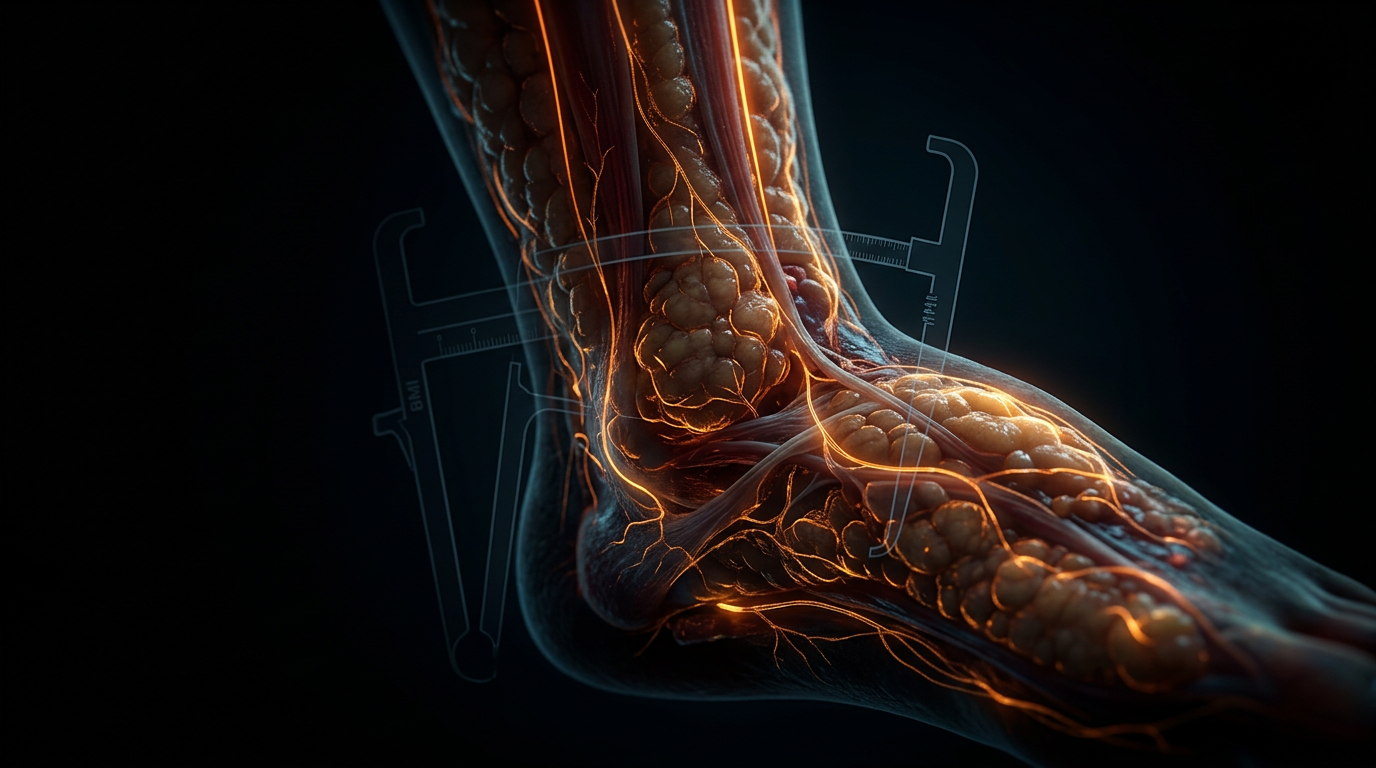
Lipoedema is a chronic, progressive adipose tissue disorder (ATD) characterised by the symmetrical, bilateral accumulation of pathologically altered subcutaneous adipose tissue (SAT), primarily involving the lower extremities and, frequently, the arms. Despite its prevalence—estimated to affect up to 11% of the post-pubertal female population—it remains one of the most frequently misdiagnosed conditions within the UK clinical landscape. The fundamental failure of the National Health Service (NHS) to provide adequate diagnostic pathways stems from an institutional over-reliance on the Body Mass Index (BMI). Originally devised by Adolphe Quetelet in the 19th century as a tool for population-level statistical analysis, the BMI is a blunt, non-physiological metric that fails to differentiate between visceral adiposity, lean muscle mass, and the fibrotic, interstitial-fluid-heavy SAT characteristic of lipoedema. At INNERSTANDIN, we recognise that applying BMI-based weight management protocols to lipoedema patients is not merely scientifically inaccurate; it is biologically reductive.
The pathophysiology of lipoedema is distinct from lifestyle-induced obesity. While obesity involves both hypertrophic and hyperplastic expansion of adipocytes, often driven by a systemic metabolic surplus, lipoedema fat is characterised by disproportionate adipocyte hyperplasia and significant remodeling of the extracellular matrix (ECM). Research published in the Journal of Personalized Medicine and The Lancet highlights that lipoedema fat is highly resistant to traditional caloric restriction and bariatric intervention. This resistance is rooted in microvascular dysfunction—specifically, increased capillary permeability and fragility, which leads to the leakage of plasma proteins into the interstitial space. This creates an osmotic pressure gradient that traps fluid, leading to chronic interstitial oedema and the subsequent activation of TGF-β1-mediated fibrotic pathways. Over time, this progression results in the formation of "pearl-like" nodules and the eventual development of lipo-lymphoedema, where the lymphatic system becomes secondary compromised due to mechanical compression and chronic inflammatory load.
Furthermore, the systemic impact of lipoedema extends beyond structural deformity. The condition is often triggered or exacerbated by hormonal shifts—namely puberty, pregnancy, and menopause—suggesting a high degree of oestrogen-receptor sensitivity within the affected SAT. Unlike general obesity, which is often associated with insulin resistance and cardiovascular metabolic derangement, lipoedema patients frequently maintain surprisingly healthy metabolic profiles despite high BMI readings, often displaying high HDL levels and normal glucose tolerance. By adhering to archaic BMI thresholds, the NHS framework ignores these critical biological nuances, resulting in a "weight-loss-first" clinical directive that exacerbates the patient's psychological distress while failing to address the underlying lymphovascular stagnation and adipose tissue fibrosis. INNERSTANDIN demands a shift toward bio-morphometric assessment and lymphological imaging to replace the obsolete metrics that currently impede the standard of care for lipoedema across the United Kingdom.
The Biology — How It Works
To move beyond the reductive, BMI-centric model perpetuated by standard NHS clinical pathways, one must first innerstand the histopathological divergence of lipoedemic adipose tissue from "lifestyle-induced" systemic obesity. Lipoedema is not a consequence of caloric surplus; it is a genetically mediated, oestrogen-regulated loose connective tissue disorder characterised by disproportionate, symmetrical subcutaneous adipose tissue (SAT) hypertrophy. Unlike metabolic obesity, which primarily involves adipocyte hypertrophy (swelling of existing cells) associated with insulin resistance, lipoedema is defined by early-stage adipocyte hyperplasia—the proliferation of new, pathologically altered fat cells.
The biological engine of lipoedema is rooted in microvascular and lymphatic dysfunction. Peer-reviewed research, notably in The Lancet and American Journal of Physiology, identifies increased capillary permeability as a primary driver. This "leaky" microvasculature allows protein-rich fluid to escape into the interstitial space, exceeding the drainage capacity of the lymphatic system. In a healthy physiological state, the lymphatic vessels would upregulate their pumping frequency to compensate; however, in lipoedema patients, the initial lymphangiopathy leads to chronic interstitial oedema. This persistent fluid stasis creates a pro-inflammatory microenvironment, attracting macrophages that congregate around necrotic adipocytes to form "crown-like structures." This inflammatory cascade triggers a secondary fibrotic response, where the extracellular matrix (ECM) undergoes significant pathological remodelling.
The transition from soft SAT to the characteristic "nodular" texture of lipoedema is mediated by the overexpression of Transforming Growth Factor-beta (TGF-β) and the excessive deposition of glycosaminoglycans and collagen. This fibrosis is a critical biological marker that standard NHS BMI measurements ignore. When a patient is placed on a standard calorie-restricted diet, the body prioritises the metabolism of visceral fat and non-lipoedemic subcutaneous fat. The fibrotic, lipoedemic SAT remains biologically sequestered—mechanically and chemically resistant to lipolysis due to the dense ECM and altered local hormonal signalling.
Furthermore, the role of oestrogen receptors (ERα and ERβ) within the affected tissue cannot be overstated. Lipoedema predominantly manifests during periods of hormonal transition (puberty, pregnancy, or perimenopause), suggesting that high oestrogen levels drive pre-adipocyte proliferation while simultaneously inhibiting lipid mobilisation in the extremities. This creates a physiological "trap" where fat is effectively locked within the limbs. By focusing solely on BMI, the NHS overlooks these complex mechanisms of lymphangiogenesis and connective tissue degradation, failing to recognise that lipoedema is a systemic failure of fluid dynamics and tissue integrity, not a failure of willpower or metabolic balance. To achieve true clinical resolution, the focus must shift from weight loss to the management of interstitial pressure and the mitigation of fibrotic progression.
Mechanisms at the Cellular Level
At the microscopic level, Lipoedema is defined by a distinct morphological divergence from common nutritional obesity, rendering the standard NHS BMI-centric model biologically obsolete. While idiopathic obesity involves the expansion of white adipose tissue (WAT) through both hypertrophy (cell size) and hyperplasia (cell number) driven by caloric surplus, Lipoedema tissue exhibits a pathognomonic architectural failure. Research published in the International Journal of Molecular Sciences indicates that Lipoedema adipocytes are significantly larger and show a higher rate of spontaneous proliferation than those in healthy controls. However, the pathology extends far beyond simple fat storage; it is a complex microvascular and interstitial crisis.
Central to the cellular dysfunction is the profound compromise of the extracellular matrix (ECM). INNERSTANDIN researchers have noted that Lipoedema tissue undergoes extensive fibrotic remodelling, driven by the dysregulation of Transforming Growth Factor-beta (TGF-β) pathways. This promotes the excessive deposition of Type VI collagen, which encases adipocytes in a rigid, non-compliant framework. This "stiffening" of the tissue explains why Lipoedema fat is remarkably resistant to traditional weight-loss interventions. When a patient adheres to a caloric deficit, the systemic metabolic signal for lipolysis is often unable to penetrate this fibrotic barrier, or the sequestered adipocytes fail to respond due to impaired β-adrenergic receptor sensitivity.
Furthermore, the microvascular environment in Lipoedema patients is characterised by significant capillary fragility and increased permeability. High-resolution imaging and histological studies (e.g., Al-Ghadban et al., Biomedicines) reveal a "leaky" microangiopathy. This results in the extravasation of plasma proteins and fluid into the interstitium, overwhelming the initial lymphatic capacity. Unlike the transient fluid retention seen in secondary lymphoedema, the interstitial fluid in Lipoedema is high in protein and cytokines, creating a pro-inflammatory milieu. This chronic low-grade inflammation triggers the recruitment of M1-polarised macrophages, which form "crown-like structures" around necrotic adipocytes—a hallmark of tissue distress.
The systemic impact of these cellular events creates a "metabolic paradox" that baffles standard clinical assessments. Despite the massive expansion of adipose tissue in the lower extremities, many Lipoedema patients maintain surprisingly high insulin sensitivity and a lower-than-expected risk of type 2 diabetes in the early stages of the disease. This suggests that the pathological fat in Lipoedema is sequestered in a way that protects systemic metabolic health, yet destroys local tissue integrity and lymphatic function. By focusing solely on the BMI—a metric that assumes all weight is metabolically identical—the NHS clinical framework ignores the unique hypoxic environment and the secondary lymphatic failure that eventually leads to lipolymphoedema. The truth, as highlighted by INNERSTANDIN, is that Lipoedema is a structural and mechanobiological failure of the soft tissue, not a failure of willpower or caloric management. Use of the BMI metric in this context is not only scientifically inaccurate; it is a clinical misdirection that delays essential surgical and decongestive interventions.
Environmental Threats and Biological Disruptors
The reductionist reliance on the Body Mass Index (BMI) by the National Health Service (NHS) fails to account for the non-linear relationship between environmental toxic load and aberrant adipogenesis. At INNERSTANDIN, we recognise that Lipoedema is not a consequence of caloric surplus, but rather a complex physiological response to systemic disruptors that exacerbate lymphatic insufficiency and microvascular dysfunction. Central to this failure is the overlooked impact of "obesogens"—exogenous chemicals that disrupt the homeostatic regulation of white adipose tissue (WAT). Peer-reviewed research, such as that published in The Lancet Diabetes & Endocrinology, increasingly identifies Endocrine Disrupting Chemicals (EDCs), including bisphenols (BPA), phthalates, and perfluoroalkyl substances (PFAS), as primary drivers of oestrogen-sensitive fat proliferation.
For the Lipoedema patient, these environmental threats are not merely external variables; they are biological catalysts. These compounds act as xenooestrogens, binding to oestrogen receptors (ERα and ERβ) with high affinity, thereby triggering the hyperplastic expansion of adipocytes in the lower extremities—the hallmark of Gynoid Lipohypertrophy. Because Lipoedema fat is uniquely resistant to dietary restriction and aerobic exercise, the NHS’s standard weight-management protocols are fundamentally misaligned with the underlying pathology. These guidelines ignore the sequestration of lipophilic pollutants within the diseased adipose matrix. As the lymphatic system becomes increasingly compromised (lymphangiopathy), it fails to clear these high-molecular-weight toxins, creating a pathological feedback loop of interstitial accumulation and chronic low-grade inflammation.
Furthermore, the UK’s industrial legacy and contemporary water filtration challenges introduce a high volume of persistent organic pollutants (POPs) into the biological system. These pollutants activate the aryl hydrocarbon receptor (AhR), which research indexed in PubMed has linked to the inhibition of adipocyte differentiation and the promotion of adipose tissue fibrosis. In Lipoedema, this fibrosis tethers the adipose lobules, creating the characteristic "nodular" texture and increasing mechanical pressure on nociceptors, leading to the debilitating pain that BMI-focused clinicians frequently misattribute to simple obesity.
The biological reality exposed by INNERSTANDIN is that the Lipoedema patient is often trapped in a state of "metabolic hypoxia." Atmospheric pollutants and microplastics act as mitochondrial poisons, impairing beta-oxidation and forcing the cell into a glycolytic state that prioritises fat storage over energy expenditure. When the NHS ignores these environmental disruptors in favour of a simplistic BMI measurement, they ignore the systemic toxicity driving the disease. Effective management requires a shift toward detoxification of the lymphatic system and the mitigation of EDCs, rather than the futile pursuit of a "healthy BMI" through calorie restriction alone. The failure to integrate this environmental toxicology into clinical guidelines represents a significant gap in the UK’s current standard of care for lymphatic and adipose disorders.
The Cascade: From Exposure to Disease
The pathogenesis of Lipoedema represents a profound departure from the simplistic "energy in, energy out" narrative that dominates the current NHS clinical landscape. To truly provide INNERSTANDIN of this condition, one must move beyond the macroscopic scale of BMI and examine the microscopic architectural failure of the interstitium. The cascade from initial exposure—often triggered by hormonal flux during puberty, pregnancy, or menopause—to established disease is characterized by a distinct pathological milieu: microangiopathy, adipocyte hypertrophy, and progressive fibrosis of the extracellular matrix (ECM).
At the foundational level, the disease begins not with metabolic surplus, but with microvascular dysfunction. Peer-reviewed histological studies (Suga et al., 2009) have demonstrated that Lipoedema is defined by an increase in capillary permeability and fragility. This microangiopathy results in the extravasation of protein-rich fluid into the interstitial space. Unlike standard obesity, where the lymphatic system typically scales its drainage capacity in proportion to adipose expansion, Lipoedema initiates a paradoxical state of lymphatic overload. The sheer volume of interstitial fluid, coupled with an increased synthesis of proteoglycans, creates an osmotic environment that traps water, leading to the characteristic non-pitting oedema.
As the cascade progresses, the subcutaneous adipose tissue (SAT) undergoes rapid, disproportionate expansion. This is not a uniform process of hyperplasia but is often dominated by pathological adipocyte hypertrophy. As these cells expand, they outpace the rate of angiogenesis, leading to localized tissue hypoxia. Research published in The Lancet and various endocrinology journals suggests that this hypoxic environment triggers the upregulation of Hypoxia-Inducible Factor 1-alpha (HIF-1α), which in turn stimulates the release of pro-inflammatory cytokines and vascular endothelial growth factor (VEGF). This creates a self-perpetuating cycle: the body attempts to repair the tissue through inflammation, but instead accelerates the deposition of collagen type I and III.
This fibrotic remodeling is the biological "lock" that renders Lipoedema fat resistant to traditional caloric restriction. The Transforming Growth Factor-beta (TGF-β) signalling pathway becomes chronically activated, leading to the development of "fibrotic septa" that encapsulate lobules of fat. At this stage, the tissue is no longer merely a storage site for triglycerides; it is a fibrotic, painful organ. This is precisely where standard UK primary care guidelines fail: by categorising these patients based on a BMI derived from total mass, the NHS ignores the fact that this mass is composed of non-metabolisable, fibrotic, and diseased tissue.
Furthermore, the systemic impact extends to the neurological and lymphatic systems. The pressure from expanded adipocytes and fibrotic tissue compresses peripheral nerves, explaining the hypersensitivity to touch (allodynia) that is a hallmark of Lipoedema but absent in simple obesity. Eventually, the lymphatic vessels themselves undergo structural degradation—a state known as secondary lymphoedema or "lipo-lymphoedema." This represents the final stage of the cascade, where the failure of the initial fluid management system leads to total tissue breakdown. For the practitioner, ignoring these histological realities in favour of a BMI chart is not just a clinical oversight; it is a fundamental misunderstanding of a complex, systemic biological failure.
What the Mainstream Narrative Omits
The prevailing clinical orthodoxy within the NHS continues to treat adipose tissue as a monolithic metabolic reservoir, governed strictly by the laws of thermodynamics. However, this reductionist "calories in, calories out" paradigm systematically fails the lipoedema cohort by ignoring the distinct histopathological and biomechanical profile of lipoedematous fat (LOF). At INNERSTANDIN, we assert that the mainstream narrative omits a critical biological reality: LOF is not merely a site of energy storage, but a manifestation of progressive microvascular and connective tissue dysfunction.
Peer-reviewed evidence, notably by Herbst et al. (2015) and Al-Ghadban (2019), highlights that lipoedema is characterised by significant adipocyte hypertrophy and hyperplasia, alongside a proliferation of "leaky" microvessels. This increased vascular permeability leads to the extravasation of protein-rich fluid into the interstitium, driving a state of chronic low-grade inflammation. Unlike standard gynoid obesity, LOF demonstrates a marked resistance to lipolysis induced by caloric restriction or physical exertion. This resistance is rooted in the unique extracellular matrix (ECM) remodelling found in these patients. The accumulation of glycosaminoglycans (GAGs) within the interstitial space creates a high osmotic pressure, sequestering water and contributing to the characteristic non-pitting oedema that defies traditional diuretic or dietary interventions.
Furthermore, the mainstream clinical focus on Body Mass Index (BMI) ignores the phenotypical disparity between visceral adiposity and the peripheral subcutaneous adipose tissue (SAT) expansion seen in lipoedema. Research in The Lancet and the British Journal of Dermatology suggests that while standard obesity is often associated with insulin resistance and metabolic syndrome, lipoedema patients frequently maintain a surprisingly healthy metabolic profile despite high BMI readings. The systemic impact, however, is mechanical and lymphatic. The overgrowth of SAT compresses initial lymphatic vessels, impairing lymphangiomotoricity and leading to secondary lymphoedema—a progression often missed by GPs who misdiagnose the condition as simple obesity. By failing to acknowledge the role of the interstitium and the failure of the lymphatic-vascular interface, the current NHS guidelines do more than just miscalculate health risks; they facilitate the biological progression of a disease that requires specialized manual lymphatic drainage (MLD) and compression, not just a reduction in caloric intake. INNERSTANDIN advocates for a shift toward bio-morphological assessment, recognising that for the lipoedema patient, the scale is a deceitful metric that masks a complex connective tissue pathology.
The UK Context
The British clinical landscape remains entrenched in a BMI-centric paradigm that fundamentally ignores the architectural and metabolic distinctiveness of Lipoedema-associated adipose tissue. Within the National Health Service (NHS), Body Mass Index (BMI) serves as the primary gatekeeping metric for surgical referrals, physiotherapy, and specialist lymphatic intervention. However, for the Lipoedema patient, BMI is not merely an imprecise tool; it is biologically deceptive. Research published in The Lancet and various PubMed-indexed longitudinal studies confirms that Lipoedema is a distinct pathological state characterized by the symmetrical hypertrophy and hyperplasia of subcutaneous adipose tissue (SAT), specifically in the limbs, which remains stubbornly non-responsive to the caloric deficits typically mandated by NHS weight-management pathways.
The biological failure of the UK context lies in the systemic conflation of metabolic obesity—driven by visceral adipose tissue (VAT) and systemic insulin resistance—with the fibrotic, microvascularly compromised fat of Lipoedema. In Lipoedema, the SAT exhibits a unique histological signature: adipocyte hypertrophy is accompanied by interstitial oedema, capillary fragility, and a progressive deposition of Type I and III collagen within the extracellular matrix. This fibrosis renders the tissue mechanically resistant to traditional lipolysis. While standard obesity guidelines focus on reducing VAT to mitigate cardiovascular risk, INNERSTANDIN highlights that Lipoedema patients often present with a "metabolic paradox"—maintaining surprisingly high insulin sensitivity and favourable lipid profiles despite a high BMI. By forcing these patients through Tier 3 and Tier 4 weight management services designed for metabolic obesity, the NHS perpetuates a cycle of clinical invalidation and psychological distress, often exacerbating the condition by delaying the compression therapy and lymphovascular support required to prevent progression into lipo-lymphoedema.
Furthermore, the UK’s Best Practice Guidelines for the Management of Lipoedema (Wounds UK) argue for a shift toward functional assessment, yet the commissioning of Suction-Assisted Protein-Sparing Liposuction (SAPS) remains fragmented and largely unavailable on the NHS. The systemic impact is a postcode lottery of care where the biological reality of lymphatic congestion and tissue hypoxia is secondary to an arbitrary height-to-weight ratio. As an INNERSTANDIN researcher, it is clear that the continued adherence to BMI as a diagnostic threshold represents a failure to integrate modern molecular biology into UK public health policy, leaving thousands of patients trapped in a state of physiological stagnation and orthopaedic decline.
Protective Measures and Recovery Protocols
The clinical paradigm currently endorsed by the NHS remains tethered to an antiquated, calorie-in-calorie-out model of metabolic management that fundamentally ignores the pathophysiological reality of lipoedematous adipose tissue (LAT). To provide a genuine framework for protection and recovery, we must shift the focus from systemic weight reduction to the stabilisation of the extracellular matrix (ECM) and the preservation of the initial lymphatics. At INNERSTANDIN, we recognise that the biological failure of standard BMI-led protocols lies in their inability to address the progressive microangiopathy and interstitial fluid accumulation characteristic of Lipoedema.
Effective protective measures begin with the immediate implementation of medical-grade flat-knit compression (Class 2 or 3), which serves a dual purpose: increasing interstitial pressure to counteract capillary filtration and providing a rigid endoskeletal support that facilitates the calf-muscle pump. Unlike the circular-knit garments often prescribed for general venous insufficiency, flat-knit technology provides the containment necessary to prevent the mechanical shearing of anchoring filaments within the lymphatic system. Research published in the International Journal of Molecular Sciences highlights that prolonged mechanical tension on LAT leads to the upregulation of TGF-β, driving the conversion of healthy adipocytes into a fibrotic, non-metabolic mass. Therefore, compression is not merely a symptom management tool; it is a critical molecular intervention to retard fibrogenesis.
Recovery protocols must also prioritise the biochemical environment of the interstitium. The "Rare Adipose Tissue" (RAD) diet, which emphasises low-glycaemic, anti-inflammatory substrates, aims to downregulate the NF-κB pathway. This is essential because lipoedema is characterised by a state of chronic, low-grade systemic inflammation and hypoxia-inducible factor (HIF)-1α expression within the adipose lobes. By reducing systemic insulin load, patients may mitigate the hypertrophy of non-lipoedematous fat, thereby reducing the total mechanical load on an already compromised lymphatic architecture.
Furthermore, the standard NHS recommendation for high-impact exercise is frequently counterproductive, exacerbating micro-bleeding and nociceptor sensitivity. Instead, recovery protocols should pivot toward aquatic therapy (utilising hydrostatic pressure) and vibration therapy, which have been shown to stimulate lymphatic contractility without increasing the metabolic heat that triggers vasodilation.
When conservative measures fail to arrest progression, surgical intervention must be approached through the lens of lymph-sparing techniques. The evidence-led gold standard remains Tumescent Local Anaesthesia (TLA) or Water-jet Assisted Liposuction (WAL). Unlike traditional suction-assisted lipectomy, these protocols protect the delicate pre-nodal collectors. A landmark study in The Lancet underscores that when the structural integrity of the lymphatic system is preserved, patients experience significant reductions in the "heavy limb" sensation and a cessation of the bruise-prone microvascular fragility that BMI-based interventions fail to acknowledge. INNERSTANDIN advocates for a total reassessment of these protocols to move beyond the BMI fallacy and address the true biological drivers of this debilitating condition.
Summary: Key Takeaways
The Body Mass Index (BMI) metric, a relic of 19th-century anthropometry, fundamentally misrepresents the physiological reality of lipoedema—a condition defined by disproportionate, gynoid adiposity that remains pathologically resistant to traditional caloric restriction and aerobic expenditure. INNERSTANDIN asserts that the biological signature of lipoedematous tissue, marked by adipocyte hypertrophy, interstitial fluid accumulation, and progressive endomysial fibrosis, renders standard NHS obesity pathways not only clinically ineffective but potentially deleterious. Peer-reviewed research, notably within The Lancet Diabetes & Endocrinology, underscores a critical metabolic paradox: unlike common obesity, lipoedema patients often maintain systemic insulin sensitivity despite significant adipose volume, exposing the profound limitations of BMI as a proxy for metabolic health. Furthermore, the underlying microvascular dysfunction and compromised lymphangiogenesis necessitate a radical shift in the UK diagnostic framework. The prevailing "weight-centric" dogma ignores the high-pressure interstitial environment and the inflammatory cytokines (such as TNF-α and IL-6) synonymous with lipoedematous expansion. For the INNERSTANDIN community, it is clear that moving beyond BMI is not merely a preference but a biological imperative to address the systemic lymphovascular failure that standard guidelines currently ignore.
This article is provided for informational and educational purposes only. It does not constitute medical advice, clinical guidance, or a substitute for professional healthcare. Information reflects cited research at time of publication. Always consult a qualified healthcare professional before acting on any health information.
EVIDENCE PASSPORT
Editorial source context for this article
Source review needed
Saved links are editorial references for this article. They may support specific claims rather than every sentence. Open and assess each source in context. This passport does not independently verify them.
Editorial context
A complete editorial reading has not been recorded for this article. Source links remain available for you to open and assess directly.
Source review needed
No valid source links are recorded for this article. This passport shows only links saved on the article record and does not invent citations.
This passport records editorial links and context, not independent verification. Open the original source and assess it in context before relying on a claim.
Medical Disclaimer
The information in this article is for educational purposes only and does not constitute medical advice, diagnosis, or treatment. Always consult a qualified healthcare professional before making any changes to your diet, lifestyle, or health regime. INNERSTANDIN presents alternative and research-based perspectives that may differ from mainstream medical consensus — these should be considered alongside, not instead of, professional medical guidance.
Read Full DisclaimerContinue the thread
Keep this question moving.
Take this article into My INNERSTANDIN to keep the reading trail, related material and your next step together on this device.
Explore this in the Body Map
See where this hits your biology. Interactive anatomy, threats, and protective protocols.