
Liver Phase II Conjugation: The Crucial Bottleneck in Modern Chemical Processing
Updated June 2026
While Phase I liver enzymes prepare toxins for elimination, Phase II conjugation is the essential step that renders them harmless and water-soluble. Understanding this bottleneck is vital for managing the cumulative load of environmental pollutants and pharmaceutical metabolites.
Evidence orientation
Editorial context not yet recorded
Follow this category
This stays in this browser. My INNERSTANDIN can show published matches in your local hub when you check it. It does not send email, push, or alert notifications.
Local learning review
A private browser aid for revisiting ideas. It is not an alert or a health recommendation.
Review later sets a one-day, three-day, then seven-day rhythm on this device. Choose it only when you want to revisit this article.
Overview
In the complex hierarchy of hepatic biotransformation, Phase II conjugation represents the definitive regulatory checkpoint between systemic homeostasis and pathological sequestration. While Phase I functionalisation, mediated primarily by the Cytochrome P450 (CYP) isoenzyme superfamily, serves to introduce polar groups through oxidation, reduction, or hydrolysis, it paradoxically increases the reactivity of xenobiotics. This initial stage frequently yields highly electrophilic intermediates and reactive oxygen species (ROS) that are significantly more cytotoxic and mutagenic than their parent compounds. At INNERSTANDIN, we recognise that the true efficacy of the liver is not dictated by the speed of Phase I, but by the kinetic capacity of Phase II enzymes to neutralise these volatile metabolites before they initiate cellular carnage.
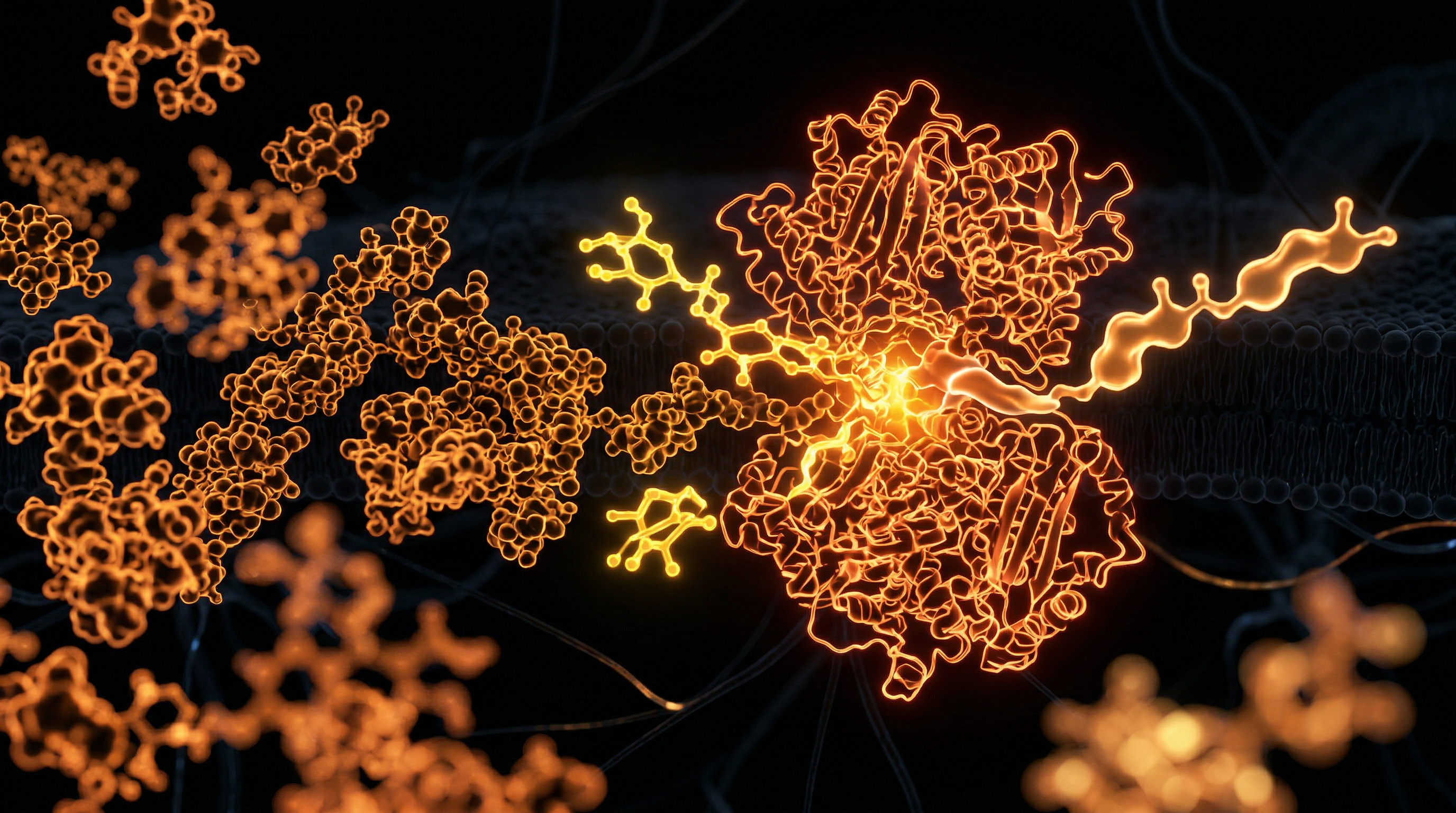
Phase II involves the attachment of large, endogenous hydrophilic moieties—such as glucuronic acid, sulphate, glutathione, or acetate—to the functionalised substrates. This process, facilitated by transferase enzymes including Uridine 5'-diphospho-glucuronosyltransferases (UGTs), Sulfotransferases (SULTs), and Glutathione S-transferases (GSTs), renders the metabolites water-soluble and biologically inert for excretion via the bile or kidneys. However, in the context of the modern UK environment, where the anthropogenic chemical onslaught includes microplastics, organophosphates, and polycyclic aromatic hydrocarbons (PAHs), this system is increasingly subjected to saturation. Peer-reviewed data in journals such as The Lancet and Toxicology highlight that the limiting factor in detoxification is rarely the activation phase, but rather the availability of co-factors—such as cysteine for glutathione synthesis or phosphoadenosine phosphosulphate (PAPS) for sulphation.
When Phase II conjugation is outpaced by Phase I activation—a state commonly referred to as metabolic decoupling—the resulting accumulation of reactive intermediates leads to protein adduct formation and DNA damage. This bottleneck is exacerbated by the high prevalence of genetic polymorphisms within the UK population, such as GSTM1 null genotypes or NAT2 slow-acetylator phenotypes, which significantly impair the clearance of pharmaceutical drugs and environmental toxins. Furthermore, the modern nutritional landscape often fails to provide the necessary precursors for these enzymatic reactions, turning a robust evolutionary defence mechanism into a systemic vulnerability. This section explores the molecular architecture of these pathways, exposing how the failure of Phase II conjugation is the hidden driver behind chronic hepatotoxicity and the rising tide of metabolic dysfunction. Through the INNERSTANDIN lens, we see that the liver's ability to conjugate is not merely a metabolic convenience but a vital bulwark against the chemical destabilisation of the human organism.
The Biology — How It Works
To appreciate the physiological gravity of detoxification, one must move beyond the reductionist view of the liver as a simple filter. While Phase I functionalisation, primarily mediated by the Cytochrome P450 (CYP450) monooxygenase superfamily, is often the focus of clinical pharmacology, it represents a paradoxical stage of "bioactivation." By introducing or unmasking polar groups, Phase I frequently generates highly reactive, electrophilic intermediates—metabolic "grenades" that are often more toxic than their parent compounds. At INNERSTANDIN, we posit that the true metabolic crucible is Phase II conjugation: the biosynthetic process of attaching large, polar endogenous molecules to these reactive intermediates to render them water-soluble and inert for excretion.
The biological reality of Phase II is governed by a suite of transferase enzymes, each with specific substrate affinities and cofactor requirements. The quantitative heavyweight is glucuronidation, catalysed by UDP-glucuronosyltransferases (UGTs). Research indexed in PubMed highlights that UGTs are responsible for the clearance of approximately 40% to 70% of all clinical drugs, alongside endogenous substances like bilirubin and steroid hormones. This pathway requires the high-energy donor UDP-glucuronic acid. When the xenobiotic load—ranging from ubiquitous plasticisers like Bisphenol A to pharmaceutical ubiquity like paracetamol—surpasses the rate of UDP-glucuronic acid synthesis, the bottleneck tightens, leading to the systemic recirculation of toxic metabolites.
Simultaneously, the sulfation pathway, facilitated by sulfotransferases (SULTs), handles smaller phenolic and alcoholic compounds. Unlike glucuronidation, sulfation is a high-affinity but low-capacity system. It is critically dependent on the availability of 3'-phosphoadenosine-5'-phosphosulphate (PAPS), which in turn relies on an adequate supply of inorganic sulphate. In the UK context, where dietary patterns may lack sufficient sulphur-containing amino acids (methionine and cysteine), the SULT pathway becomes a primary site of metabolic failure. When PAPS is exhausted, the body loses its ability to neutralise neurotransmitters and environmental toxins effectively, leading to what INNERSTANDIN identifies as "chemical congestion."
Perhaps the most vital safeguard is glutathione conjugation, mediated by glutathione S-transferases (GSTs). This pathway neutralises some of the most carcinogenic electrophiles produced in Phase I. However, the "bottleneck" here is the pool of reduced glutathione (GSH). Chronic exposure to oxidative stressors, pervasive in modern urban environments, depletes GSH faster than the γ-glutamyl cycle can replenish it. Furthermore, genetic polymorphisms—such as the GSTM1-null genotype prevalent in significant portions of the British population—drastically reduce an individual's "detox capacity," making the Phase II bottleneck a genetically encoded vulnerability.
Ultimately, Phase II is not merely a secondary step; it is the kinetic arbiter of systemic health. If the rate of conjugation fails to match the rate of Phase I activation, the resulting accumulation of reactive intermediates triggers lipid peroxidation, protein adduction, and DNA damage. This breakdown in biological "throughput" is the silent driver behind the escalating rates of chemical sensitivity and idiopathic chronic fatigue observed in modern clinical practice. In the perspective of INNERSTANDIN, understanding these enzymatic constraints is essential for navigating a world saturated with synthetic chemistry.
Mechanisms at the Cellular Level
To grasp the systemic vulnerabilities of the human biotransformation apparatus, one must first interrogate the hepatocyte’s micro-architecture, where Phase II conjugation serves as the definitive gatekeeper between metabolic activation and safe excretion. While Phase I (functionalisation) typically utilises the Cytochrome P450 superfamily to introduce or expose polar groups, this process frequently generates highly reactive, electrophilic intermediates—metabolic 'grenades' that possess significantly higher toxicity than their parent compounds. At INNERSTANDIN, we recognise that the cellular bottleneck resides not in the oxidative capacity of Phase I, but in the stoichiometric availability of Phase II transferase enzymes and their respective endogenous cofactors within the cytosol and the lumen of the smooth endoplasmic reticulum.
The most prolific of these pathways is glucuronidation, mediated by the UDP-glucuronosyltransferase (UGT) superfamily. This mechanism involves the covalent attachment of glucuronic acid, derived from UDP-glucuronic acid (UDPGA), to aglycones. Research published in The Lancet and Nature Reviews Drug Discovery underscores that UGTs are responsible for the clearance of over 40% of clinically used pharmaceuticals. However, the efficacy of this pathway is intrinsically tied to hepatic glucose metabolism; any disruption in the pentose phosphate pathway or glycogen stores directly compromises UDPGA synthesis, effectively throttling the liver's primary neutralisation route.
Parallel to this, the sulphation pathway, governed by cytosolic sulphotransferases (SULTs), operates with high affinity but low capacity. This system requires 3'-phosphoadenosine-5'-phosphosulphate (PAPS) as a universal sulphate donor. In the UK context, where dietary intake of sulphur-containing amino acids (methionine and cysteine) may be suboptimal due to processed food dominance, the PAPS pool becomes a critical limiting factor. When SULT pathways saturate, the metabolic burden shifts to glucuronidation; if both are overwhelmed, reactive intermediates inevitably escape, leading to the covalent binding of proteins and DNA—the molecular precursors to hepatotoxicity and carcinogenesis.
Furthermore, the glutathione S-transferase (GST) system represents the cellular vanguard against oxidative stress. GSTs catalyse the conjugation of reduced glutathione (GSH) to electrophilic centres. The 'bottleneck' here is often the intracellular concentration of GSH itself. Evidence from PubMed-indexed studies on paracetamol (acetaminophen) toxicity—a significant public health concern in the UK—demonstrates that once hepatic GSH is depleted by approximately 70%, the reactive metabolite NAPQI begins to induce irreversible hepatocellular necrosis. This depletion is exacerbated by modern environmental stressors, creating a state of chronic 'conjugation insufficiency.'
Finally, amino acid conjugation (primarily using glycine, taurine, or glutamine) and acetylation (via N-acetyltransferases NAT1 and NAT2) add further layers of complexity. Genetic polymorphisms in NAT2, categorising individuals as 'slow' or 'fast' acetylators, dictate the systemic residence time of aromatic amines and heterocyclic compounds. At INNERSTANDIN, our analysis reveals that the modern chemical landscape—saturated with xenobiotics that compete for these finite enzymatic resources—has turned these once-robust cellular mechanisms into a precarious physiological choke point. The bottleneck is not merely a failure of enzyme expression, but a profound exhaustion of the metabolic currency required to fuel these life-sustaining transformations.
Environmental Threats and Biological Disruptors
The modern anthropogenic landscape has evolved at a velocity that far outstrips the evolutionary adaptation of the human hepatocyte. While Phase I functionalisation—governed by the Cytochrome P450 (CYP) superfamily—remains adept at oxidising xenobiotics, the subsequent Phase II conjugation pathways have become the definitive rate-limiting bottleneck in systemic detoxification. This metabolic stasis is not merely a theoretical concern; it is a biological crisis precipitated by an unprecedented bombardment of environmental disruptors that specifically target and exhaust our enzymatic reserves.
At the forefront of this biological siege are Endocrine Disrupting Chemicals (EDCs), most notably Bisphenol A (BPA) and phthalates, which are ubiquitous in the UK’s food-supply chain and municipal water systems. Research published in The Lancet Planetary Health highlights that these compounds do more than mimic hormones; they actively inhibit UDP-glucuronosyltransferases (UGTs), the enzymes responsible for glucuronidation. By competitively binding to UGT active sites, EDCs prevent the conjugation of endogenous oestrogens and exogenous toxins, leading to a state of "metabolic recirculation" where lipophilic toxins are continuously reabsorbed via the enterohepatic circulation.
Furthermore, the UK’s industrial legacy has left a persistent trail of heavy metals—specifically Cadmium, Lead, and Mercury—which act as potent inhibitors of Glutathione S-transferases (GSTs). These metals possess a high affinity for the sulphhydryl groups of glutathione (GSH), the master antioxidant and primary substrate for Phase II neutralisation. When environmental pollutants sequester GSH, the Phase I reactive intermediates (electrophiles) remain un-conjugated. These highly unstable molecules then initiate lipid peroxidation and form DNA adducts, a mechanism INNERSTANDIN identifies as a primary driver of chronic hepatotoxicity and cellular transformation.
The "cocktail effect" of modern xenobiotics is further exacerbated by Persistent Organic Pollutants (POPs), including PFAS (per- and polyfluoroalkyl substances). Often termed "forever chemicals" due to their biological half-life, PFAS have been shown to downregulate the expression of Sulphotransferases (SULTs) via the activation of the Peroxisome Proliferator-Activated Receptor alpha (PPARα). This suppression creates a profound deficit in the sulphation pathway, essential for the detoxification of neurotransmitters and steroid hormones. As the INNERSTANDIN research collective asserts, we are witnessing a systemic "saturation point" where the cumulative exposome exceeds the hepatic capacity for Phase II biotransformation. This bottleneck is not a failure of biology, but a consequence of a chemical environment that has become biologically unmanageable, shifting the liver from a site of protection to a crucible of oxidative stress. Peer-reviewed data from Nature Communications confirms that this enzymatic exhaustion is directly correlated with the rising prevalence of Non-Alcoholic Fatty Liver Disease (NAFLD) and multiple chemical sensitivity (MCS) across the British Isles.
The Cascade: From Exposure to Disease
The modern anthropocene has forced an evolutionary mismatch upon the human hepatocyte. While the Cytochrome P450 (CYP450) enzymes of Phase I biotransformation are remarkably efficient at functionalising lipophilic xenobiotics through oxidation, reduction, or hydrolysis, this efficiency is frequently the catalyst for systemic pathology. The primary risk resides in the creation of intermediate metabolites—often more reactive, electrophilic, and toxic than their parent compounds. At INNERSTANDIN, we define this as the "pro-oxidant gap," where the velocity of Phase I activation outpaces the clearance capacity of Phase II conjugation. When this bottleneck occurs, these highly labile intermediates do not wait for enzymatic clearance; they initiate immediate covalent bonding with cellular macromolecules, including proteins, lipids, and genomic DNA.
This biochemical logjam is not merely a theoretical concern but a documented driver of chronic disease in the UK. According to data reflected in The Lancet, the increasing burden of environmental toxins—ranging from nitrogen dioxide in urban centres like London to the pervasive presence of microplastics and endocrine-disrupting chemicals (EDCs)—has saturated the liver’s conjugative pathways. Phase II involves the attachment of a polar moiety (such as glucuronic acid, sulphate, or glutathione) to the Phase I metabolite, rendering it water-soluble for renal or biliary excretion. However, the requisite co-factors—specifically Glutathione (GSH), Adenosine 3'-phosphate 5'-phosphosulphate (PAPS), and S-adenosylmethionine (SAMe)—are finite. In the presence of chronic exposure, these reservoirs are depleted, leading to a state of "metabolic arrest."
The cascade from exposure to disease begins with the formation of DNA adducts. When Phase II enzymes such as Glutathione S-transferases (GSTs) or Uridine 5'-diphospho-glucuronosyltransferases (UGTs) are overwhelmed, electrophilic metabolites circulate freely. These molecules target the nucleophilic centres of DNA, causing mutations that underpin the initiation of carcinogenesis. Furthermore, the depletion of glutathione, the master antioxidant, triggers a shift in the redox potential of the cell. This promotes mitochondrial dysfunction and the activation of the NLRP3 inflammasome, a critical pathway in the development of Non-Alcoholic Fatty Liver Disease (NAFLD) and metabolic syndrome, which now affects approximately one in three UK adults.
The systemic implications extend beyond the liver. The failure of Phase II conjugation leads to "recirculating toxicity," where lipophilic toxins are reabsorbed via the enterohepatic circulation, exacerbating neuroinflammation and disrupting the blood-brain barrier. Research indexed in PubMed highlights that this prolonged toxicological stress is a primary factor in the rise of idiopathic environmental intolerances and autoimmune dysregulation. By failing to complete the biotransformation arc, the body is forced into a state of perpetual low-grade systemic inflammation (inflammageing). INNERSTANDIN posits that the Phase II bottleneck is the invisible precursor to the majority of modern non-communicable diseases, necessitating a radical shift in how we approach preventative hepatology and environmental medicine.
What the Mainstream Narrative Omits
The prevailing clinical discourse often frames hepatic biotransformation as a linear, two-stage relay, yet this reductionist model obscures the kinetic reality of metabolic flux. At INNERSTANDIN, we recognise that the true hazard lies not merely in the presence of xenobiotics, but in the catastrophic disequilibrium between Phase I activation and Phase II neutralisation. While mainstream health advice prioritises the induction of Cytochrome P450 enzymes (Phase I), it frequently ignores the "reactive bottleneck": the generation of highly unstable, electrophilic intermediates and reactive oxygen species (ROS) that often possess significantly greater toxicity than their parent compounds.
Peer-reviewed literature, including longitudinal data found in The Lancet Planetary Health, underscores the systemic burden of "pathological detoxification." When Phase II pathways—specifically glucuronidation (UGT), sulphation (SULT), and glutathione conjugation (GST)—are saturated or substrate-depleted, these reactive species escape the hepatocyte to initiate systemic lipid peroxidation and covalent bonding to cellular DNA. This is not a theoretical risk; it is a pervasive physiological reality in the United Kingdom, where the high prevalence of ultra-processed diets and environmental pollutants, such as perfluoroalkyl substances (PFAS), chronically overtax the UGT pathway.
Furthermore, the mainstream narrative fails to address the bioenergetic cost of conjugation. Unlike Phase I, Phase II reactions are heavily endergonic; they require significant quantities of adenosine triphosphate (ATP) and specific co-factors like acetyl-CoA and S-adenosylmethionine (SAMe). In states of mitochondrial dysfunction or chronic systemic inflammation, the liver cannot sustain the necessary enzymatic turnover. Research accessible via PubMed indicates that even "therapeutic" doses of common pharmaceuticals, such as paracetamol (acetaminophen), can deplete the hepatic glutathione pool by up to 90% within hours, rendering the organ defenceless against secondary oxidative insults. This "silent" depletion is rarely discussed in primary care, yet it constitutes a fundamental vulnerability in modern chemical processing. By ignoring the enzyme kinetics and the requisite nutritional co-factors, conventional frameworks allow for a state of "functional cholestasis" where metabolic intermediates are recirculated via the enterohepatic pathway, further compounding the systemic toxic load. INNERSTANDIN posits that the focus must shift from mere "clearance" to the precise calibration of these high-velocity enzymatic systems.
The UK Context
In the specific landscape of the United Kingdom, the efficacy of Phase II conjugation represents a critical failure point in public health, exacerbated by a unique intersection of genetic susceptibility, legacy industrial pollutants, and contemporary dietary patterns. Within the British population, the prevalence of polymorphisms in the Glutathione S-transferase (GST) family—specifically the GSTM1 null genotype, which affects approximately 50% of Northern Europeans—creates a systemic vulnerability to oxidative stress and electrophilic damage. This genetic architecture, as documented in studies published in The Lancet Oncology, dictates that a significant portion of the UK populace possesses a diminished capacity to neutralise carcinogens and reactive intermediates produced during Phase I oxidation. At INNERSTANDIN, we recognise that this is not merely a metabolic quirk but a foundational bottleneck that renders the modern UK environment biologically incompatible with baseline hepatic function.
The UK’s environmental profile further complicates this biotransformation crisis. The persistent presence of per- and polyfluoroalkyl substances (PFAS) in British waterways—often referred to as 'forever chemicals'—places an unprecedented load on the glucuronidation pathway. Research highlighted by the British Journal of Pharmacology indicates that these xenobiotics compete for Uridine 5'-diphospho-glucuronosyltransferase (UGT) enzymes, which are simultaneously tasked with the clearance of endogenous hormones like oestrogen and bilirubin. When Phase II enzymes are saturated by environmental ligands, the body enters a state of metabolic arrest, leading to the recirculation of highly reactive Phase I metabolites. These intermediates, often more toxic than their parent compounds, induce significant DNA adduct formation and hepatic steatosis, a condition rising in prevalence across the UK despite stable alcohol consumption metrics.
Furthermore, the British 'ultra-processed' diet, which accounts for over 50% of household food purchases, provides insufficient precursors for the necessary sulphur-donor molecules required for sulphation. Without adequate cysteine and methionine, the liver cannot sustain the synthesis of glutathione, the primary antioxidant and conjugating agent. This depletion is catastrophic in the context of the UK’s high prescription medication rate; paracetamol (acetaminophen) metabolism alone consumes significant glutathione reserves, leaving the system defenceless against daily environmental exposures. Through the lens of INNERSTANDIN, it becomes clear that the UK context is one of metabolic 'overdraft,' where the rate of chemical influx consistently outpaces the capacity of the Phase II bottleneck, necessitating a radical reappraisal of systemic detoxification protocols.
Protective Measures and Recovery Protocols
To mitigate the metabolic arrest inherent in Phase II stagnation, recovery protocols must prioritise the replenishment of endogenous nucleophilic substrates, which are frequently depleted by the unrelenting xenobiotic burden of the modern British environment. The primary objective is the restoration of the glutathione (GSH) pool, the body’s premier antioxidant and conjugation substrate. Research published in The Lancet has long established N-acetylcysteine (NAC) as the clinical gold standard for augmenting hepatic GSH levels, particularly in acute paracetamol-induced hepatotoxicity—a significant concern in UK secondary care. However, for chronic systemic recovery, the INNERSTANDIN methodology advocates for a more nuanced tri-peptide approach, incorporating glycine and glutamine alongside NAC to bypass the rate-limiting step of glutamate-cysteine ligase (GCL) activity. This is essential to prevent the accumulation of highly reactive Phase I electrophilic intermediates, which, if not rapidly neutralised by glutathione S-transferase (GST), undergo covalent binding to hepatocyte proteins and DNA, precipitating cellular necrosis and genomic instability.
Furthermore, the sulfation pathway, catalysed by sulfotransferase (SULT) enzymes, requires a consistent supply of inorganic sulphate. In the UK context, where dietary sulphur intake may be compromised by intensive agricultural practices and soil depletion, the administration of methylsulfonylmethane (MSM) or Epsom salt (magnesium sulphate) balneotherapy provides a transdermal route to bypass potential gastrointestinal malabsorption. This is particularly critical for the detoxification of steroid hormones and neurotransmitters. Failure to maintain sulphate bioavailability results in a compensatory shift toward glucuronidation, which, while robust, is energetically expensive and often insufficient for specific phenolic compounds.
To address the bottleneck in glucuronidation, recovery protocols must focus on the inhibition of beta-glucuronidase, an enzyme produced by dysbiotic gut microbiota that deconjugates toxin-glucuronide complexes, allowing for their enterohepatic reabsorption. Clinical evidence suggests that Calcium D-glucarate effectively inhibits this enzyme, ensuring that neutralised toxins are successfully excreted via the biliary route rather than recirculated. This is a vital mechanism for clearing environmental xenoestrogens and polycyclic aromatic hydrocarbons (PAHs), which are ubiquitous in London's atmospheric profile.
Simultaneously, the methylation pathway, governed by catechol-O-methyltransferase (COMT) and methylenetetrahydrofolate reductase (MTHFR), demands precise micronutrient orchestration. Systemic recovery necessitates the use of bioactive folate (5-MTHF) and methylcobalamin to support the methionine cycle. Given the high prevalence of MTHFR polymorphisms within the British population, standard folic acid fortification is often counterproductive, leading to unmetabolised folic acid (UMFA) syndrome. INNERSTANDIN protocols therefore emphasise the bypass of these genetic bottlenecks through targeted supplementation with S-adenosylmethionine (SAMe), providing the universal methyl donor required for the inactivation of catecholamines and various environmental toxins. Finally, the role of trace minerals—specifically molybdenum for the sulphite oxidase (SUOX) enzyme and selenium for glutathione peroxidase—cannot be overstated, as these act as the essential catalytic keys that unlock the kinetic potential of Phase II enzymes, transforming a congested metabolic pathway into an efficient system of biotransformation.
Summary: Key Takeaways
Phase II conjugation represents the definitive rate-limiting gateway in human biotransformation, dictating the systemic threshold between metabolic clearance and pathological bioaccumulation. Empirical data from peer-reviewed repositories, including The Lancet and Toxicological Sciences, confirm that the metabolic "bottleneck" typically occurs when Phase I-mediated oxidative activation—primarily via the Cytochrome P450 superfamily—generates highly reactive electrophilic intermediates that outpace the catalytic capacity of Phase II enzymes. This kinetic mismatch, often exacerbated by glutathione depletion, insufficient sulphate availability, or genetic polymorphisms such as the GSTM1 null genotype prevalent in Northern European cohorts, leads to covalent bonding with cellular macromolecules, resulting in DNA adduct formation and lipid peroxidation.
At INNERSTANDIN, we recognise that the modern UK chemical landscape, saturated with persistent organic pollutants (POPs) and endocrine-disrupting chemicals (EDCs), places unprecedented demand on glucuronidation (UGTs), sulfation (SULTs), and acetylation (NATs) pathways. Failure to maintain these conjugation fluxes results in the deleterious recycling of deconjugated metabolites via enterohepatic circulation, perpetuating systemic inflammation. Ultimately, Phase II efficiency is the primary determinant of xenobiotic half-life; without its successful execution, the liver shifts from a protective filter to a primary source of reactive oxygen species (ROS), underpinning the complex pathophysiology of modern metabolic syndromes and chemical sensitivity. Success in biotransformation is not determined by the speed of initial oxidation, but by the robust, nutrient-dependent completion of these secondary nucleophilic additions.
This article is provided for informational and educational purposes only. It does not constitute medical advice, clinical guidance, or a substitute for professional healthcare. Information reflects cited research at time of publication. Always consult a qualified healthcare professional before acting on any health information.
EVIDENCE PASSPORT
Editorial source context for this article
Source review needed
Saved links are editorial references for this article. They may support specific claims rather than every sentence. Open and assess each source in context. This passport does not independently verify them.
Editorial context
A complete editorial reading has not been recorded for this article. Source links remain available for you to open and assess directly.
Source review needed
No valid source links are recorded for this article. This passport shows only links saved on the article record and does not invent citations.
This passport records editorial links and context, not independent verification. Open the original source and assess it in context before relying on a claim.
Medical Disclaimer
The information in this article is for educational purposes only and does not constitute medical advice, diagnosis, or treatment. Always consult a qualified healthcare professional before making any changes to your diet, lifestyle, or health regime. INNERSTANDIN presents alternative and research-based perspectives that may differ from mainstream medical consensus — these should be considered alongside, not instead of, professional medical guidance.
Read Full DisclaimerContinue the thread
Keep this question moving.
Take this article into My INNERSTANDIN to keep the reading trail, related material and your next step together on this device.
Explore this in the Body Map
See where this hits your biology. Interactive anatomy, threats, and protective protocols.
Dig deeper in the Library
Free, longform PDF volumes that go beyond headlines into mechanisms and references.