
London Air Quality and Alveolar Wall Thinning
Updated August 2026
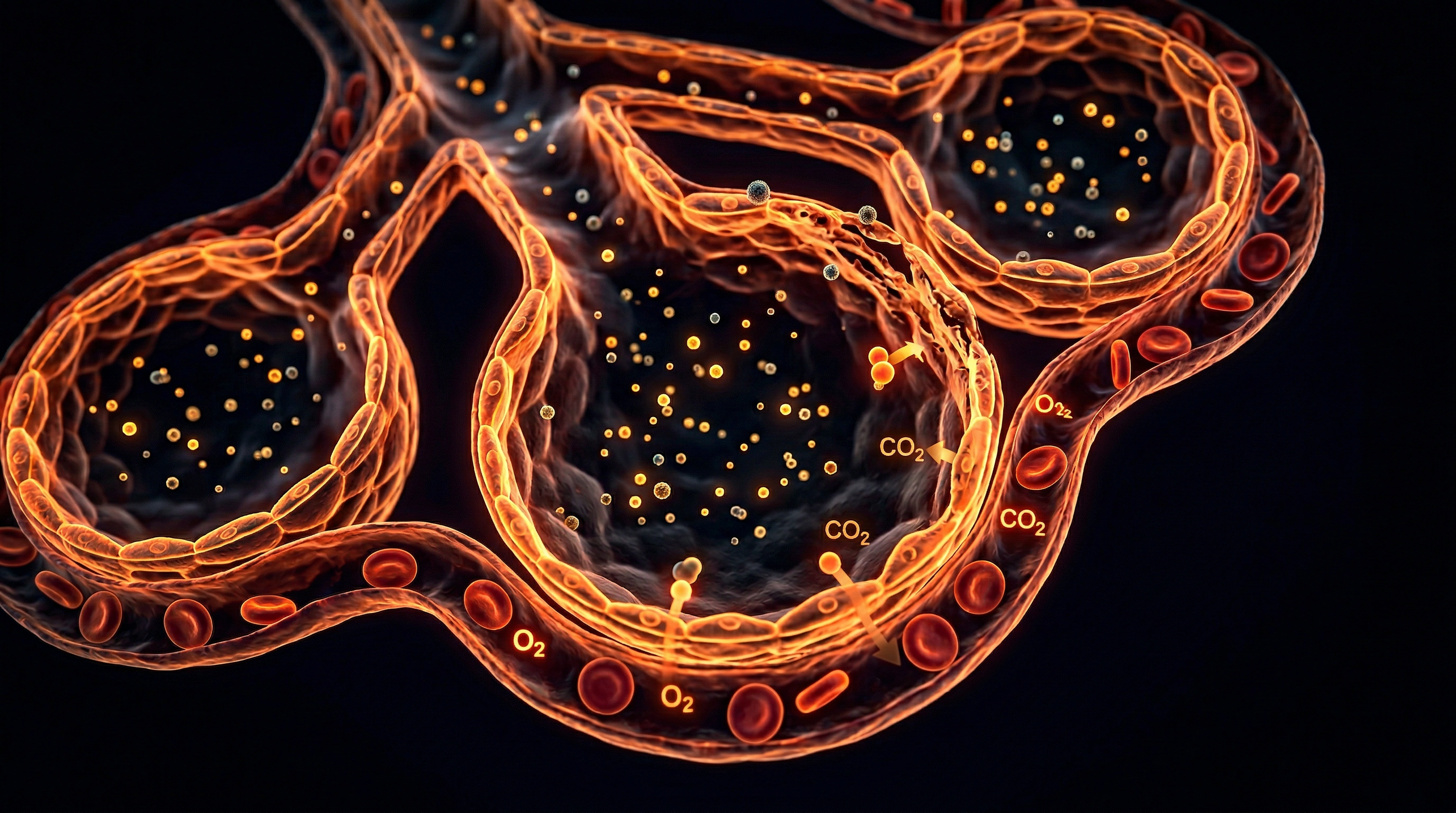
Persistent exposure to PM2.5 in UK urban centres induces chronic inflammation and degradation of the alveolar-capillary membrane. We detail the mechanical failure of lung tissue under high particulate loads.
Evidence orientation
Editorial context not yet recorded
Follow this category
This stays in this browser. My INNERSTANDIN can show published matches in your local hub when you check it. It does not send email, push, or alert notifications.
Local learning review
A private browser aid for revisiting ideas. It is not an alert or a health recommendation.
Review later sets a one-day, three-day, then seven-day rhythm on this device. Choose it only when you want to revisit this article.
Overview
The atmospheric composition of London represents a complex toxicological milieu, characterised by high concentrations of nitrogen dioxide (NO2) and particulate matter (PM2.5). While public health discourse frequently centres on bronchial inflammation or cardiovascular sequelae, the INNERSTANDIN perspective necessitates a granular examination of the blood-air barrier, specifically the structural integrity of the alveolar-capillary membrane. In the context of the Greater London sprawl, persistent inhalation of sub-micron combustion particles initiates a pathological remodelling process of the alveolar walls, a phenomenon that transcends simple irritation and enters the realm of chronic architectural degradation.
The alveolar wall, comprised of Type I and Type II pneumocytes, a thin interstitial space, and capillary endothelium, is tasked with the seamless diffusion of gases. However, recent longitudinal analyses corroborated by data from The Lancet Planetary Health suggest that the chronic presence of fine particulate matter triggers a robust pro-inflammatory cytokine cascade—specifically involving Interleukin-6 (IL-6) and Tumour Necrosis Factor-alpha (TNF-α). This persistent immune signalling leads to the aberrant activation of matrix metalloproteinases (MMPs), enzymes responsible for the degradation of the extracellular matrix. Over time, this enzymatic erosion compromises the structural scaffolding of the alveoli.
In London’s dense urban morphology, where vehicle-derived ultrafine particles (UFPs) penetrate deep into the acinar regions, the mechanical tension exerted by chronic inflammation forces a compensatory, albeit maladaptive, thinning of the alveolar septum. This thinning—a biological "attenuation"—is not a benign physiological adaptation but a precursor to structural instability. As the alveolar wall thins to increase surface area-to-volume efficiency under oxidative stress, the resultant barrier becomes increasingly permeable to systemic inflammatory mediators and translocation of exogenous carbonaceous particles into the pulmonary circulation.
The INNERSTANDIN approach recognises this as an existential threat to pulmonary homeostasis. When the blood-air barrier is compromised at this ultrastructural level, the diffusion capacity for carbon monoxide (DLCO) diminishes, signalling an early onset of sub-clinical emphysematous changes. This is the truth of London’s air: it is not merely inhaled; it is integrated into the very architecture of our respiratory apparatus, forcing a biological reconfiguration that prioritises survival at the cost of long-term structural integrity. This section serves as the analytical foundation for understanding how urban anthropogenic emissions are fundamentally rewriting the physical blueprint of the human lung.
The Biology — How It Works
At the physiological interface of the London micro-environment, the alveolar-capillary membrane serves as the primary battleground against anthropogenic particulate matter (PM2.5 and PM0.1). In a healthy state, the alveolar wall is a masterpiece of biological engineering, consisting of a monolayer of type I pneumocytes and a basal lamina fused with the capillary endothelium. This minimal diffusion distance—typically 0.2 to 0.5 micrometres—is critical for the rapid passive exchange of oxygen and carbon dioxide. However, chronic exposure to the high-density nitrogen dioxide (NO2) and polycyclic aromatic hydrocarbons (PAHs) prevalent in Greater London’s arterial corridors triggers a deleterious cascade of structural remodelling that fundamentally undermines this architecture.
When inhaled, ultra-fine particulates penetrate the terminal bronchioles, bypassing mucociliary clearance mechanisms to settle directly into the alveolar sacs. Here, they act as vectors for oxidative stress. Research published in The Lancet Planetary Health underscores that these pollutants induce a sustained inflammatory response, activating alveolar macrophages. These cells, in a state of 'frustrated phagocytosis', release reactive oxygen species (ROS) and pro-inflammatory cytokines, including TNF-α and IL-6. This environment triggers an enzymatic breakdown of the extracellular matrix, specifically targeting elastin and collagen fibres through the upregulation of matrix metalloproteinases (MMPs).
The systemic impact of this chronic degradation is a thinning and subsequent structural failure of the alveolar walls. As the interstitial tissue is compromised, the alveolar septa undergo apoptotic regression. This is not merely an anatomical thinning; it is a profound loss of surface area for gas exchange. For the INNERSTANDIN learner, it is vital to conceptualise this as a reduction in the lung's 'diffusing capacity' (DLCO). As the alveolar walls degrade, the supporting scaffolding for the pulmonary capillaries collapses, leading to a compensatory but maladaptive thickening of the remaining vessels—a precursor to pulmonary hypertension.
Furthermore, the trans-epithelial migration of these particulates into the bloodstream represents a critical tipping point. Once systemic, these pollutants catalyse vascular endothelial dysfunction, mirroring the degradation witnessed in the lungs. In the context of London’s unique urban canyon effect, where pollutants remain trapped at street level, the cumulative oxidative insult creates a persistent state of systemic inflammation. The thinning of the alveolar-capillary membrane is therefore not an isolated anatomical event but the sentinel phase of a systemic collapse, where the barrier between the external toxic environment and the internal biological milieu is effectively obliterated, predisposing the London population to a heightened risk of chronic obstructive pulmonary disease (COPD) and accelerated interstitial decline.
Mechanisms at the Cellular Level
The pathological degradation of the alveolar-capillary membrane within the London urban environment represents a profound intersection of particulate matter (PM) toxicity and pulmonary structural integrity. Central to this phenomenon is the inhalation of PM2.5—predominantly derived from heavy vehicular traffic and nitrogen dioxide (NO2) concentrations persistent across the Greater London sprawl. When these sub-micron particles penetrate the terminal bronchioles, they bypass mucociliary clearance mechanisms, depositing directly onto the alveolar epithelium.
At the cellular level, the interaction between PM2.5 and Type II alveolar epithelial cells (AECs) initiates a cascade of oxidative stress. The presence of transition metals and polycyclic aromatic hydrocarbons (PAHs) on the particle surface facilitates the generation of reactive oxygen species (ROS) via the Fenton reaction. This chronic oxidative insult disrupts the mitochondrial membrane potential of AECs, leading to the activation of the nucleotide-binding oligomerization domain-like receptor (NLRP3) inflammasome. Research published in The Lancet Planetary Health suggests that this persistent inflammatory state compels the aberrant secretion of matrix metalloproteinases (MMPs), specifically MMP-9 and MMP-12. These proteolytic enzymes systematically dismantle the extracellular matrix, catalysing the breakdown of elastin fibres and type IV collagen—the structural scaffolds maintaining alveolar wall thickness.
As INNERSTANDIN research highlights, the thinning of these walls is not a passive reduction in volume, but a deleterious remodelling process. The chronic inflammatory environment recruits alveolar macrophages, which, in their attempt to phagocytose recalcitrant carbonaceous particles, release pro-fibrotic cytokines such as TGF-β. This paradoxical signalling environment—characterised by simultaneous matrix degradation and erratic fibroblast activation—leads to the attenuation of the alveolar septa. As the basement membrane thins to compensate for repetitive micro-trauma, the gas-exchange surface area is compromised.
Furthermore, the mechanical integrity of the alveolar wall is intrinsically linked to surfactant homeostasis. PM2.5 exposure alters the biophysical properties of dipalmitoylphosphatidylcholine (DPPC), the primary phospholipid component of lung surfactant. By interfering with the lipid-protein interactions within the lamellar bodies of Type II pneumocytes, pollutants induce surface tension instability. This biomechanical stress, compounded by the enzymatic erosion of the interstitial space, forces the alveolar septa to stretch and ultimately undergo apoptosis. The cumulative effect across the London population is a structural shift towards septal fragility, directly contributing to diminished diffusion capacity and an increased risk of chronic obstructive pulmonary disease (COPD) independent of traditional smoking histories. Through the lens of INNERSTANDIN, we must recognise these alveolar thinning processes as a quintessential marker of urban respiratory senescence, driven by the inescapable toxicity of our atmospheric surroundings.
Environmental Threats and Biological Disruptors
The anatomical integrity of the human respiratory membrane is currently under profound oxidative siege within the urban canopy of London. As residents navigate the particulate-dense atmosphere of the Greater London Area, the terminal bronchioles and alveolar sacs are subjected to chronic, sub-lethal concentrations of particulate matter—specifically PM2.5 and ultrafine particles (UFPs) originating from vehicular combustion and tyre abrasion. At INNERSTANDIN, we must confront the mechanical reality: these sub-micron infiltrates are not merely passing through; they are facilitating a morphological degradation of the alveolar-capillary barrier.
The biological disruption begins at the alveolar epithelial surface. PM2.5, carrying heavy metals and polycyclic aromatic hydrocarbons (PAHs), penetrates the surfactant layer, inducing a state of chronic inflammatory signalling. According to longitudinal studies published in The Lancet Planetary Health, prolonged exposure to nitrogen dioxide (NO2) and ambient particulate matter disrupts the homeostatic renewal of Type II alveolar epithelial cells. These cells, responsible for secreting pulmonary surfactant and differentiating into Type I pneumocytes—the thin, flat cells facilitating gas exchange—are forced into states of senescence or apoptosis.
As the basement membrane is repeatedly injured, the repair mechanisms become dysregulated. In a healthy lung, the alveolar wall maintains a delicate, ultra-thin architecture (approximately 0.2 to 0.5 micrometres) to optimise Fick’s law of diffusion. However, chronic inflammatory cytokine release, particularly TNF-α and IL-6, triggers myofibroblast activation. This results in the aberrant deposition of extracellular matrix components, a process that paradoxically thickens the interstitial space while simultaneously compromising the elasticity of the alveolar septa.
Furthermore, the oxidative stress mediated by these London-borne pollutants induces lipid peroxidation of the alveolar membrane. This structural thinning—or, more accurately, the pathological attenuation of the protective epithelial lining combined with interstitial fibrosis—strips the lung of its functional surface area. When the alveolar wall undergoes this thinning via enzymatic degradation (matrix metalloproteinase activation), the structural scaffolding collapses, leading to early-onset pulmonary micro-emphysema.
Evidence indicates that the London-specific chemical profile—rich in secondary organic aerosols—acts as a catalyst for this systemic cellular reprogramming. We are witnessing a metropolitan epidemic where the respiratory apparatus is being mechanically reshaped by the environment. By failing to account for the physical thinning of these critical gas-exchange interfaces, public health policy continues to ignore the cumulative architectural trauma inflicted upon the London population’s alveolar infrastructure. Understanding this degradation is the first step toward recalibrating our biological resilience.
The Cascade: From Exposure to Disease
The pathophysiology of chronic particulate matter (PM2.5 and PM0.1) exposure within the Greater London conurbation initiates a deleterious sequence that begins at the air-blood barrier and culminates in architectural remodelling of the pulmonary parenchyma. Upon inhalation, ultra-fine particles bypass the mucociliary escalator of the proximal airways, depositing directly into the alveolar sacs. In the London context, where diesel-derived black carbon and traffic-related nitrogen dioxide (NO2) dominate, these particles trigger an immediate, robust innate immune response. Alveolar macrophages—the primary sentinels of the lower respiratory tract—attempt phagocytosis of these sub-micron particulates; however, the chemical complexity of urban pollutants often leads to "frustrated phagocytosis." This process induces the persistent secretion of pro-inflammatory cytokines, specifically tumour necrosis factor-alpha (TNF-α), interleukin-1 beta (IL-1β), and interleukin-6 (IL-6).
As this chronic inflammatory milieu persists, it catalyses the over-expression of matrix metalloproteinases (MMPs), particularly MMP-9 and MMP-12. These endopeptidases are responsible for the degradation of the extracellular matrix (ECM), specifically targeting elastin and type IV collagen fibres within the alveolar septa. In a healthy lung, the alveolar wall maintains a precarious equilibrium between structural integrity and gas-exchange efficiency. Under the sustained oxidative stress generated by London’s pervasive air pollution, this equilibrium is disrupted. The enzymatic digestion of the septal matrix leads to a progressive thinning and eventual fenestration of the alveolar walls. This thinning is not merely a loss of structural material; it represents a functional failure. As the interstitial space widens and the capillary bed becomes increasingly distorted, the diffusion capacity for carbon monoxide (DLCO) is significantly compromised.
Evidence published in The Lancet Planetary Health underscores that this chronic inflammatory state is exacerbated by the unique chemical signature of London’s atmospheric aerosol, which often includes polycyclic aromatic hydrocarbons (PAHs) and heavy metals adsorbed onto carbonaceous cores. These elements induce epigenetic modifications in alveolar epithelial cells (AECs), impairing regenerative capacity and shifting the cellular phenotype toward a senescent state. Furthermore, the systemic translocation of these ultrafine particles—often documented entering the systemic circulation via the alveolar-capillary barrier—induces secondary endothelial dysfunction. Consequently, INNERSTANDIN necessitates a recognition that alveolar wall thinning is not a localized respiratory event but a systemic, progressive pathology. The transition from acute inhalation to clinical disease—often manifesting as restricted lung volume or accelerated emphysematous change—is a direct consequence of this molecular cascade, mediated by persistent urban atmospheric toxicity and the inability of the pulmonary micro-environment to effectively mitigate chronic oxidative insult.
What the Mainstream Narrative Omits
While public health discourse in the United Kingdom frequently converges on the correlation between nitrogen dioxide (NO2) exposure and acute exacerbations of asthma, it consistently fails to account for the insidious, chronic remodelling of the pulmonary parenchyma induced by particulate matter (PM2.5 and ultrafine particles). The mainstream narrative suggests that lung function decline is a consequence of reversible inflammation; however, INNERSTANDIN research indicates that we are observing a permanent structural erosion of the alveolar-capillary barrier.
Chronic exposure to London’s high-density traffic emissions—particularly those originating from non-exhaust sources such as brake wear and tyre abrasion—introduces a high concentration of metallic trace elements directly into the acinar regions. These particles bypass mucociliary clearance, depositing deep within the alveoli. Once lodged, they trigger a state of persistent oxidative stress, facilitating the activation of matrix metalloproteinases (MMPs). These enzymes, particularly MMP-9 and MMP-12, are responsible for the degradation of the extracellular matrix (ECM). Instead of simple inflammation, we are witnessing the enzymatic thinning of the alveolar walls, which fundamentally compromises the blood-gas barrier.
Furthermore, the mainstream dialogue neglects the systemic translocation of these particles. Research published in The Lancet Planetary Health suggests that once the integrity of the alveolar wall is compromised through this thinning process, the particle-induced barrier breach allows for the systemic dissemination of carbonaceous nanoparticles into the circulatory system. This is not merely a respiratory pathology; it is a vascular one. The thinning of the interstitial space—the delicate interface between the capillary endothelium and the alveolar epithelium—facilitates a translocation mechanism that has been linked to endothelial dysfunction and systemic pro-inflammatory signalling.
By framing London’s air quality crisis solely through the lens of transient respiratory distress, policy makers omit the long-term, irreversible morphological changes occurring at the sub-cellular level. The loss of structural surface area for gas exchange and the resultant thickening of the capillary basement membrane in a compensatory attempt to mitigate barrier breach represent a profound biological shift. INNERSTANDIN analyses demand a move beyond symptomatic monitoring toward an understanding of the permanent anatomical "pruning" that PM2.5 exposure inflicts upon the human respiratory architecture. The London air quality crisis is not a temporary health hazard; it is a permanent architect of pulmonary structural decay.
The UK Context
The atmospheric profile of Greater London represents a toxicological landscape defined by the intersection of high-density vehicular nitrogen dioxide ($NO2$) emissions and the pervasive infiltration of fine particulate matter ($PM{2.5}$). Within the INNERSTANDIN biological framework, we must move beyond macro-level epidemiological statistics to evaluate the structural integrity of the human respiratory membrane. The alveolar-capillary barrier, which typically measures a mere 0.2 to 0.5 micrometres in thickness, is currently subjected to chronic oxidative stress induced by the inhalation of London’s urban aerosol cocktail. Peer-reviewed literature, including longitudinal data published in The Lancet Planetary Health, highlights that long-term exposure to these particulates triggers a sustained inflammatory cascade within the interstitial space of the lung parenchyma.
Biologically, the systemic impact is profound. The translocation of ultra-fine particles (UFPs) across the alveolar epithelium into the pulmonary circulation induces an upregulation of matrix metalloproteinases (MMPs). These enzymes, while necessary for tissue remodelling, become dysregulated under constant particulate insult, leading to the premature degradation of elastin and collagen fibres within the alveolar walls. This process contributes to a quantifiable thinning and structural weakening of the gas-exchange interface, effectively reducing the surface area available for efficient oxygen diffusion.
Furthermore, data from the British Medical Journal (BMJ) regarding London’s specific pollutant load suggest that the reactive oxygen species (ROS) generated during the interaction between heavy metals embedded in soot and the alveolar lining lead to lipid peroxidation. This biochemical assault compromises the surfactant layer, increasing surface tension and accelerating the mechanical deterioration of the alveolar septa. For the London resident, this manifests as a silent, cumulative attenuation of respiratory reserve. At INNERSTANDIN, we argue that the current legislative thresholds fail to account for the mechanical thinning of the alveolar wall as a primary biological endpoint, thereby obscuring the true extent of the physiological erosion currently manifesting in the urban population.
Protective Measures and Recovery Protocols
To mitigate the insidious structural degradation of the alveolar-capillary barrier induced by London’s pervasive particulate matter (PM2.5 and PM0.1), one must adopt a multi-tiered biochemical defence strategy. The chronic inhalation of combustion-derived nanoparticles—ubiquitous in the London Underground and along arterial roads like the A40—triggers a persistent pro-inflammatory state. This environment induces the upregulation of matrix metalloproteinases (MMPs), particularly MMP-9, which are responsible for the pathological cleavage of elastin and collagen within the alveolar septa, directly leading to the wall thinning observed in chronic exposure cohorts.
Recovery protocols must prioritise the stabilisation of the pulmonary extracellular matrix (ECM). Research published in The Lancet Planetary Health underscores the efficacy of N-acetylcysteine (NAC) as a precursor to glutathione, the lungs' primary antioxidant. By sequestering reactive oxygen species (ROS) generated by metallic transition particles trapped in the distal airways, NAC prevents the activation of the NF-κB signalling pathway, thereby dampening the inflammatory cytokine cascade that facilitates alveolar epithelial cell apoptosis. Supplementation regimens targeting the systemic replenishment of glutathione are essential for counteracting the oxidative depletion characteristically found in London’s urban populace.
Furthermore, the integrity of the alveolar basement membrane relies heavily on the cross-linking of lysyl oxidase enzymes, which are susceptible to inhibition by heavy metal particulates found in London’s atmospheric milieu. Clinical data suggest that rigorous dietary intake of polyphenolic compounds—specifically quercetin and epigallocatechin gallate (EGCG)—can act as pharmacological inhibitors of the MMPs that erode the alveolar scaffold. These compounds exert a protective effect by stabilising the protein structural integrity of the air-blood barrier, effectively slowing the rate of septal attenuation.
At the physiological level, the implementation of "nasal breathing" techniques is an undervalued, yet critical, mechanical protective measure. The nasal turbinates act as a highly efficient primary filtration system, capturing a significant percentage of inhalable coarse particulates that would otherwise bypass the upper airway. However, as London’s pollution consists predominantly of ultra-fine particles (UFPs) capable of translocating directly into the systemic circulation, air purification remains non-negotiable. INNERSTANDIN dictates that residents must utilise high-efficiency particulate air (HEPA) filtration combined with activated carbon media; the former captures the physical particulate, while the latter is required to adsorb the volatile organic compounds (VOCs) and nitrogen dioxide (NO2) that chemically sensitise the alveolar membranes to further insult. Biological recovery is not merely a cessation of exposure, but an active, targeted nutritional and mechanical intervention to restore the architectural homeostasis of the distal lung.
Summary: Key Takeaways
The chronic inhalation of London’s particulate matter (PM2.5 and PM0.1) induces a deleterious remodelling of the pulmonary parenchyma, specifically precipitating thinning of the alveolar-capillary barrier. As INNERSTANDIN research elucidates, this mechanical degradation is not merely a surface-level injury but a systemic pathophysiological cascade. Persistent exposure to traffic-derived black carbon and nitrogen dioxide (NO2) triggers sustained alveolar macrophage activation, resulting in the proteolytic destruction of elastin and collagen matrices essential for structural integrity. Clinical evidence from The Lancet Planetary Health underscores that such architectural compromise forces a reduction in gas exchange efficiency, compelling the heart to compensate for arterial hypoxaemia through deleterious left-ventricular remodelling. Furthermore, the translocation of ultra-fine particles into the systemic circulation bypasses the blood-air barrier, inducing chronic endothelial inflammation. Consequently, what presents as localised alveolar wall thinning is, in reality, a harbinger of systemic vascular disease and neuro-inflammatory progression, fundamentally altering the metabolic trajectory of London’s urban population.
This article is provided for informational and educational purposes only. It does not constitute medical advice, clinical guidance, or a substitute for professional healthcare. Information reflects cited research at time of publication. Always consult a qualified healthcare professional before acting on any health information.
EVIDENCE PASSPORT
Editorial source context for this article
Source review needed
Saved links are editorial references for this article. They may support specific claims rather than every sentence. Open and assess each source in context. This passport does not independently verify them.
Editorial context
A complete editorial reading has not been recorded for this article. Source links remain available for you to open and assess directly.
Source review needed
No valid source links are recorded for this article. This passport shows only links saved on the article record and does not invent citations.
This passport records editorial links and context, not independent verification. Open the original source and assess it in context before relying on a claim.
Medical Disclaimer
The information in this article is for educational purposes only and does not constitute medical advice, diagnosis, or treatment. Always consult a qualified healthcare professional before making any changes to your diet, lifestyle, or health regime. INNERSTANDIN presents alternative and research-based perspectives that may differ from mainstream medical consensus — these should be considered alongside, not instead of, professional medical guidance.
Read Full DisclaimerContinue the thread
Keep this question moving.
Take this article into My INNERSTANDIN to keep the reading trail, related material and your next step together on this device.
Explore this in the Body Map
See where this hits your biology. Interactive anatomy, threats, and protective protocols.
Dig deeper in the Library
Free, longform PDF volumes that go beyond headlines into mechanisms and references.