Manganese Bio-accumulation: Investigating the Neuropathological Link between Environmental Exposure and Extrapyramidal Dysfunction
An in-depth exploration of manganese neurotoxicity, its specific impact on the basal ganglia, and the clinical utility of Hair Tissue Mineral Analysis (HTMA) in identifying chronic bio-accumulation and its links to extrapyramidal motor dysfunction.
# Manganese Bio-accumulation: Investigating the Neuropathological Link between Environmental Exposure and Extrapyramidal Dysfunction\n\n## Introduction: The Janus Face of Manganese\n\nManganese (Mn) is a transition metal that presents a significant biological paradox. As an essential trace element, it serves as a critical cofactor for numerous enzymes, including manganese superoxide dismutase (MnSOD), which protects mitochondria from oxidative stress, and glutamine synthetase, which regulates neurotransmitter cycling in the brain. However, the window between physiological necessity and neurotoxic accumulation is remarkably narrow. Unlike other metals that may have systemic effects, manganese possesses a unique predilection for the central nervous system, specifically the subcortical structures responsible for motor control. At INNERSTANDING, we focus on the root causes of chronic illness, and manganese bio-accumulation represents a primary environmental driver of neurological decline that is frequently overlooked in conventional diagnostic frameworks.\n\n## The Neuropathology of Extrapyramidal Dysfunction\n\nThe hallmark of manganese toxicity—often referred to as 'manganism'—is its selective impact on the extrapyramidal system.
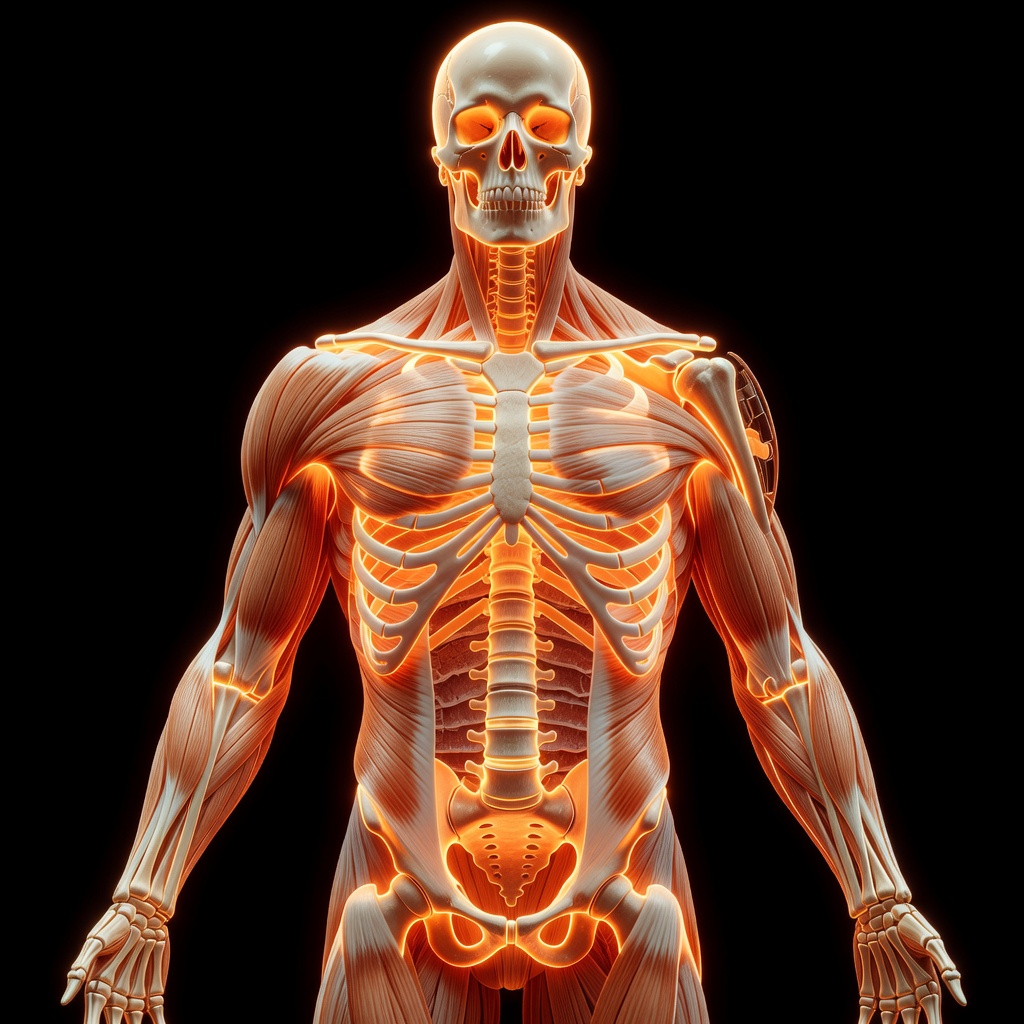
This system is a network of neurons in the brain involved in the coordination of movement. While Parkinson's Disease primarily affects the substantia nigra, manganese selectively accumulates in the basal ganglia, particularly the globus pallidus, subthalamic nucleus, and striatum. \n\nThis bio-accumulation disrupts the delicate balance of dopamine and gamma-aminobutyric acid (GABA) signaling. High levels of manganese interfere with mitochondrial respiration in these specific neurons, leading to metabolic failure and subsequent cell death. The resulting clinical picture involves 'extrapyramidal symptoms': tremors, bradykinesia (slowness of movement), muscle rigidity, and a characteristic 'cock-walk' gait where the individual walks on their toes with their heels up. Unlike idiopathic Parkinson's, manganism rarely responds to L-dopa therapy, highlighting the distinct underlying pathology of tissue damage versus simple neurotransmitter depletion.\n\n## Environmental Exposure: The Invisible Burden\n\nIn the modern landscape, environmental exposure to manganese has shifted from acute industrial accidents to chronic, low-level bio-accumulation.
Key sources include:\n\n1. Industrial and Occupational Exposure: Welding is perhaps the most documented source, as welding fumes contain ultra-fine particles of manganese that bypass the lung's filtering mechanisms and enter the bloodstream directly. Mining and battery manufacturing also present significant risks.\n2. Agricultural Chemicals: The fungicide Mancozeb is widely used in agriculture. Chronic exposure in rural areas has been linked to increased rates of motor dysfunction and cognitive impairment.\n3. Water Contamination: In many regions, including parts of the UK and North America, well water can contain high concentrations of manganese. Unlike dietary manganese, which the liver can regulate via biliary excretion, manganese in water appears to be more bioavailable and bypasses early protective mechanisms.\n4. Methylcyclopentadienyl Manganese Tricarbonyl (MMT): Used as an octane booster in gasoline in some jurisdictions, the combustion of MMT releases manganese oxides into the air, contributing to urban particulate matter.\n\n## The Role of Hair Tissue Mineral Analysis (HTMA)\n\nOne of the greatest challenges in addressing manganese toxicity is its transient nature in the blood. The body rapidly clears manganese from the systemic circulation, sequestering it into tissues—primarily the liver, pancreas, and brain.
Consequently, a standard blood test often fails to reflect the true total body burden or the level of neurological sequestration. This is where Hair Tissue Mineral Analysis (HTMA) becomes an indispensable tool for the practitioner.\n\nHair acts as a biological ledger. As hair grows, it incorporates minerals and heavy metals from the blood and extracellular fluid. Because manganese has a high affinity for melanin-containing tissues, it is effectively 'trapped' in the hair shaft. An HTMA provides a 3-to-4-month retrospective window into mineral metabolism.
In the context of extrapyramidal dysfunction, HTMA can reveal not just elevated manganese levels, but also the crucial mineral ratios that dictate how the body handles the metal. For example, low levels of calcium and magnesium can increase the permeability of the blood-brain barrier to manganese, while certain ratios can indicate the metabolic stress the body is under due to toxic accumulation.\n\n## Root Cause Interactions: The Iron-Manganese Relationship\n\nA critical component of the INNERSTANDING approach is recognizing that no mineral exists in isolation. Manganese shares the same transport protein as iron—Divalent Metal Transporter 1 (DMT1). This shared pathway means that individuals with iron deficiency or anemia are at a significantly higher risk for manganese toxicity. When iron stores are low, the body upregulates DMT1 in the gut to capture more iron, but this also increases the absorption of manganese.
This 'molecular mimicry' allows manganese to flood the system in the absence of its mineral competitor. Addressing the root cause of extrapyramidal dysfunction, therefore, often requires stabilizing iron metabolism and ensuring that the body is not over-compensating for one deficiency by absorbing a toxic surplus of another.\n\n## Cognitive and Psychiatric Manifestations\n\nBefore the onset of physical motor symptoms, manganese bio-accumulation often manifests as 'locura mangánica' or manganese madness. This early phase is characterized by psychiatric symptoms including irritability, emotional lability, hallucinations, and compulsive behavior. Because these symptoms are non-specific, they are often misdiagnosed as primary psychiatric disorders. By utilizing HTMA to screen for manganese burden, clinicians can identify the biochemical root of these behavioral changes, allowing for targeted nutritional intervention and detoxification rather than long-term reliance on psychotropic medications.\n\n## Mitigation and Clinical Strategy\n\nAddressing manganese-induced neurological dysfunction requires a multi-faceted approach focused on biliary clearance and nutritional antagonism.
Since manganese is primarily excreted through bile, supporting gallbladder and liver health is paramount. Furthermore, supplementing with competitive minerals like iron (if deficient), calcium, and zinc can help displace manganese from cellular binding sites. Antioxidant support, specifically aimed at mitochondrial health (such as N-Acetyl Cysteine and Alpha Lipoic Acid), is essential to mitigate the oxidative damage caused by sequestered manganese in the basal ganglia.\n\n## Conclusion\n\nManganese bio-accumulation is a silent driver of extrapyramidal dysfunction that bridges the gap between environmental health and clinical neurology. By moving beyond symptomatic management and looking at the tissue mineral status via HTMA, we can uncover the environmental burdens that compromise our neurological integrity. Understanding the delicate balance of trace elements allows us to restore function at a cellular level, ensuring that the very minerals required for life do not become the catalysts for its decline.", "tags": ["HTMA", "Manganese", "Neurotoxicity", "Extrapyramidal Dysfunction", "Environmental Medicine", "Basal Ganglia", "Iron Deficiency"], "reading_time": 6.5}
This article is provided for informational and educational purposes only. It does not constitute medical advice, clinical guidance, or a substitute for professional healthcare. Information reflects cited research at time of publication. Always consult a qualified healthcare professional before acting on any health information.
RESEARCH FOUNDATIONS
Biological Credibility Archive
Citations provided for educational reference. Verify via PubMed or institutional databases.
Medical Disclaimer
The information in this article is for educational purposes only and does not constitute medical advice, diagnosis, or treatment. Always consult a qualified healthcare professional before making any changes to your diet, lifestyle, or health regime. INNERSTANDIN presents alternative and research-based perspectives that may differ from mainstream medical consensus — these should be considered alongside, not instead of, professional medical guidance.
Read Full DisclaimerReady to learn more?
Continue your journey through our classified biological research.
THE ARSENAL
Based on Hair Tissue Mineral Analysis (HTMA) — products curated by our research team for educational relevance and biological support.

MSM Sulphur – Nature’s Forgotten Mineral

Magnesium L-Threonate

Clean Slate – Detoxes thousands of chemicals,heavy metals, pesticides, allergens, mold spores and fungus
INNERSTANDING may earn a commission on purchases made through these links. All products are selected based on rigorous educational relevance to our biological research.
RABBIT HOLE
Follow the biological thread deeper