
Microbiome Succession: The Biology of Heirloom Cultures
Updated April 2026
Heirloom fermenting cultures carry genetic data across centuries, adapting to the environment. We examine the threat posed by commercial, single-strain starters to our microbial heritage.
Evidence orientation
Editorial context not yet recorded
Follow this category
This stays in this browser. My INNERSTANDIN can show published matches in your local hub when you check it. It does not send email, push, or alert notifications.
Local learning review
A private browser aid for revisiting ideas. It is not an alert or a health recommendation.
Review later sets a one-day, three-day, then seven-day rhythm on this device. Choose it only when you want to revisit this article.
Overview
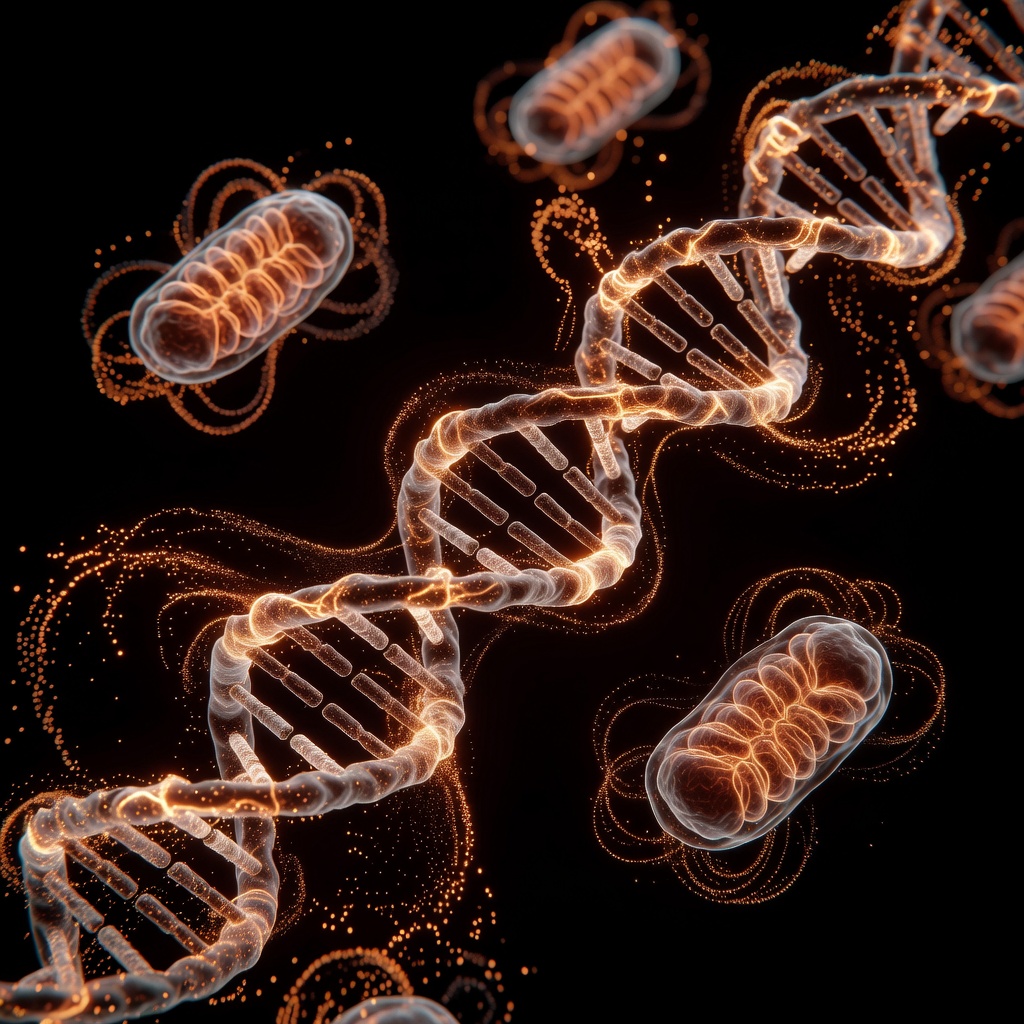
The biological landscape of the human organism is not a closed system; it is a continuous, multi-generational dialogue between the host and the microbial world. Central to this dialogue is the concept of Microbiome Succession, a process describing how microbial communities evolve, mature, and transmit through time. While modern science has focused heavily on the individual human genome, the truly "heirloom" component of our existence lies in the microbial lineages we have co-evolved with for millennia.
Heirloom cultures—the ancestral starters used in sourdough, kefir, kombucha, and wild ferments—represent more than just culinary tools. They are biological archives. Unlike industrial monocultures, which are isolated in laboratories and selected for shelf-stability and speed, heirloom cultures are complex, poly-microbial ecosystems. They possess an inherent intelligence, a result of vertical transmission and environmental adaptation that spans centuries.
At INNERSTANDING, we recognise that the modern microbial crisis is a result of the systematic severing of these lineages. The transition from diverse, wild-captured microbial successions to sterile, standardised industrial processes has led to what can only be described as a "microbial extinction event" within the human gut. To understand our health, we must understand the biology of these heirloom cultures and the mechanisms by which they colonise, protect, and instruct the human biological matrix.
The Biology
The biology of an heirloom culture is defined by symbiosis and complexity. In a standard industrial yogurt, you might find two or three strains of bacteria, often Lactobacillus bulgaricus and Streptococcus thermophilus. These are "transient" organisms, designed to perform a single metabolic task before passing through the system. In contrast, an heirloom culture—such as a traditional Tibetan Kefir grain—can contain upwards of 50 different species of bacteria and yeast, living in a structurally reinforced matrix of polysaccharides and proteins.
Evolutionary Lineage and Co-Evolution
Heirloom cultures are the product of selective evolutionary pressure. For thousands of years, humans have "back-slopped" (the process of using a portion of a previous batch to start a new one) their ferments. This created a continuous biological thread. Because these microbes were exposed to the same environmental stressors as their human hosts—pathogens, seasonal shifts, and dietary changes—they evolved to provide specific protective benefits.
This is co-evolution in its purest form. The microbes in a traditional sourdough starter, for example, have evolved specialised enzymes to degrade gluten and neutralise phytic acid—anti-nutrients that would otherwise stress the human digestive tract. This isn't accidental; it is a biological strategy designed to ensure the survival of both the microbe and the host.
The Dynamics of Succession
In the context of fermentation, succession refers to the orderly sequence of microbial dominance.
- The Initial Phase: High-energy, fast-moving "pioneer" species (often wild yeasts) begin the breakdown of complex sugars.
- The Intermediate Phase: Lactic acid bacteria (LAB) begin to proliferate, lowering the pH and creating an acidic environment that inhibits pathogenic growth.
- The Climax Community: The culture reaches a state of "homeostasis," where a diverse array of specialised microbes coexist in a stable, self-regulating ecosystem.
This climax community is what defines an heirloom culture. It is resilient, self-correcting, and capable of resisting contamination from "bad" bacteria. It is a biological fortress.
Mechanisms at the Cellular Level
To truly appreciate the power of heirloom cultures, we must look at the sub-cellular interactions occurring within the ferment and, subsequently, within the human gut.
Horizontal Gene Transfer (HGT)
One of the most profound "truths" hidden from mainstream nutritional science is the prevalence of Horizontal Gene Transfer. Unlike vertical gene transfer (parent to offspring), HGT allows different species of microbes to swap genetic material directly. Heirloom cultures are hotspots for HGT. Because they are diverse and stable, they act as a "genetic library." When these microbes enter the human gut, they can transfer beneficial genes—such as those for vitamin synthesis or toxin degradation—directly to our resident microbiota.
Biological Reality: Industrial monocultures lack the genetic diversity to participate meaningfully in HGT. They are "genetically stagnant," providing no long-term adaptive advantage to the host's microbiome.
Quorum Sensing and Social Intelligence
Microbes in heirloom cultures do not act as isolated units; they communicate through quorum sensing. This is a chemical signalling mechanism that allows bacteria to monitor their population density and coordinate group behaviour. In an heirloom ecosystem, quorum sensing is used to regulate the production of bacteriocins—natural antibiotic compounds that target specific pathogens without harming the beneficial flora.
This "social intelligence" allows heirloom cultures to sense the presence of competitors and mount a collective biological defence. When we ingest these cultures, we are not just ingesting "bacteria"; we are ingesting a pre-coordinated biological task force.
Biofilm Architecture: The EPS Matrix
Heirloom cultures are often physically bound together by Exopolysaccharides (EPS). In Kefir, this is known as Kefiran. This matrix is not merely structural; it is a protective delivery system. The EPS protects the delicate microbes from the harsh acidity of the human stomach, ensuring that a high percentage of the "living library" reaches the small and large intestines intact. Furthermore, EPS has been shown to modulate the human immune response, acting as a prebiotic that "feeds" our own indigenous ancestral strains.
Environmental Threats
The biological integrity of heirloom cultures—and by extension, the human microbiome—is currently under siege from multiple vectors of modern industrialism.
The Impact of Glyphosate and Agro-Chemicals
The widespread use of glyphosate (the active ingredient in many herbicides) is perhaps the greatest threat to microbial succession. Glyphosate works by inhibiting the shikimate pathway, a metabolic route used by plants and bacteria to synthesise essential amino acids. While humans do not have this pathway, our microbes do.
Exposure to glyphosate residues in food disrupts the delicate balance of heirloom cultures, specifically targeting the most beneficial Lactobacillus and Bifidobacterium strains while allowing pathogenic, glyphosate-resistant strains (like Clostridia) to thrive. This creates a "dysbiotic succession," where the microbial community evolves toward toxicity rather than protection.
Microbial Homogenisation
We are currently witnessing a "Global Microbial Homogenisation." As industrial food production expands, regional microbial "terroir" is being lost. In the past, a sourdough from the Scottish Highlands would be biologically distinct from one in the South of England. Today, commercial yeasts are identical globally.
The Hidden Cost: By eliminating regional microbial diversity, we are reducing the human species' "immunological database." We are becoming biologically brittle, less able to adapt to new environmental challenges because our microbial partners have been standardised into irrelevance.
Antibiotic Overuse and "The Sterile Mindset"
The obsession with hygiene and the over-prescription of broad-spectrum antibiotics have decimated the "seed bank" of the human gut. Antibiotics do not just kill pathogens; they act as a scorched-earth policy for microbial succession. After a single course of antibiotics, certain ancestral strains may never recover, leaving a biological vacuum that is often filled by opportunistic fungi (like Candida) or resistant pathogens.
The UK Context
In the United Kingdom, the history of heirloom cultures is deeply intertwined with our agricultural heritage, yet it has been systematically eroded by post-war food policy and the rise of "supermarket culture."
The Loss of British Bio-Heritage
Historically, Britain was a land of diverse fermented foods. Real Ale was fermented using "barm"—a complex, living yeast-bacteria heirloom culture passed down through generations of brewers. Farmhouse Cheeses relied on the native microbes present in raw milk and wooden ageing tools. Vegetable lacto-ferments, such as traditional "potted" vegetables, were staples of the British winter diet.
The introduction of the 1947 Agriculture Act and subsequent industrialisation of the UK food supply favoured "efficiency" over biological complexity. Raw milk was pathologised, sourdough was replaced by the "Chorleywood Process" (which uses high-speed mixers and massive doses of isolated yeast to create bread in under two hours), and our traditional heirloom starters were discarded in favour of laboratory-isolated "packets."
The Regulatory Barrier
The UK's current regulatory framework, particularly concerning "novel foods" and raw dairy, often creates barriers for the preservation of heirloom cultures. Small-scale producers who wish to use traditional, wild-captured succession methods often face rigorous testing requirements designed for sterile industrial environments. This misunderstands the biology of the ferment; a healthy heirloom culture is self-sanitising. Its very complexity is what makes it safe.
The Modern UK Diet: A Microbial Desert
The "Ultra-Processed Food" (UPF) crisis in the UK is a microbial catastrophe. With over 50% of the British diet now consisting of UPFs, the average UK citizen is consuming a "microbial desert." This lack of living, heirloomed information in the diet is directly correlated with the skyrocketing rates of autoimmune diseases, metabolic disorders, and mental health issues currently straining the NHS.
Protective Measures
Preserving the biology of heirloom cultures is not a matter of nostalgia; it is an act of biological sovereignty. We must take active steps to "re-wild" our internal and external environments.
1. Cultivate and Share Heirloom Starters
The most effective way to preserve these lineages is to keep them alive through active fermentation.
- Sourdough: Seek out "heritage" starters with documented histories. Avoid store-bought "sourdough" that lists commercial yeast in the ingredients.
- Kefir and Kombucha: Use "grains" and "SCOBYs" (Symbiotic Culture of Bacteria and Yeast) rather than powdered starters. The physical structure of the grain is essential for the full expression of the heirloom genome.
- Back-slopping: Practise the ancient art of carrying over a portion of your ferment to the next batch. This encourages the microbial community to adapt specifically to your home environment and your biological needs.
2. Sourcing "Living" Ingredients
To support the succession of these cultures, the raw materials must be of the highest biological quality.
- Organic and Biodynamic: Choose grains and produce grown without synthetic pesticides or glyphosate. These "clean" substrates allow for the natural expression of wild microbes.
- Raw and Unpasteurised: Where legally accessible and safe, incorporate raw honey, raw milk, and unpasteurised vinegars. these act as "microbial boosters" for your heirloom cultures.
3. Creating "Culture Banks"
In the same way we have seed banks for heirloom vegetables, we need community Culture Banks for microbes.
- Documentation: Record the history and origin of your starters.
- Diversity: Exchange starters with others in different geographic regions to increase the genetic pool of your local microbial community.
- Resilience: Dehydrate or freeze-dry portions of your heirloom cultures to ensure their survival in the event of a "biological crash."
4. Biological Literacy
We must educate ourselves and the next generation on the difference between sterility and safety. True health does not come from a bleached environment; it comes from a biologically diverse one. Understanding the mechanisms of quorum sensing, HGT, and succession allows us to view our ferments not as "food" but as probiotic medicine.
The Innerstanding Mandate: We must move beyond the "probiotic pill" mentality. A pill containing 10 billion CFUs of a single strain is a monoculture; a tablespoon of heirloom sauerkraut is a multi-generational civilisation. Choose the civilisation.
Key Takeaways
- Succession is the engine of microbial health. It is the process by which complex, stable, and protective microbial communities are formed over time.
- Heirloom cultures are biological archives. They contain genetic information and adaptive strategies that industrial monocultures lack.
- The integrity of the ferment is the integrity of the host. When we consume heirloom cultures, we are integrating ancient biological intelligence into our own microbiome.
- Horizontal Gene Transfer (HGT) allows heirloom microbes to "upgrade" our resident gut bacteria, providing functional benefits that persist long after the food has been digested.
- Industrialisation is a microbial extinction event. Glyphosate, UPFs, and the "sterile mindset" are severing the lineages that have protected human health for millennia.
- Preservation is an act of resistance. By cultivating, sharing, and protecting heirloom starters, we are reclaiming our biological heritage and ensuring the future of human resilience.
The biology of heirloom cultures teaches us that we are never truly alone. We are the stewards of a vast, invisible inheritance. To ignore this inheritance is to invite biological decay; to embrace it is to step into a state of Innerstanding, where our health is supported by the collective wisdom of a billion-year-old microbial lineage.
This article is provided for informational and educational purposes only. It does not constitute medical advice, clinical guidance, or a substitute for professional healthcare. Information reflects cited research at time of publication. Always consult a qualified healthcare professional before acting on any health information.
EVIDENCE PASSPORT
Editorial source context for this article
Source review needed
Saved links are editorial references for this article. They may support specific claims rather than every sentence. Open and assess each source in context. This passport does not independently verify them.
Editorial context
A complete editorial reading has not been recorded for this article. Source links remain available for you to open and assess directly.
Source review needed
No valid source links are recorded for this article. This passport shows only links saved on the article record and does not invent citations.
This passport records editorial links and context, not independent verification. Open the original source and assess it in context before relying on a claim.
Medical Disclaimer
The information in this article is for educational purposes only and does not constitute medical advice, diagnosis, or treatment. Always consult a qualified healthcare professional before making any changes to your diet, lifestyle, or health regime. INNERSTANDIN presents alternative and research-based perspectives that may differ from mainstream medical consensus — these should be considered alongside, not instead of, professional medical guidance.
Read Full DisclaimerContinue the thread
Keep this question moving.
Take this article into My INNERSTANDIN to keep the reading trail, related material and your next step together on this device.
Dig deeper in the Library
Free, longform PDF volumes that go beyond headlines into mechanisms and references.