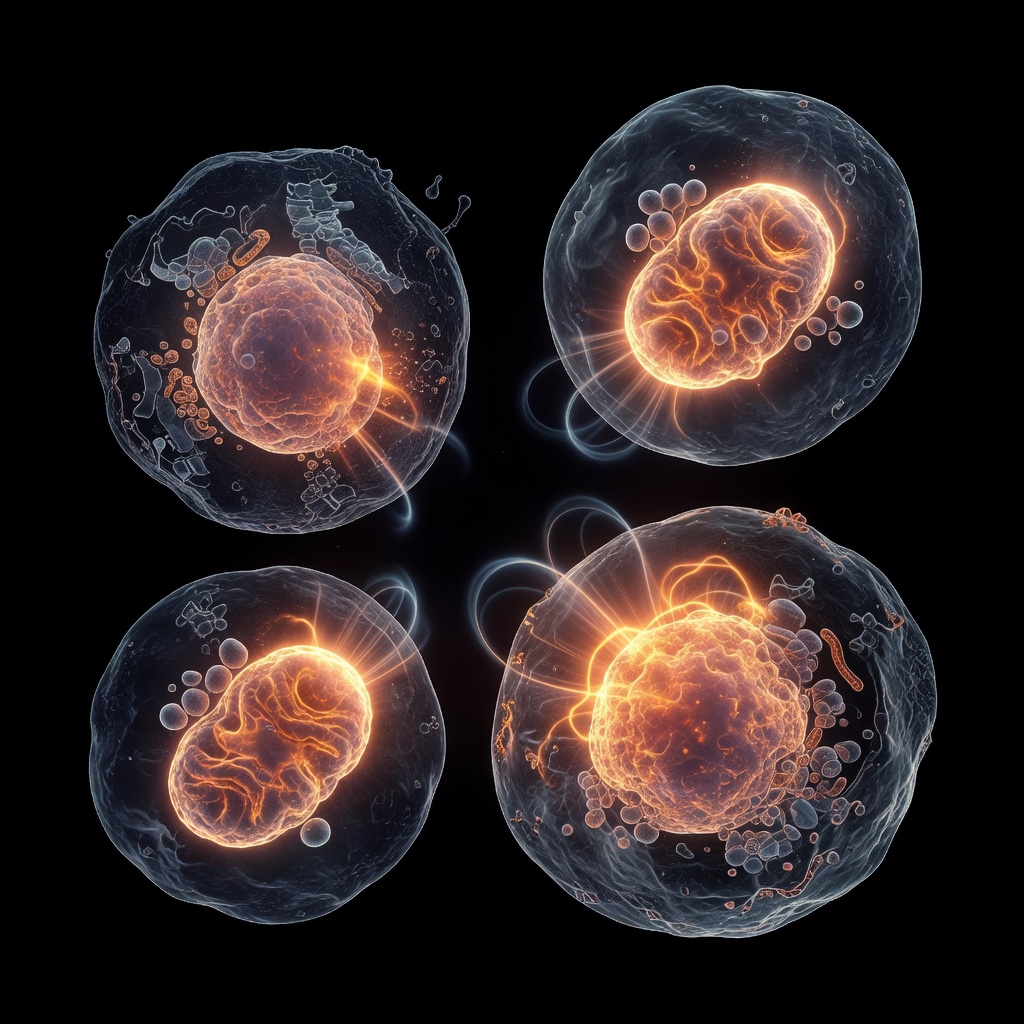
Microglial Necroptosis in Neurodegenerative Diseases: The Synergy of Environmental Toxins and Inflammasome Activation
An in-depth exploration of how environmental pollutants and inflammasome pathways trigger programmed necrotic cell death in microglia, driving chronic neurodegeneration.
# The Sentinel’s Demise: Understanding Microglial Necroptosis
In the complex landscape of the human central nervous system (CNS), microglia stand as the primary line of defence. These resident immune cells are not merely passive observers; they are dynamic sentinels that prune synapses, clear debris, and respond to threats with surgical precision. However, in the context of neurodegenerative diseases such as Alzheimer’s, Parkinson’s, and Amyotrophic Lateral Sclerosis (ALS), these guardians can become the architects of destruction. At the heart of this transition is a specific, regulated form of cell death known as necroptosis. Unlike apoptosis, which is a tidy, programmed suicide that avoids alerting the immune system, necroptosis is a chaotic, pro-inflammatory explosion. When microglia undergo necroptosis, they release highly inflammatory damage-associated molecular patterns (DAMPs) into the surrounding brain tissue, accelerating neuronal decay and creating a self-perpetuating cycle of chronic inflammation.
Necroptosis vs. Apoptosis: The Quiet vs. The Chaotic
To understand the root cause of neurodegeneration, we must distinguish between cellular death mechanisms. For decades, apoptosis was considered the primary mode of programmed cell death. Apoptosis involves the shrinking of the cell and the fragmentation of DNA, eventually leading to the cell being consumed by neighbours without causing inflammation. Necroptosis, however, is 'programmed necrosis.' It is triggered when certain 'death receptors' (like TNFR1) are activated under conditions where the traditional apoptotic pathway (caspase-8) is inhibited. The molecular machinery of necroptosis relies on the formation of a complex known as the 'necrosome,' consisting of Receptor-Interacting Protein Kinase 1 (RIPK1) and RIPK3. These kinases recruit and phosphorylate Mixed Lineage Kinase Domain-like protein (MLKL). Once activated, MLKL translocates to the plasma membrane, punching holes in the cell wall. This causes the cell to swell and burst, spilling its contents and triggering a massive immune response. In the brain, this 'explosive' death of microglia is catastrophic, as it shifts the environment from one of repair to one of escalating hostility.
Environmental Toxins: The Root Cause Catalysts
At INNERSTANDING, we focus on root causes, and the evidence increasingly points toward environmental toxicology as a primary driver of microglial dysfunction. We are constantly exposed to a cocktail of neurotoxic substances that prime the brain for necroptotic pathways.
- —Heavy Metals: Lead, mercury, and manganese have been shown to accumulate in the CNS. Manganese, in particular, has a high affinity for the basal ganglia and has been linked to 'manganism,' a condition mimicking Parkinson’s disease. These metals induce oxidative stress, which serves as a potent trigger for RIPK1 activation.
- —Pesticides and Herbicides: Paraquat and Rotenone are notorious for their ability to inhibit mitochondrial complex I. When microglial mitochondria fail, they release reactive oxygen species (ROS) and mitochondrial DNA into the cytosol, signaling to the cell that it is under irreparable stress, thus initiating the necroptotic cascade.
- —Air Pollution (PM2.5): In the UK, urban air pollution remains a significant health concern. Fine particulate matter (PM2.5) can cross the blood-brain barrier and enter the brain via the olfactory bulb. These particles directly activate microglia, shifting them into a chronically 'primed' state where they are hyper-reactive to any subsequent metabolic or inflammatory insult.
The NLRP3 Inflammasome: The Executioner’s Bridge
The bridge between environmental toxin exposure and microglial death is the NLRP3 inflammasome. The inflammasome is an intracellular protein complex that acts as a sensor for cellular danger. It requires two signals for activation: a 'priming' signal (often provided by environmental toxins or systemic inflammation) and an 'activation' signal (such as ATP or potassium efflux). When environmental toxins stress the microglia, the NLRP3 inflammasome assembles, leading to the activation of Caspase-1. While Caspase-1 is famous for producing the pro-inflammatory cytokines IL-1̢β and IL-18, recent research suggests a direct synergy between inflammasome activation and the necrosome. The chronic activation of NLRP3 by environmental pollutants ensures that the microglial cell remains in a state of high-alert, lowering the threshold for RIPK3-mediated necroptosis. This synergy creates a 'perfect storm' where the cell is forced into a pro-inflammatory death because its internal homeostasis has been permanently tilted by external stressors.
The Feed-Forward Loop of Neurodegeneration
One of the most concerning aspects of microglial necroptosis is its ability to create a feed-forward loop. When a microglial cell bursts, the DAMPs it releases—such as HMGB1 and genomic DNA—activate the TLR4 receptors on neighbouring microglia. These neighbours, already primed by environmental toxins, then activate their own NLRP3 inflammasomes and RIPK pathways. This leads to a wave of microglial death across a specific brain region. As the number of functional microglia decreases, the clearance of protein aggregates like beta-amyloid or alpha-synuclein fails. The accumulation of these 'molecular trash' proteins further activates the inflammasome, leading to more necroptosis. This explains why neurodegenerative diseases are often progressive and difficult to arrest once they have reached a certain clinical threshold; the 'cellular fire' is self-sustaining.
Towards Root-Cause Resolution
Understanding the synergy between environmental toxins and microglial necroptosis provides us with new avenues for intervention that go beyond masking symptoms.
- —Detoxification Support: Reducing the body’s total toxic load is essential. This includes supporting the body’s natural chelation and Phase II detoxification pathways through cruciferous vegetables, N-acetylcysteine (NAC), and adequate hydration to flush out heavy metals.
- —Targeting the Necrosome: Pharmaceutical research is currently exploring RIPK1 inhibitors (like Necrostatin-1) as potential treatments for neurodegeneration. In a nutritional context, polyphenols such as resveratrol and curcumin have shown an ability to inhibit the NLRP3 inflammasome and modulate the RIPK pathway.
- —Mitochondrial Protection: Since mitochondrial failure is a prerequisite for both inflammasome activation and necroptosis, supporting mitochondrial health with Coenzyme Q10, PQQ, and Magnesium can help maintain cellular stability.
- —Environmental Mitigation: On a societal level, reducing PM2.5 levels and tightening regulations on neurotoxic pesticides are vital public health measures to protect the neurological integrity of the population.
Conclusion
Microglial necroptosis represents a critical junction where immunology, toxicology, and neurology meet. By viewing neurodegeneration through the lens of cellular death mechanisms, we move closer to understanding why these diseases occur. It is the synergy of our modern environmental burden and the ancient, protective pathways of our immune system that inadvertently leads to the destruction of our most precious organ. Through root-cause awareness and targeted cellular support, we can begin to disrupt this cycle and promote long-term neurological health.
This article is provided for informational and educational purposes only. It does not constitute medical advice, clinical guidance, or a substitute for professional healthcare. Information reflects cited research at time of publication. Always consult a qualified healthcare professional before acting on any health information.
RESEARCH FOUNDATIONS
Biological Credibility Archive
Citations provided for educational reference. Verify via PubMed or institutional databases.
Medical Disclaimer
The information in this article is for educational purposes only and does not constitute medical advice, diagnosis, or treatment. Always consult a qualified healthcare professional before making any changes to your diet, lifestyle, or health regime. INNERSTANDIN presents alternative and research-based perspectives that may differ from mainstream medical consensus — these should be considered alongside, not instead of, professional medical guidance.
Read Full DisclaimerReady to learn more?
Continue your journey through our classified biological research.
THE ARSENAL
Based on Apoptosis & Cellular Death Mechanisms — products curated by our research team for educational relevance and biological support.
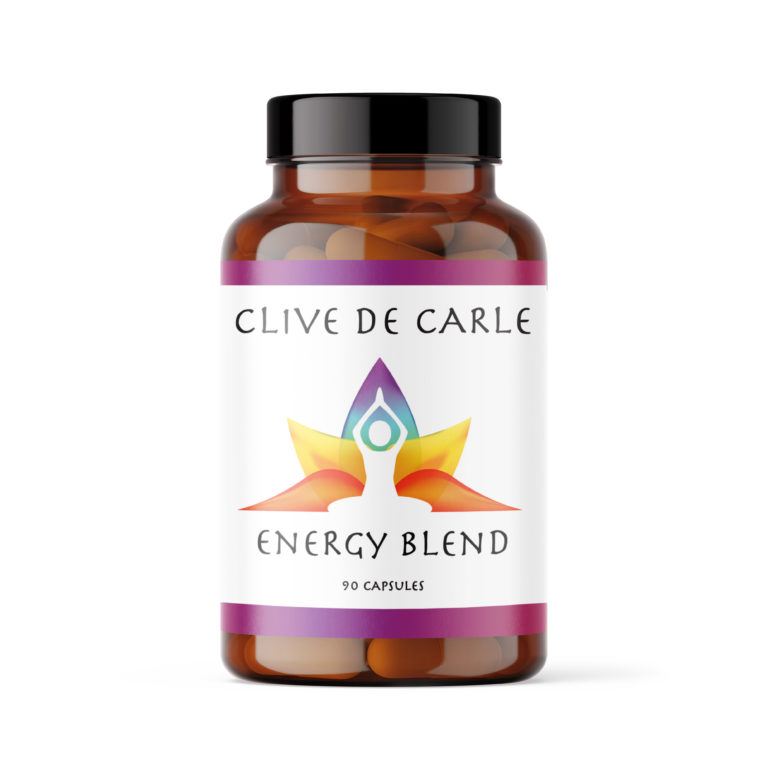
Energy Blend Supports
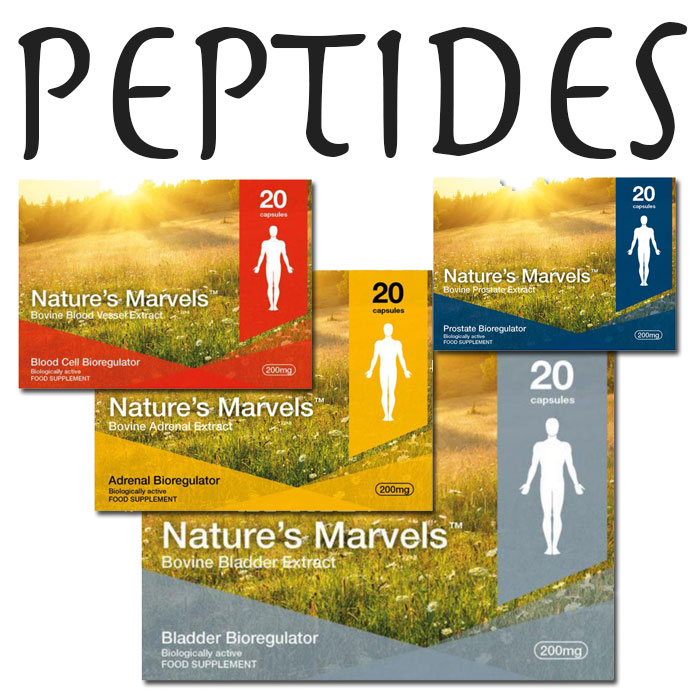
Peptides, one of the secret Russian military health marvels, now available. 40 years research
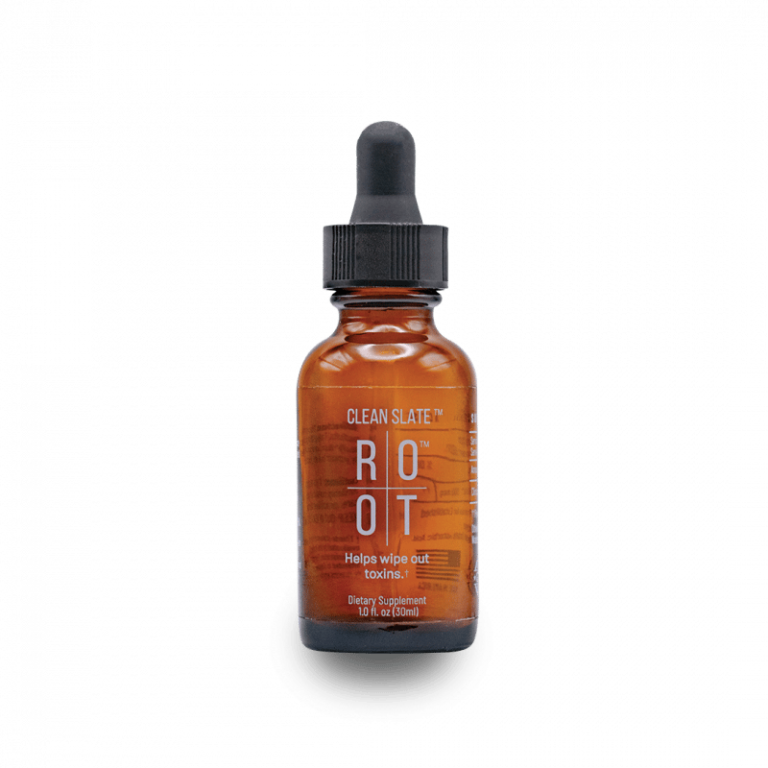
Clean Slate – Detoxes thousands of chemicals,heavy metals, pesticides, allergens, mold spores and fungus
INNERSTANDING may earn a commission on purchases made through these links. All products are selected based on rigorous educational relevance to our biological research.
RABBIT HOLE
Follow the biological thread deeper