Micronutrient Deficiencies, One-Carbon Metabolism, and DNA Repair in Autism
Discuss this resourceUpdated August 2026
An in-depth exploration of how critical micronutrient deficiencies disrupt the methylation cycle and compromise genomic integrity, with a focus on biological mechanisms underlying neurodevelopmental differences.
Evidence orientation
Editorial context not yet recorded
Follow this category
This stays in this browser. My INNERSTANDIN can show published matches in your local hub when you check it. It does not send email, push, or alert notifications.
Local learning review
A private browser aid for revisiting ideas. It is not an alert or a health recommendation.
Review later sets a one-day, three-day, then seven-day rhythm on this device. Choose it only when you want to revisit this article.
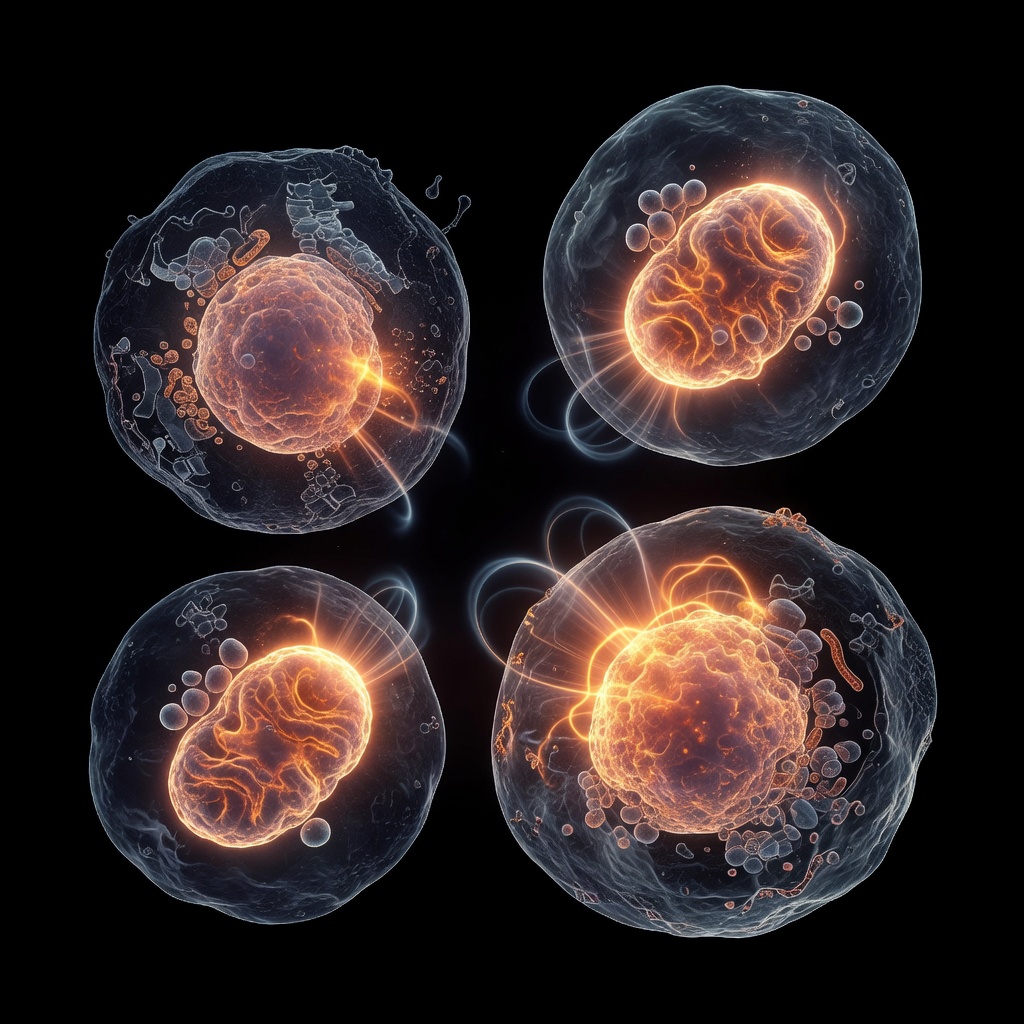
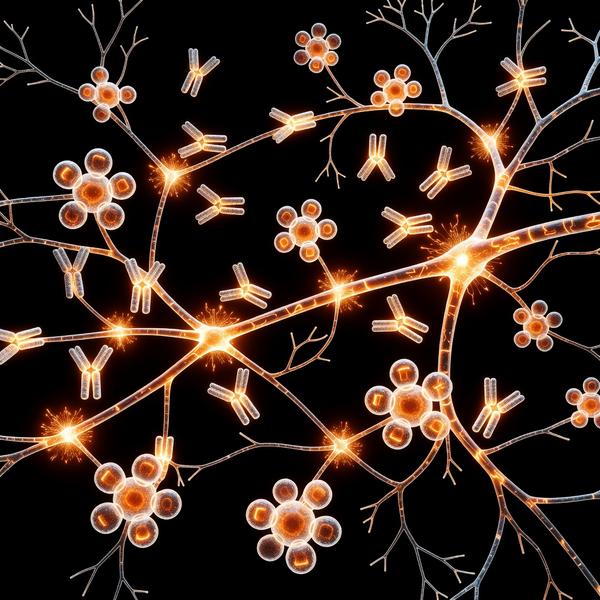
At the core of human biological function lies the one-carbon metabolism cycle, a complex network of biochemical pathways responsible for DNA synthesis, methylation, and cellular repair. For individuals on the autism spectrum, research frequently highlights significant dysregulation in these pathways. Understanding how specific micronutrient deficiencies—particularly B-vitamins—impact one-carbon metabolism is vital for identifying root-cause health strategies.
Understanding One-Carbon Metabolism
One-carbon metabolism is the engine of the cell. It involves the transfer of single-carbon units (methyl groups) required for vital functions, including the production of SAMe (S-adenosylmethionine). SAMe is the universal methyl donor necessary for DNA methylation, a process that regulates gene expression. When this cycle stalls, the body cannot effectively manage oxidative stress or repair DNA damage, leading to cellular vulnerability.
The Role of Essential Micronutrients
Folate and B12: The Methylation Drivers
Folate (B9) and Cobalamin (B12) are the primary cofactors in the recycling of homocysteine back into methionine. A deficiency in either can lead to "folate trap" scenarios where the methylation cycle slows down, resulting in elevated homocysteine—a known neurotoxicant—and impaired synthesis of neurotransmitters.
B6, Magnesium, and Zinc
Vitamin B6 is essential for the transsulfuration pathway, which converts homocysteine into glutathione, the body's master antioxidant. Without sufficient B6, magnesium, and zinc, the cell struggles to buffer against reactive oxygen species (ROS). Chronic oxidative stress is a consistent finding in autism research and is directly linked to suboptimal DNA repair mechanisms.
Impact on DNA Repair
DNA integrity depends on a constant supply of methyl groups. Methylation is not just for gene regulation; it is also critical for DNA stability. When micronutrients are lacking, DNA synthesis becomes prone to errors (mismatch mutations). Furthermore, inadequate methylation impairs the epigenetic machinery that allows cells to "silence" harmful genetic expressions. This biological friction can impact synaptic plasticity and neural connectivity during early development.
Towards a Root-Cause Perspective
Rather than viewing these biochemical variations as isolated symptoms, we must address the systemic nutritional demands of the body. Targeted intervention, informed by metabolic profiling, aims to bypass genetic bottlenecks (such as MTHFR variants) and provide the necessary enzymatic cofactors to restore cycle function. By supporting the methylation cycle through nutrient-dense dietary choices and bioavailable supplementation, we create a more stable physiological environment for nervous system health.
Conclusion
The link between micronutrient status, one-carbon metabolism, and genomic stability is a foundational pillar of biological health. By prioritizing the restoration of these metabolic pathways, we move closer to a deeper 'INNERSTANDING' of the biological mechanisms that influence neurodevelopment.
This article is provided for informational and educational purposes only. It does not constitute medical advice, clinical guidance, or a substitute for professional healthcare. Information reflects cited research at time of publication. Always consult a qualified healthcare professional before acting on any health information.
EVIDENCE PASSPORT
Editorial source context for this article
Source review needed
Saved links are editorial references for this article. They may support specific claims rather than every sentence. Open and assess each source in context. This passport does not independently verify them.
Editorial context
A complete editorial reading has not been recorded for this article, and no source links are saved on its record.
Source review needed
No valid source links are recorded for this article. Supplementary research, where available, is listed separately below.
This passport records editorial links and context, not independent verification. Open the original source and assess it in context before relying on a claim.
Medical Disclaimer
The information in this article is for educational purposes only and does not constitute medical advice, diagnosis, or treatment. Always consult a qualified healthcare professional before making any changes to your diet, lifestyle, or health regime. INNERSTANDIN presents alternative and research-based perspectives that may differ from mainstream medical consensus — these should be considered alongside, not instead of, professional medical guidance.
Read Full DisclaimerContinue the thread
Keep this question moving.
Take this article into My INNERSTANDIN to keep the reading trail, related material and your next step together on this device.
Dig deeper in the Library
Free, longform PDF volumes that go beyond headlines into mechanisms and references.
RABBIT HOLE
Follow the biological thread deeper